

Seventy-seven? That’s Just the Average
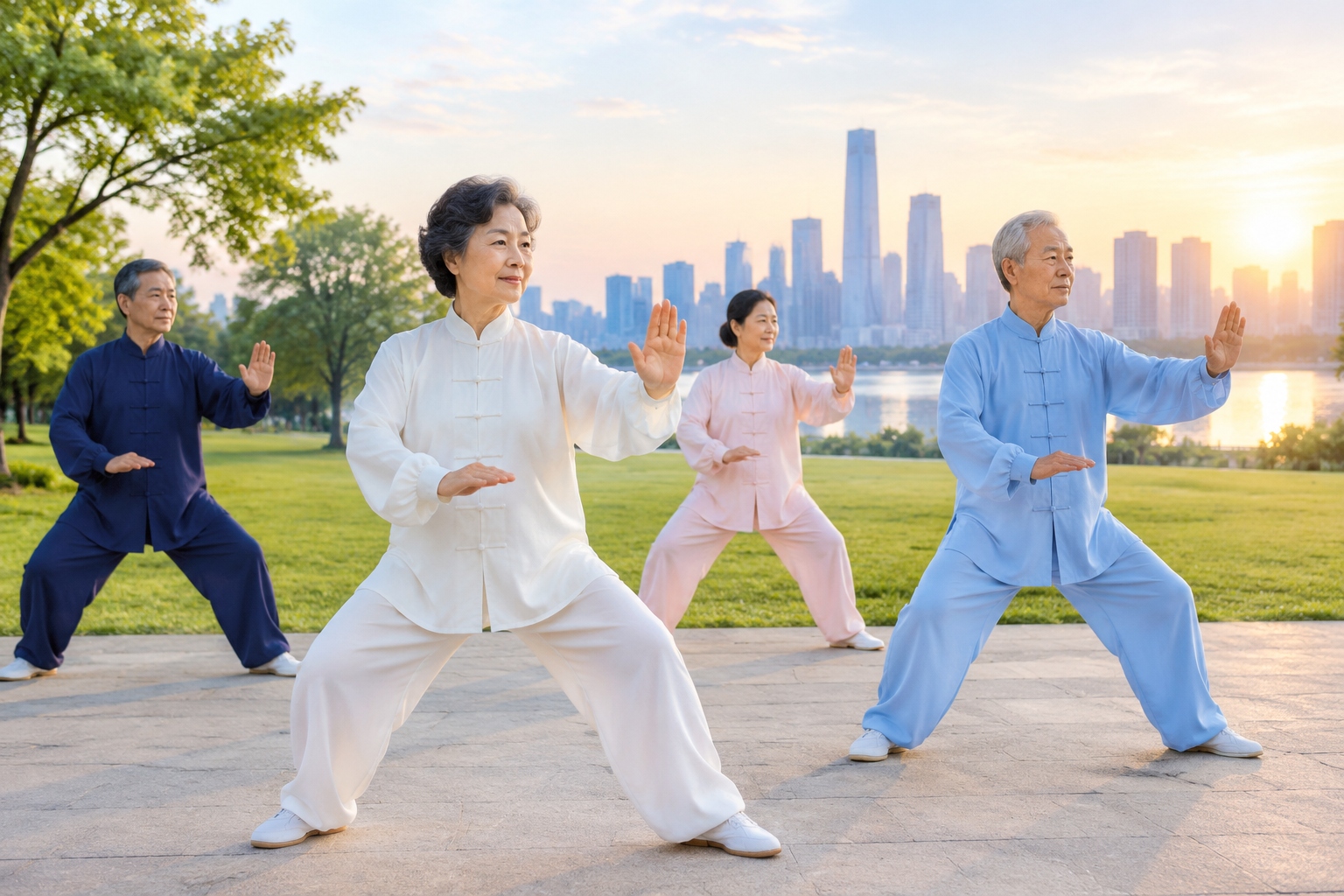
Every morning at 7 a.m., 68-year-old retired teacher Li Xin meets her friends in a Hangzhou park for a session of tai chi. Afterwards, they often stop by the neighborhood health center for a quick blood-pressure check—it takes ten minutes and costs nothing. This routine is so ordinary that Li barely mentions it. Yet it is exactly these small, daily wins that are pushing China’s life expectancy to record highs.
In 2023, the average Chinese person could expect to live 78.2 years, according to the National Health Commission, up from 77.3 years in 2019. That’s nearly one full year in just five years—a pace that puts China ahead of most countries with similar income levels. In cities like Shanghai and Beijing, life expectancy already exceeds 83 years.
How did a country that was still regarded as “developing” a few decades ago reach this point? The answer lies not in one dramatic breakthrough, but in a steady accumulation of improvements in healthcare, public health, and daily living conditions.
What’s Behind the Gains?
The rise in life expectancy is not a single achievement. It reflects hundreds of smaller changes in how people are born, live, and receive care. Here are the main drivers—and what they feel like in an ordinary person’s life.
Insurance That Actually Covers You
In 2023, more than 95% of China’s 1.4 billion people were covered by basic health insurance. This is a seismic change from two decades ago, when most rural residents paid for medical care out of their own pockets and sometimes avoided doctors altogether.
One of the most transformative programs is the New Rural Cooperative Medical Scheme. It reimburses a share of hospitalization and outpatient costs for rural families. For example, a hip replacement that might have cost 50,000 yuan a decade ago now requires a patient to pay only a small fraction, with the rest covered by insurance. This shift encourages people to go to the hospital early, before minor ailments become major crises. Since 2018, the government has also negotiated lower prices for dozens of cancer drugs and heart medications, making life-saving treatments more affordable for ordinary families.
Community Clinics: Where Primary Care Lives
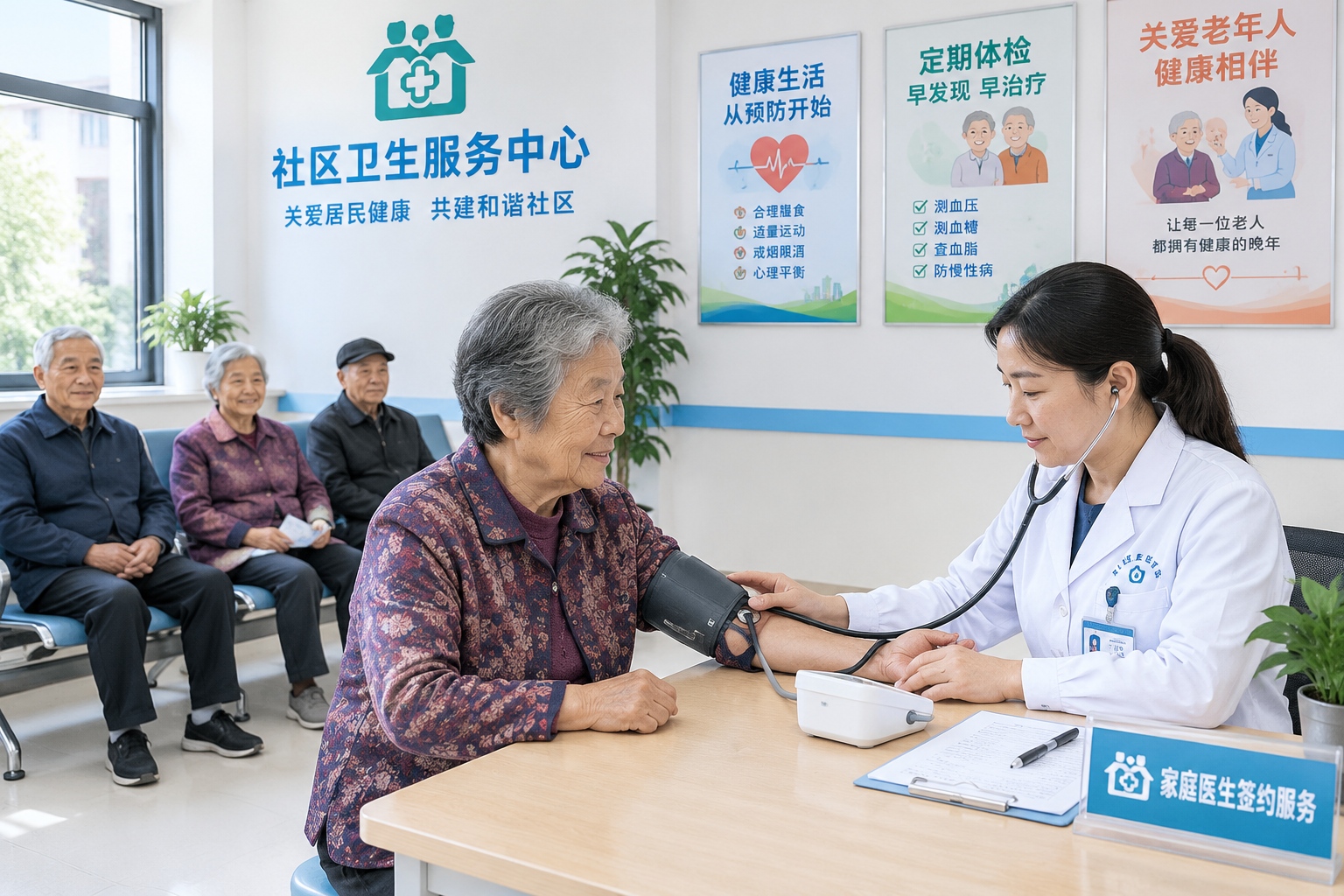
Another key factor is the expansion of primary care. The government has invested heavily in building community health centers in every urban neighborhood and has signed up over 500 million residents for family doctor services. These doctors maintain health records, chase overdue vaccinations, and call elderly patients when their blood pressure readings drift up.
Take the Changfeng community health center in Shanghai. Every senior citizen there has a file that includes chronic disease status, medication lists, and recent test results. Nurses remotely monitor data from home blood-pressure cuffs, and if a reading looks dangerous, a doctor calls back within minutes. This kind of proactive care is why chronic conditions like hypertension are now often detected early and kept under control at the neighborhood level—before they turn into heart attacks or strokes.
In the early morning, 74-year-old Wang Dequan visits his clinic in Jinan to get his monthly diabetes medication. The doctor, who has known him for years, asks about his sleep and diet, then adjusts his prescription. Wang doesn’t need to go to a crowded hospital for this; his clinic is a five-minute walk from home. This kind of continuity is rare in many health systems, but in China it is becoming the norm.
Public Health Campaigns That Changed Habits
Behavioral change is harder to measure, but no less important. The “Healthy China 2030” initiative, launched in 2016, pushed for salt reduction in processed foods, stricter tobacco control, and more public sports facilities. Smoking rates among adults fell from 28.1% in 2010 to about 21% in 2020—a decline that public health experts estimate has already saved hundreds of thousands of lives.
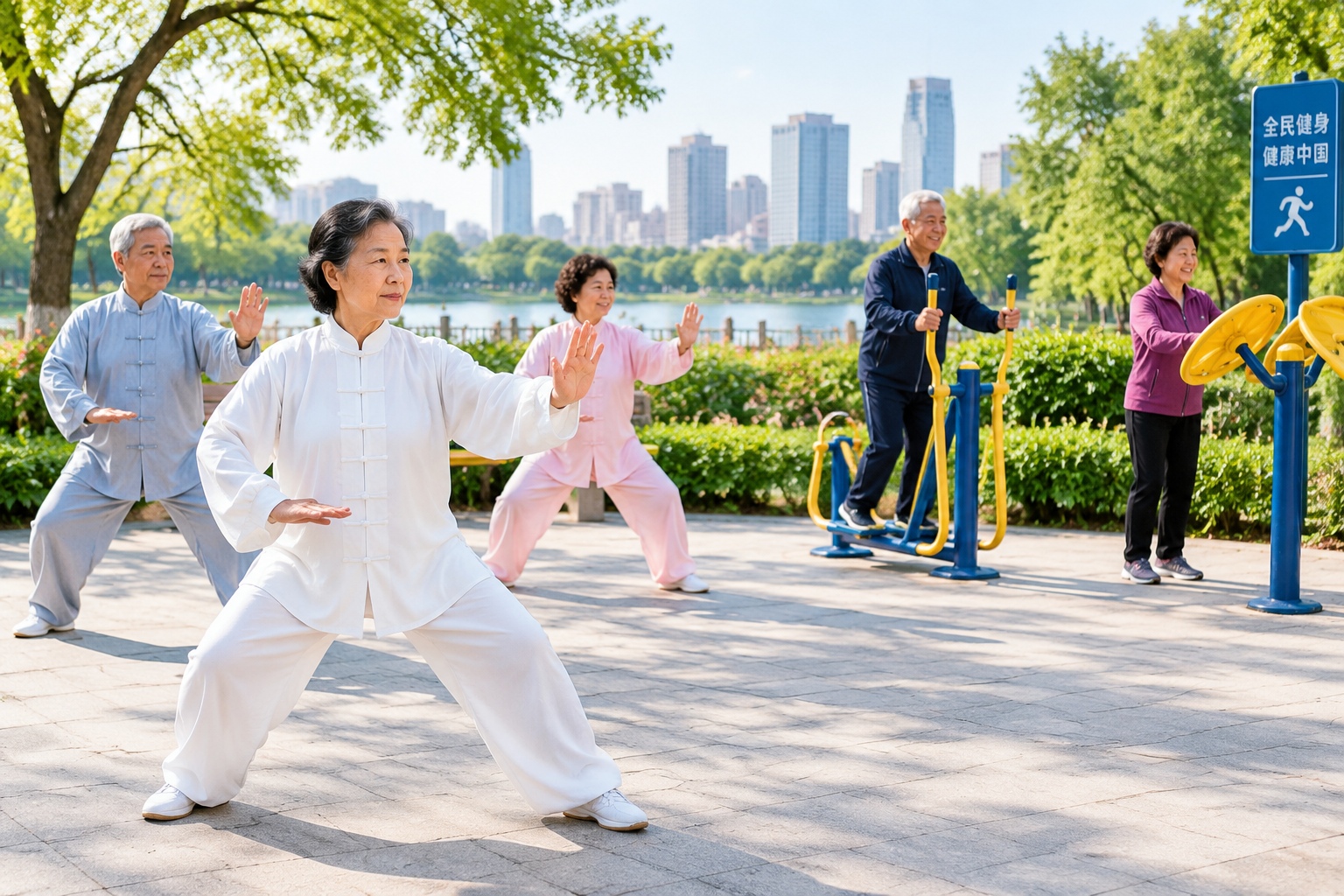
Parks and walking paths have also multiplied. In many cities, a 15-minute walk takes you to a park, square, or fitness zone. For older people, seeing others exercise makes it feel normal. Indeed, morning tai chi groups like Li Xin’s are not just about movement; they create social bonds that keep depression and loneliness away.
Technology Moves Into Clinics
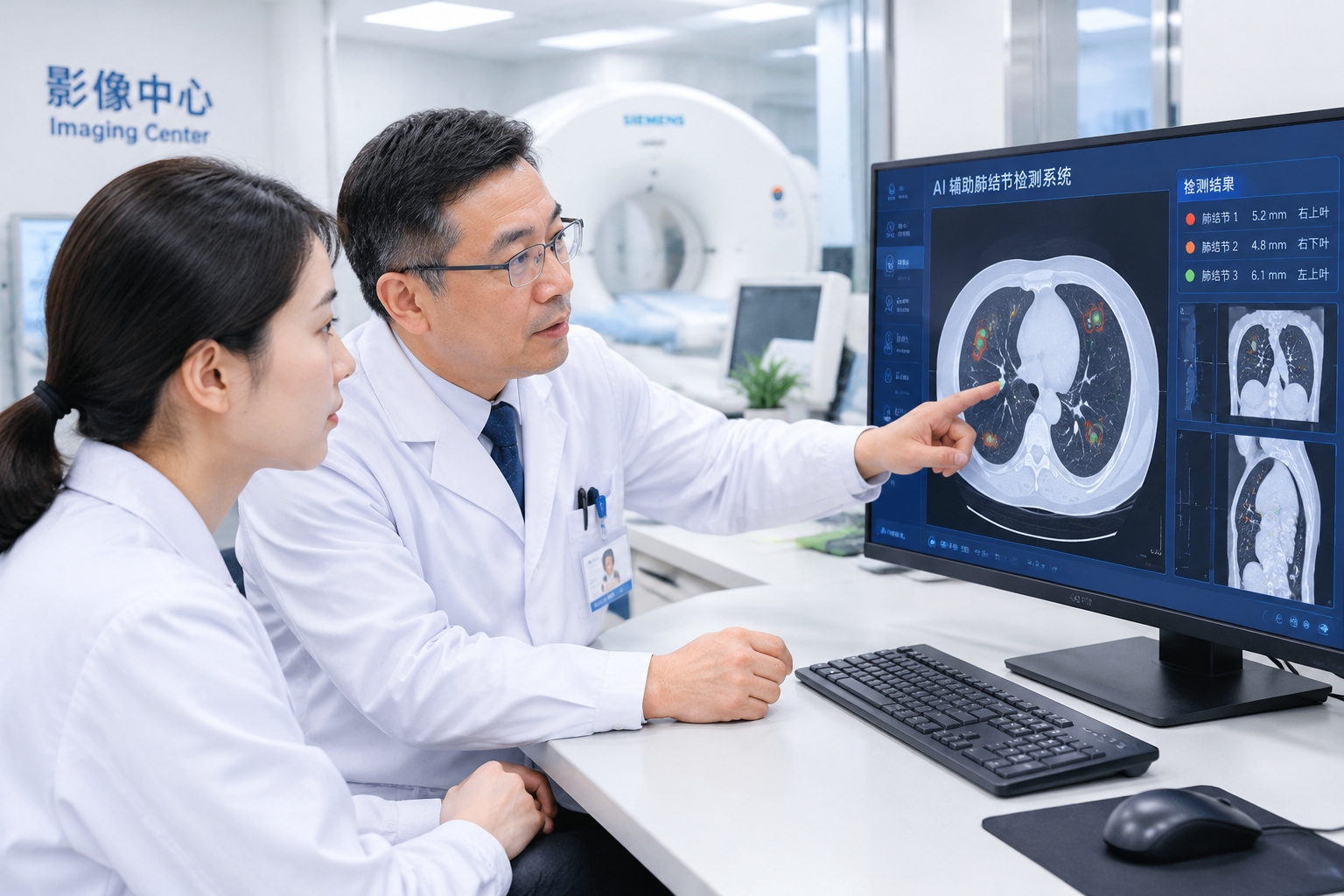
Technology is another quiet hero. Chinese hospitals and health centers are deploying AI systems to analyze CT scans, X-rays, and other medical images. These tools help catch early-stage lung cancer or diabetic eye disease, especially in rural hospitals where specialists are scarce. Remote consultation platforms link village clinics with large city hospitals, letting a farmer in Yunnan receive a specialist opinion within hours.
During the COVID-19 pandemic, these technologies proved their worth—and they have not disappeared since. Now, many older people own smartphones and use health apps to check test results or book appointments, making the healthcare system more efficient than it was even a few years ago. Public digital health records, accessible across provinces, save patients from repeating tests when they move or travel.
Cleaner Air, Cleaner Water
Environmental factors also matter. The battle against air pollution has delivered measurable results: Beijing’s average PM2.5 concentration fell from nearly 90 micrograms per cubic meter in 2013 to around 32 in 2023. Nationally, air quality improved by roughly 40% over the same period. Reduced air pollution directly lowers rates of cardiovascular and respiratory diseases, especially among the elderly.
Still, Not Everyone Feels the Gains
The national average hides significant regional gaps. Life expectancy in Shanghai and Beijing is above 83 years, while in some western provinces, such as Yunnan or Qinghai, it is still below 76. The gap between urban and rural areas has narrowed, but it has not disappeared.
Another concern is healthy life expectancy—the number of years lived without serious disability or illness. In China, that figure is about 68.7 years, more than nine years lower than overall life expectancy. That suggests many people spend their last years coping with chronic pain, frailty, or cognitive decline. Extending lifespan without improving quality of life is a hollow victory.
The aging society itself is a challenge. By 2035, China may have more than 400 million people aged 60 or older, accounting for more than 30% of the population. That puts increasing pressure on pension systems, hospitals, and especially long-term care facilities, which are still underdeveloped.
The Road Ahead
Despite these challenges, China’s public health experts are aiming for an average life expectancy of 80 by 2035. That goal is ambitious but plausible if the country continues to invest in prevention, improves rural healthcare, and builds a robust care-giving sector.
It also requires a broader view of health. Mental health, for example, is increasingly recognized as a pillar of healthy aging. The government has expanded psychological hotlines and set up mental health clinics in many communities. And more attention is being paid to keeping seniors socially connected—through senior universities, volunteer networks, and intergenerational programs.
Back in that Hangzhou park, Li Xin says she doesn’t think much about statistics. “I just want to stay healthy enough to do tai chi and see my grandchildren grow up,” she laughs, before returning to her morning exercises. For her, and for millions like her, the rising number is not just a statistic—it’s the promise of more valuable years.
Start the discussion at forum.chinacomes.com