

A Morning at the Hospital, an Afternoon at the Museum
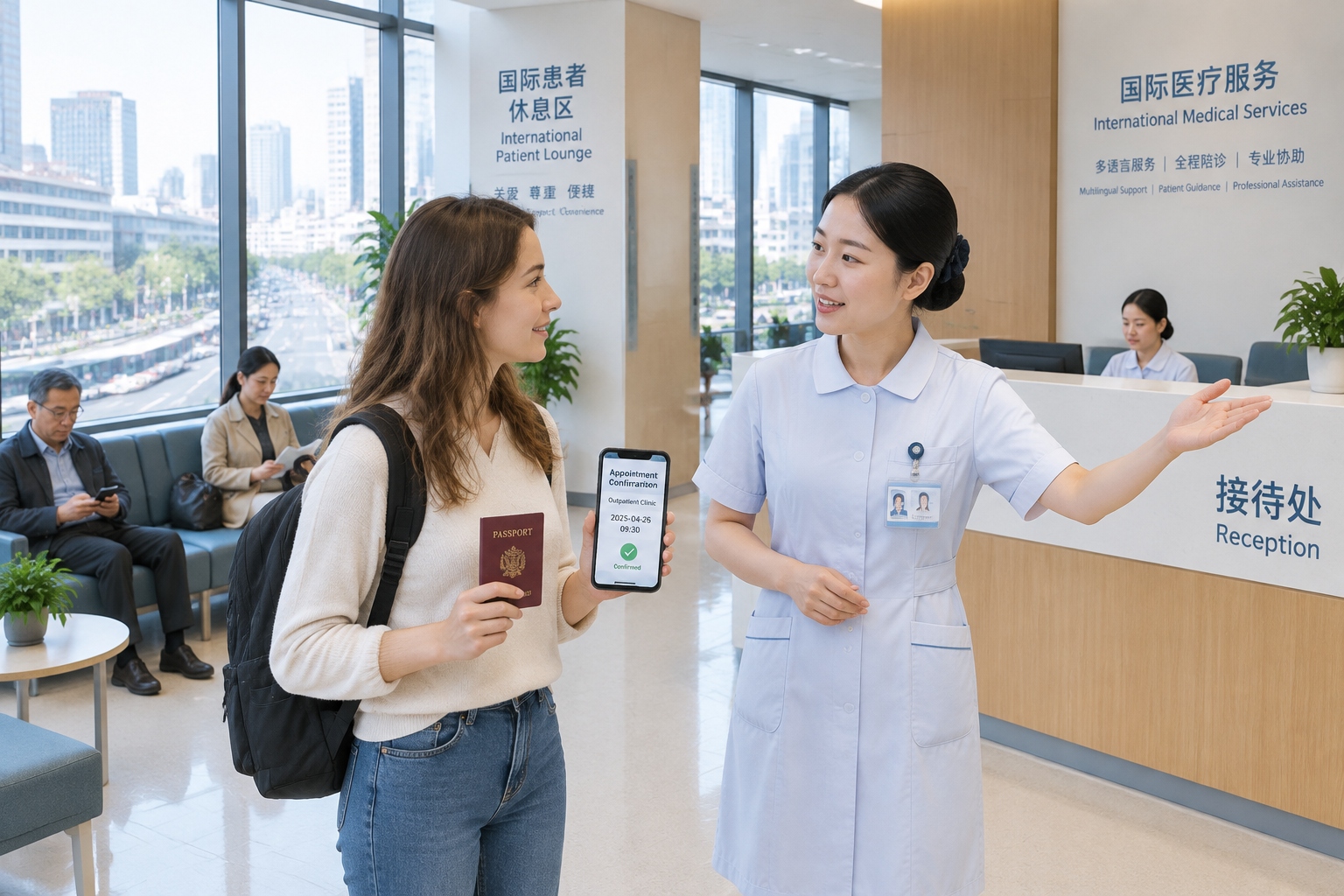
At 7:40 on a Tuesday morning, the international patient lounge of a hospital in central Shanghai is already half full. A traveler in a light rain jacket hands her passport to the receptionist and shows an appointment confirmation on her phone. She has been fasting since 9 p.m. If the schedule holds, she will finish blood tests, an ultrasound and an ECG before 10:30. At 2 p.m., she plans to be at a museum a few metro stops away. Her China trip is not a medical trip. The checkup is one block in a short itinerary.
That small scheduling choice is the subject here. After China widened visa-free and transit visa-free entry, more short-term visitors can move through the country with less paperwork. Some are using that flexibility for something ordinary: a health screening that fits between a family visit, a business meeting and a day of sightseeing. This is not a mass phenomenon, and it is not a reason to skip the fine print. It is a practical corner of cross-border travel that is easier to understand when you look at how a checkup actually works.
The Policy Backdrop: Broader Entry, but Rules Still Matter
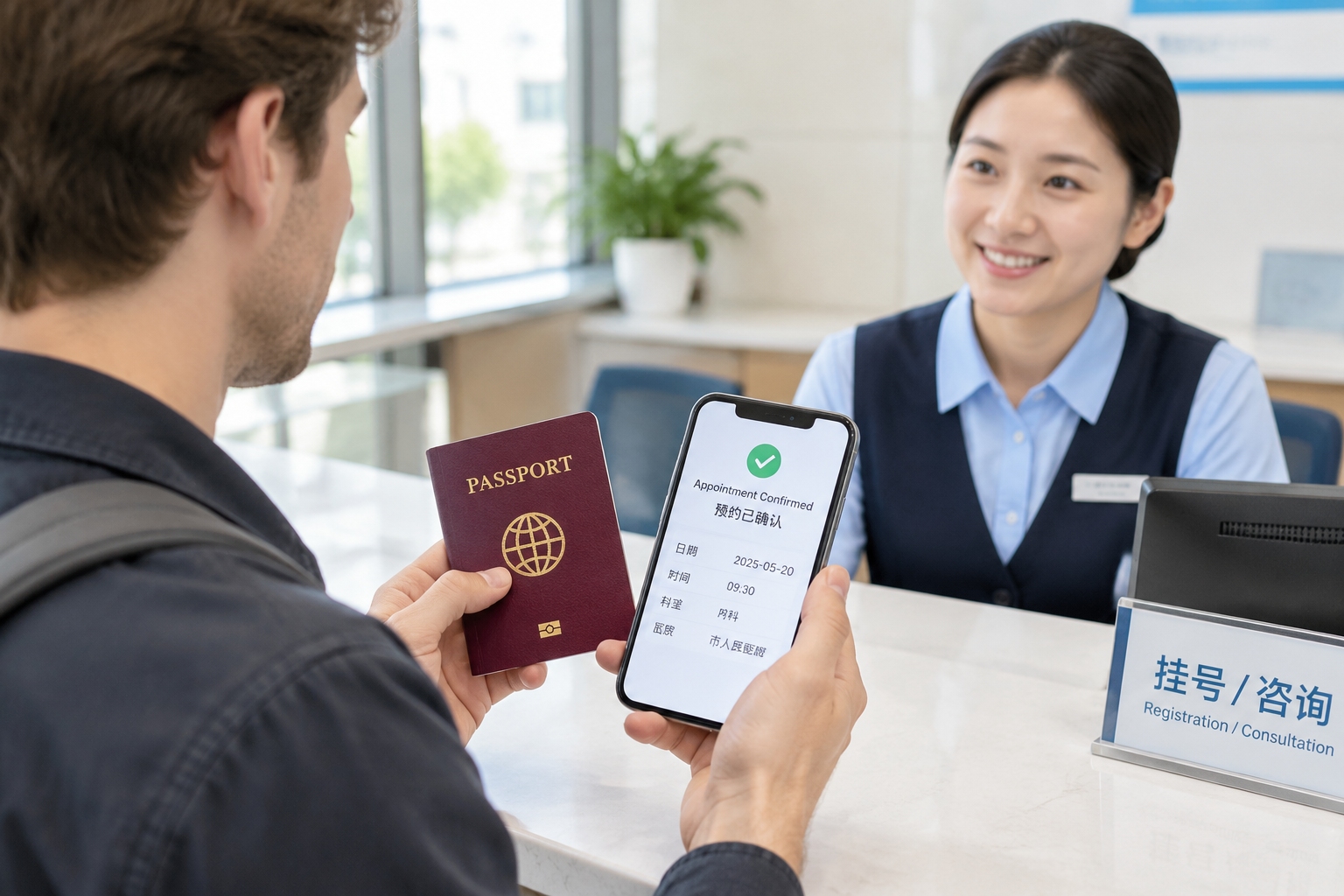
China has expanded unilateral visa-free entry to dozens of countries in recent years and, for many of them, extended the standard stay from 15 to 30 days. Its transit visa-free policy allows eligible travelers to stay up to 240 hours, or 10 days, when entering through designated ports and staying within permitted areas. The details depend on nationality, port of entry, purpose of visit and region. These are not one single visa-free door.
For a traveler, the practical change is simpler: a short trip no longer has to be only sightseeing or meetings. A half-day health check can fit. But policy is not permanent. Check the National Immigration Administration and the nearest Chinese embassy before booking. A clinic appointment is not a visa guarantee, and a medical checkup is not emergency treatment.
Who Actually Books a Checkup?
Most foreign visitors do not. The people who do tend to fall into a few groups. One is the family visitor who comes to see relatives and decides to get blood work and an ultrasound while already in the city. Another is the business traveler with a free morning between meetings. A third is the long-stay resident who wants a baseline check without waiting for a public system back home. Some are older travelers, or people with a family history of a condition, who want tests without a long referral queue. Others compare prices.
A hospital international department in a major city may run basic tests in one morning. A private clinic may offer a quieter, more hotel-like experience. A community health center or traditional Chinese medicine clinic is a different thing: it may be cheaper and closer to neighborhood life, but it rarely offers a full English-language screening package. The choice depends on what the traveler wants: speed, language support, a specific test, or a familiar style of care.
Why China? Speed, Consolidation, and a City Around It
Speed is the most common reason. In many systems, a routine checkup starts with a GP visit and a referral, then a wait. In a Chinese city hospital, a self-paying patient can often book a package directly. Tests are concentrated: blood draw, ultrasound, ECG and other imaging can happen in one building or one campus. Reports may be ready the same day or the next. Big-city international departments usually have English-speaking staff, bilingual forms and help with payment. Hotels, metro and taxis make the logistics easy.
That is the attraction. It is not that every hospital is a luxury clinic, or that a checkup replaces a proper diagnosis. It is that the administrative path is short. A traveler can book, arrive, pay, get tested and leave with a report or a pickup time. The city remains available for the rest of the day.
What a Checkup Looks Like, Step by Step
Booking usually starts on a hospital official website, a WeChat account, a phone line, an email address or a private clinic website. For international departments, email in English often works. Bring the passport used for entry; some hospitals also ask for a local phone number and an address in China. On arrival, go to the international department or reception desk, not the general outpatient crowd.
Then comes the package. A basic screening may include a blood count, liver and kidney function, lipids, blood glucose, a urine test, an ultrasound and an ECG. Add-ons may include thyroid function, tumor markers, a chest CT or gastroscopy. Fasting blood draws are usually in the morning. Payment is a practical hurdle: WeChat Pay or Alipay linked to a foreign card is common, cash and local bank cards also work, and international credit cards are accepted in some places but not all. Reports may be picked up on paper, sent by email or posted to a patient portal. English translation may cost extra and take another day. If something is abnormal, the hospital may suggest a specialist appointment.
The Real Experience: Convenience, Friction, and the Language Gap
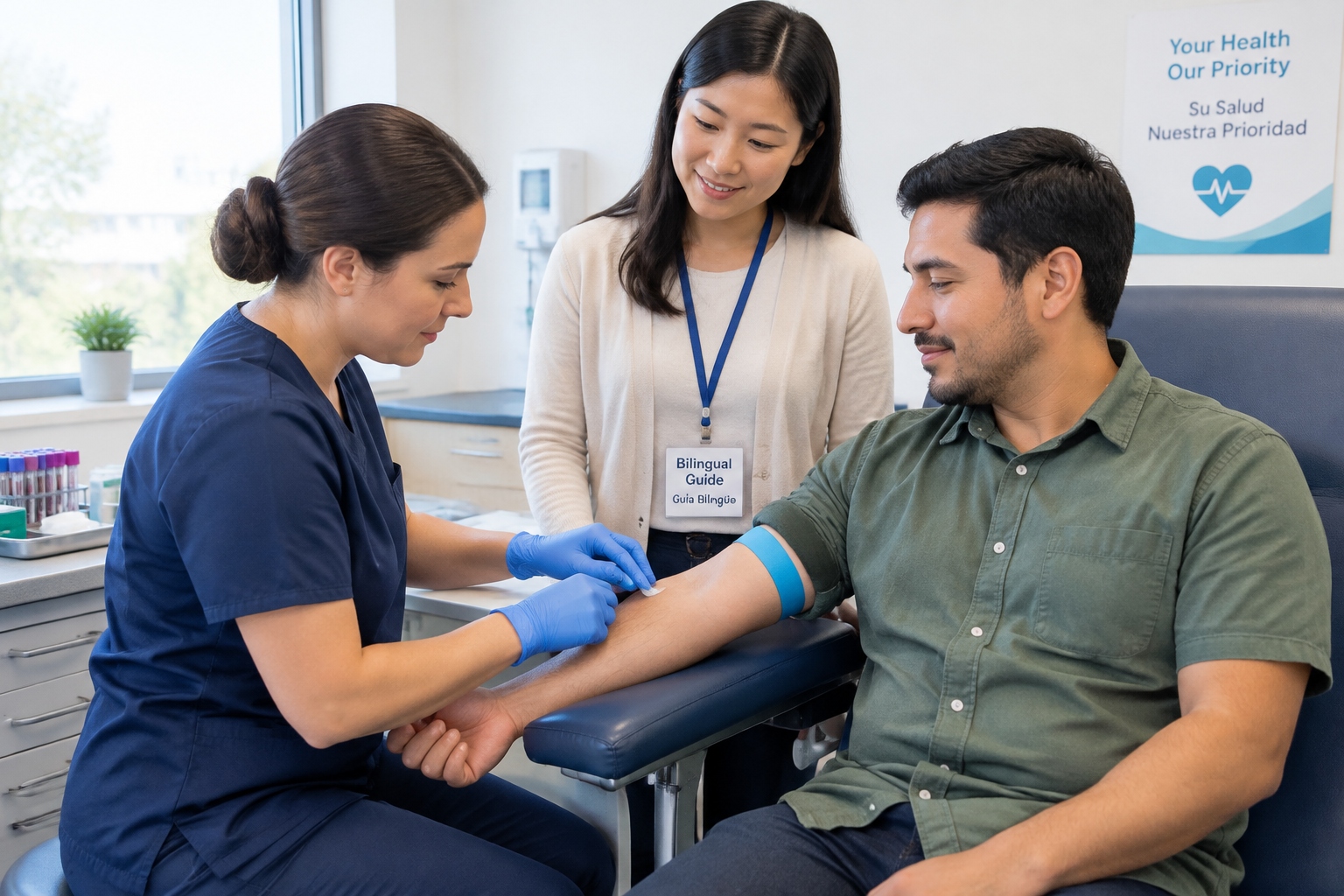
The experience is not frictionless. Signage in international areas is often bilingual; in corridors and labs, less so. A doctor may speak English, but the nurse at the blood draw may not. Translation apps help, but medical terms can trip them. Queues are real, especially for ultrasound and popular imaging. Payment can be the biggest surprise: a traveler who has not set up Alipay or WeChat Pay may find a card terminal that does not take a foreign card. Cash is still legal tender, but some hospital windows are not used to it.
Reports may be in Chinese, and reference ranges may differ from what a patient knows at home. Privacy is another layer: passports are checked, records are filed under a Chinese name or passport number, and sharing records with a doctor abroad may require translation and a signed request. The overall feeling is less like a seamless medical-tourism product and more like using a large public service in a foreign language: efficient in parts, confusing in others, and easier if someone explains the steps.
Cost, Insurance, and the Limits of Medical Tourism
Costs vary widely. A basic self-pay package in a public hospital may be several hundred yuan. An international department or private clinic can be several thousand. Advanced imaging or endoscopy pushes it higher. City matters. So does the package. Overseas travel insurance may cover emergency treatment but often excludes routine screening. Direct billing is rare. Most patients pay first and claim later, and reimbursement depends on the policy.
Ask before booking: Does the insurer require pre-authorization? Are checkups excluded? Will it accept a Chinese hospital invoice and an English summary? For medical records, ask for a translated summary, not just raw numbers. Keep copies. If a test finds something that needs follow-up, a 10-day visa-free stay may not be enough; that is a planning issue, not a medical one. Be wary of middlemen who promise guaranteed access to top experts or same-day results. Hospitals publish their own contact channels. A checkup is a screening tool, not a full medical opinion, and it should not be sold as a tourist package with miracle language.
How City Services Are Adjusting
Some city services are adjusting. International departments in Beijing, Shanghai, Guangzhou, Shenzhen and Chengdu have become more used to foreign patients. Hotels near hospital districts sometimes help print appointments. Travel agencies may add a health-check morning to a business trip. Bilingual volunteers appear at some large hospitals. But the service is uneven. A private clinic may feel like a hotel; a public hospital may feel like a busy public hospital. A community TCM clinic may offer acupuncture and herbal consultation at a low price, but not a comprehensive Western screening, and English support may be thin. The gap is part of the picture.
A Small Window into Everyday China
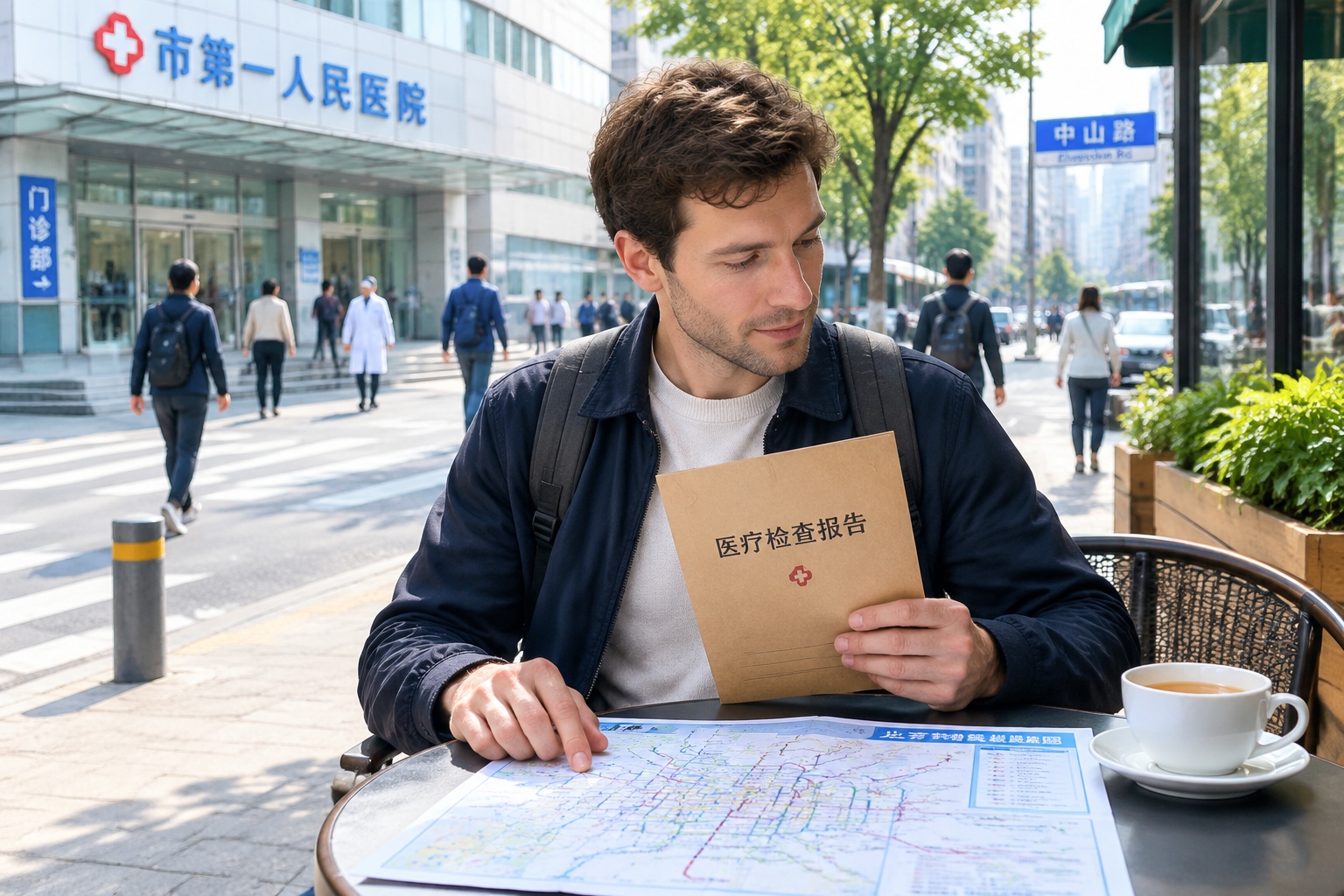
A health checkup is a small slice of visa-free travel. It does not represent a national trend, and it is not a reason to ignore the rules. It is a practical choice some travelers make because the logistics fit: book ahead, bring a passport, fast for a morning, pay, get a report, and still see the city in the afternoon. For a foreign visitor, that half-day reveals something ordinary about China: appointment systems, hospital design, payment apps, translation, and the way a large city absorbs a stranger for a few hours. The checkup is not the headline of the trip. It is a useful way to see how the trip actually works.
Start the discussion at forum.chinacomes.com