
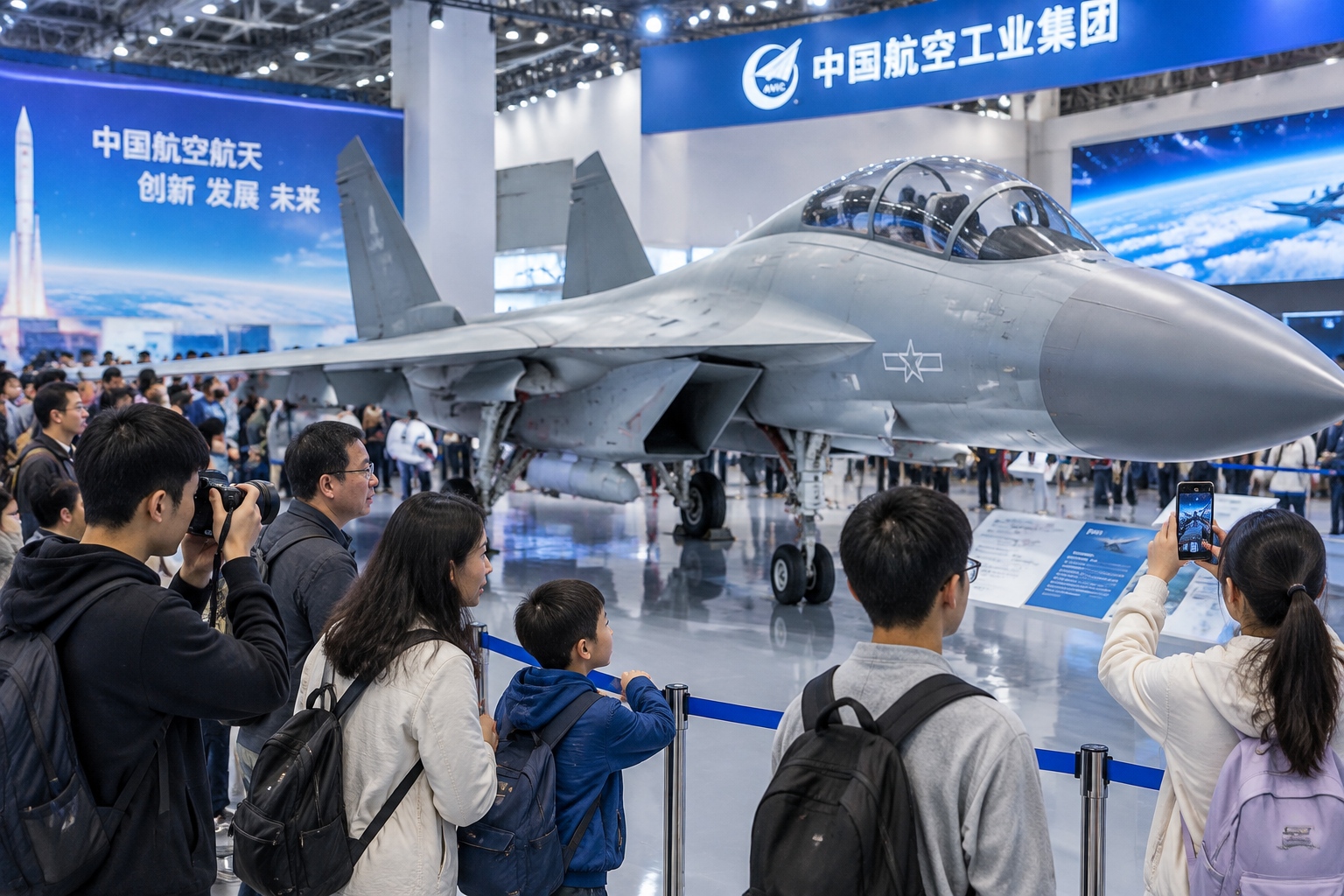

Two cockpits, one obvious question
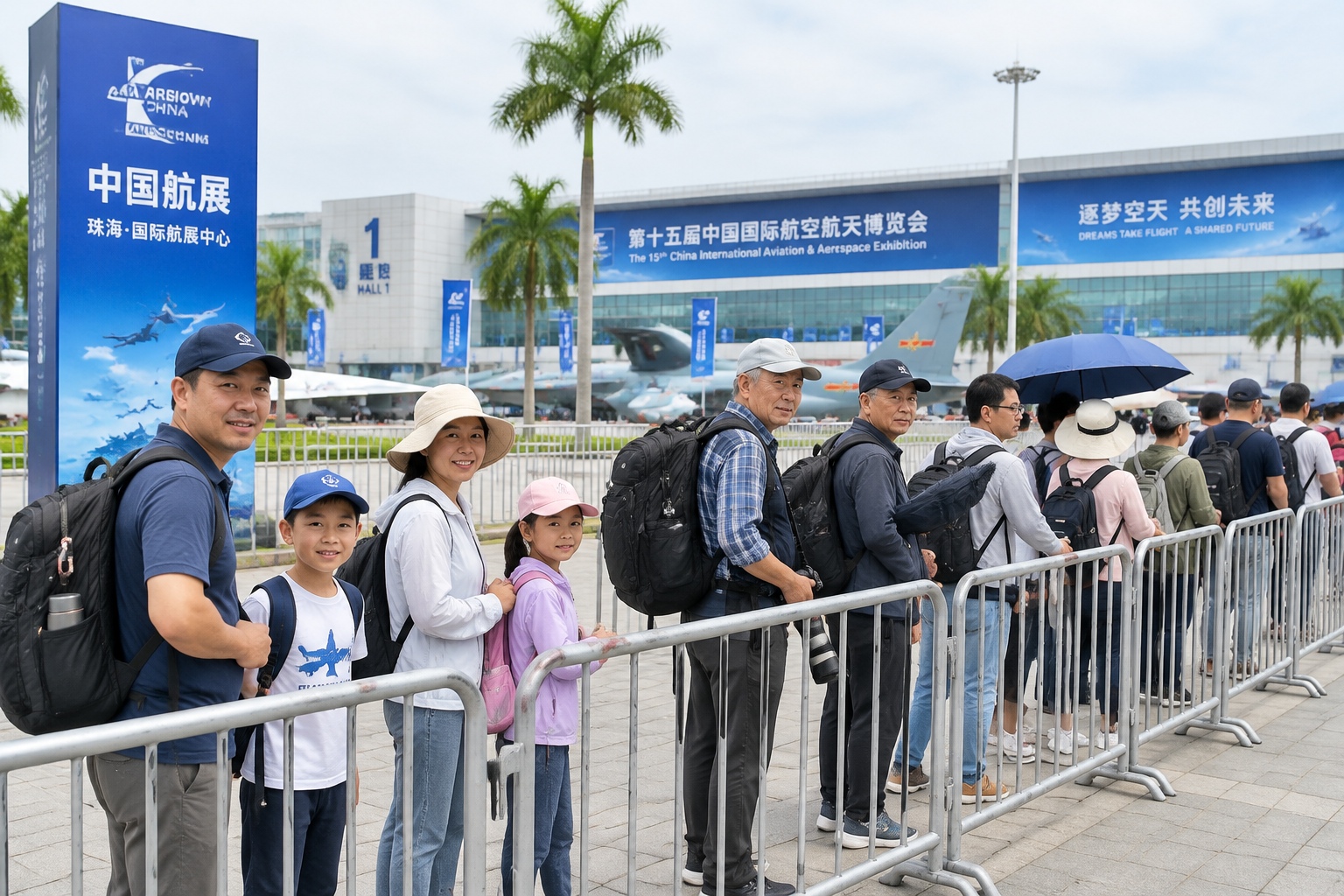
Airshow China runs every two years in Zhuhai, a city on the Pearl River estuary about an hour by road and bridge from Hong Kong. It is part trade fair, part public festival. On the 2024 public days, families pushing strollers and retired men carrying long lenses queued in humid November heat to get into the exhibition halls.
Inside the AVIC stand — AVIC is the state-owned Aviation Industry Corporation of China, the parent of the design bureaus that build most of the country’s military aircraft — visitors shuffled past a grey fighter with two cockpits, one behind the other. The label read J-20S.
The question on a lot of faces was the obvious one. Stealth aircraft are shaped, coated and polished to look as small on radar as possible. Every extra canopy, every seam, every kilogram works against that. So why would a stealth fighter carry a second crew member?
The short answer is workload. The longer answer says something about where air forces think air combat is heading.
Why a stealth fighter would add a second seat
A second cockpit is not free. It lengthens the forward fuselage, adds a canopy that has to be shaped and treated to keep radar returns down, adds life support and takes volume that could otherwise hold fuel or electronics. Designers accept that cost only when the second person is expected to do something the first one cannot do alone.
That something has changed. A modern combat aircraft carries an active electronically scanned array radar, infrared search-and-track sensors, electronic warfare suites, datalinks and a mixed load of air-to-air and air-to-ground weapons. The pilot flies, manages sensors, talks to controllers and other aircraft, and makes weapons decisions, sometimes within seconds.
Air forces solved this before with two-seat strike aircraft: the F-15E Strike Eagle, the EA-18G Growler, Russia’s Su-30 family, France’s Rafale B. In those aircraft the back-seater is a weapons systems officer or an electronic warfare officer, not a trainee.
What is new is that fifth-generation stealth fighters — the F-22, the F-35 — were designed around a single seat. The bet was that sensor fusion and automation would shrink the workload enough for one person. The J-20S suggests Chengdu’s designers reached a different conclusion, at least for part of the fleet.
What “manned-unmanned teaming” actually means
The phrase Chinese official descriptions attach to the J-20S is 有人/无人机协同作战 — manned/unmanned cooperative combat. It is easy to misread as a pilot steering a drone with a remote control. That is not the concept, and it is not how modern military drones work.
Teaming sits on a spectrum. At one end, an uncrewed aircraft flies a pre-programmed route. At the other, a crewed aircraft and several uncrewed ones share a picture of the battlefield, and the human assigns tasks — look at that radar, jam that frequency, hold that corridor — while the machines handle flying, navigation and much of the decision-making inside their assigned job.
The hard problems are not in the joystick. They are bandwidth and latency: a datalink that must survive jamming and still carry enough information. They are also rules of engagement: who is allowed to fire, and who answers for it when something goes wrong.
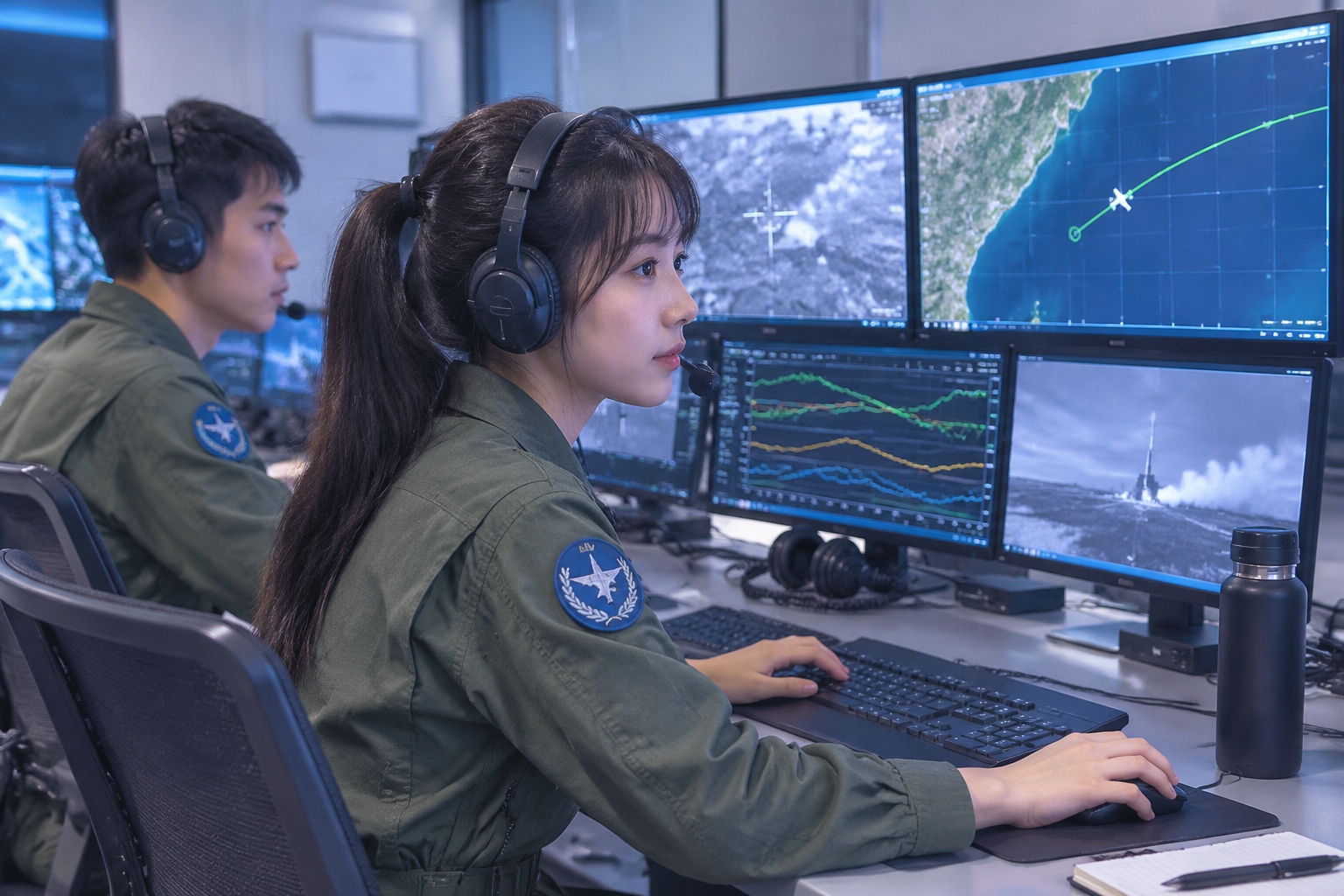
This is why the second seat keeps returning to the conversation. Supervising two, three or four uncrewed aircraft while also flying a fighter and managing its sensors is a great deal to ask of one person. A dedicated operator in the back — a mission commander rather than a co-pilot — is one answer, and far cheaper than building a separate control aircraft.
Others are circling the same problem from different directions. Australia’s Boeing MQ-28 Ghost Bat and America’s Kratos XQ-58 Valkyrie are uncrewed aircraft designed from the outset to fly alongside crewed fighters. The US Air Force’s Collaborative Combat Aircraft programme aims to buy them in large numbers. China has displayed its own flying-wing stealth drone, the GJ-11, at earlier Zhuhai shows. What remains unsettled everywhere is how much autonomy to grant, and how to keep a human in the loop without making that human the bottleneck.
What is actually confirmed about the J-20S
It helps to separate what has been shown from what has been inferred.
Confirmed: the J-20S exists as a twin-seat variant of the J-20, built by Chengdu Aircraft Corporation under AVIC. It was shown publicly for the first time at Airshow China in November 2024, as a ground display rather than as part of the flying programme. Chinese state media described it as the first twin-seat stealth fighter publicly unveiled anywhere.
Confirmed: AVIC’s own description calls it a new-generation, medium-to-long-range, heavy, twin-seat, multirole stealth fighter, and credits it with air-superiority performance, precision strikes against land and sea targets, strong situational awareness, electronic jamming, tactical command and control, and manned/unmanned cooperative combat.
Not confirmed: how many uncrewed aircraft it is meant to work with, what datalink it uses, whether the back-seater’s main job is drones or electronic warfare or strike coordination or all three, which engine it carries, how far flight testing has progressed, when or whether it enters service, and what it costs.
Aviation watchers have circulated photographs since late 2021 that appear to show a twin-seat J-20 in flight, which would put development well ahead of the 2024 unveiling. Treat those carefully. A photo of a prototype proves an aircraft flew; it does not prove the capability works.
One seat or two: two different bets
A single-seat design optimises the aircraft. Less weight, more fuel, a smaller radar signature, a simpler and cheaper training pipeline, fewer people exposed on a long mission.
A two-seat design optimises the mission. It accepts a heavier, more expensive airframe in exchange for a second trained brain that can run electronic attack, coordinate a strike package, or supervise uncrewed aircraft while the pilot concentrates on flying and surviving.
Most air forces end up with a mix rather than a verdict, because the right answer depends on the mission. The interesting thing about the J-20S is that it is the first time anyone has put that argument onto a stealth airframe in public.
Why this particular airframe draws attention
First, it is unusual. Every stealth fighter fielded so far — the F-22, the F-35, the Su-57, the J-20 itself — is single-seat. A twin-seat stealth fighter is a design choice almost nobody else has made, and making it work costs real performance.
Second, it is a statement about sequencing. Fully autonomous combat aircraft are not ready to be trusted with complex missions. Putting a human mission commander in the back now, and upgrading the software later, is a hedge: it buys capability today without betting everything on autonomy arriving on schedule.
Third, it shows a family rather than a one-off. The J-20 line has moved through several engine and avionics configurations since it entered service in the late 2010s. A twin-seat variant implies the airframe still has room to grow — and that the production line, not just the design bureau, is mature enough to support it.
The industry behind the display case
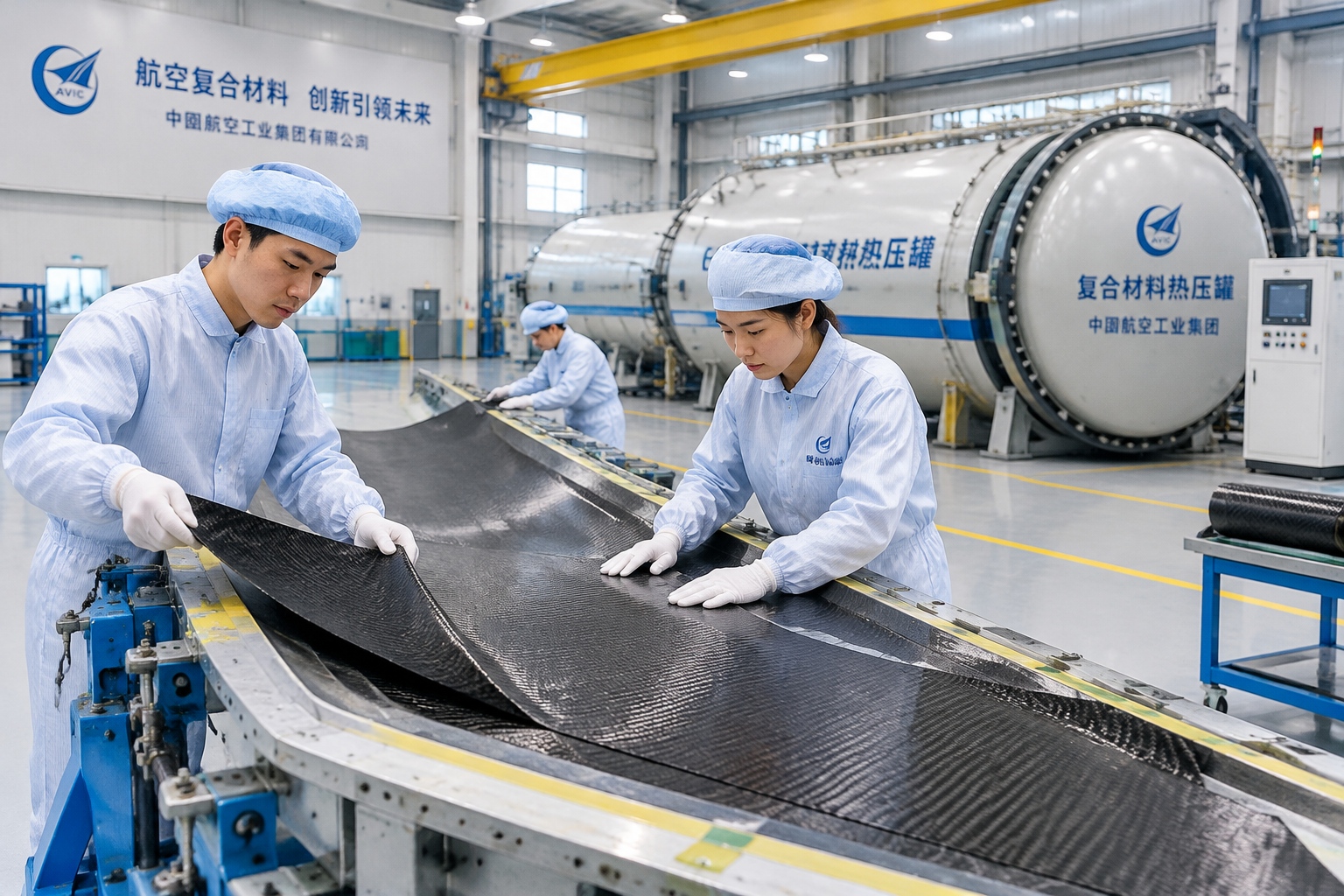
Look past the aircraft and the hall itself is informative. A modern fighter programme pulls in hundreds of suppliers: carbon-fibre composites, titanium machining, fasteners, cockpit displays, mission software, simulation and test rigs. In China a growing share of those suppliers are private companies rather than state factories, working to military specifications on the same industrial base that builds airliners, electric cars and consumer drones.
The public side matters too. An airshow that draws hundreds of thousands of visitors over a week, most of them not specialists, is a relatively recent phenomenon in China. Zhuhai has become a family outing: parents explaining radar to children, teenagers filming takeoffs on phones, souvenir stalls selling model kits. Familiarity with aerospace, once confined to specialists, now sits in the ordinary weekend.
What to watch next, and what to leave open
The signals worth following are dull ones. Flight-test progress and the number of prototypes. Engine configuration. Whether the twin-seat aircraft appears at a front-line unit. Whether AVIC ever shows the back seat doing the job it was built for, rather than describing it in a brochure.
Until then, the honest summary is that the J-20S is a design argument made visible. It says the near-term future of air combat is not a choice between people and machines, but a division of labour between them — and that someone has to sit in the back and manage it.
At Zhuhai, the crowd moved on from the twin-seat fighter to the next display, phones raised. A design argument can look, from three metres away, like just another grey aeroplane. What it changes is who does what, and how many aircraft answer to one crew.
Start the discussion at forum.chinacomes.com