

Four in the afternoon, Shuyang County, Jiangsu
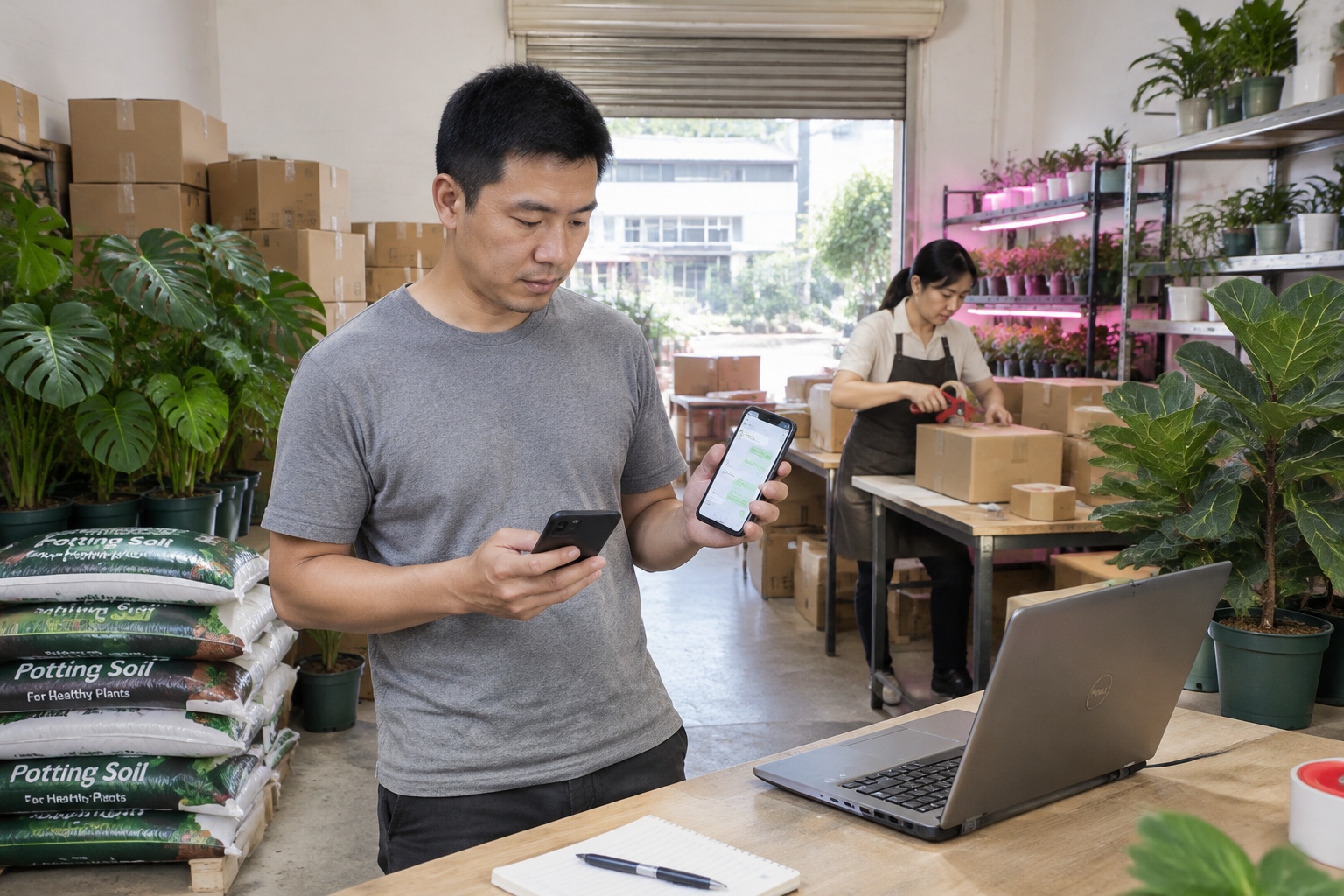
Wang Lei’s warehouse is about 300 square metres of cardboard, potting soil and pinkish grow lights. At four in the afternoon he is standing in the middle of it, holding two phones.
The one in his left hand has 47 unread customer messages. The one propped against a box of fertiliser is replaying last night’s livestream on mute, so he can see where viewers dropped off. On the laptop behind him, a text box is waiting.
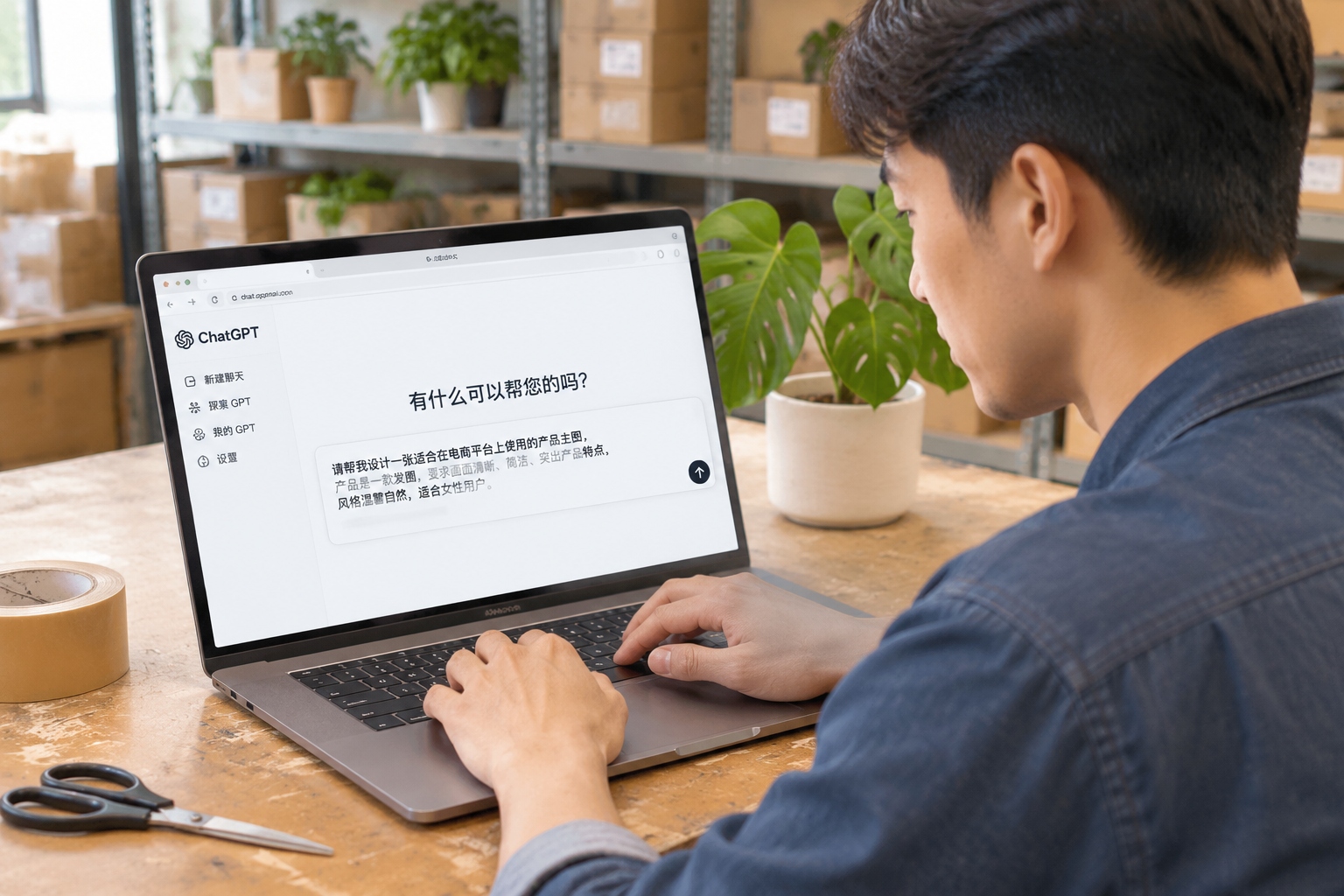
He types: “You are a shop owner selling indoor plants. Give me 20 product titles for a 15cm monstera. Buyers are beginners. It is hard to kill. Free shipping.” Then he hits enter and goes back to the messages.
Wang is 34. His shop sells potted plants and seedlings — monstera, fiddle-leaf fig, garden roses — out of Shuyang, a county of nearly two million people in northern Jiangsu that has been a nursery-stock hub for decades. If you imagine AI in China as something happening in Shanghai office towers and Shenzhen labs, this is the part that rarely makes the picture. In Shuyang, the model is being used to sell a 19.9-yuan potted plant.
Why county shops reached for AI early
There was no procurement process, no IT department, no pilot programme. Wang opened a web page on his phone, signed up with his mobile number and started typing.
Cost matters more than novelty here. The Chinese model he uses has a free tier, and the paid version costs him 69 yuan a month — roughly the price of two takeaway lunches in the county. He does not pay per word or worry about tokens.
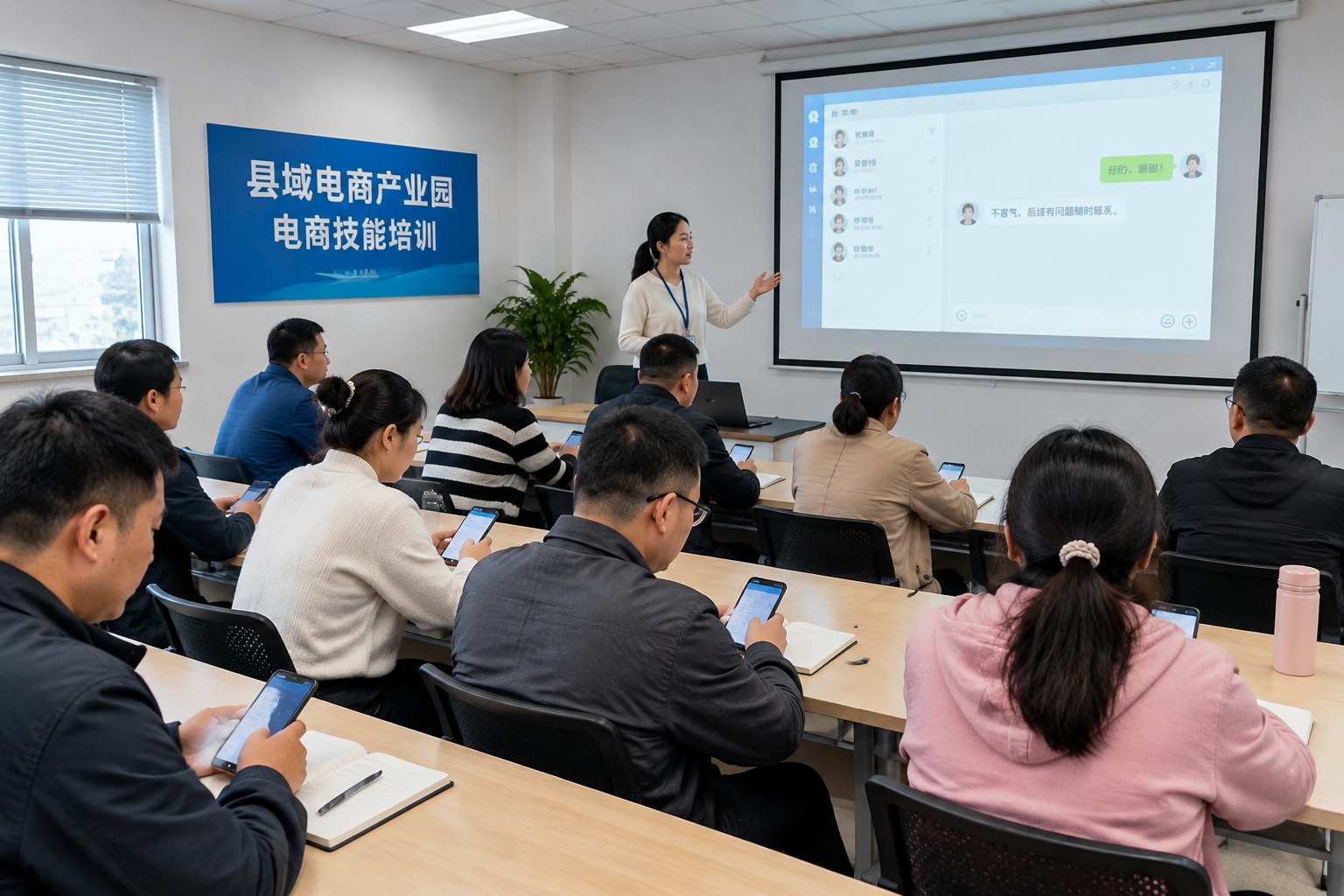
The other reason is people. Shuyang’s e-commerce industrial park runs evening classes for local sellers, four sessions for around 200 yuan, and the trainer is usually someone who runs a shop himself. Wang’s team is six people: him, his wife, two packers, one customer-service staffer and a cousin who streams two nights a week. In a WeChat group of about 80 plant sellers, screenshots of prompts get passed around the way recipes used to.
The first job: thirty characters that decide whether anyone clicks
On Taobao, a product title is capped at 30 Chinese characters. Thirty characters to say what the plant is, how big it is, who it suits and why it is worth 19.9 yuan. Sellers call the result “keyword stuffing”, and most listings read like a bag of loose words: indoor green plant, purifies air, easy care, four-season evergreen, living room, large pot, free shipping.
Wang used to build those strings by hand at midnight, scrolling competitors’ listings and copying whatever looked busy. Now he asks for 20 versions and keeps five or six. The model is good at spreading vocabulary — it will suggest “office desk”, “north-facing room”, “first-time plant owner” — angles he would not have thought of at 1 a.m.
He also checks the numbers. Taobao’s merchant analytics tool shows him click-through and conversion for each listing. On a batch of monsteras he changed in March, he says click-through moved from around 2% to just over 3%. He is quick to add that the photos changed that week too, so he does not credit the titles alone.
Where the model embarrasses him
The first drafts are full of “premium”, “ultimate” and “lowest price on the internet”. Under China’s advertising law, superlatives like “best” and “number one” are prohibited in commercial copy, and platform reviewers will pull a listing for it. Wang deletes them by hand, every time.
The model also does not know that his plants ship in a 15cm pot, not a 30cm one. “It writes like the plant is a metre tall,” he says. “Then the customer gets a box the size of a shoebox and asks for a refund.”

The second job: 200 messages before noon
Live plants are an awkward thing to sell online. They arrive dead, or half-dead, or with two yellow leaves. Wang spent one evening typing his shop’s rules into a document: orders ship Monday to Wednesday so plants do not sit in a depot over the weekend; if a plant arrives dead, send a photo and he reships; returns are accepted within seven days but the buyer pays postage unless it is his fault.
He fed that document to the model and asked for 30 reply templates. His customer-service staff now paste them, edit a line and send.
What surprised him was where he had to draw the line. Anything containing the words “dead”, “refund” or “bad review” goes to a human, immediately. So does any message from a repeat customer. “Old customers can smell a bot in one sentence,” he says. “They’ll say, where’s the young man who helped me last time?”
He also banned the model from starting replies with qin — the sticky-sweet “dear” of Chinese e-commerce — more than once per conversation. It defaulted to it every time, and it made the shop sound like everyone else.
The third job: a livestream script that doesn’t sound like a press release
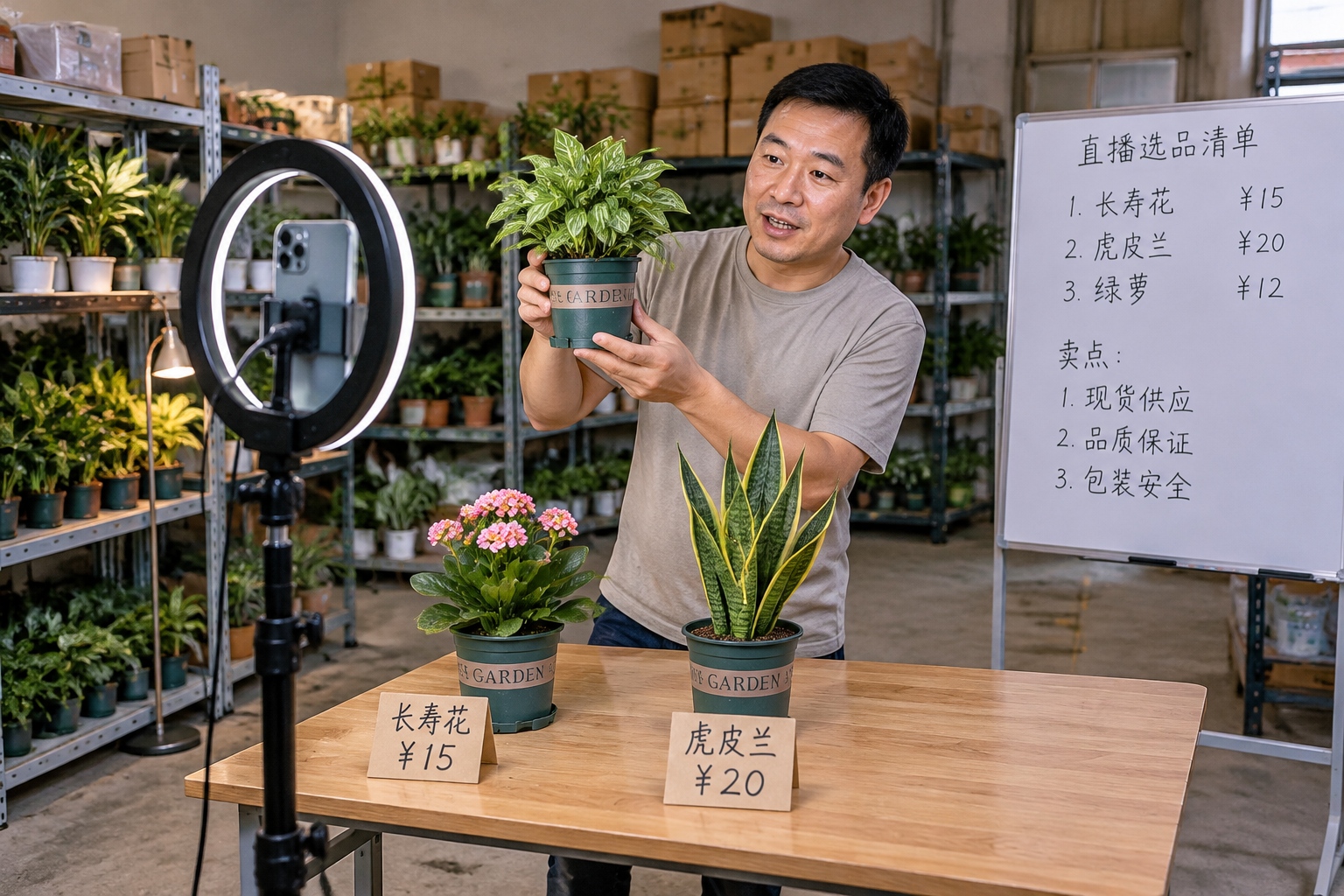
Wang streams three nights a week for about two hours, mostly to 40 or 50 viewers at a time. The first 30 seconds decide whether anyone stays, so the script starts with a hook: “This fiddle-leaf fig has been on my windowsill for two years. I have watered it with tap water. That’s it.”
He asks the model to order the selling points, draft the Q&A, and write the closing push. Then he rewrites it in his own words, in his own accent, and takes out anything that sounds like a television advert. Platforms in China now restrict looped pre-recorded streams and police exaggerated claims; a shop that promises “guaranteed to bloom in seven days” can be reported and penalised.
The arithmetic
His monthly spend on AI tools is under 100 yuan. The evening classes cost him four nights and 200 yuan. Building the customer-service document took about two hours.
What he gets back: roughly two hours a day of customer-service typing, and about an hour of title-writing. A part-time customer-service worker in the county earns 3,500 to 4,000 yuan a month, so those hours are not abstract.
What the tools do not touch: packing, photographing plants, negotiating with couriers, and the 5% of orders that come back. Nor does it help with the thing that actually sells a plant — a photo where the leaves look healthy.
What it does not fix
There is a version of this story where AI lifts every small shop at once. Wang’s own class suggests something messier. Of roughly 20 people who sat through the four evenings, he estimates that six or seven were still using the tools a month later. The shopkeeper next door, who is in his fifties and sells garden tools, tried it once, found the replies “too smooth”, and went back to typing with one finger.
Homogenisation is real. If 300 shops in the same county use the same model with the same prompt, the titles converge. Wang’s defence is crude: he keeps a list of his own phrases — the ones customers write back about — and pastes them in as instructions.
Privacy is the other line. The trainer’s rule was simple: never paste a phone number, an address or a customer’s name into a model. He follows it, partly because he does not fully know where the text goes.
What is actually shifting
Nobody in that warehouse talks about being replaced. What changed is the shape of the day. The hours Wang used to spend typing have moved to the two things a model cannot do: talking to the customer who is angry about a broken stem, and standing in the greenhouse choosing which plants to photograph tomorrow.
That is a smaller claim than “AI transforms small business”, and a more useful one. The tool is cheap, it is genuinely helpful on the boring 60%, and it is wrong often enough that a person still has to sit with it. The learning cost is unevenly spread — a 34-year-old with a smartphone absorbs it in an evening, a 55-year-old with a shop full of rakes does not.
Twenty to midnight
The livestream ends at 11:40. Forty-three orders, which is an ordinary Thursday. He unplugs the ring light, sits down on a stack of flattened boxes and opens his laptop, because a new batch of monsteras arrives tomorrow and the listings need titles by morning.
The model hands him 20 lines. He reads them on a phone with 8% battery left and deletes the word “premium” from the first one. “We sell this for 19.9,” he says, half to himself. “Premium what?”

Start the discussion at forum.chinacomes.com