
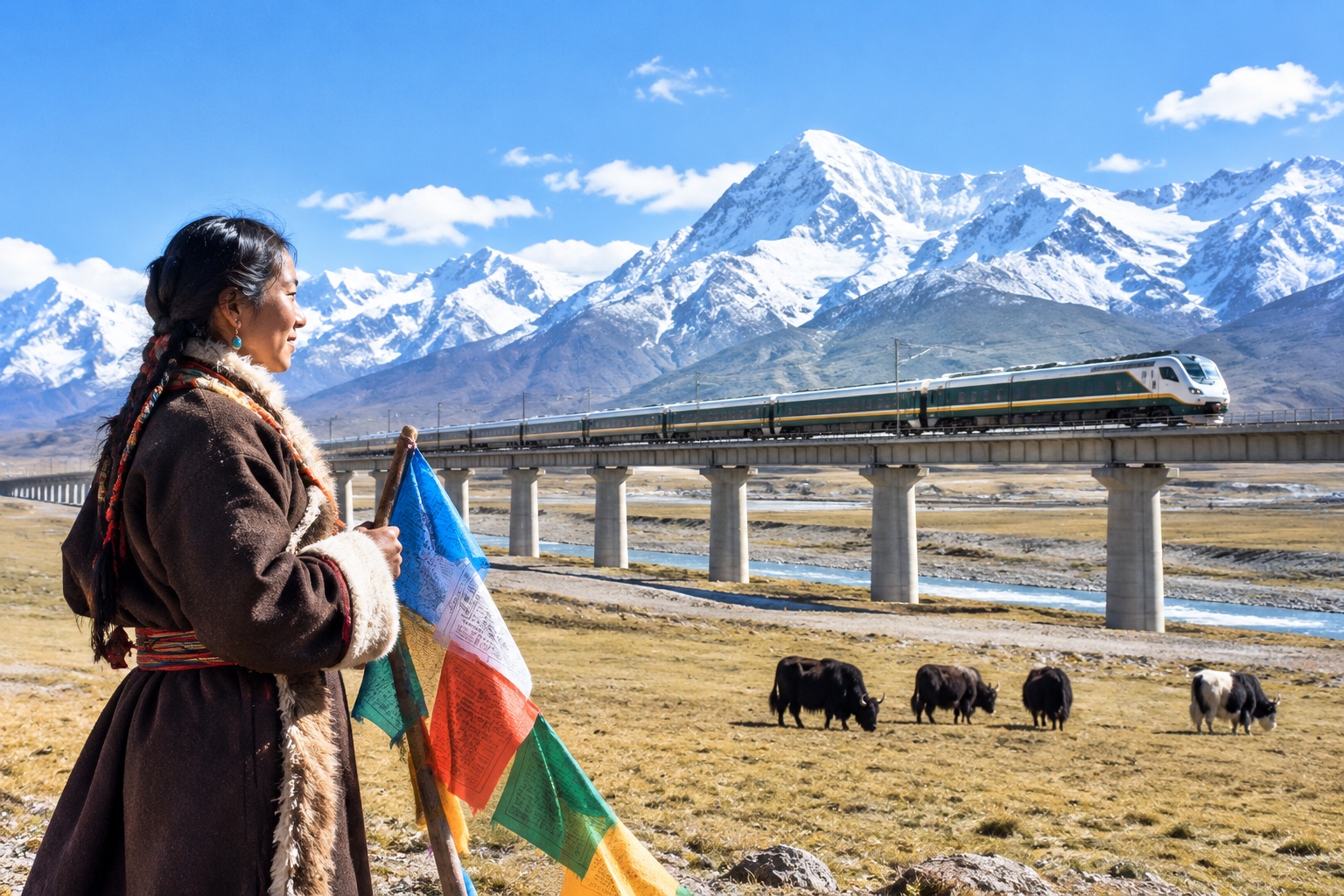

Introduction: A Journey That Once Took Days Now Takes Hours
For Dorjee, a 34-year-old Tibetan herder from Nyingchi, the railway didn’t just shorten the distance to Chengdu—it changed his concept of possibility. Before the Sichuan-Tibet Railway (a section of which opened to passengers in 2021 from Chengdu to Nyingchi, with the full line to Lhasa expected around 2030), a trip to the provincial capital meant a grueling two-day drive over mountain passes that often closed in winter. Now, the Lhasa–Nyingchi railway (part of the broader project) lets him board a clean, modern train in Nyingchi and arrive in Lhasa in about 3.5 hours—a journey that used to take half a day by car. The full Sichuan-Tibet line, once completed, will cut the travel time between Chengdu and Lhasa from over 48 hours by road to just 13 hours by train.
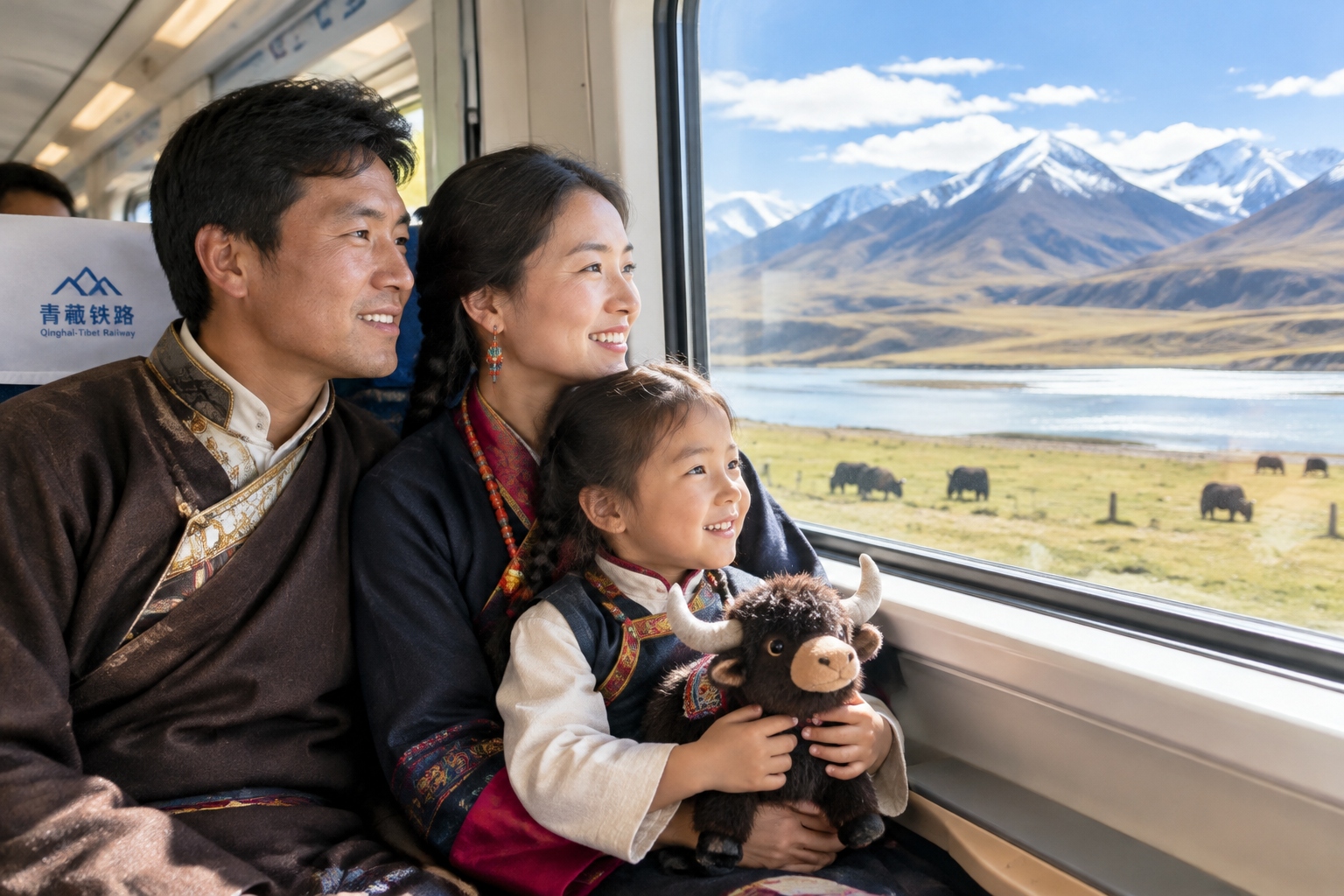
The ‘Crazy’ Engineering Behind It
The Sichuan-Tibet Railway is often called the world’s most difficult railway project. Stretching over 1,800 kilometers (1,118 miles) from Chengdu in Sichuan province to Lhasa in Tibet, it climbs from an altitude of 500 meters to over 4,000 meters, crossing 14 rivers and 21 mountains, including the snow-covered Nyainqentanglha range. Engineers battle permafrost, seismic faults, and oxygen levels so low that workers need supplemental oxygen. The section from Nyingchi to Lhasa, already in operation, includes the 13.5-kilometer (8.4-mile) Sedong tunnel, the longest high-altitude tunnel in China. It took nearly four years to dig through fractured rock and ice, with temperatures dropping to -30°C. This is not just infrastructure; it’s a human triumph over extreme geography.
According to China Railway, the total investment is estimated at over 300 billion yuan (about $42 billion). But for the people living along the route, the payoff is already visible.
How the Railway Is Changing Daily Life
1. Travel and Tourism: From Remote to Reachable
Before the railway, visiting Lhasa for a Tibetan family living in a remote village like Medog meant days of hiking or expensive jeep rides. Now, the Lhasa–Nyingchi railway has boosted tourism. In the summer of 2023, Lhasa’s hotels reported a 30% increase in bookings compared to pre-railway years, many from Chinese tourists who now find it easier to explore the plateau. But local Tibetans are also traveling—young students from Xigaze can take a day trip to Lhasa to visit the Potala Palace, something their parents could only dream of at their age. Side effect: small businesses near stations, like guesthouses and restaurants, have sprung up. In Bayi town, a local restaurant owner named Tashi says his income doubled after the station opened.
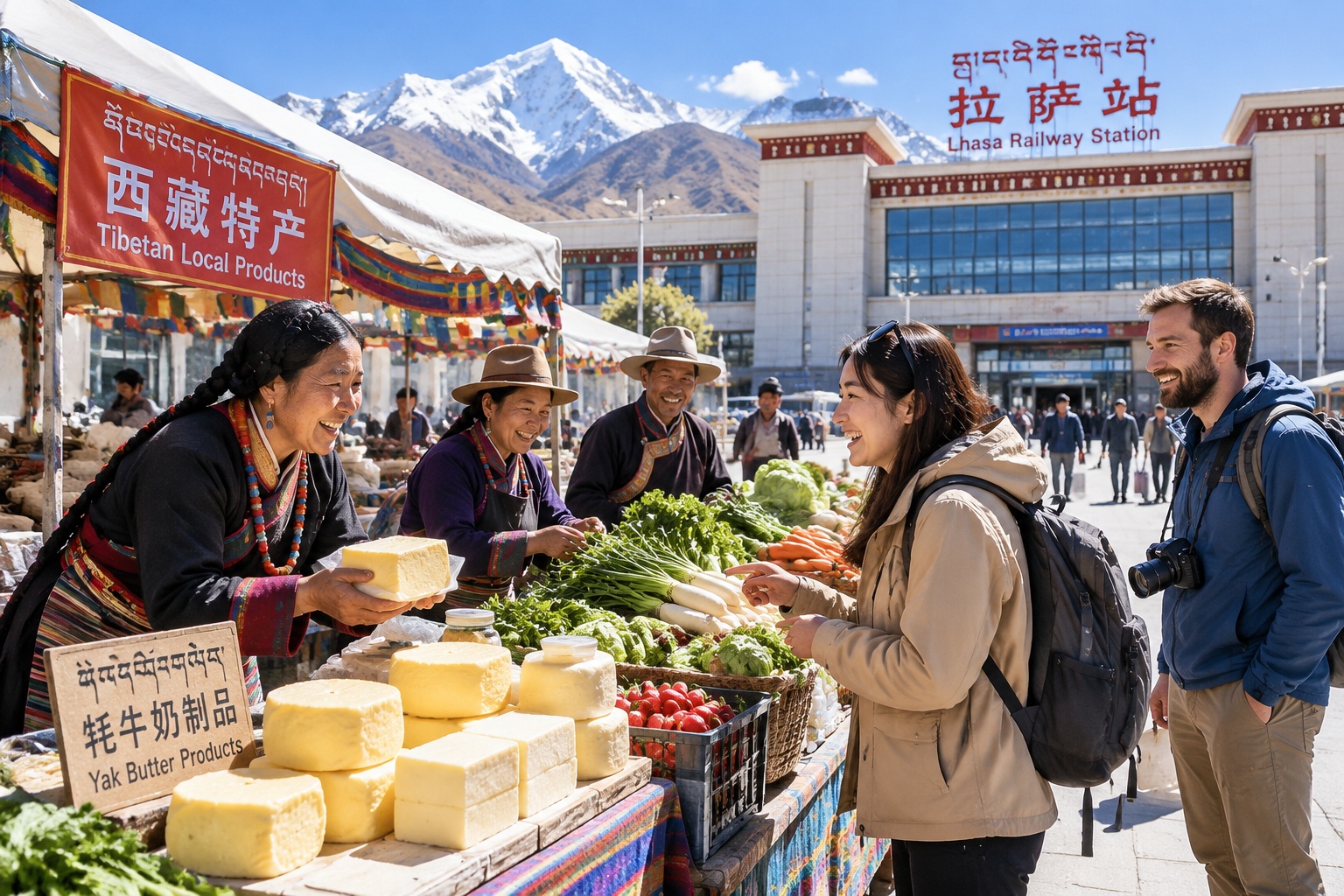
2. Goods and Prices: Cheaper Rice, Fresh Vegetables
High transportation costs used to make everyday goods expensive in Tibet. A bottle of cooking oil cost twice as much in Lhasa as in Chengdu. The railway changes that. Freight services on the Lhasa–Nyingchu line now carry construction materials, food, and consumer goods at a fraction of the cost of trucking. A vegetable vendor in Nyingchi told local reporters that the price of cabbage dropped by nearly 40% after the railway opened. For herders like Dorjee, who once bartered sheep for grain, the railway means they can now sell their yak products to cities further away and buy manufactured goods more cheaply.
3. Jobs and Skills: Young Tibetans Choosing New Careers
The railway also brings employment. Over 30,000 local workers were hired during the construction of the Lhasa–Nyingchi section, many trained as welders, electricians, or machine operators. More importantly, the railway demands ongoing maintenance and service jobs. Yeshe, a 24-year-old from Shannan, graduated from a vocational school and now works as a train attendant on the Lhasa–Nyingchi route. “My mother never left our valley until she was 40. I travel to Lhasa every day,” he says. High-speed rail technology and management skills are being transferred to Tibetan workers, a subtle but powerful shift in the region’s economic structure.

4. Cultural Exchange: More Than Just Tourists
Beyond economics, the railway facilitates cultural interaction. Han Chinese, Hui Muslims, and other ethnic groups now travel to Tibet more easily for business or family visits. Tibetan monks from Drepung Monastery have taken the train to attend religious conferences in Chengdu. Conversely, Tibetan artists and musicians perform in cities like Chongqing and Xi’an, introducing their culture to a wider audience. A Tibetan thangka painter in Lhasa says he now sells his paintings directly to collectors online, thanks to reliable courier services enabled by the railway.
Challenges and Realities
Of course, progress isn’t without complexity. Some older residents worry about the erosion of traditional lifestyles or the influx of outsiders. Environmentalists have raised concerns about construction impacts on fragile ecosystems, though the railway features extensive wildlife corridors and noise barriers. And the full Chengdu–Lhasa line, with its tunnels under 4,500-meter peaks, won’t be operational until around 2030. Yet for most locals, the overwhelming feeling is one of cautious optimism. As Dorjee puts it: “The train is like a metal river. It flows both ways—bringing the world to us, and us to the world.”
Conclusion: More Than a Railway
The Sichuan-Tibet Railway is often described with superlatives—highest, longest, most expensive. But for the people living along its tracks, it’s simply a new way to live. It means a son can visit his mother in Lhasa for the weekend. It means fresh vegetables in winter. It means a young woman can study engineering in Chengdu and come back to build things in her hometown. That’s the quiet revolution unfolding on the roof of the world.

Start the discussion at forum.chinacomes.com