

The Morning Ritual in Yancheng
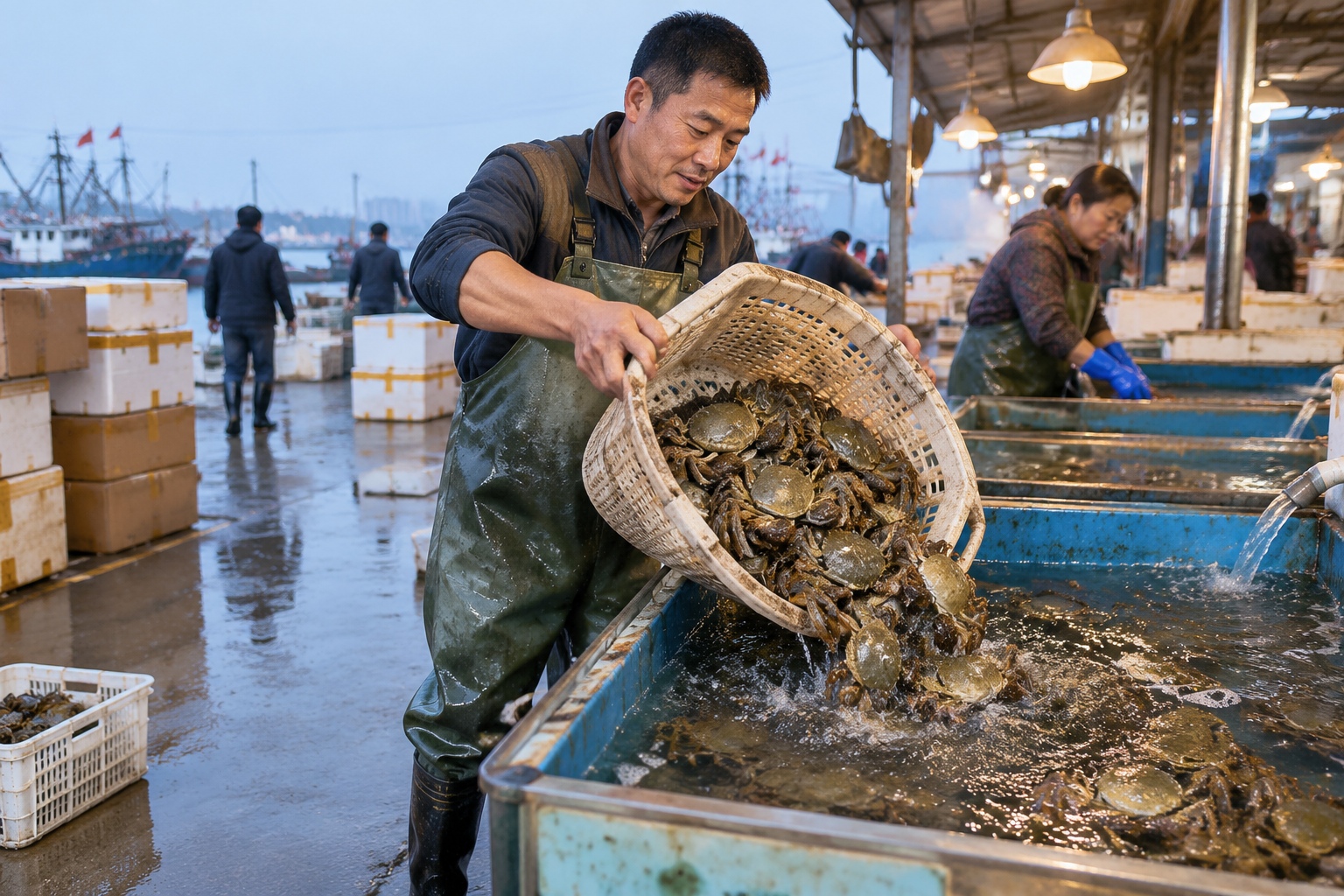
At 6:15 a.m., the air on the outskirts of Yancheng still carries the damp, briny scent of the Yellow Sea wetlands. It is a heavy, sticky humidity that clings to the skin. In the city’s largest aquatic products market, the streetlights are still humming, but the day’s real work has already begun.
Old Li, a third-generation seafood vendor, does not look like a businessman yet. He wears rubber waders splattered with dried mud and a faded blue raincoat. With a rhythmic thud, he tips a heavy plastic basket, dumping dozens of hairy crabs into a bubbling oxygen tank. The crabs are thick-shelled and restless.
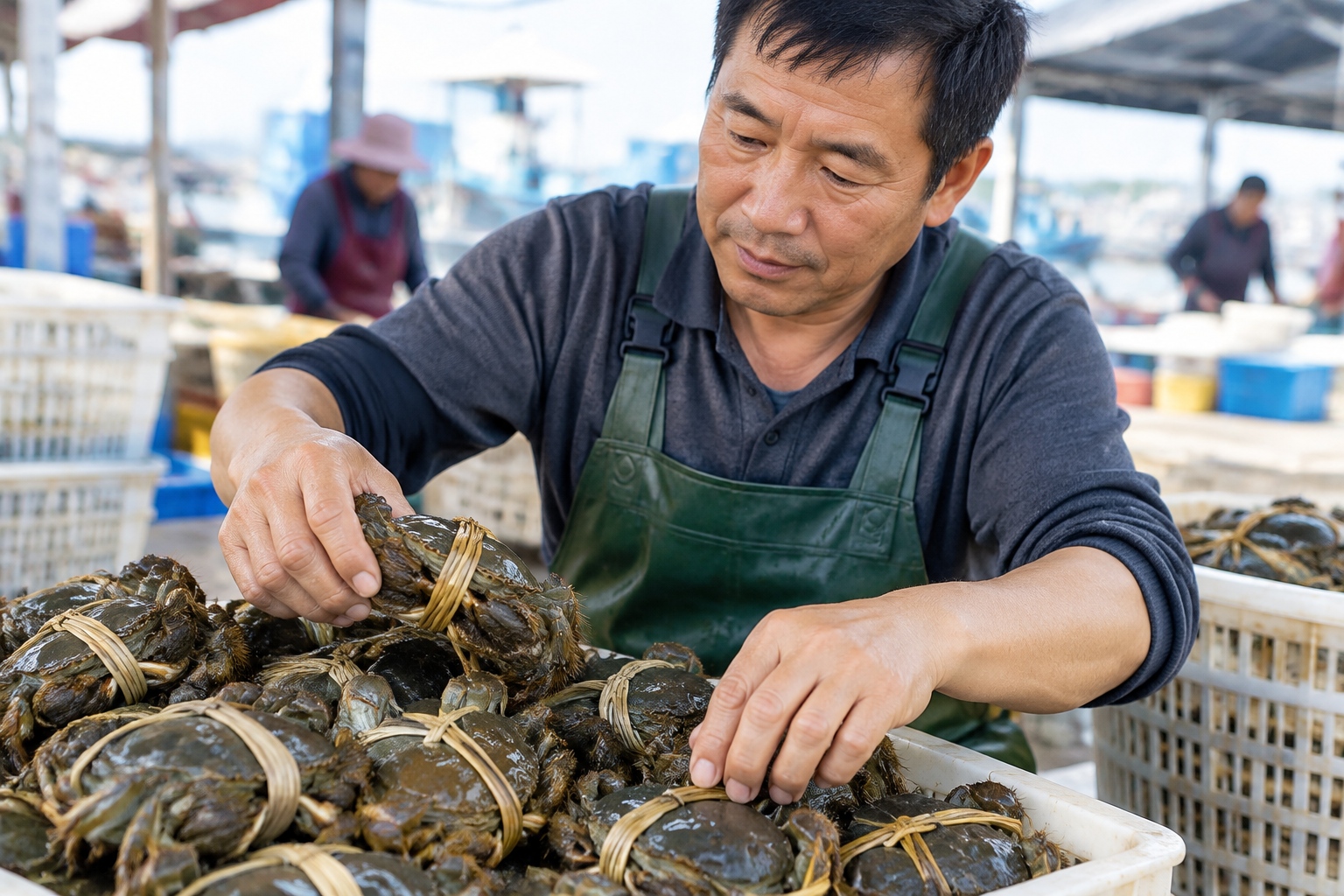
For visitors from abroad, this scene might look like just another early morning market. But in Yancheng, located in Jiangsu Province along the coast, this is the heartbeat of the local economy. The hairy crab—known locally as dazhaxie—is not merely a delicacy; it is the currency that keeps the city’s seasonal rhythm turning. Before the sun fully clears the horizon, the crabs are already being weighed, graded by size, and bundled with straw. By 8:00 a.m., they will be in restaurants across the province.
The Economics of a Shellfish
To understand the Chinese crab economy, you have to look past the dining table and into the muddy ponds of the rural outskirts. Yancheng’s unique geography, where the sea meets the land, provides the perfect brackish water conditions for these crustaceans.
Take Mr. Zhang, a local pond owner. His life is dictated by the water temperature and the molting cycle of the crabs. In the spring, he releases millions of tiny crab larvae into his ponds. They eat algae and dead leaves, acting as natural cleaners. By autumn, those larvae have grown into the prized golden-shelled males and white-bellied females.
For ordinary families in this region, the crab harvest is the financial anchor of the year. A single high-quality male crab can weigh over four ounces (about 120 grams). Depending on the market price, which fluctuates daily, one crab might sell for anywhere from five to twenty dollars. For a farmer with three acres of ponds, this seasonal income covers everything from children’s education to home renovations.
Behind every plate of crabs in a city hotel lies a complex supply chain. There are the farmers, the middlemen who transport them in temperature-controlled trucks, and the wholesalers who set the daily “face value.” It is a micro-economy that runs on trust and hard physical labor. If the weather turns too cold too early, or if a pond floods, an entire family’s annual budget can shift overnight.
More Than Food: A Social Hub
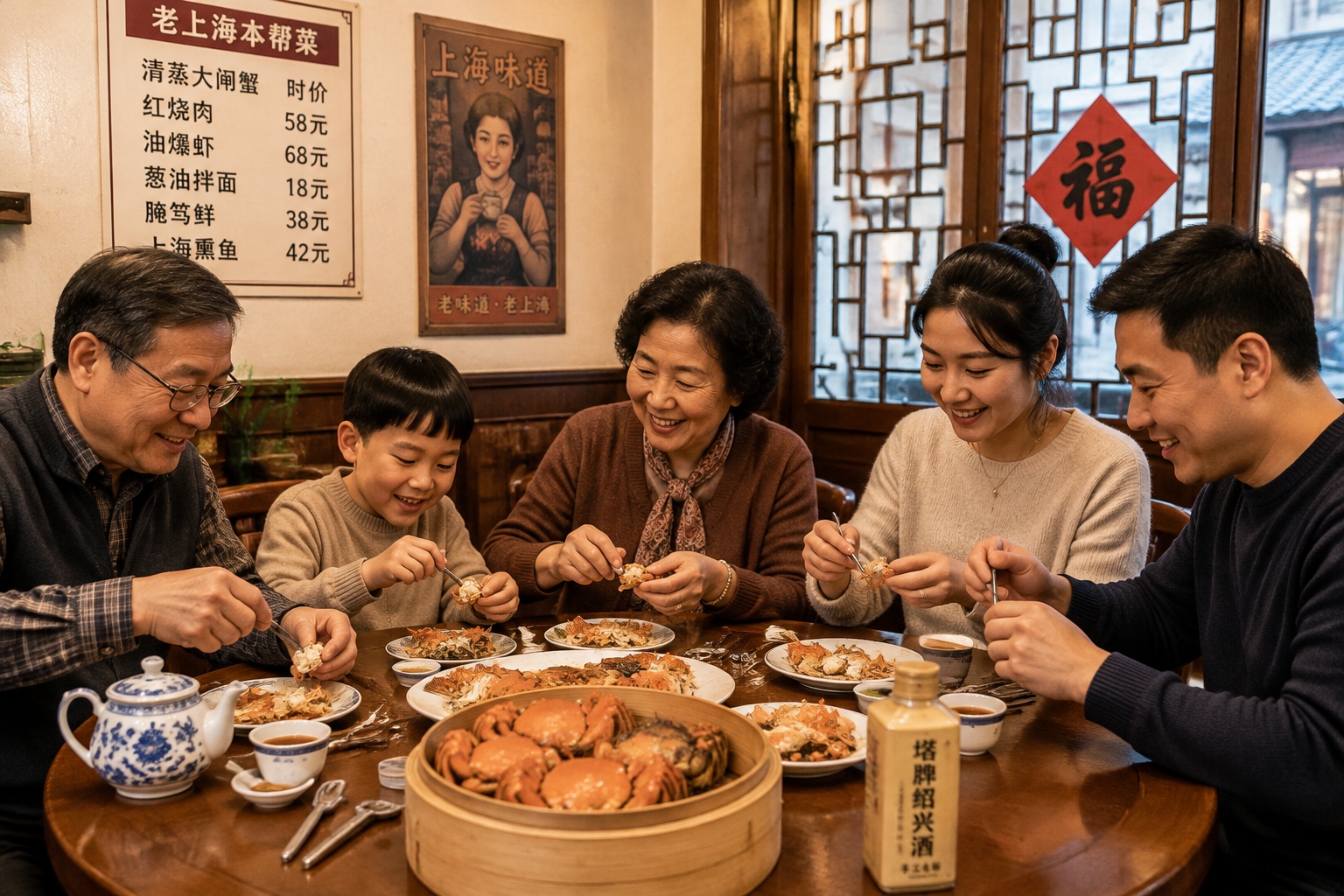
As the afternoon light fades, the mood in Yancheng shifts from the frantic pace of the wholesale market to the slow, deliberate ritual of dinner. The hairy crab is notoriously difficult to eat. You must pry open the legs with a specialized metal tool, extract the meat with tweezers, and carefully scoop out the roe without spilling a drop of golden fat.
This complexity forces a pause. In a country known for its high-speed rail and rapid urbanization, sitting down to peel crabs is one of the few times people are allowed to slow down. It is a social activity by design. You cannot rush it.
In local teahouses and neighborhood restaurants, you will see tables crowded with three or four generations. Grandfathers show their grandsons how to crack the shell; friends drink yellow wine and complain about work. The act of eating together is as important as the food itself. The market serves as a bridge between the rural labor of the farmers and the urban demand of the diners, creating a shared community experience.
Sustainability and Tradition
However, this abundance did not come without cost. Decades ago, unregulated fishing and overcrowded ponds threatened the local ecosystem. The water turned dark, and the crabs became smaller.
Today, the approach has changed. The concept of “sustainable fishing” in Yancheng is no longer just a slogan; it is a survival strategy. Local authorities now enforce strict limits on pond density. Farmers are encouraged to practice “ecological aquaculture.”
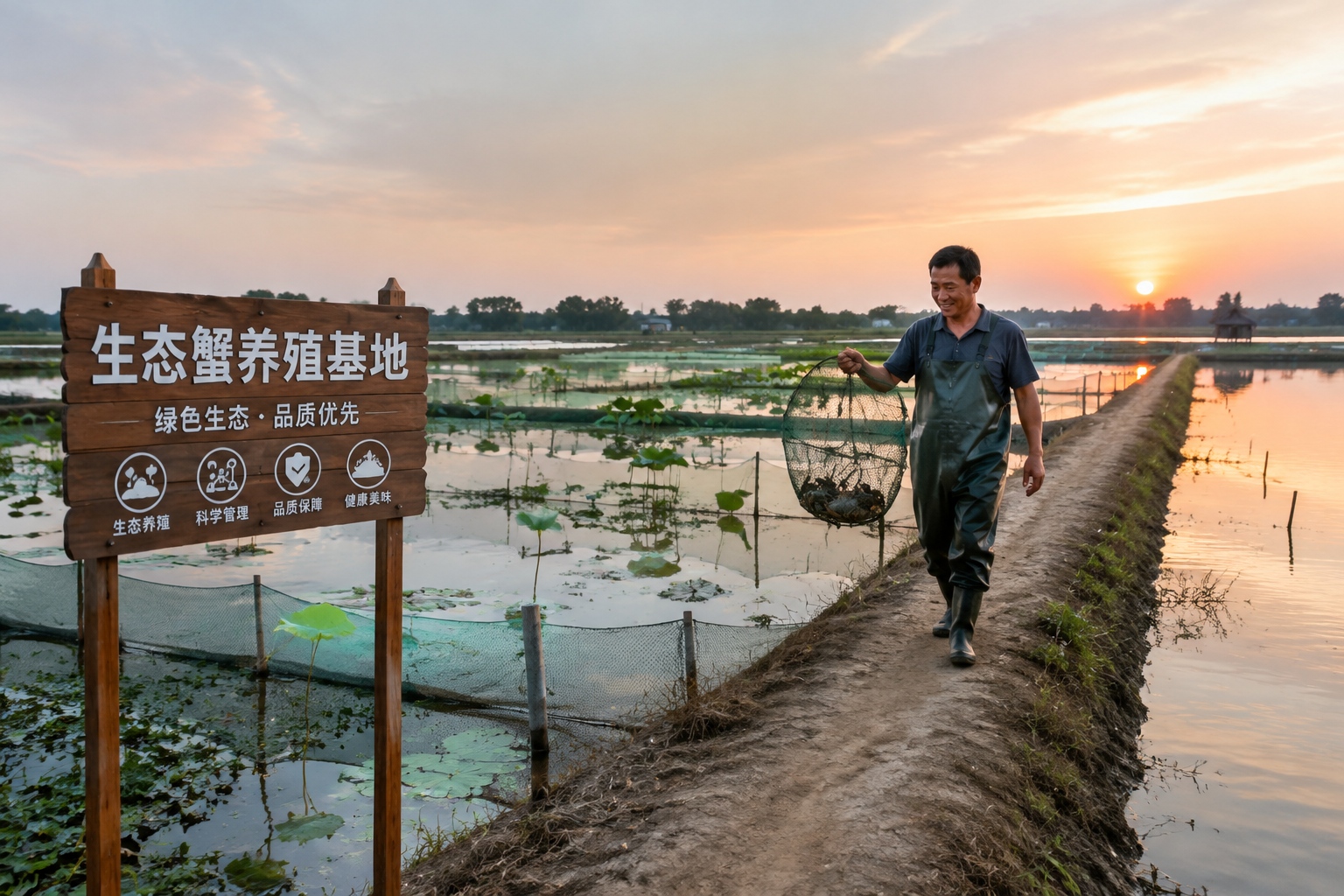
On many ponds, you will now see water chestnuts or lotus roots growing alongside the crabs. The crabs feed on the decaying plant matter and keep the water oxygenated, while the plants provide shelter. This circular system mimics the natural wetlands of the Yellow Sea. It is a blend of ancient farming wisdom and modern environmental regulation.
Even the packaging has evolved. Instead of using plastic wrap for every single crab, vendors now use biodegradable materials or reusable woven baskets, responding to both government regulations and consumer awareness.
A Snapshot of Contemporary China
Watching a local family enjoy a plate of hairy crabs at dusk tells you more about daily life in China than a dozen economic reports. It shows a society that is deeply connected to the land and the seasons. It highlights how ordinary people adapt to change—balancing the desire for higher profits with the need to protect their environment.
Yancheng proves that behind the gleaming skylines of Shanghai or Shenzhen, there is still a China defined by muddy boots, early mornings, and the quiet pride of a local specialty. The hairy crab is not just food; it is a living link between the wild wetlands and the modern Chinese table.
Start the discussion at forum.chinacomes.com