

When the Guide Becomes the Goal
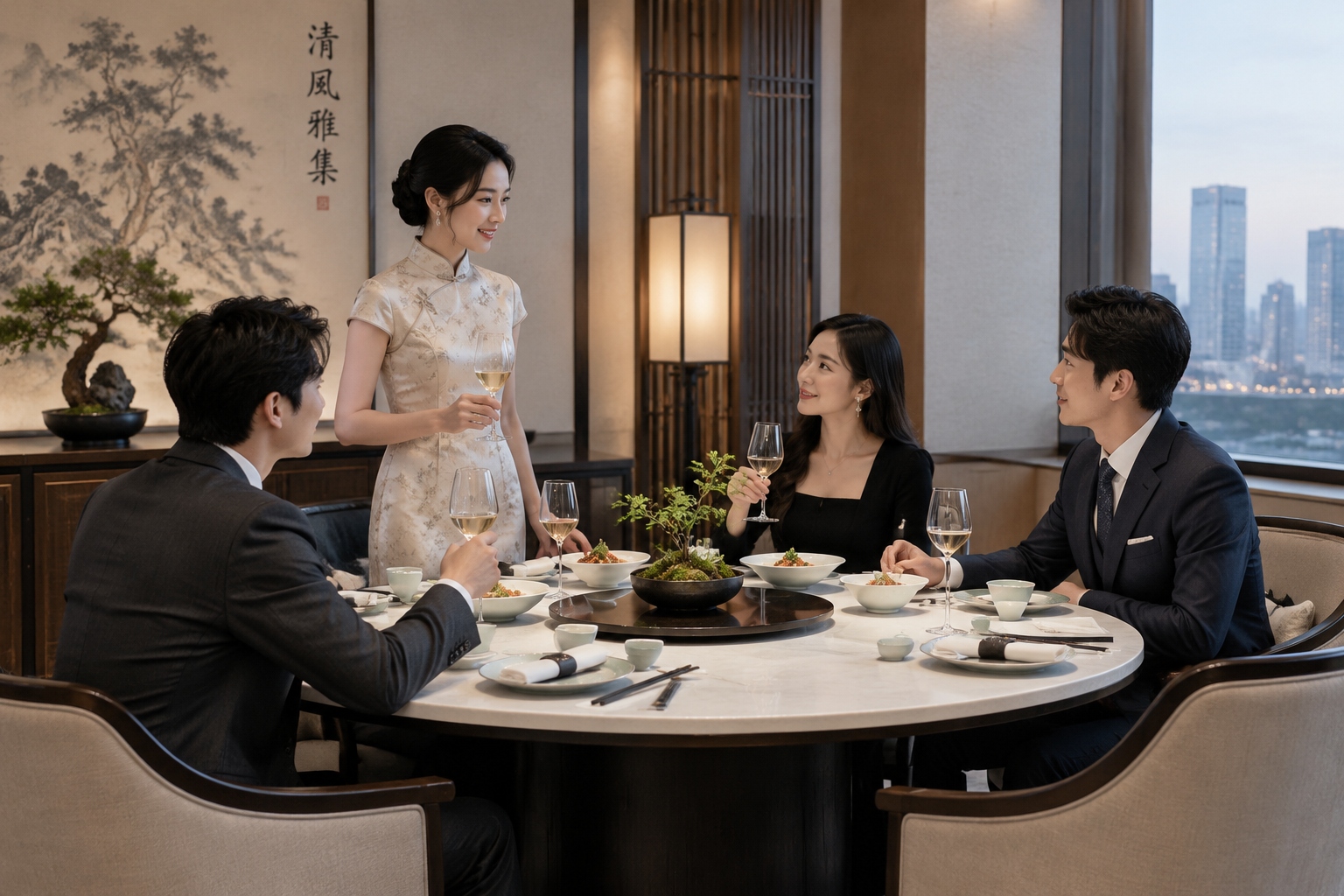
On a recent Tuesday evening, inside a quiet, discreetly lit restaurant in Shanghai’s former French Concession, a group of tech entrepreneurs gathered for a dinner that was not about the food alone. They were there to validate a choice. The restaurant had just received a prestigious “Three Black Pearl” rating, China’s most exclusive culinary accolade, while its Michelin status remained unconfirmed or lower. For this circle of diners, the Black Pearl stamp of approval carried more weight than any international award.
This scene is becoming increasingly common across China’s tier-one cities. While the Michelin Guide has been a global benchmark for fine dining for decades, a homegrown competitor, the “Black Pearl Restaurant Guide,” launched by Ctrip in 2018, has rapidly gained influence among China’s wealthy and business elite. The shift is not merely about taste; it reflects a deeper realignment of values in Chinese consumer culture.
The “Chinese Stomach” and Local Palates
At its core, the Black Pearl Guide’s rise is driven by a fundamental cultural mismatch between Western culinary standards and Chinese dining expectations. Michelin, rooted in French gastronomy, traditionally prioritizes ingredient quality, technical precision, and consistency. Its famous “Red Book” often favors clean, structured presentations and European-style service.
However, for many Chinese diners, especially in regions with deep culinary traditions like Sichuan or Canton, these standards can feel rigid or alienating. A Michelin-starred Western restaurant might be praised for its perfect sauce consistency, but a local elite diner might prioritize the complex layering of flavors in a traditional dish, the freshness of regional ingredients, or the authenticity of a centuries-old cooking technique.
“Michelin tells you if the chef is skilled,” says Lin, a 35-year-old investment banker in Beijing. “But Black Pearl tells you if the food has ‘soul’ in our context. It understands that for us, dining is not just about eating; it’s about experiencing culture.”

Service as Social Currency
Beyond taste, the Black Pearl Guide has positioned itself as a curator of social capital. The guide’s rating system—One, Two, or Three Pearls—is not just a measure of food quality but a signal of exclusivity and status. In China’s high-stakes business environment, where dining is a primary venue for networking and relationship building, the ability to choose a “Three Pearl” restaurant is a form of social currency.
The guide’s criteria explicitly weigh factors that Michelin often downplays: the elegance of the service, the privacy of the dining rooms, and the overall “experience.” Black Pearl-rated restaurants often excel in providing highly customized, almost anticipatory service. Waitstaff are trained not just to take orders, but to navigate the subtle social hierarchies of the table, ensuring that the host feels respected and the guests feel honored.
This focus on “face” (mianzi) and hospitality is crucial. While Michelin might critique a dish for being too salty or too spicy by European standards, Black Pearl recognizes that these flavors are essential to the cultural identity of the region. By validating local tastes, the guide empowers Chinese diners to trust their own preferences over foreign judgments.

Case Study: The Divergence of Acceptance
To understand the practical impact of this shift, consider the case of a renowned Cantonese restaurant in Guangzhou. When Michelin first arrived in the city, it awarded stars to several high-end establishments, but many locals remained skeptical, viewing the guide as an outsider’s opinion. However, when the same restaurant achieved a “Three Black Pearl” rating, it saw an immediate surge in bookings from local business leaders and families celebrating significant milestones.
Conversely, some Michelin-starred French restaurants in Shanghai have struggled to maintain the same level of local loyalty. While they attract tourists and expatriates, their core customer base often includes a significant portion of foreigners or Chinese diners seeking a “Western” experience rather than a connection to their own heritage. For the domestic elite, dining is increasingly seen as a way to celebrate Chinese identity, not escape from it.
This divergence is not a rejection of quality but a redefinition of it. The Black Pearl Guide’s panel of judges includes hundreds of local culinary experts, critics, and frequent diners, ensuring that the ratings reflect domestic consensus rather than international trends.
Rising Cultural Confidence
The preference for Black Pearl over Michelin is a symptom of a broader trend: rising cultural confidence in China. As the middle and upper classes become more prosperous, they are less interested in deferring to Western cultural authorities. They want validation that their own traditions, flavors, and social practices are world-class.
This is not just about food; it is about identity. The Black Pearl Guide’s success demonstrates that Chinese consumers are ready to set their own standards. They are not asking, “Is this good by global standards?” but rather, “Is this good by our standards?”
For international brands and restaurants operating in China, the lesson is clear: Success no longer comes from simply bringing a Western brand to the table. It requires understanding and respecting the local palate, the nuances of Chinese hospitality, and the growing desire for cultural self-affirmation.

A New Culinary Landscape
The rivalry between Black Pearl and Michelin is not a zero-sum game. Both guides serve different needs. Michelin remains a trusted compass for travelers seeking familiar high-quality standards, while Black Pearl has become the definitive map for those navigating China’s complex and vibrant domestic dining scene.
As China continues to open up and its citizens travel more, the influence of local guides may expand further. But for now, in the boardrooms and banquets of China’s elite, the Black Pearl is the star that shines brightest—a symbol of a nation that is no longer looking outward for approval, but inward for definition.
Start the discussion at forum.chinacomes.com