

A Morning in the Paris Suburbs
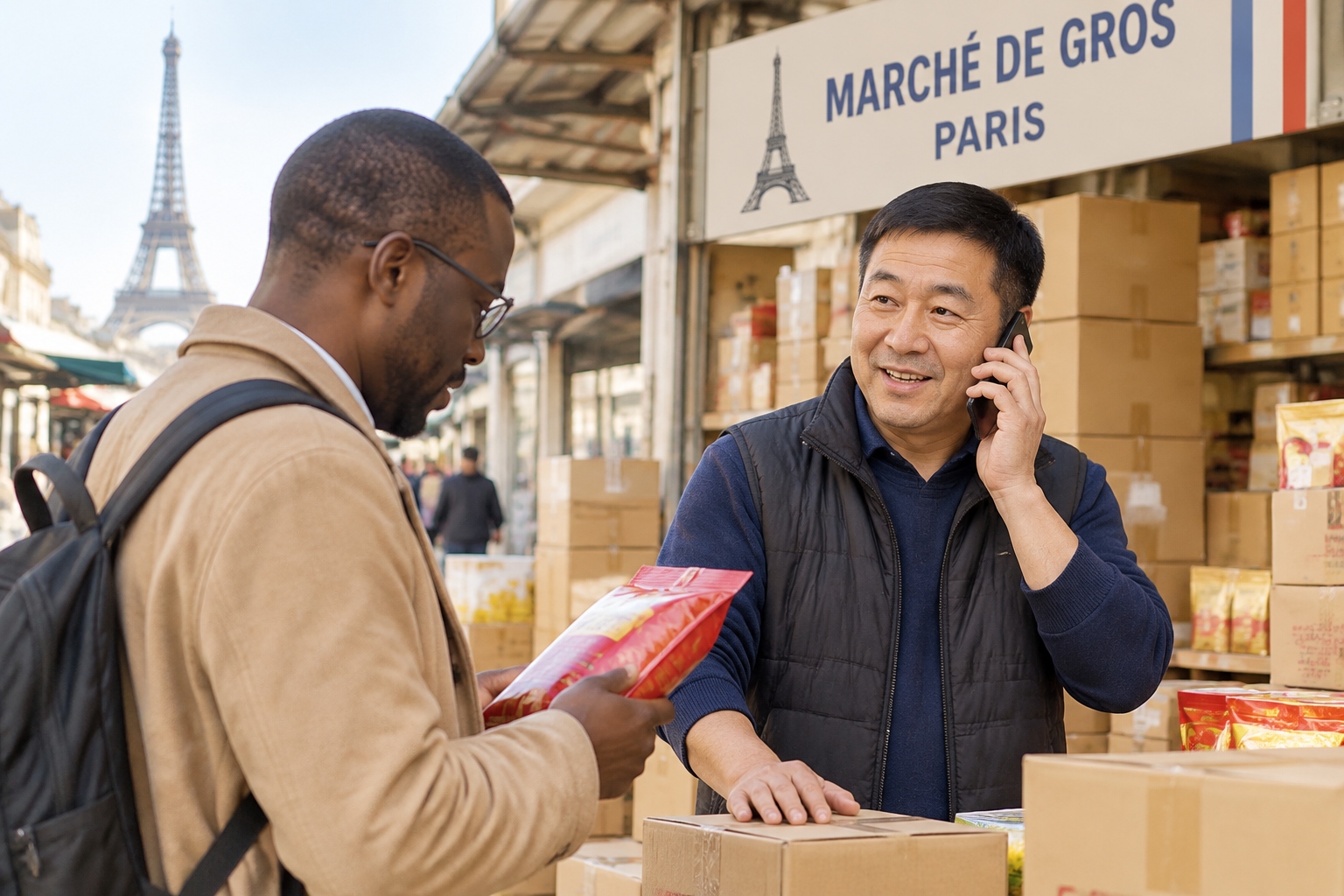
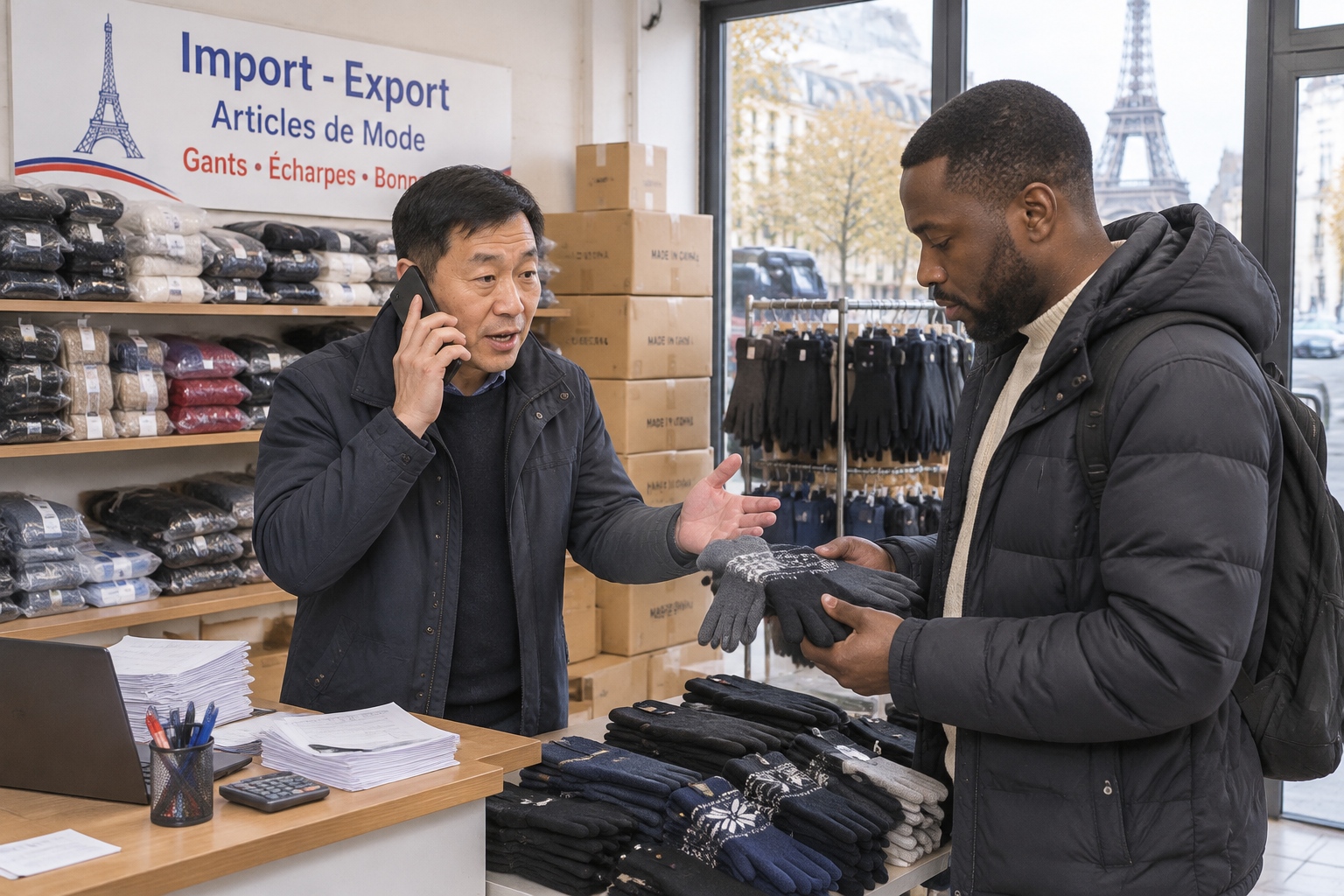
The first thing you notice is the mix of languages. In a wholesale shop near Paris’s Porte de Clignancourt, the owner switches from French to Mandarin to a dialect that sounds nothing like Mandarin — Wenzhouhua — in the same sentence. He is negotiating with a factory, arranging delivery, and reassuring a Nigerian customer who wants fifty boxes of winter gloves, all within two minutes. The shop looks ordinary, but the man behind the counter belongs to one of the world’s most extraordinary business networks: the Wenzhou merchants. Often compared to the Jewish merchants of Europe because of their commercial instincts and strong group ties, these traders from a small city in China’s Zhejiang province have quietly inserted themselves into just about every corner of the global economy.
That scene is repeated in countless places — the Prato district in Italy, the markets of Dubai, the outskirts of Nairobi. The Wenzhou people are not just selling Chinese goods; they’ve built a self-organizing commercial infrastructure that many global brands can only dream of.
Why “Eastern Jews”? A Useful Comparison
Calling them the “Eastern Jews” may sound like a stereotype, but it captures something important. Like the Jewish communities that maintained trade networks across Europe and the Middle East for centuries, the Wenzhou people have developed a system of trust and cooperation that allows them to operate far from home. The comparison goes only so far, however. The Wenzhou network is not based on shared religion or a history of exile. It is rooted in a much more mundane fact: Wenzhou is a place with mountains and little arable land. In the past, farming was hard, so people left to become peddlers and craftsmen. When China began to reform its economy in the late 1970s, the entrepreneurial culture that had been suppressed simmered to the surface and exploded.
The result is a group of people who have made a living out of making things and moving them. They started with buttons, zippers, pens, lighters, watches, glasses, and other small items that cost little but add up to a lot. And they did it on a scale that is hard to grasp until you see the numbers: Wenzhou is the world’s largest producer of cigarette lighters, making almost half of the global supply; it also produces a third of the world’s glasses frames and a fifth of its shoes. But the industrial capacity is only half the story. The other half is how they sell those products across borders.
The Wenzhou Model: Family, Trust, and the Power of Small
The secret, if it can be called that, is a combination of family ownership and network trust. A typical Wenzhou business starts as a family workshop. When it grows, family members take charge of different functions—production, finance, or sales. Outsiders are hired only if they are trusted, and trust is earned through shared hometown ties or through the recommendation of a senior member.
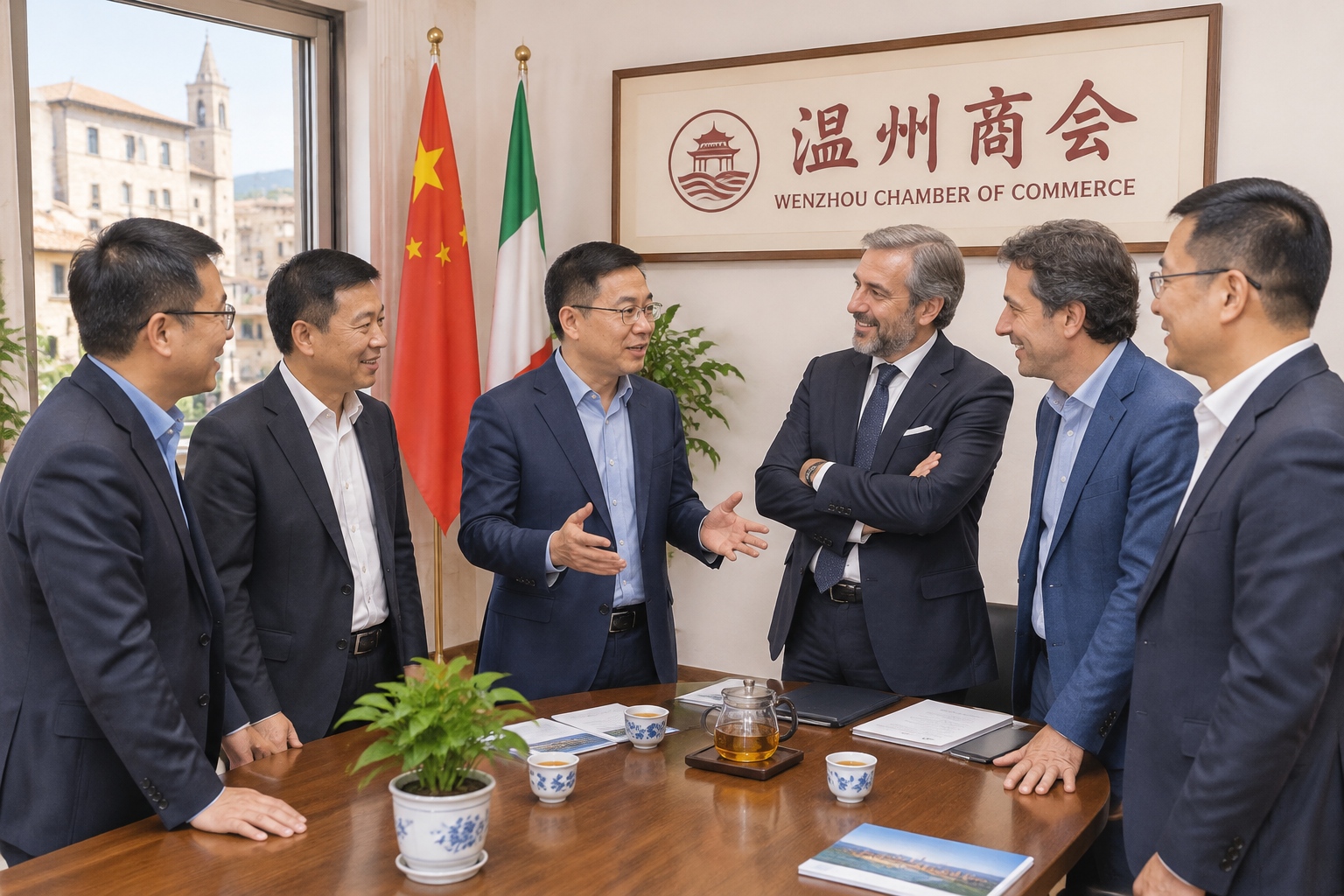
That is where the famous Wenzhou trade associations come in. In every city with a noticeable Chinese population, you will find a Wenzhou Chamber of Commerce. These are not just banquet clubs. They function as a credit system and a dispute resolution mechanism. If a member gets into trouble, the chamber can arrange a loan, find a business partner, or mediate a conflict without going to court. This network is so effective that many outside observers compare it to the Jewish kehilla or the informal banking of the Middle East. In China, it is simply called guanxi — relationships—but in the Wenzhou case, those relationships are unusually strong because they are based on both business and blood.
A Village That Runs the Eyeglass Trade
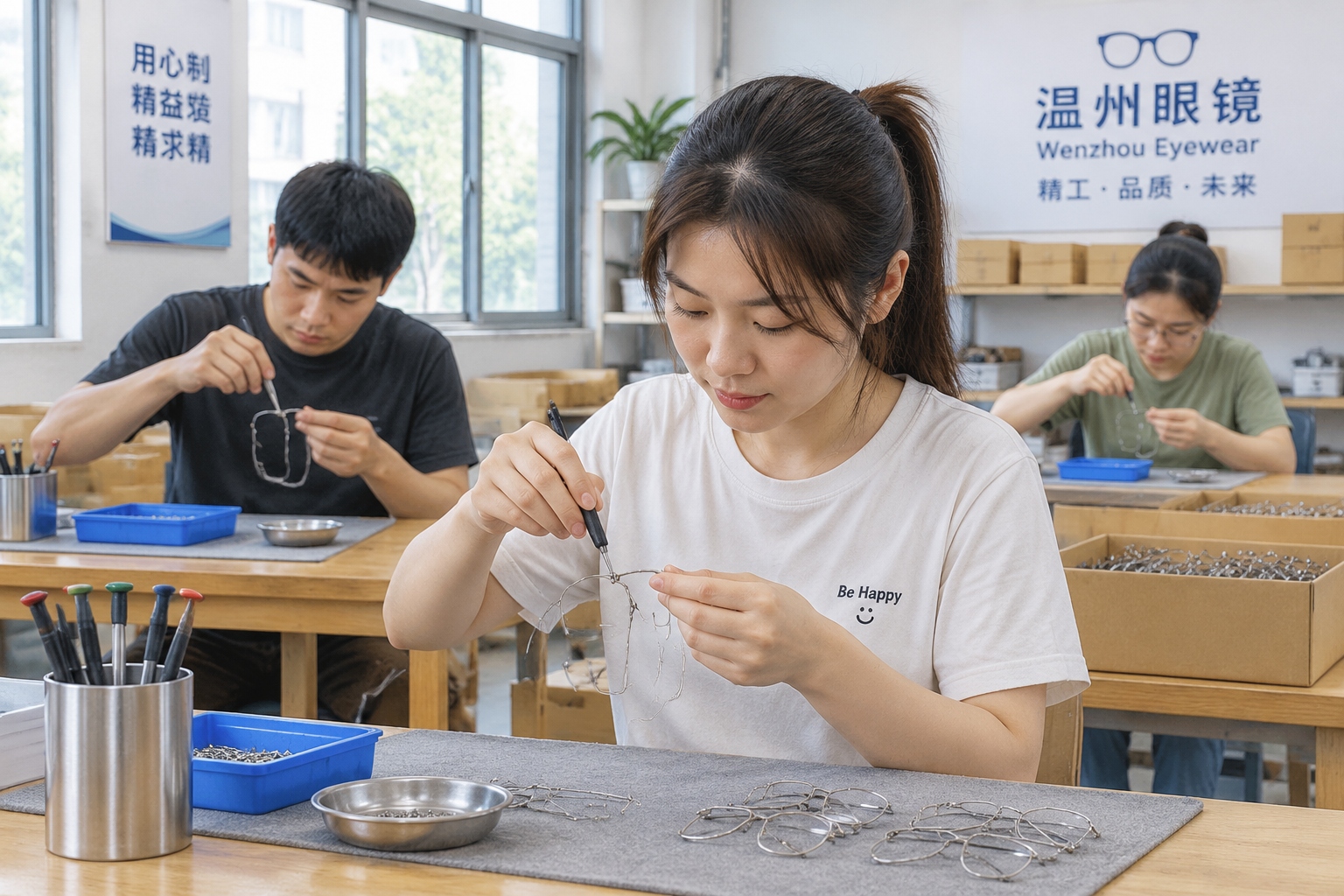
Take the town of Hongxing near Wenzhou. It may not appear on a standard tourist map, but if you wear glasses, there’s a decent chance that your frames were designed or manufactured in this area. In Hongxing, dozens of small workshops produce frames, coating, and packaging. Almost all of them are family-owned. They coordinate orders not through a central company but through a shared industrial cluster. A buyer from Europe can come in with a sketch, and within a few days, the frames are ready for assembly. This flexibility is a hallmark of Wenzhou manufacturing. Instead of trying to build a global brand, these workshops prefer to serve as subcontractors for brands in Europe and North America. They are happy to stay in the background, as long as the orders keep flowing.
The Overseas Network: From Italy to Nigeria
The network extends far beyond manufacturing. In Prato, Italy, an entire district of the city is effectively run by Wenzhou immigrants. They have converted old textile mills into ready-to-wear manufacturing centers that feed fast fashion all over Europe. According to a 2016 report by the Prato municipality, over 4,000 Wenzhou-owned companies were active in the city, employing both Chinese immigrants and Italian workers. In Nigeria, Wenzhou merchants dominate the wholesale trade in textiles and small appliances. In many African cities, the “China Mall” concept was pioneered not by large state-owned firms but by Wenzhou traders who pooled money to buy a plot of land and build shops. They then recruited tenants from their own hometown network, filling the mall with reliable buyers and sellers. This approach is both aggressive and cautious. They are willing to take risks in difficult markets, but they do it in a way that spreads the risk across many family members and partners.
If You Come From Europe or the US, What Stands Out Most?
I have had friends from Europe and the US who traveled to Wenzhou. Their first reaction is often a mix of awe and confusion. Awe because of the sheer number of factories and shops. Confusion because they can’t find many of the things they associate with “brand”—no big advertising campaigns, no impressive headquarters. In the West, business success is often measured by the brand name and the glossy store. In Wenzhou, the brand is the network. If you walk into a small shop in downtown Wenzhou and ask for a flashlight, the owner might pull out a random one, not a well-known brand. But he can tell you exactly which factory made it, why it’s better than the one from the shop down the street, and how much he can mark it up. That kind of product knowledge and pricing flexibility is hard to replicate in a large corporation.
The difference becomes even clearer when you compare the way Wenzhou people do business to the way European or American entrepreneurs do. In the West, you often start a business by writing a business plan, pitching to investors, and then scaling up. In Wenzhou, you start by asking your parents for a small loan, getting a few relatives to help you with “the first bucket of gold”, and then reinvesting every penny. There is no bank credit history, but there is a strong social credit. If you fail, you can try again, as long as you have not betrayed your family or community. This is why the Wenzhou model is so resilient: it is built on the strongest currency of all — reputation.
The Next Generation: Leaving the Kiosk Behind
But the Wenzhou story is not frozen in time. The younger generation, many of whom grew up overseas or went to college in major Chinese cities, are reshaping the network. They are less interested in knitting sweaters and more interested in e-commerce and high-tech. In Shenzhen, for example, a new cohort of Wenzhou graduates are founding cross-border e-commerce startups, using their parents’ factories to supply goods but optimizing logistics through data. In Italy, the children of the factory owners are becoming designers, opening their own labels instead of just doing subcontract work. They are still Wenzhou, but they have absorbed the culture of their adopted countries, creating a hybrid business style.
The challenge for the next generation is whether they can maintain the same level of trust. In the past, a handshake was enough. Today, contracts are signed, but the old relationships still matter. Many of them are juggling both worlds. They speak English on their smartphones, negotiate in Wenzhou dialect with their parents, and think in a global way. They are proving that the Wenzhou model is not just about making cheap goods; it is about adapting to a changing world.

What to Take Away
There is a tendency to exoticize the “Eastern Jews” as a breed of super-traders. But the real takeaway is more subtle. The Wenzhou network grew out of a specific place and a specific time, yet it offers lessons that are universal. Trust, family, flexibility, and the willingness to start small are not merely Chinese values; they are human values that any community can draw on. Governments around the world are trying to encourage entrepreneurship. They could learn a lot by watching how Wenzhou people work — not because Wenzhou wants to be a model for anyone else, but because it is a natural experiment in how people can organize economic life when the state, the bureaucracy, and the official systems are not very helpful.
In a world that often feels dominated by gigantic tech companies and global conglomerates, the Wenzhou network is a reminder that small, connected, determined groups can still reshape the economy. And if you ever see a shopkeeper in Paris who speaks a weird dialect, now you know a little more about the world behind that smile.
Start the discussion at forum.chinacomes.com