
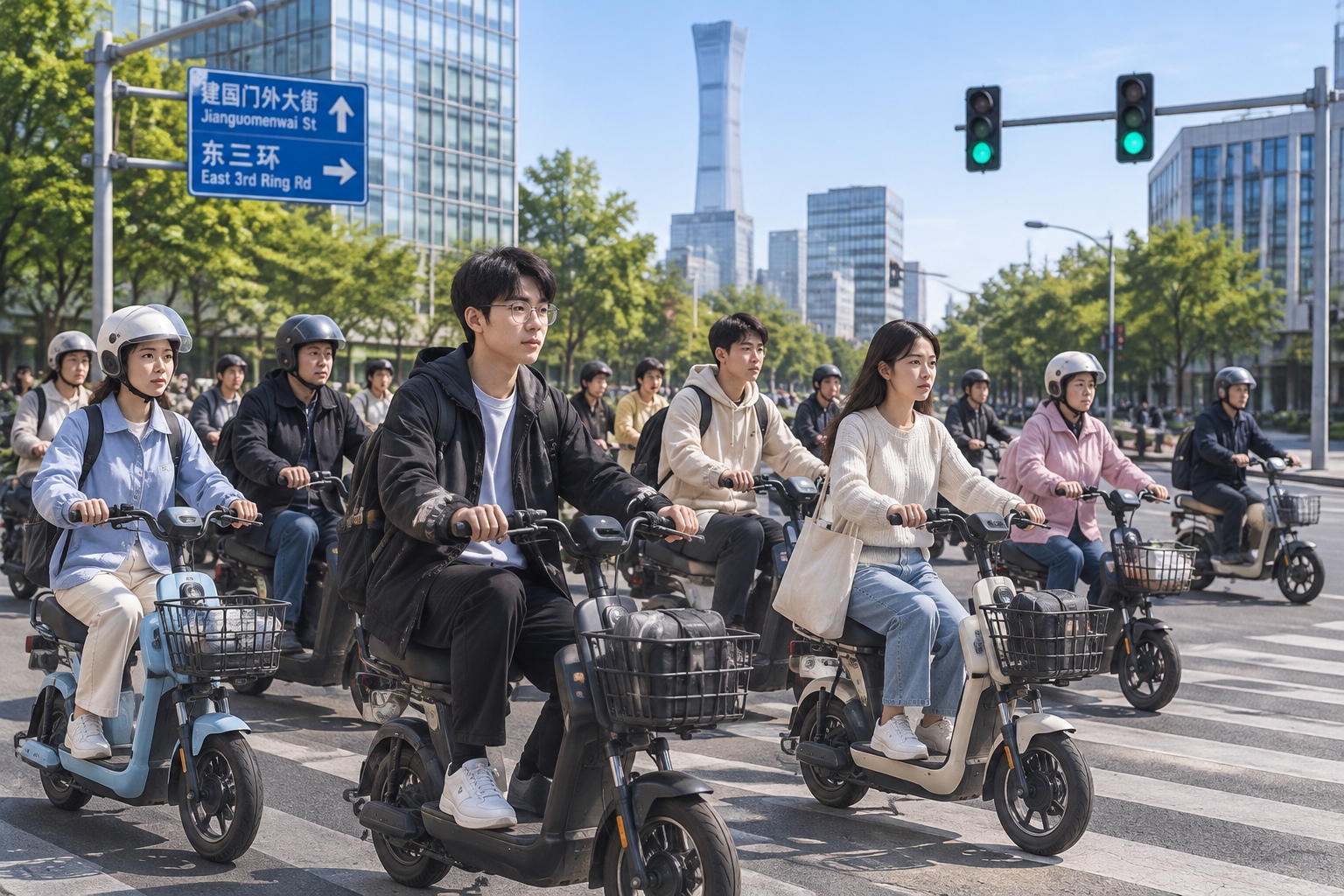

Morning Chaos on Two Wheels
It’s 8:30 AM on a Tuesday in Chengdu, a sprawling city in southwestern China. At a busy intersection near a metro station, the traffic light turns green. Within seconds, dozens of small electric scooters—locally called “little electric donkeys”—surge forward, weaving around pedestrians and overtaking bicycles with a faint electric hum. This scene repeats at thousands of crossroads across China, from Beijing to Guangzhou, every single day.
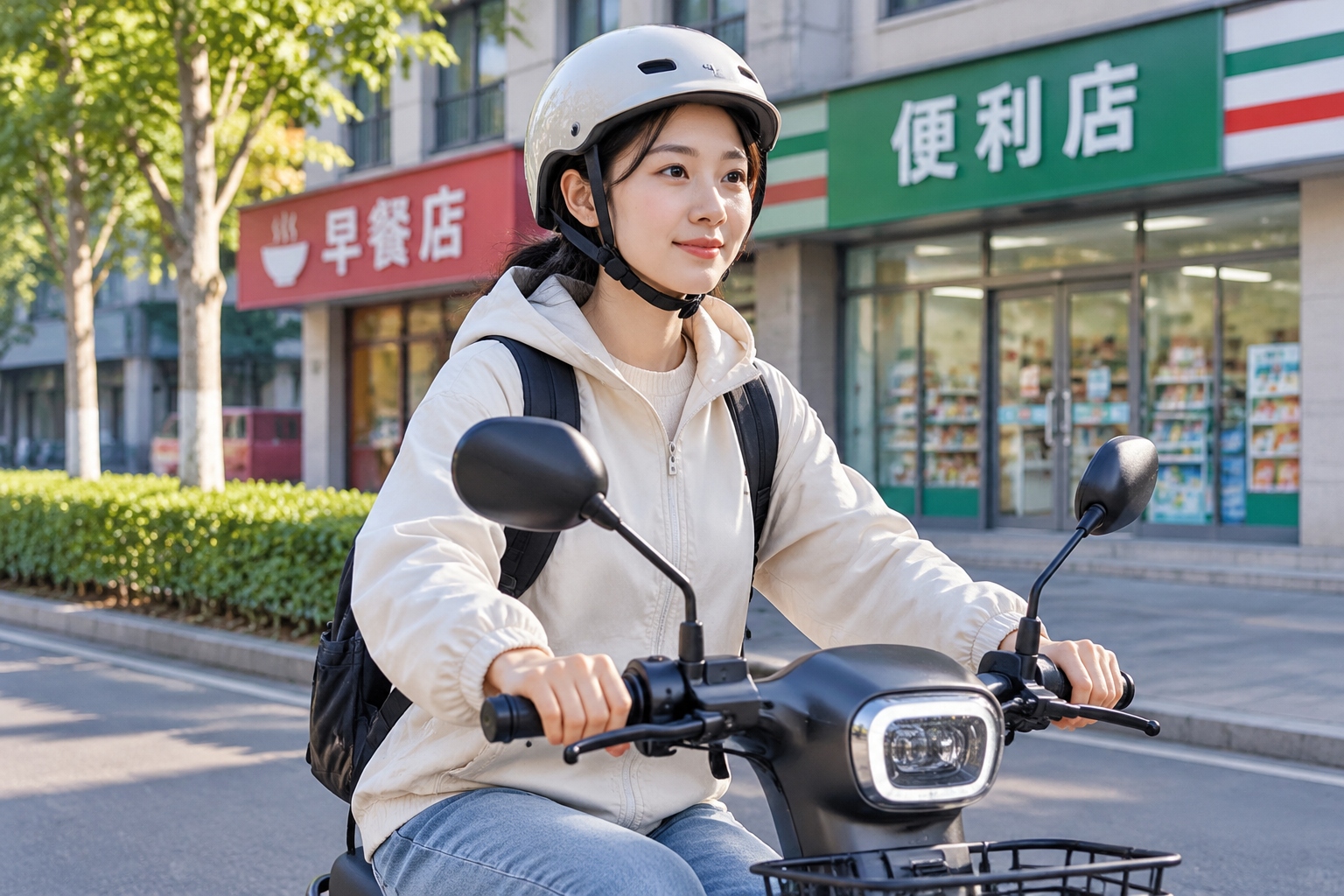
If you visit China, one of the first things you’ll notice is the sheer number of electric two-wheelers. Estimates suggest there are over 350 million e-bikes in the country—more than the total number of cars in the United States. For many Chinese, especially in cities, this little vehicle is not just a toy or a leisure item; it’s a lifeline.
The Perfect Urban Tool
Why are e-bikes so popular? The answer lies in a simple formula: cost + convenience + coverage.
Cost: A decent e-bike costs between 2,000 and 5,000 RMB (roughly $280 to $700). Compare that to a car—at least 100,000 RMB—or even a motorcycle, which requires fuel and a license. An e-bike runs on electricity that can cost as little as a few cents per charge. For a factory worker earning 5,000 RMB a month, an e-bike is affordable and practical.
Convenience: Chinese cities are dense and often congested. Driving a car means sitting in traffic jams that can double your commute. Public buses and subways are cheap but can be crowded and require walking to and from stations. An e-bike, however, can zip through narrow alleys, cut through traffic, and park almost anywhere—on sidewalks, in front of shops, even inside apartment lobbies. It offers door-to-door mobility with minimal hassle.
Coverage: Not all neighborhoods have good subway connections. E-bikes fill the gaps, especially for short trips of 5–15 kilometers. They are perfect for dropping kids at school, grabbing groceries, or commuting to offices in industrial zones where buses run infrequently.
A Policy Nudge That Changed Everything
But the e-bike boom didn’t happen by accident. In the 1990s and early 2000s, many Chinese cities restricted or banned motorcycles due to safety and pollution concerns. At the same time, car ownership was expensive and heavily taxed. The government saw e-bikes as a clean, affordable alternative and issued national standards in 1999 (revised in 2019) to regulate them. These standards kept e-bikes light (under 55 kg) and slow (top speed 25 km/h), so they were classified as non-motor vehicles—no license or insurance required.
That regulatory decision was a green light for manufacturers. Dozens of companies, like Yadea and Aima, started mass-producing cheap, reliable e-bikes. By 2020, annual sales had reached 40 million units.
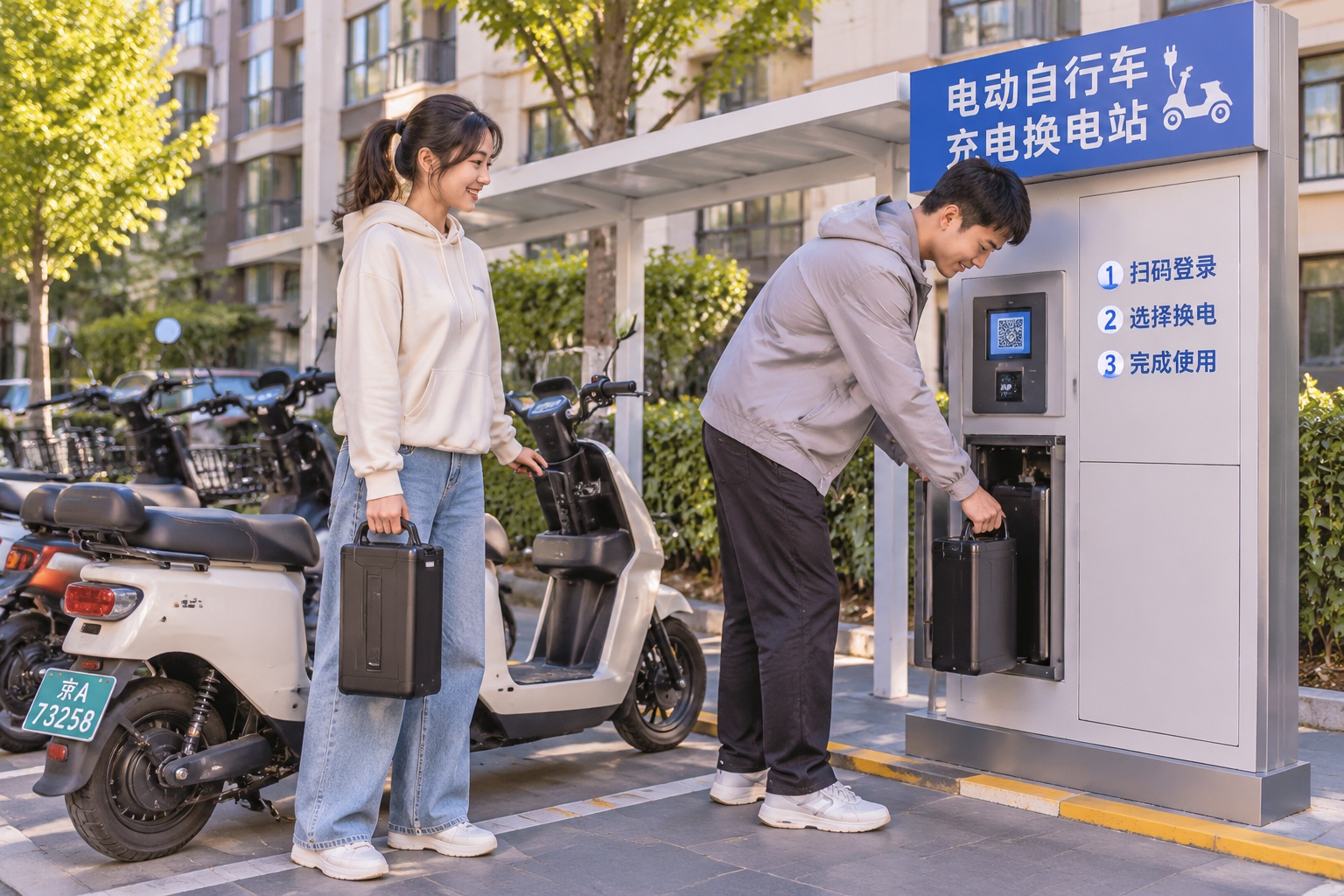
Interestingly, the government also invested heavily in bike lanes and charging infrastructure. In most Chinese cities, there are dedicated lanes for e-bikes and bicycles, separated from cars. This makes riding relatively safe—though not always calm, as new riders sometimes ignore traffic rules.
Environmental Trade-Offs
E-bikes are far cleaner than gasoline cars or motorcycles. They produce no tailpipe emissions and use much less energy per kilometer. However, there’s a catch: most of China’s electricity still comes from coal, so the environmental benefit depends on the grid. Moreover, e-bike batteries—mostly lead-acid or lithium-ion—pose recycling challenges. In some cities, informal recyclers dump battery acid, causing soil and water pollution. The government is now pushing for better recycling and transitioning to safer lithium batteries.
Despite these issues, studies show that e-bikes reduce overall CO2 emissions compared to cars and even public buses in some scenarios. For a country like China, which is both the world’s largest carbon emitter and home to 1.4 billion people, any shift toward efficient transport matters.
Daily Life with an E-Bike
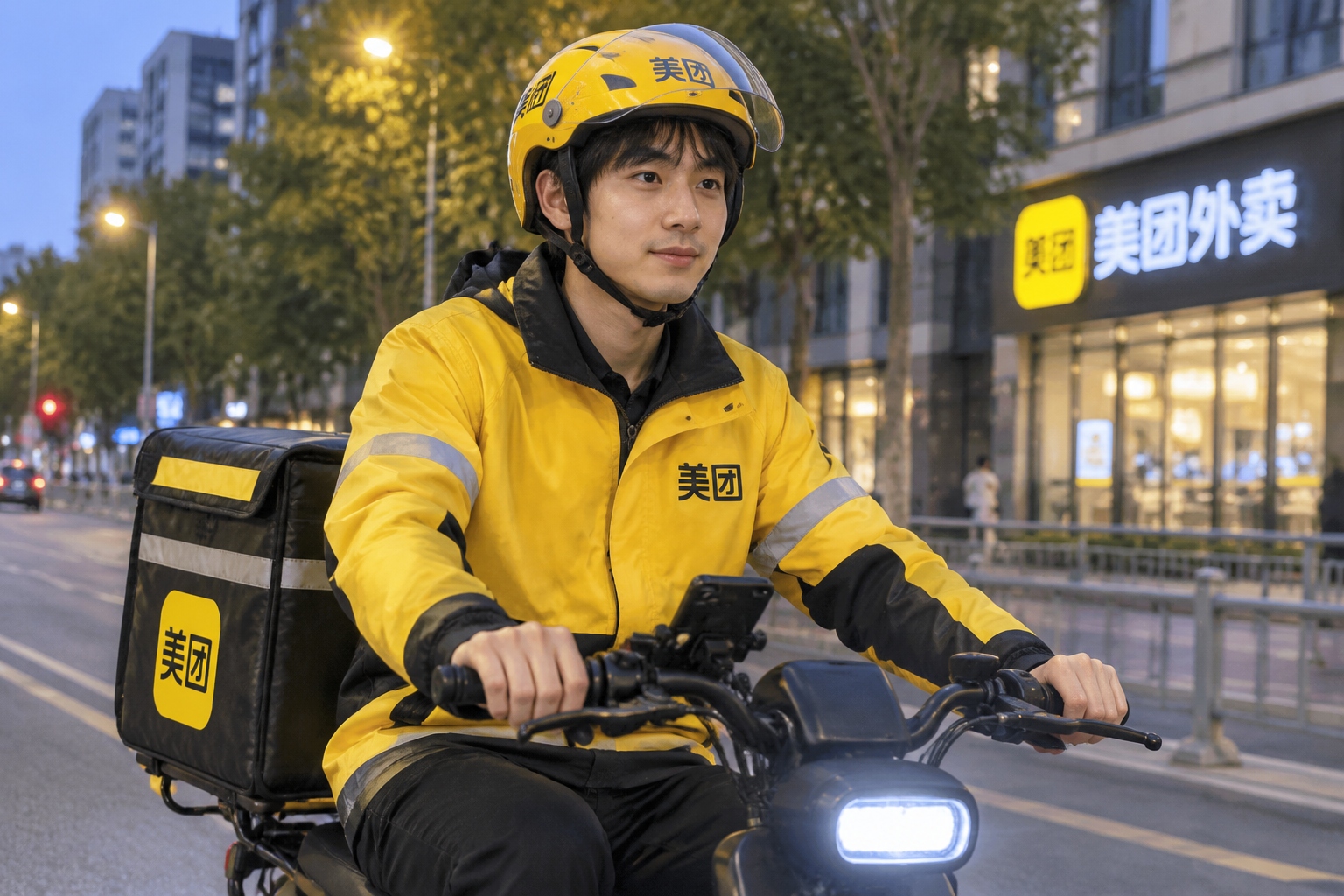
To understand the e-bike phenomenon, talk to someone like Li Wei, a young delivery rider in Shanghai. He owns two e-bikes—one for work, one for personal use. “I ride about 80 kilometers a day,” he says, “and charge at night in my apartment building. The battery lasts enough for my shift.” Li Wei earns a modest income, but without the e-bike, he couldn’t afford to deliver food in a city where parking is impossible and public transport is too slow for last-mile deliveries.
For students, parents, and office workers, the e-bike offers independence. A 2019 survey found that 60% of Chinese e-bike owners use them for commuting. The rest use them for errands, leisure, or door-to-door services like takeout.
Challenges on the Road
E-bikes aren’t without problems. Accidents are common—drivers often run red lights, ride on sidewalks, or weave dangerously. In 2022, over 11,000 e-bike-related deaths were reported, mostly due to riders not wearing helmets and collisions with cars. Cities have responded with stricter rules: mandatory helmet laws, speed regulators, and even bans on riding in downtown areas during certain hours. In Shenzhen, for example, e-bikes are banned on major roads, forcing riders onto side streets.
Another headache is theft. E-bikes are lightweight and have easily removable batteries, making them prime targets. Owners sometimes chain them to lamp posts or bring batteries indoors. But newer models come with GPS tracking and built-in locks, which help.
What’s Next for the E-Bike Kingdom?
China’s e-bike market is still growing, but shifting. As cities become more regulated, newer models are becoming smarter—with IoT connectivity, anti-theft alarms, and even navigation screens. The big trend is the replacement of lead-acid batteries with lithium-ion ones, which last longer and charge faster.
There’s also a growing “e-moped” segment: faster, scooter-like vehicles that require a license but offer greater range. Meanwhile, shared e-bikes (like Didi’s “Qingju” or Hellobike) have popped up in many cities, allowing short-term rentals.
At the same time, the government is investing in public transit and bike-sharing to reduce traffic. But for now, the little electric donkey remains the most personal, flexible, and affordable way to get around.
So next time you see a swarm of e-bikes buzzing past Chinese street vendors and skyscrapers, remember: they’re not just a quirky sight. They’re the result of smart policy, economic necessity, and millions of people making a practical choice every day.
Start the discussion at forum.chinacomes.com