
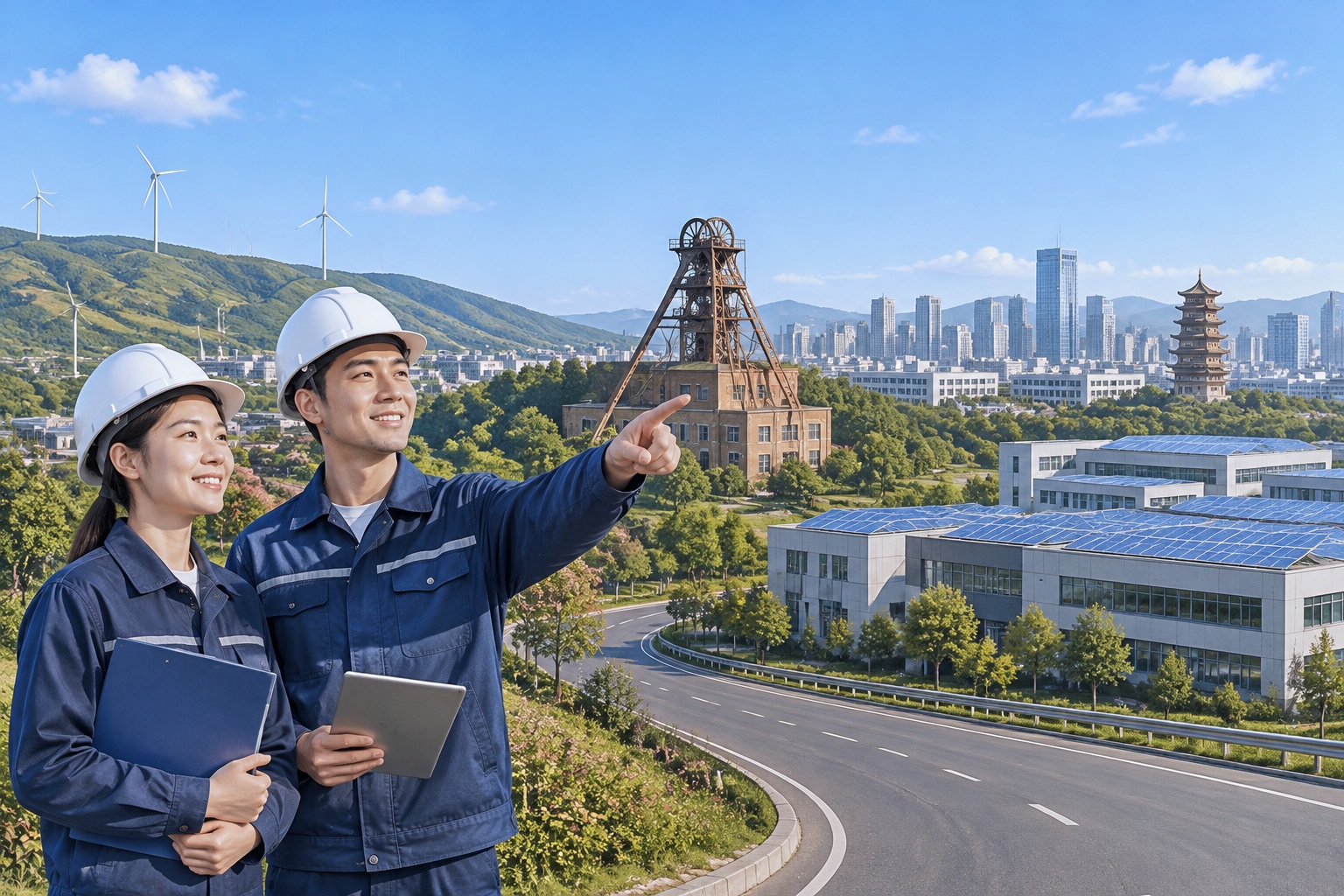

One Family’s Journey Out of the Coal Pit
In a clean, bright control room in Taiyuan, the capital of Shanxi province, 42-year-old Li Wei monitors dozens of screens showing underground sensors, temperature data, and robotic mining machines. He used to work underground, shifting through black seams with a pickaxe. Today he is a remote operator for a coal mine that is so automated that fewer than 200 miners are needed for a production shift that once required 5,000. “I have the same job title as my father,” he says, “but my work is nothing like his.”
Li’s wife, Zhang Min, works at a new lithium-battery cathode material plant on the outskirts of the city. Their son is studying data analytics at a local university. The family’s dinner-table conversations about cloud computing and supply chains would have been unintelligible to the previous generation, whose world revolved around coal trucks and pithead gear.
Li’s story is not a propaganda poster. It reflects a real shift unfolding across Shanxi, a province in northern China that has long been synonymous with coal. For decades, “digging coal” was the main job, the main source of wealth, and for many, the only future. Now the province is trying to write a different chapter.
Coal’s Legacy and the Pressure to Change
Shanxi sits on the world’s largest coalfield and produces about a quarter of China’s coal. Nearly half of the 34 million residents live in coal-dependent towns. The industry has created fortunes but also left a deep mark: polluted water, collapsed ground, and a single-track economy.
By the early 2010s, the limits of this model were clear. Coal prices crashed in 2012, hurting the province hard, while air quality in cities like Taiyuan was among the worst in the country. Meanwhile, China’s push for carbon neutrality by 2060 means the long-term future of coal is uncertain. Facing the inevitable, Beijing designated Shanxi as a “national resource-based economic transformation demonstration zone” in 2010, giving it policy support to pursue diversification.
That policy has translated into concrete action. The province has closed thousands of small, unsafe mines since 2016. It has also poured capital into technology parks, incubators, and infrastructure upgrades. According to official data, non-coal industries have been growing faster than coal for seven straight years. The share of the service sector in the provincial economy now exceeds 50 percent, a historic first.
Four Transformations: How Shanxi Is Changing
1. Upgrading Coal: From Mining to Mining Data
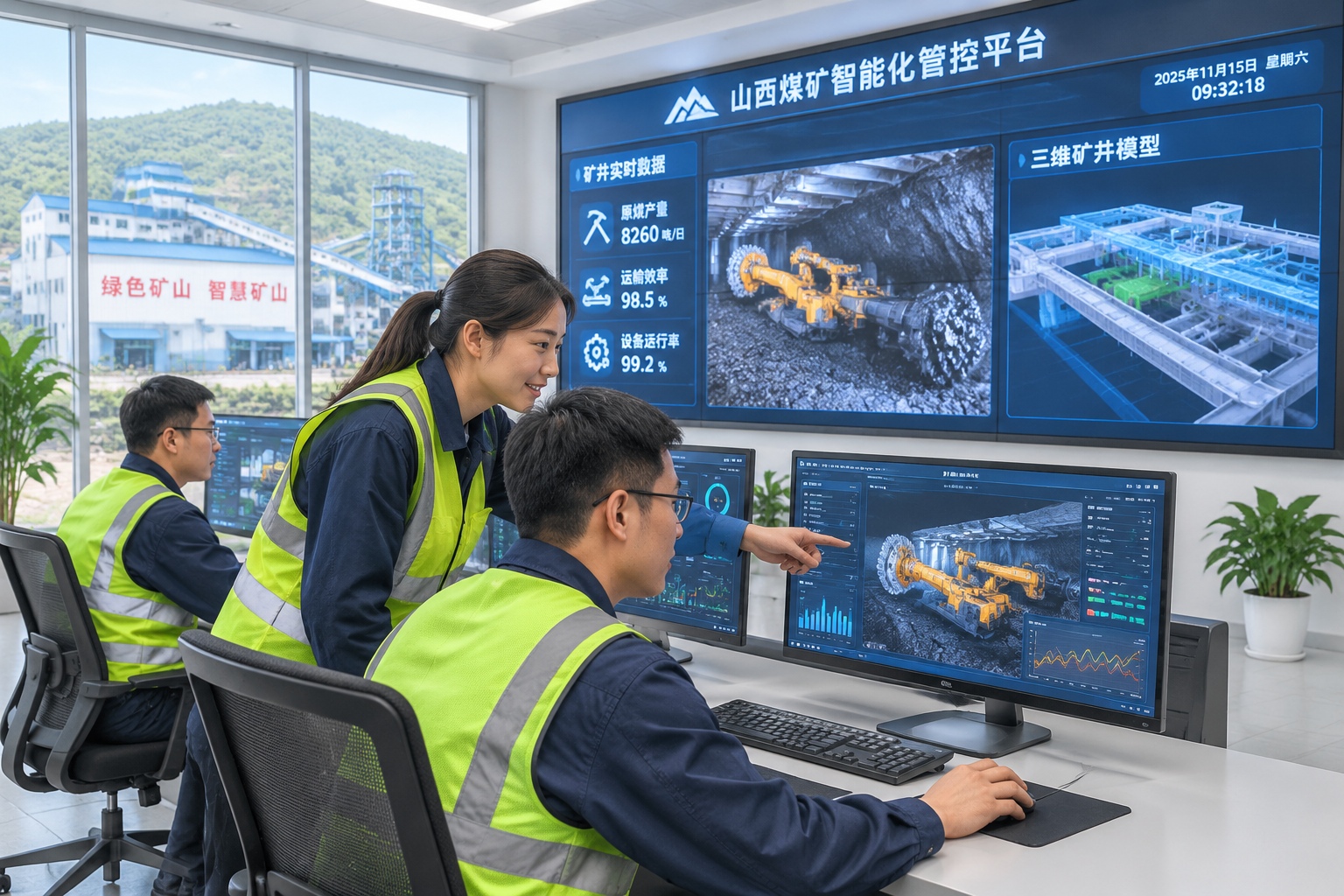
The most immediate transformation is inside the coal mines themselves. Robotic shearers, 5G-connected sensors, and AI-powered safety systems are making mines safer and more efficient. By 2023, Shanxi had built more than 30 intelligent coal mines and planned to have over 100 by 2025. Fewer workers are needed underground, but new jobs are created for engineers and data analysts.
At a modern “digital mine” near Datong, a roofed haulage system transports coal from the pit to the rail yard without human intervention. The control room, staffed by a dozen young technicians, looks more like a gaming arcade than a mining operation. “We still produce coal, but we do it the way you might run a Tesla factory,” says mine director Wang Jian.
2. Building High-Tech Industries
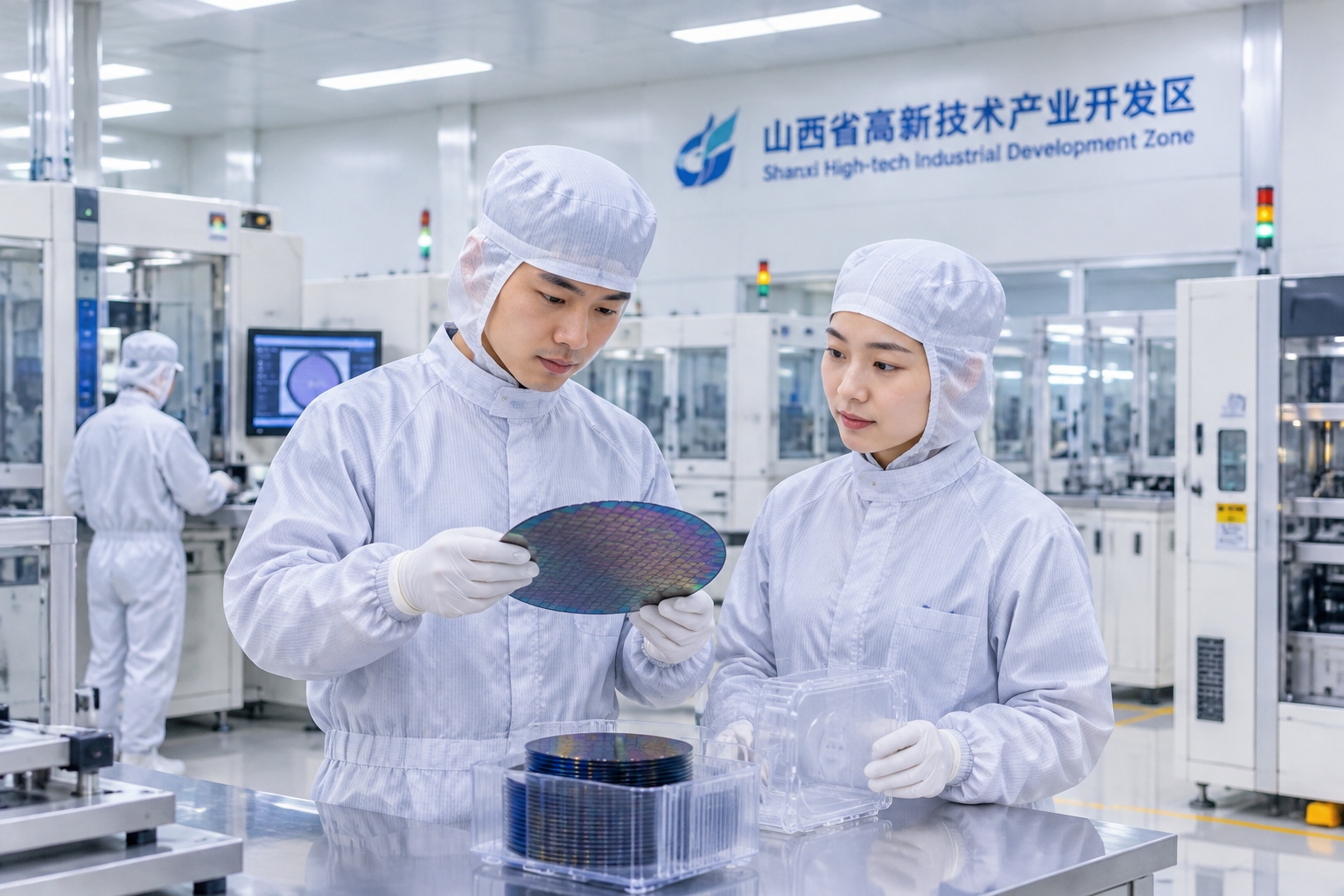
Shanxi is now the base for electronics companies like Foxconn, which has a massive campus in Taiyuan producing iPhone components. The province manufactures semiconductors, display panels, and new energy vehicle batteries. Its “Xiangqi” project, a computer server company, has become a domestic leader. In 2022, Shanxi’s high-tech industries grew by 9.7% year-on-year, three times faster than coal, according to provincial authorities.
One of the most striking success stories is the rise of the “Shanxi Transition Demonstration Zone” in the southern part of the province, a planned urban district where new business registration takes just half a day. It now hosts over 3,000 high-tech firms, including maker of semiconductor materials, industrial robots, and lithium-battery components.
3. Green Energy: Sun and Hydrogen
True to its name “Shanxi” (literally “west of the mountains”), the province has abundant wind and solar resources. By 2023, its installed solar and wind capacity had reached 41 gigawatts, equal to more than four large nuclear power plants. Hydrogen is another bet: Shanxi produces a third of China’s hydrogen with steam coal, but it is now developing greener ways to extract it from industrial waste gas. Datong, once a coal center, tests a fleet of hydrogen-powered buses.
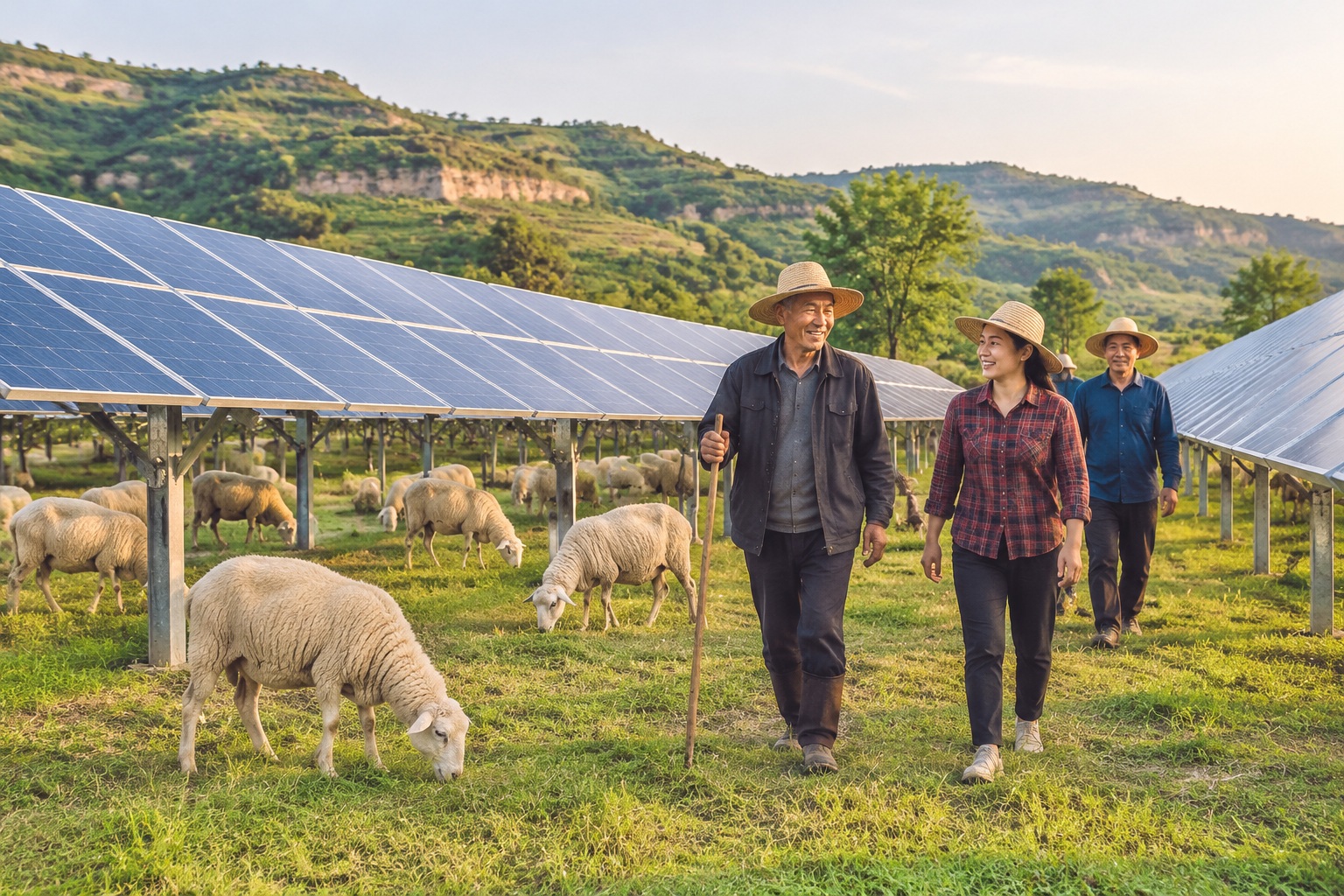
In the formerly mined-out regions, solar farms now stand on land that was once stripped of life. Under the photovoltaic panels, farmers grow herbs and graze sheep. This “solar + agriculture” model has created more than 200,000 jobs, according to a local renewable energy association.
4. Tourism and Culture: Forget Stereotypes
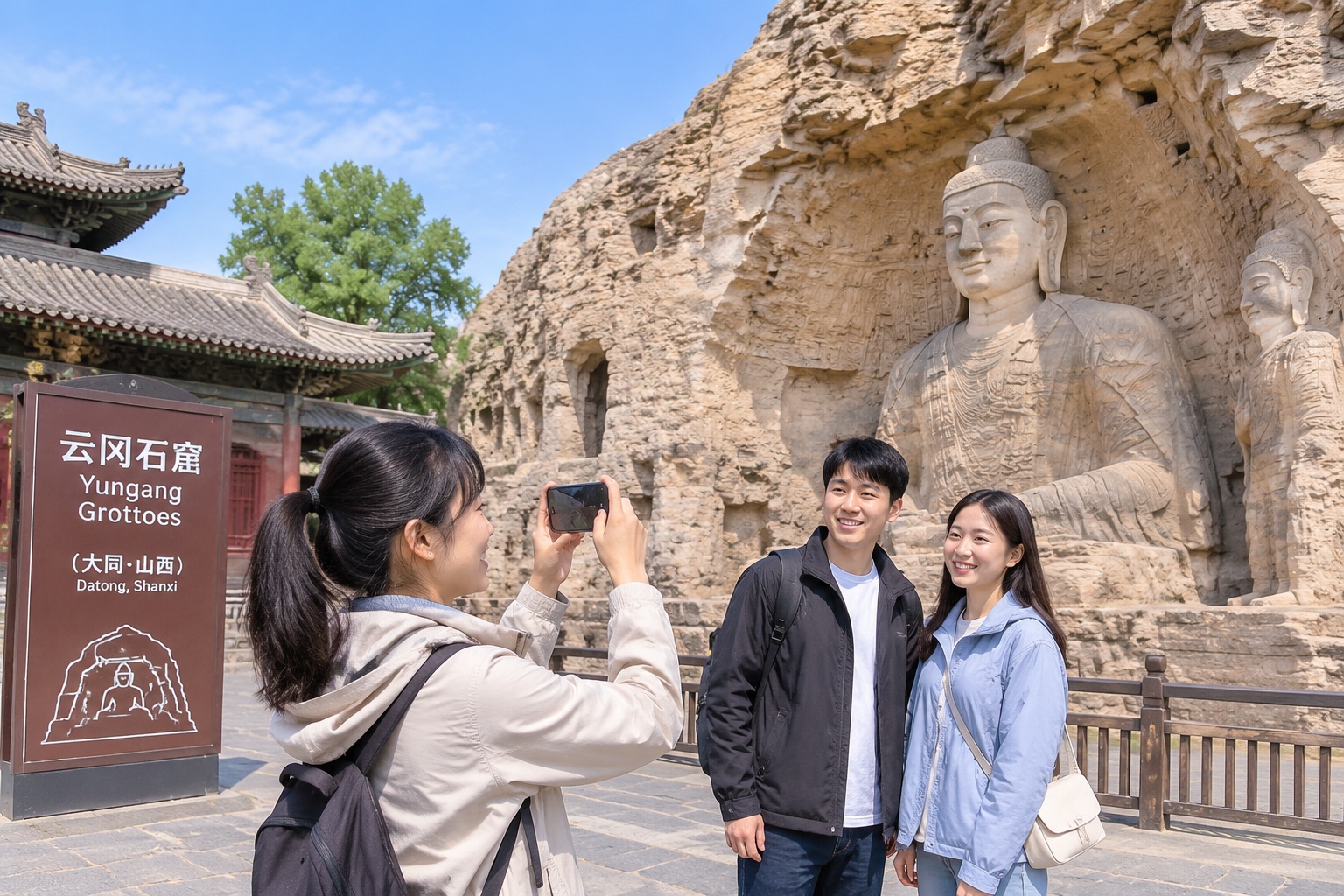
Few know that Shanxi is home to some of China’s oldest wooden architecture. The Yungang Grottoes, a UNESCO site carved in the 5th century, now attracts millions of visitors. The ancient city of Pingyao, known for its well-preserved city walls and banks, has become an international tourist magnet. In 2022, Shanxi’s tourism revenue reached about 340 billion yuan (roughly $47 billion), a 23% increase from the year before.
The province has also turned some disused mining sites into educational parks. The Yangquan Coal Mine, for example, now houses a museum where tourists can ride an old mining train and learn about the region’s industrial heritage. These attractions help diversify the economy and change the image of a “black” region.
What People Feel: A Life Less Dusty
Change is visible in small things: The air over Taiyuan is much cleaner. In 2022, the city had 40 fewer days of heavy air pollution than in 2015. New subway lines now connect neighborhoods that were once mining towns. The youth are less interested in inheriting the family’s coal job. A recent survey found that among graduated students in the provincial capital, 78% sought jobs in non-coal sectors.
But not everyone benefits equally. Towns that rely on remote mining see depopulation. The transition is a “new normal” in Chinese management-speak, but in reality it’s a bumpy road. Retraining coal miners takes time and money, and some workers in their 50s are simply too old to start over in a software company.
The Hard Road Ahead
Shanxi’s transformation is not complete. Coal price fluctuations still strongly sway its economy. In 2021-2022, as China faced an energy crunch, Shanxi was asked to boost output, which temporarily slowed diversification. The province lacks enough research institutions and venture capital compared to Beijing or Shenzhen. And the aging workforce of the mines needs retraining.
There is also a structural gap: while Taiyuan and a few cities thrive, many smaller coal-dependent counties have not found a viable alternative. The provincial government has set up a “transition fund” to support these areas, but the results are uneven.
Conclusion: A Blueprint for Resource-Dependent Regions?
Shanxi’s story matters beyond China. Many provinces in China and countries around the world are resource-dependent in similar ways. Shanxi’s cautious, difficult, but real transformation shows that an industrial history is not destiny. With the right policies, investment in innovation, and social adaptation, places stuck in “coal-headed” development can pivot to a more balanced economy. It doesn’t happen overnight, but it happens.
As a worker in Taiyuan’s new energy sector put it: “We aren’t ashamed of our past. We just don’t want it to be our future.”