

A Tuesday dinner in Changsha
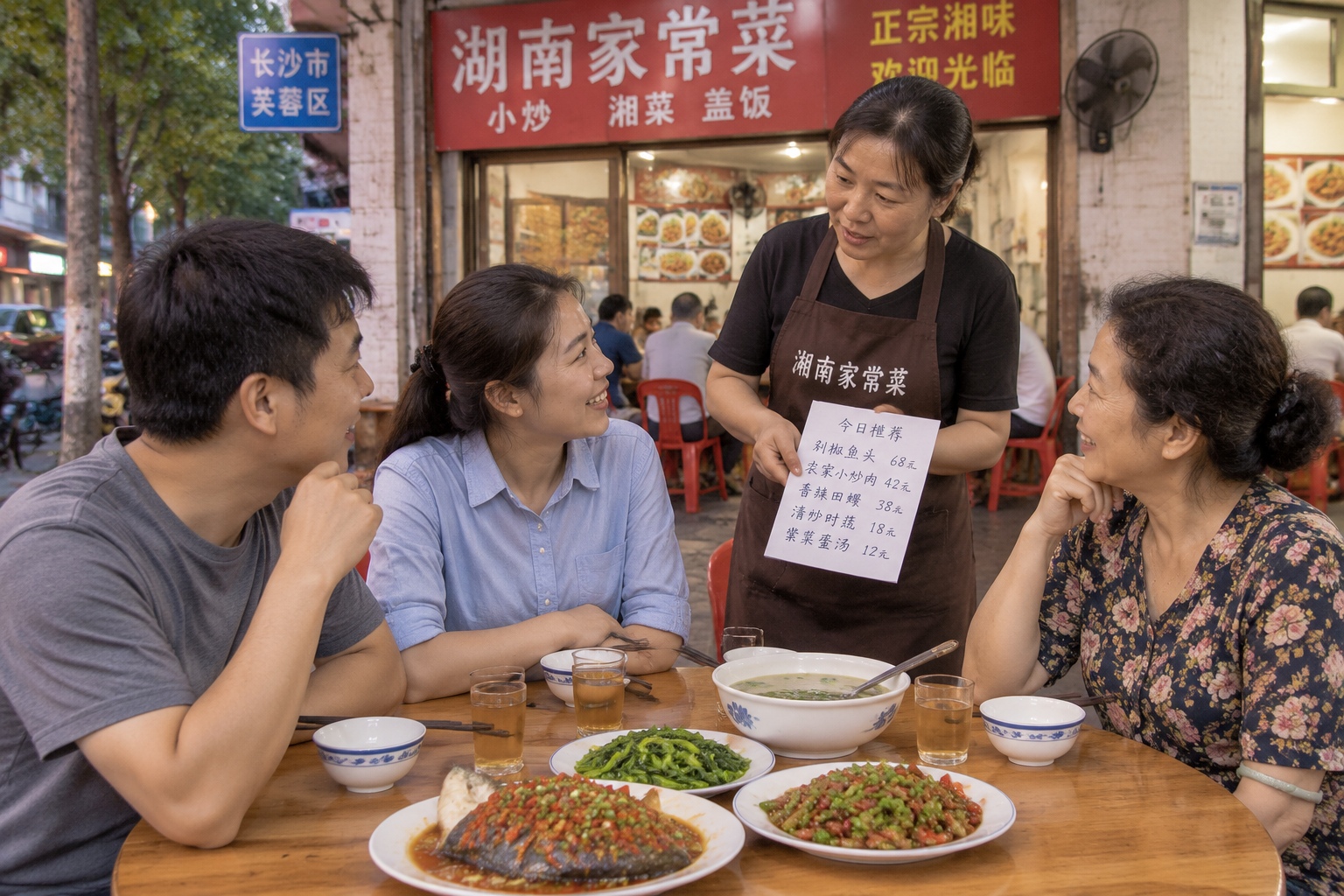
At 7:20 on a humid Tuesday in Changsha, the capital of Hunan Province in south-central China, a small restaurant with six tables is already full. The menu is laminated and stained with soy sauce. A waitress in a dark apron stands beside a table of five friends and two relatives. She does not ask whether they want spicy food. She asks how spicy.
“Mildly spicy,” says the man in the gray T-shirt. He is 31, an office worker, and he has just come from the subway.
The waitress hesitates. “Our mildly spicy still has some heat.”
Everyone laughs. His mother-in-law orders steamed egg for the eight-year-old. The child drinks iced soy milk. The table orders a chopped-chili fish head, stir-fried pork with fresh chilies, a plate of greens, and a bowl of winter melon soup. One dish is fierce. One is almost gentle. This is the moment the question appears: Is the heat of Hunan cuisine a portrait of Hunan people? It is a tempting shorthand. In my experience, it is also too simple.
Hunan food is not just heat
For readers outside China, Hunan cuisine is often called Xiang cuisine. Hunan is the province; Xiang is its short name. Changsha is its best-known food city, but the province is large, with mountains, rivers, and very different local tables.
The first correction is that Hunan food is not a single wall of fire. Chopped chili, sour chili, dried chili, smoked meat, and fermented beans do different jobs. A classic like chopped-chili fish head is bright and sharp. Stir-fried pork with chili is fast, oily, and built for rice. Cured pork steamed with dried vegetables is salty and smoky. A bowl of rice noodles in the morning may be sour, hot, or mild, depending on the shop and the customer.
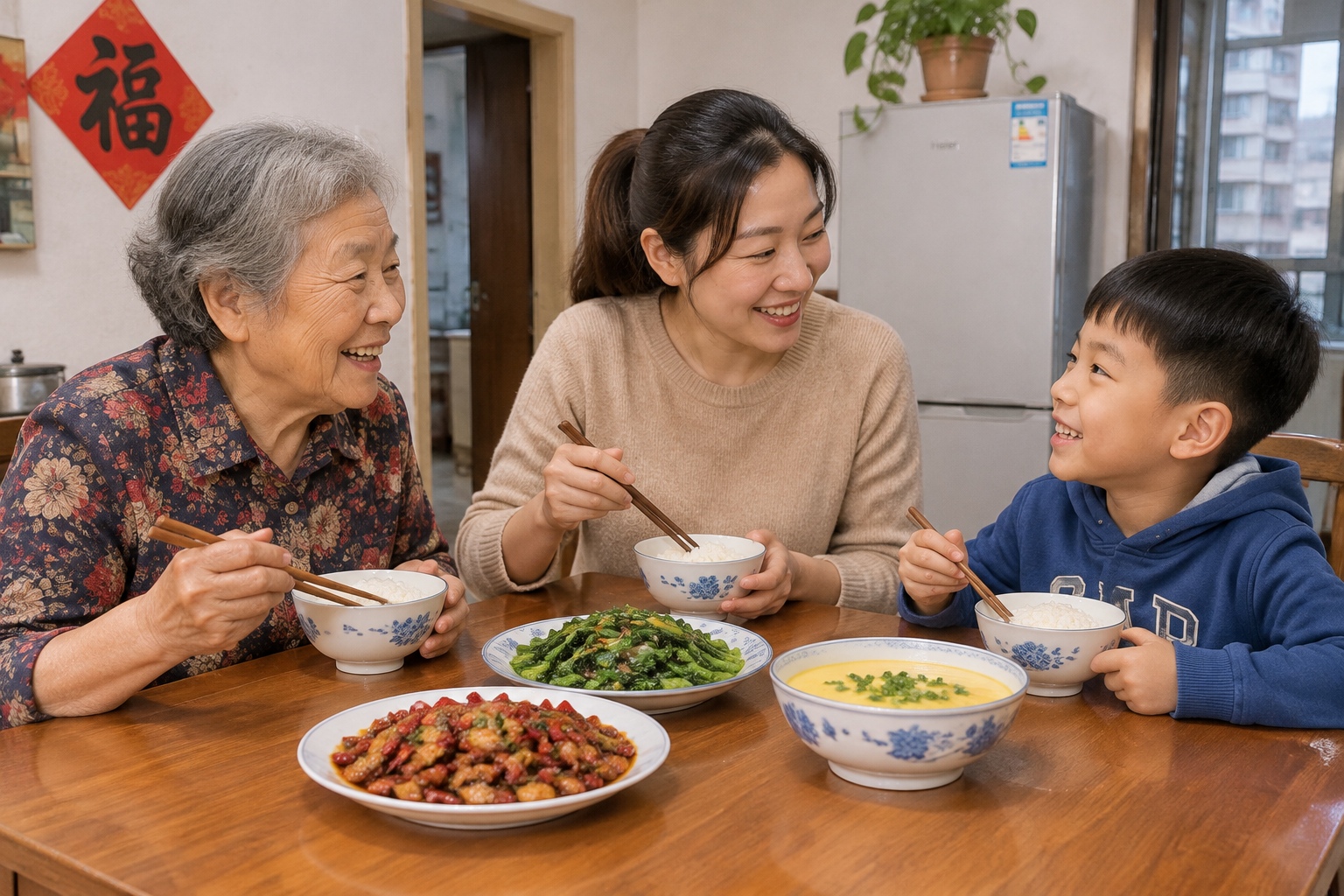
There are also dishes with no chili at all: steamed egg, winter melon soup, stir-fried greens, sweet rice cakes. In many homes, a spicy dish sits next to a mild one. The table is a negotiation, not a test.
Local habits vary too. In western Hunan, sour and spicy flavors are common. In some southern counties, cured meat and salted chili carry more weight. In Changsha, restaurant cooking often leans on fresh chili and chopped chili. If you order “Hunan food” in another city, you may get a louder, sweeter, or oilier version. Regional cuisine changes as it travels.
Where the heat comes from
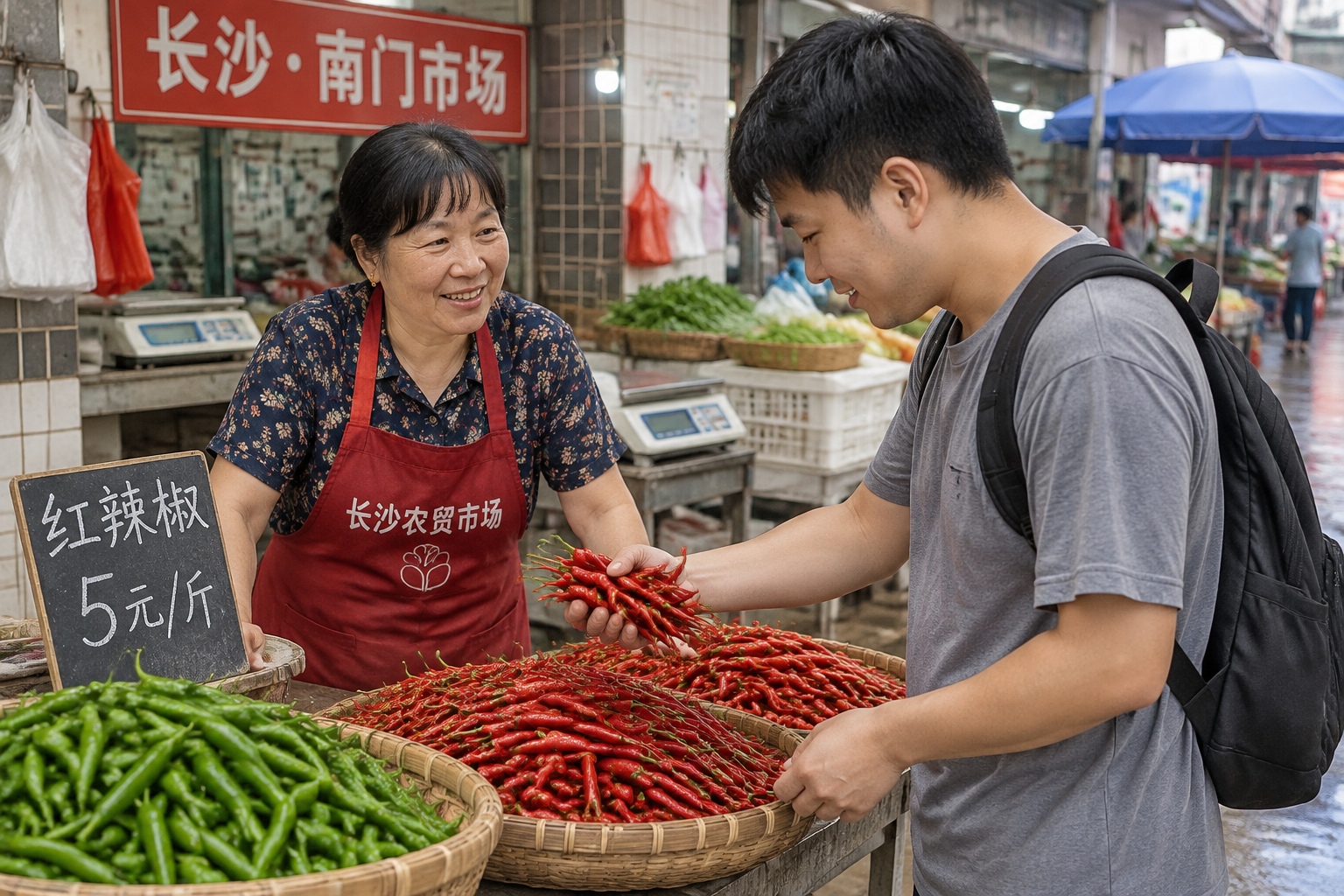
Chili peppers are not ancient in China. They arrived from the Americas in the late Ming and early Qing periods, roughly the 16th and 17th centuries. Hunan did not invent them. People in the province adopted them because they solved practical problems.
Hunan is humid. Summers are long and sticky; winters can be damp and cold. Before refrigeration, drying, salting, smoking, and fermenting were ordinary ways to keep food. Chili could be dried, ground, pickled, or turned into sauce. It also made plain rice easier to eat. In a poor mountain village, a spoonful of chili sauce and a bowl of rice could be a meal.
So the heat is not only a personality trait. It is a response to climate, agriculture, and household economics. A chili pepper is a small technology: it preserves, it flavors, it stretches a dish. When people say Hunan food is spicy, they are describing the result of a long practical conversation between people and their environment.
What ordinary people actually order
On a weekday lunch break in Changsha, a young office worker orders chili stir-fried pork, a bowl of rice, and iced tea. She asks for less oil and mildly spicy. The shop still adds a handful of fresh chilies. She eats half and takes the rest home.
A delivery rider stops at a rice-noodle shop. He has twenty minutes. He orders noodles with pickled beans and chili, because it is quick, cheap, and warm. An older man in the same shop asks for plain noodles and a boiled egg. No chili. Nobody treats this as a betrayal of Hunan identity. It is just lunch.
In family homes, the negotiation is clearer. A grandmother may spoon soup for a grandchild before adding chili to her own bowl. A father may love cured meat but cook a separate egg dish for a daughter who cannot handle heat. A migrant worker back from Guangdong may bring a taste for lighter food; a cousin from the countryside may bring a jar of homemade chili sauce. The table holds both.
Takeout has changed the language of spice. On food delivery apps, customers write notes: less spicy, no chili, less oil, extra chili on the side. Restaurants have learned to offer “mild,” “medium,” and “Hunan spicy.” The last one is not a scientific measure. It is a social signal.
How the spicy personality label stuck
The idea that Hunan people are spicy in character is easy to remember. It travels well in television, tourism ads, restaurant brands, and social media. Hunan has a longer local saying about character: people who can endure hardship, stand firm, and keep going. In the popular imagination, chili becomes a visible sign of that toughness.
Restaurant chains help too. A brand that sells “authentic Hunan spice” gives visitors a clear story. A bowl of red chili is photogenic. A mild steamed egg is not. The label is useful for marketing, and it gives outsiders a quick handle.
The problem is that a label is a shortcut, not a census. Some Hunan people love extreme heat. Some eat very little. Young women in Changsha may order milk tea with their spicy meal; older men may prefer a plain bowl of soup. A person from one county may find another county’s food too salty, too sour, or not spicy enough. “Hunan people” is not a single palate.
This matters beyond food. Regional stereotypes can be fun at the table and flattening outside it. The spicy label tells you something about local ingredients and food habits. It cannot tell you how a particular person will vote, work, care for family, or treat a stranger.
A changing menu
Walk through a mall in Changsha on a Saturday and you see the change. A Hunan chain restaurant sits next to a Cantonese restaurant, a Sichuan hotpot place, a Japanese noodle shop, and a light-meal café. Young couples compare wait times. Families with children look for a place with mild options.
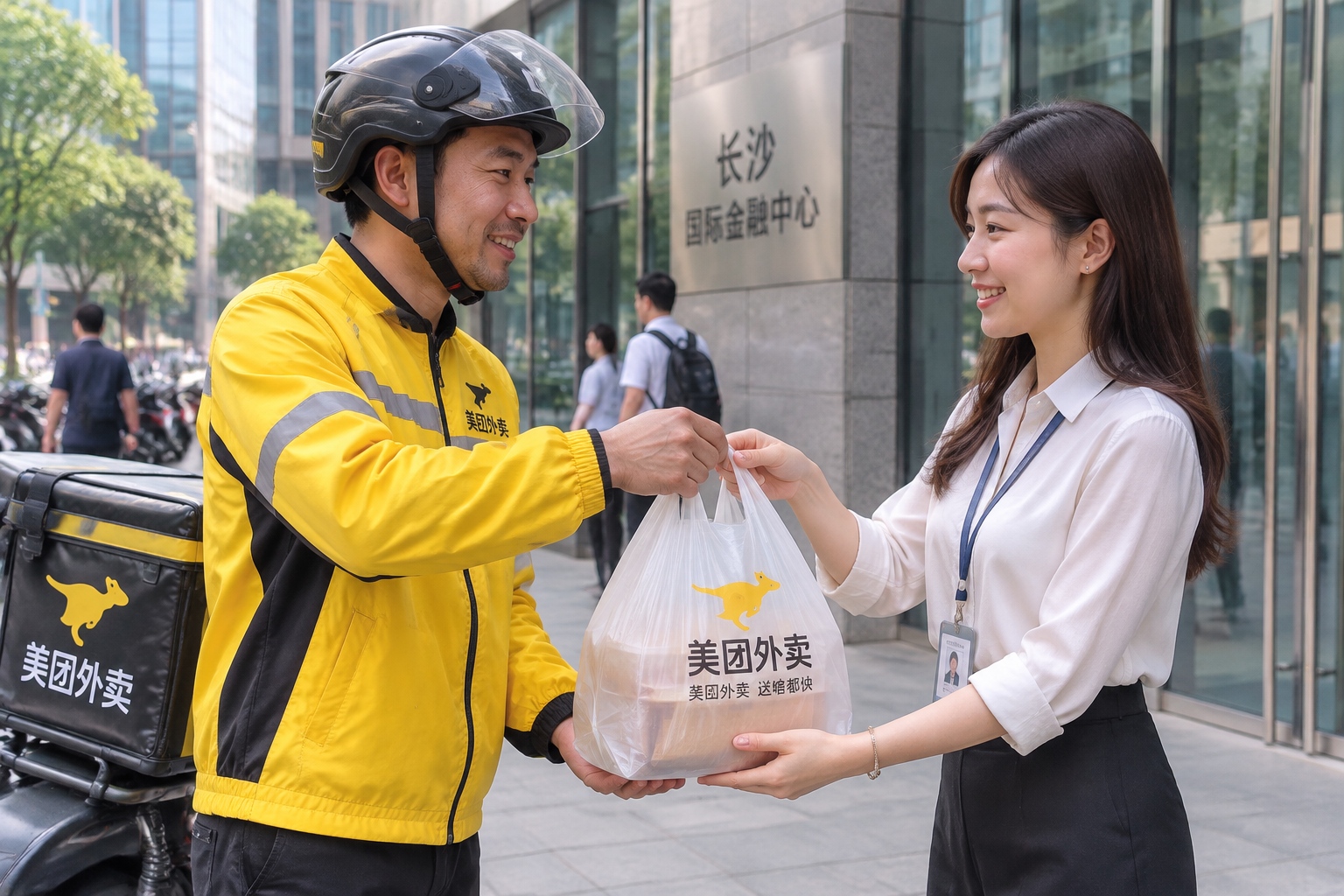
Hunan restaurants are adapting. Many offer less oil, less salt, and a choice of spice levels. Some serve tomato broth or steamed vegetables alongside the chili classics. Delivery apps make it easy to order one spicy dish and one mild dish for the same table. Health worries, smaller households, and busier schedules all shape the menu.
Young people also treat food as a personal choice. They grew up with more choices than their parents. They may love Hunan food culture and still ask for mild. They may eat spicy food on Friday and a salad on Monday. This is not a rejection of local taste. It is what happens when a cuisine becomes part of a bigger, faster, more connected food scene.
Chili is still central. The smell of fresh chilies in a hot wok is still the sound of dinner in many neighborhoods. But the menu is wider than the stereotype.
Back to the table
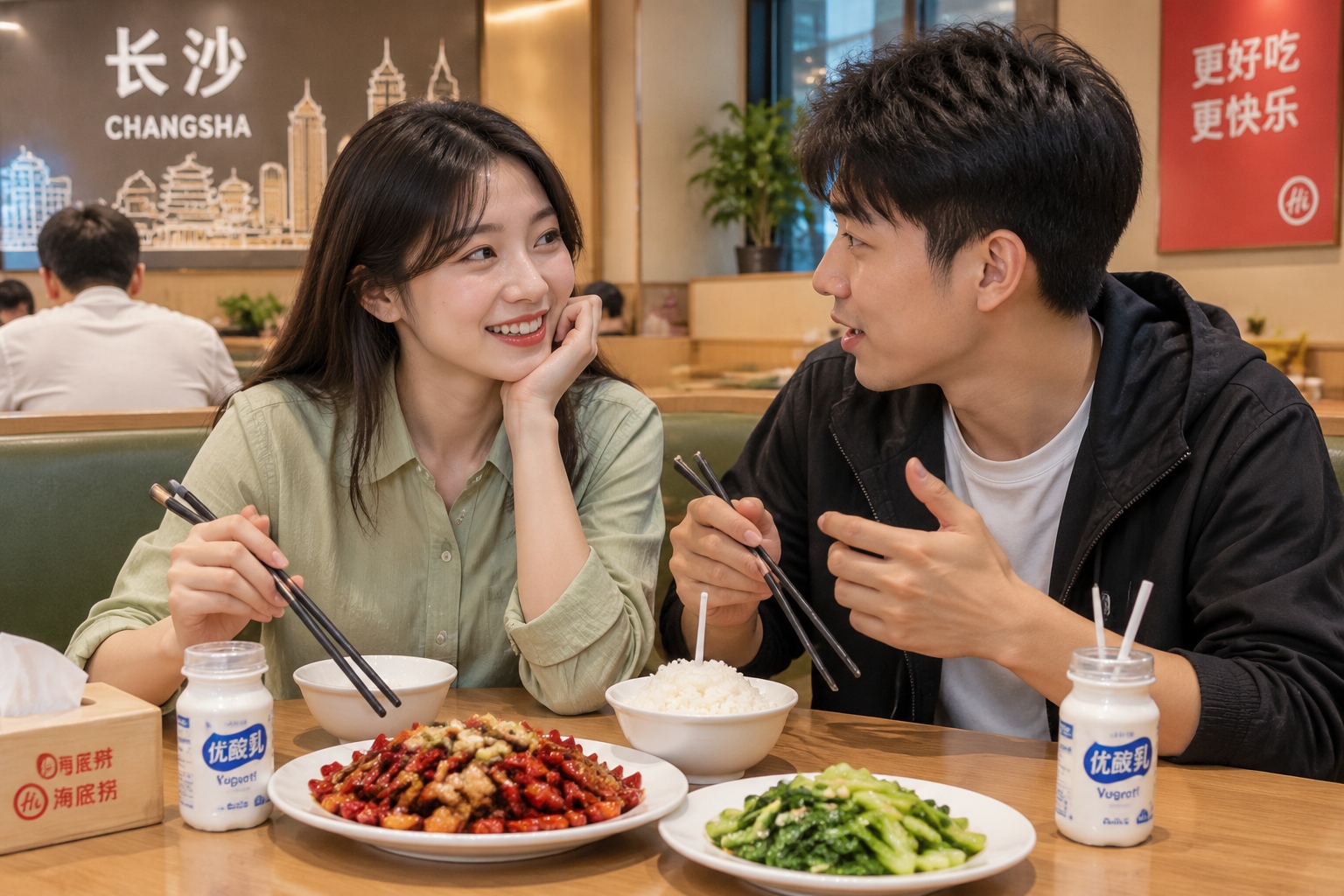
At the little restaurant, the fish head arrives under a layer of red and green chili. The child eats steamed egg. The grandmother spoons soup. The man in the gray T-shirt scrapes chili sauce from the edge of the plate, then reaches for more rice. Nobody is performing Hunan identity. They are just eating.
Is the spice of Hunan cuisine a reflection of its people? In part, yes: climate, produce, family memory, and daily habit have made chili central. But the heat is not a personality test. It is a practical answer to damp weather and plain rice, a family negotiation, a restaurant story, and a changing choice.
If you want to understand a place, do not start with the loudest slogan. Sit at an ordinary table and watch how people order. You will see the stereotype, the reality, and the space between them. On a Hunan table, that space is often filled with rice, soup, and a second helping of chili.