


The Wall of Text
Imagine sitting in a quiet café in Shanghai or London. A young person scrolls through their phone, not reading the classic Dream of the Red Chamber, but watching a short video clip from a wuxia drama, or listening to an audio drama about swordsmen on their commute. For decades, Jin Yong’s novels were the gold standard of Chinese literature. But for many non-Chinese readers, or even younger native speakers, those thick volumes can feel like a wall.
The language is dense. The historical context is deep. The character names are long and hard to remember. If you tried to hand a friend in New York a copy of The Legend of the Condor Heroes, they might open it, see 400 pages of traditional characters or complex translated prose, and put it down.
But wuxia—the genre of martial arts heroes—is not dead. It has just changed shape. Today, it survives and thrives in formats that fit into pockets, headphones, and social media feeds. For those who find the original books too difficult, there are now multiple doors to enter this world.

Visual Entry: Comics and Manhua
The most immediate bridge for visual learners is the comic adaptation. In China, these are often called manhua. Unlike Western comics, which might focus on a single hero’s journey in 30 pages, wuxia manhua often serialize over years, adapting the entire novel chapter by chapter.
These adaptations strip away the dense internal monologues and historical explanations, replacing them with dynamic action sequences. You see the sword fights. You see the flying on rooftops (a staple of wuxia called qinggong). The art style varies from realistic ink wash paintings to anime-inspired styles that appeal to global audiences.
For overseas readers, this is a low-commitment way to understand the plot and characters. You don’t need to know the difference between the Ming and Qing dynasties to enjoy a well-drawn duel. Once you care about the characters visually, you might be tempted to pick up the book later.
Listening in the Dark: Audiobooks and Pingshu
If reading is hard, listening is easier. In China, pingshu (storytelling) has a long tradition. Think of it as an audio drama performed by a single narrator who uses voice modulation to play every character, add sound effects with their mouth, and pause for dramatic effect.
Today, apps like Ximalaya or dedicated audiobook platforms have digitized this experience. You can listen to The Smiling Proud Wanderer while washing dishes or driving. The narrator’s voice carries the emotion that text might miss. For learners of Chinese, listening is often more accessible than reading because you don’t need to decode complex characters in real-time.
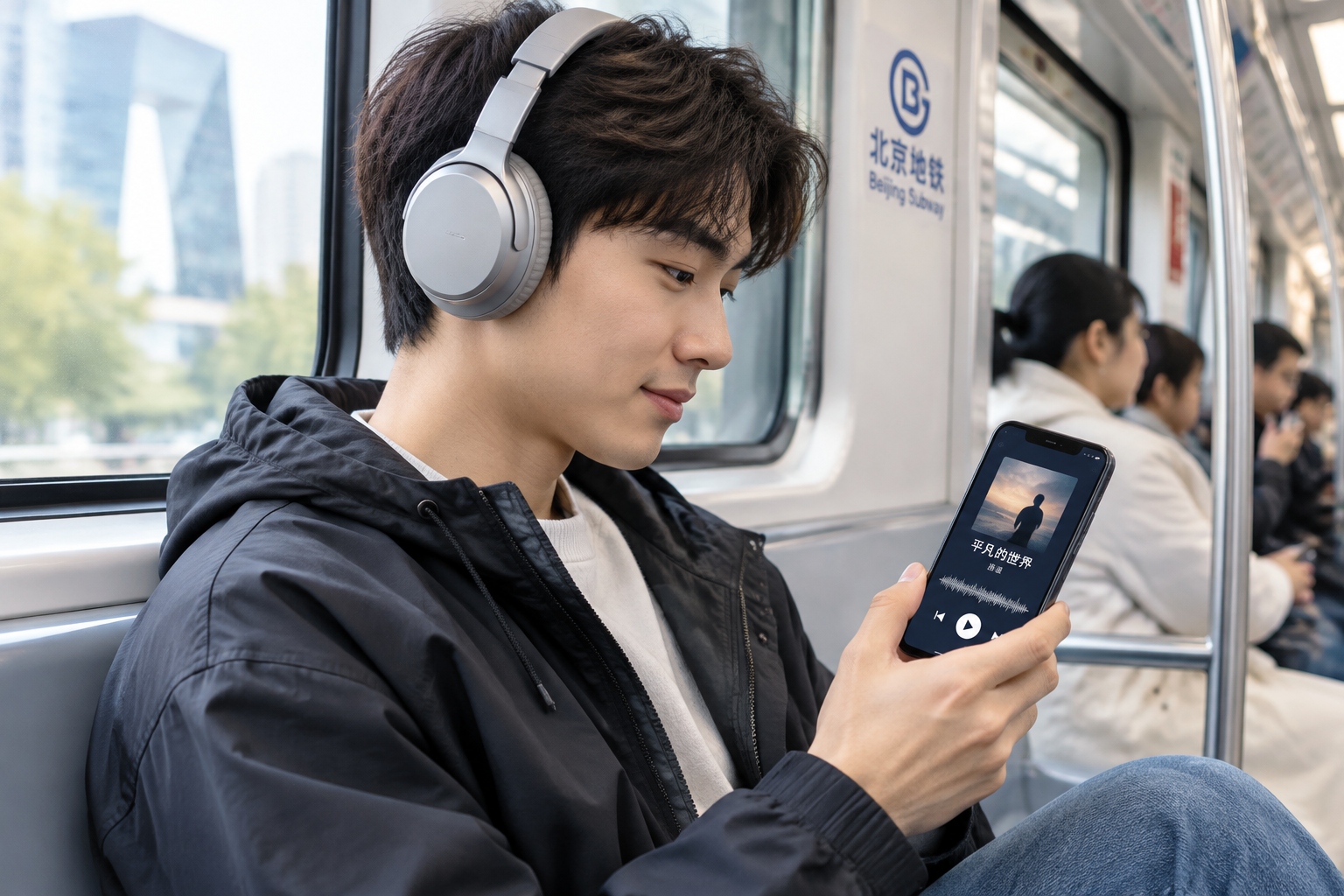
There is also a growing market for multilingual audiobooks. While high-quality English audio adaptations are still rare compared to text translations, the demand is rising. Platforms like Audible have begun testing wuxia titles, recognizing that global interest in Chinese culture is shifting from passive curiosity to active consumption.
Global Reach: Multilingual Adaptations
The idea that wuxia is only for Chinese readers is outdated. Publishers are actively translating and adapting these works into French, Spanish, Arabic, and Vietnamese.
In France, wuxia has a surprisingly loyal following. The translations there often include extensive footnotes explaining cultural references, but the core stories remain intact. In Southeast Asia, adaptations are often culturally closer, making them easier to absorb. For English readers, while Jin Yong’s novels have been translated, they can feel archaic due to the translation style of the 1970s and 80s.
This is where modern graphic novel adaptations shine. Recent multilingual comics aim for a more contemporary language style. They use visual cues to explain cultural nuances without breaking the flow with footnotes. For example, instead of explaining what qi (life energy) is in a paragraph, the artist draws glowing energy around a character’s hands during a fight. It shows, rather than tells.
Why Younger Readers Prefer These Formats
Generation Z in China and abroad consumes content differently. Attention spans are shorter, but engagement depth can be higher if the format is right. Comics and audiobooks offer what sociologists call “ambient consumption.” You can engage with wuxia while doing other things.
Moreover, social media algorithms favor visual and short-form audio content. Clips of dramatic sword fights or emotional plot twists from wuxia dramas go viral on TikTok and Douyin (the Chinese version of TikTok). These clips act as trailers for the broader franchise. A user might watch a 15-second clip of a character’s betrayal, search for it, find a comic series, binge-read it in an afternoon, and then buy the physical book.

Practical Advice: How to Start Reading Wuxia
If you are new to wuxia and feel overwhelmed by the original novels, here is a practical path:
- Start with Comics: Look for official manhua adaptations of The Legend of the Condor Heroes or Demi-Gods and Semi-Devils. The visual context helps you remember who is who.
- Try Audiobooks in Your Native Language: If available, listen to summaries or adapted stories. Even if full audio isn’t available, watching drama adaptations with subtitles can serve as a visual audiobook.
- Use Fan Wikis: Before starting the book, spend 10 minutes on a fan wiki understanding the main factions and relationships. This context makes reading much smoother.
- Pick Shorter Works First: Instead of tackling a 5-volume epic, start with shorter novels like The Sword, the Saber, and the Sibling. They have self-contained stories that are easier to digest.
The Survival Strategy
Wuxia is no longer just about preserving tradition. It is about adaptation. The core values—loyalty, honor, the struggle between personal desire and social duty—remain universal. But the delivery system has changed.
Publishers and creators understand that to keep wuxia alive, they must meet readers where they are: on their screens, in their headphones, and in their native languages. The paper book remains a prestigious object for collectors and purists, but the real growth is happening in the margins—in comics, audio files, and digital adaptations.
For overseas readers, this means you no longer need to be a sinologist to enjoy wuxia. You just need to pick the format that fits your life. The swordsmen are waiting for you, whether they are drawn on a page, spoken into a microphone, or animated on a screen.