

Introduction: A Waterway of Words
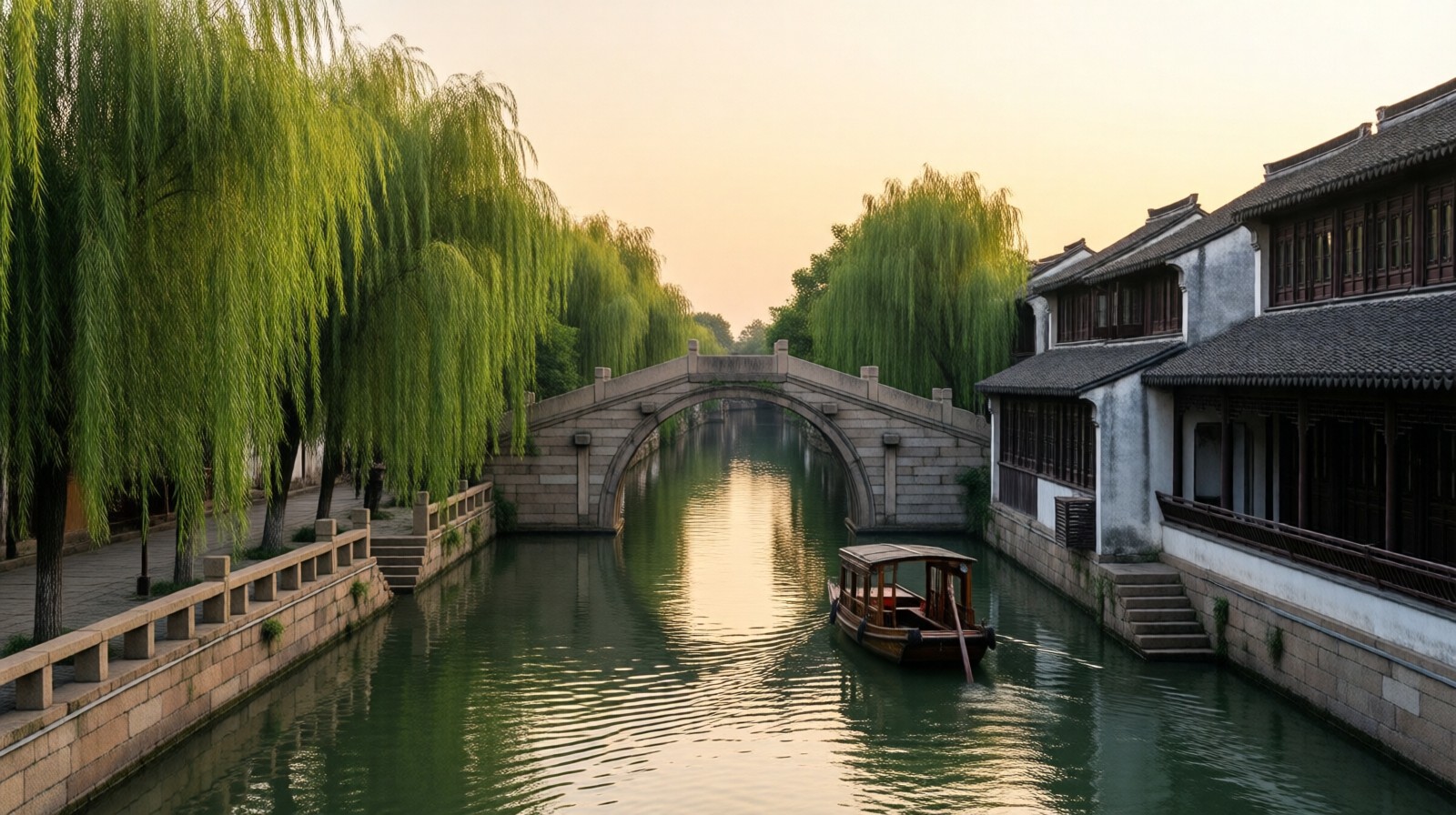
Imagine strolling along a canal in Suzhou at dusk. The willow trees brush the water, and an old stone bridge arches over the quiet flow. This is the kind of scene that has inspired Chinese writers for centuries. The Grand Canal of China—the world’s longest artificial waterway—is not just a feat of engineering; it is a living thread that weaves through the fabric of Chinese literature. Many of the country’s most beloved novels, poems, and stories were born along its banks.
The Canal and the Four Great Classical Novels
Romance of the Three Kingdoms
Luo Guanzhong’s epic novel is set in the turbulent Three Kingdoms period, long before the canal was fully built. Yet the canal region—especially Yangzhou and Zhenjiang—became strategic battlegrounds in later dynasties, and the novel’s themes of loyalty and strategy resonated deeply with canal merchants and scholars who traveled the waterway.
Water Margin (Outlaws of the Marsh)
Shi Nai’an’s tale of 108 outlaws is set in the marshlands of Shandong, which were directly connected to the canal. The city of Liangshan, where the outlaws gathered, is near the canal. The novel’s depiction of brotherhood and rebellion against corruption found a ready audience among boatmen and laborers who worked the canal.
Journey to the West
Wu Cheng’en’s fantasy novel incorporates folk tales from the canal region. The Monkey King’s adventures often feature river crossings and watery realms, mirroring the experiences of canal travelers. The city of Huai’an, where Wu Cheng’en lived, is a major canal hub.
Dream of the Red Chamber
Cao Xueqin’s masterpiece is deeply tied to the canal. The Jia family’s wealth came from salt trade along the canal. The novel’s descriptions of gardens, boats, and leisurely life reflect the canal-side culture of Jiangnan. Many scholars believe the fictional Grand View Garden was inspired by gardens in Suzhou and Yangzhou, both canal cities.
A Poem That Made a Bridge Famous: Zhang Ji’s ‘Mooring by Maple Bridge at Night’
One of China’s most recited poems was inspired by a canal scene. Zhang Ji, a Tang dynasty poet, wrote:
Moon sets, crows caw, frost fills the sky;
River maples, fishing lights, counter my sleepless sigh.
Beyond Suzhou’s Cold Mountain Temple bell,
Sounds reach my boat at midnight, a story to tell.
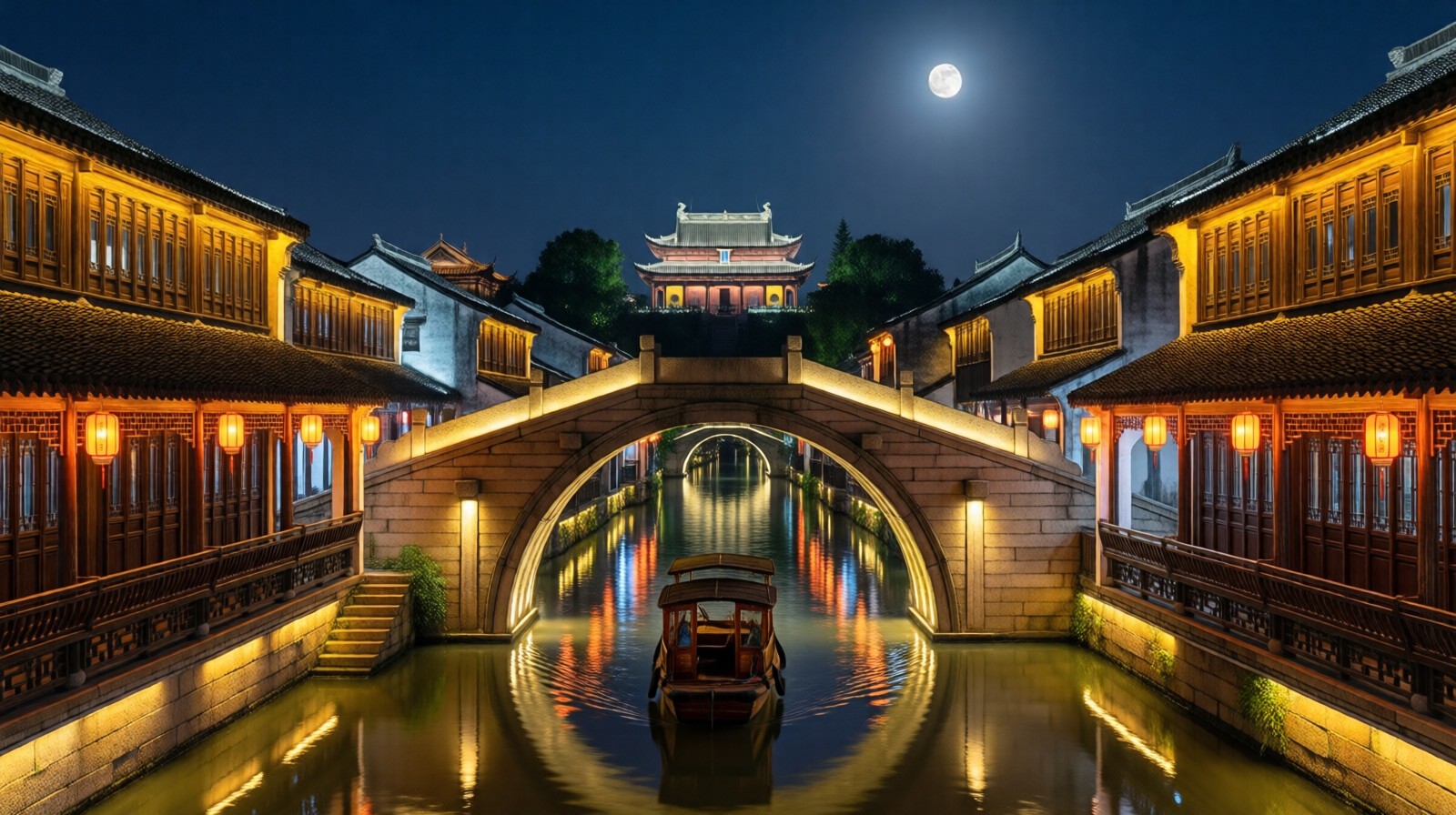
The poem made Maple Bridge (Fengqiao) in Suzhou famous. Today, tourists flock to the bridge and temple, expecting to feel the same melancholy beauty. The canal here is narrow, lined with ancient buildings. It’s easy to imagine the poet alone on his boat, the bell echoing over the water.
Why the Canal Attracted Writers and Poets
The Grand Canal was more than a transport route—it was a cultural superhighway. Merchants, officials, and scholars traveled along it, carrying books, ideas, and stories. Key reasons why writers gathered along the canal:
- Wealth and patronage: Canal cities like Yangzhou, Suzhou, and Hangzhou were prosperous, supporting literati who could afford to write and print books.
- Travel and exchange: The canal made it easy for writers to meet, share manuscripts, and debate. Literary societies flourished in canal-side teahouses.
- Inspiring landscapes: The canal’s beauty—bridges, willows, boats, temples—provided endless poetic material.
- Folk tales and opera: Canal towns were hubs for storytellers and opera troupes, feeding oral traditions that influenced written works.
More Poems and Stories from the Canal
Beyond Zhang Ji, countless poets celebrated the canal. Bai Juyi wrote about the canal’s construction and its impact on daily life. Du Mu’s poems evoke the pleasure boats of Yangzhou. The Qing dynasty novel Strange Tales from a Chinese Studio (Liaozhai Zhiyi) by Pu Songling includes many stories set in canal towns, where ghosts and foxes haunt the waterways.
Even Mao Zedong, in his poem ‘Swimming,’ referenced the canal’s modern incarnation as part of China’s water conservancy projects. But the most intimate connection remains in classical literature, where the canal is a silent witness to love, loss, and adventure.
Conclusion: A Literary Journey Worth Taking
Today, you can travel along the Grand Canal and visit the places that inspired these masterpieces. In Suzhou, walk along the ancient water alleys; in Yangzhou, see the Slender West Lake; in Hangzhou, end at the canal’s southern terminus. Each city has its own literary landmarks. The canal is not just a historical relic—it is a living museum of Chinese literature. Next time you read Dream of the Red Chamber or recite a Tang poem, remember: the canal helped make those words immortal.
Start the discussion at forum.chinacomes.com