
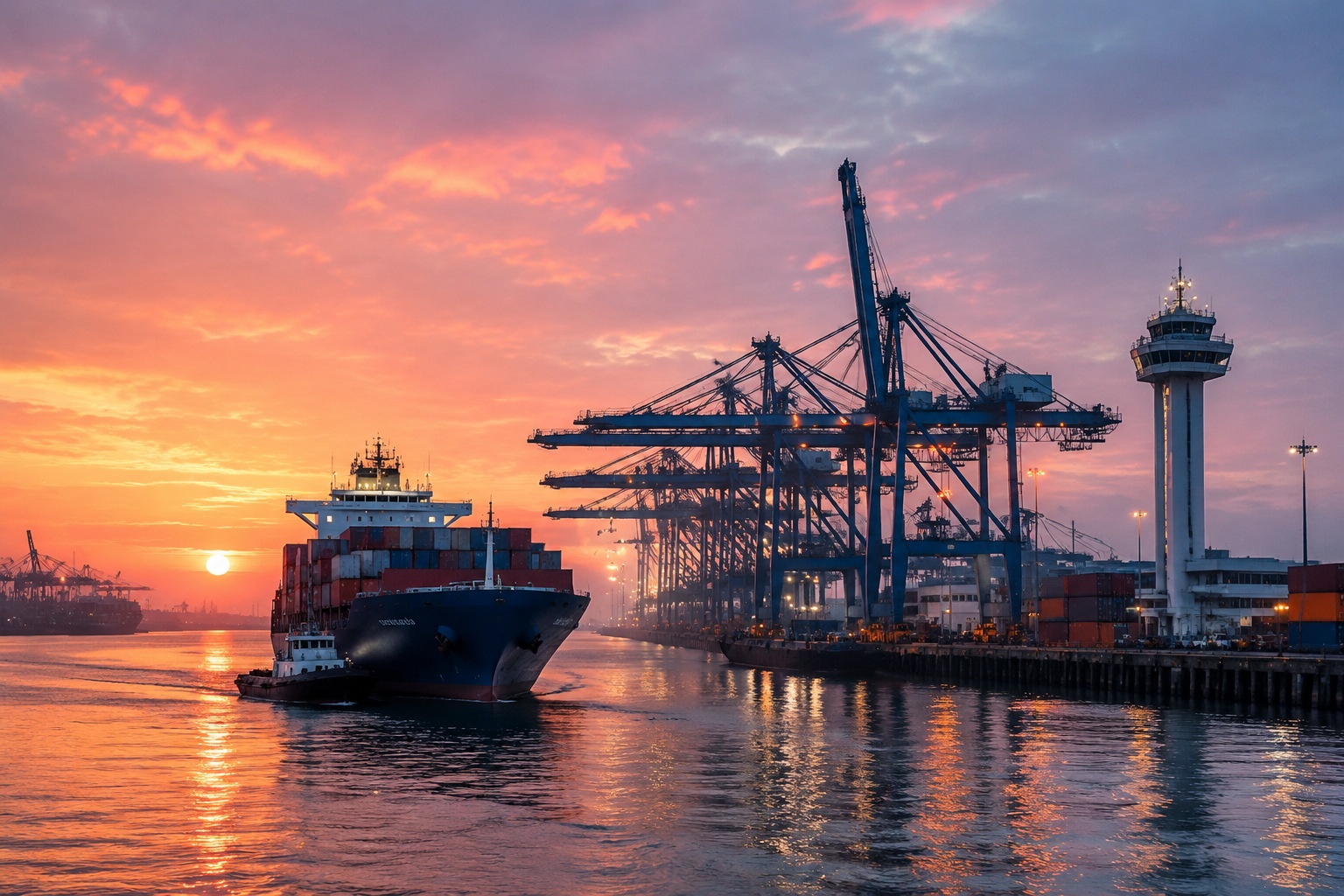

Dawn: The Dispatcher’s Desk
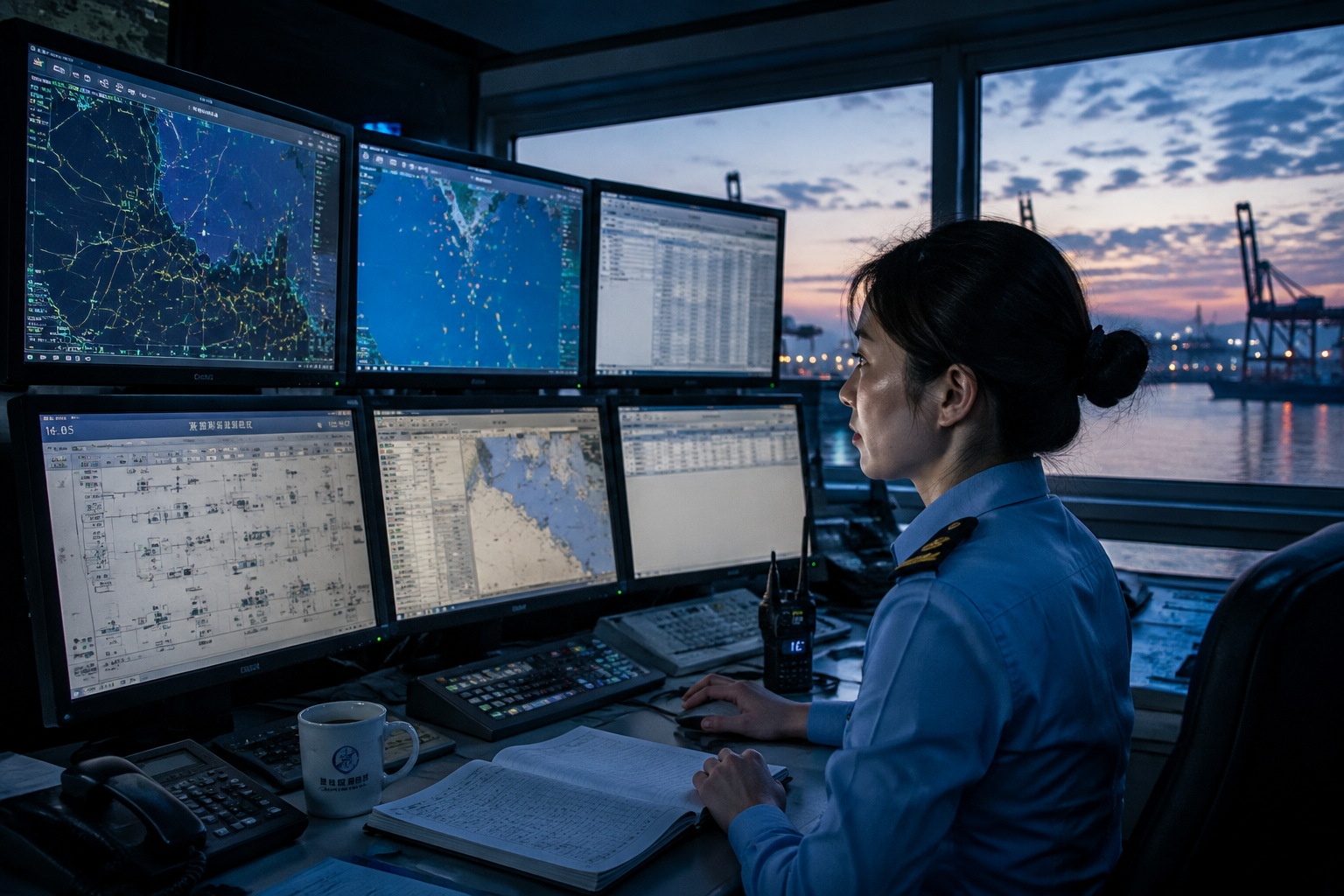
05:30. The control room at Ningbo Zhoushan Port glows blue from a wall of screens. A young dispatcher, Chen Wei, sips cold tea and adjusts the schedule for the next incoming vessel. ‘Every six minutes a ship needs instructions,’ he says, without looking away from the screen. The VHF radio crackles with a captain’s voice. Chen presses the talk button: ‘Berth 3B clear. Proceed.’ Outside, the first crane begins to groan.
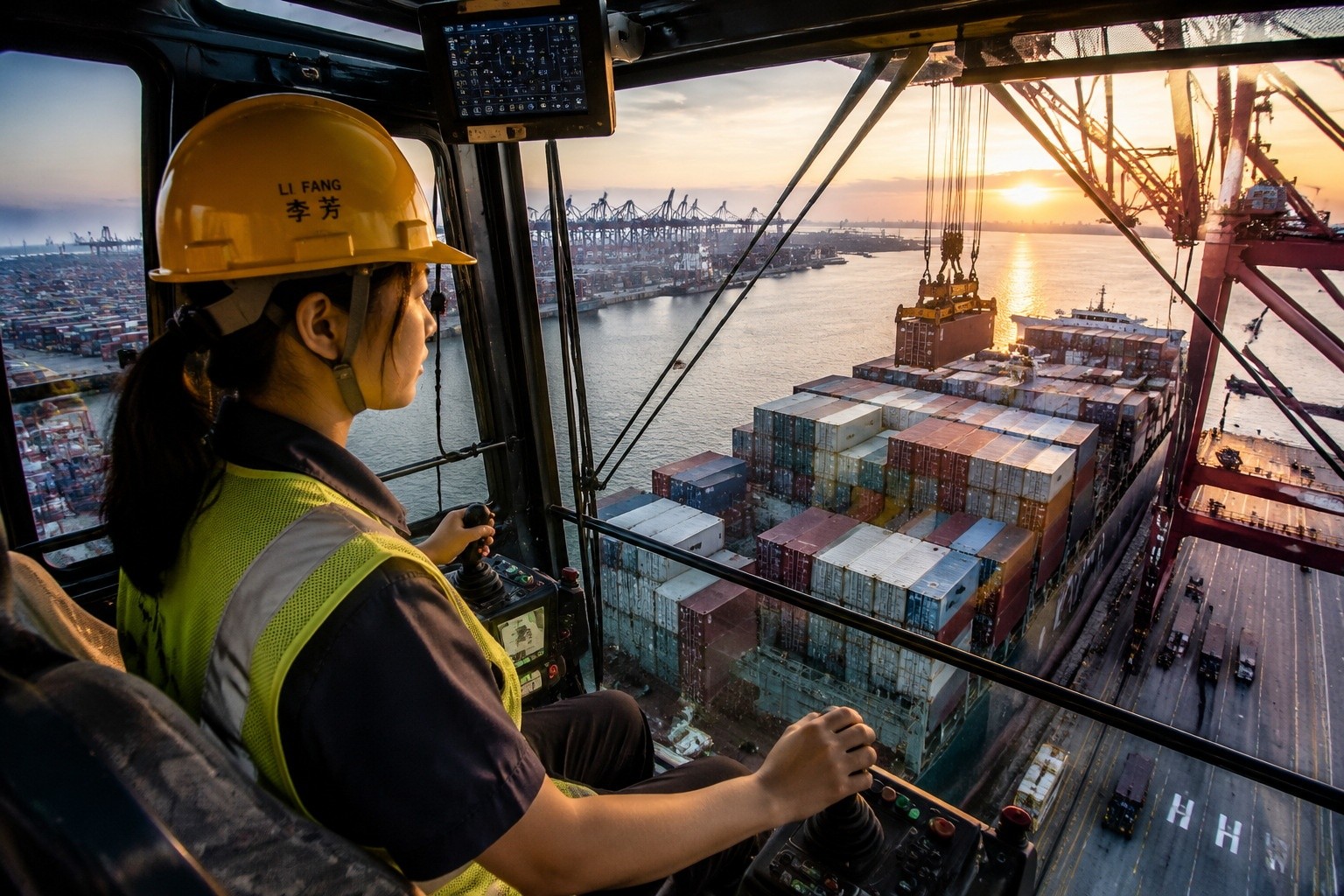
Morning: The Crane Operator’s Cage
08:20. 50 meters above the ground, operator Li Fang sits in a glass cabin. Below her, a 20,000-TEU vessel is being unloaded. She moves a joystick with small, precise wrist motions. ‘I pick up a container every 90 seconds,’ she says. ‘When the wind is strong, you feel the whole cabin shake.’ Her hands are steady. In one hour she loads 40 containers onto waiting trucks.
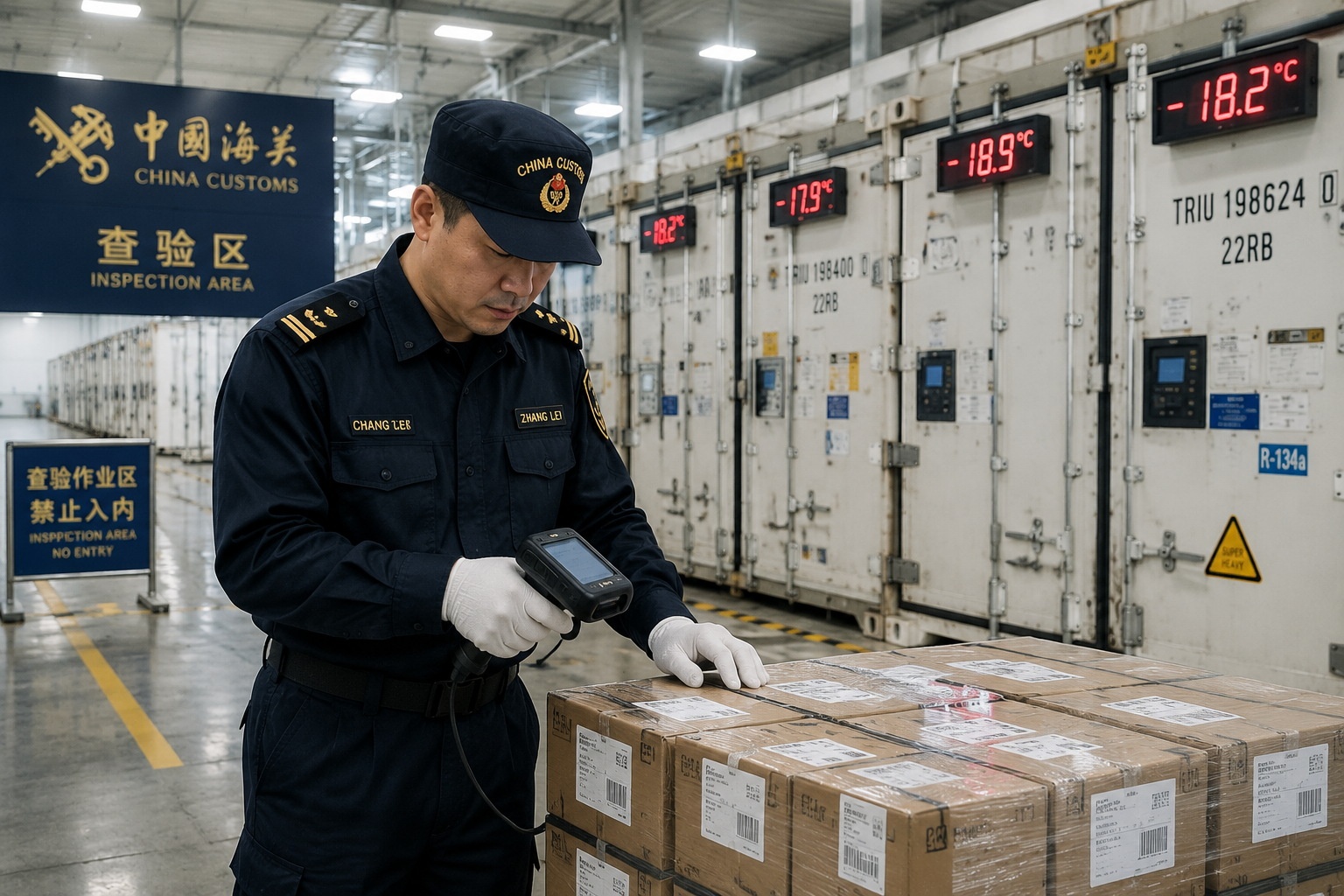
Afternoon: Customs and the Paper Trail
14:00. At the customs inspection hall, officer Zhang Lei examines a shipment of electronics from Shenzhen. He scans a barcode, checks the manifest, and nods to a porter. ‘Most cargo clears in under two hours,’ he says. ‘But for frozen goods or chemicals, we need more checks.’ A row of refrigerated containers hum nearby, their temperature data streaming to his tablet.
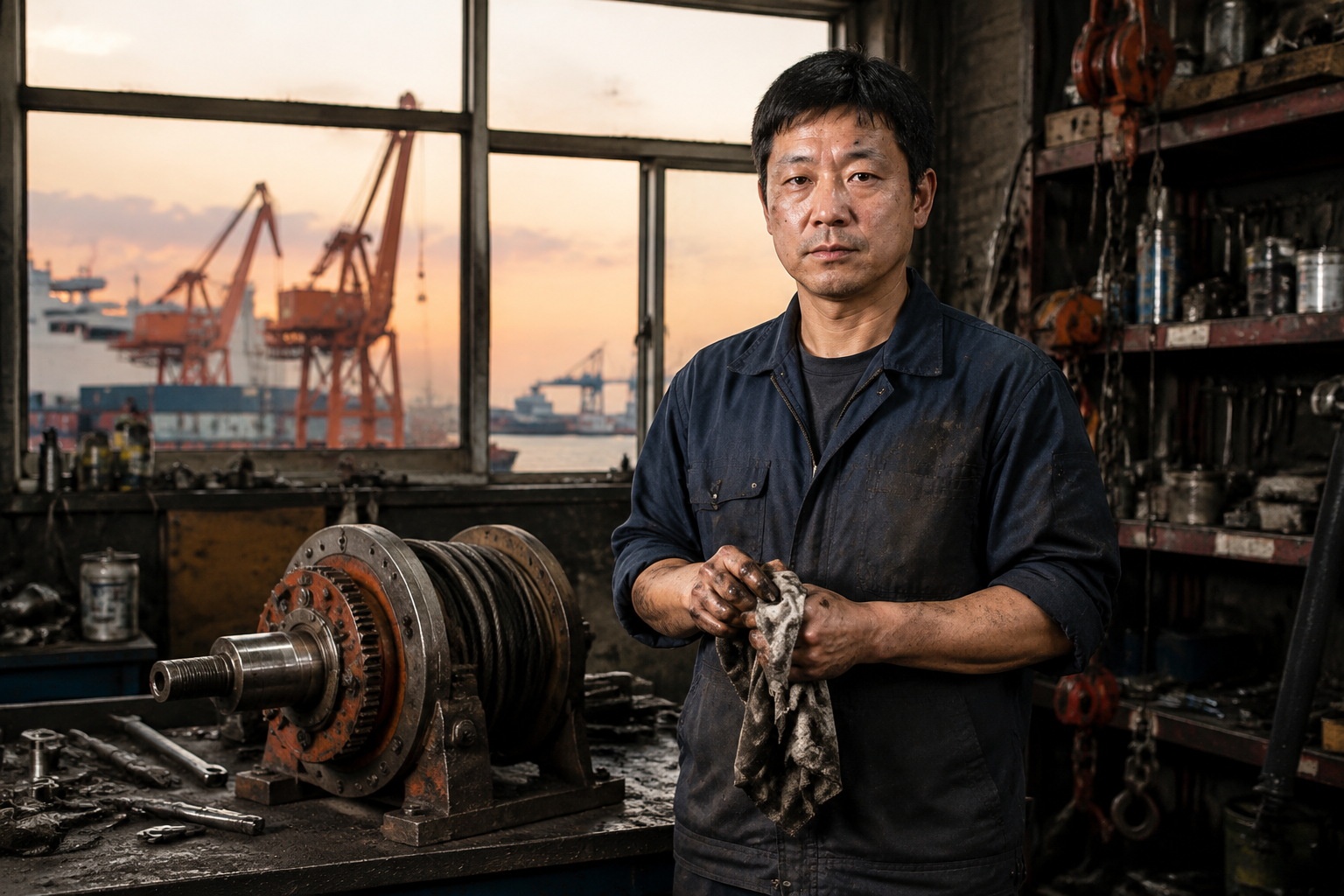
Evening: Mechanic’s Break
18:30. In a workshop between the docks, mechanic Wang Tao wipes grease from his hands. He has just repaired a faulty winch on a gantry crane. ‘The gears wear out every 2,000 hours,’ he says. ‘We keep spare parts ready. One breakdown can delay a dozen ships.’ A portable radio plays pop music. Outside, the sunset turns the container stacks into steel canyons.
Night: The Stevedore’s Shift
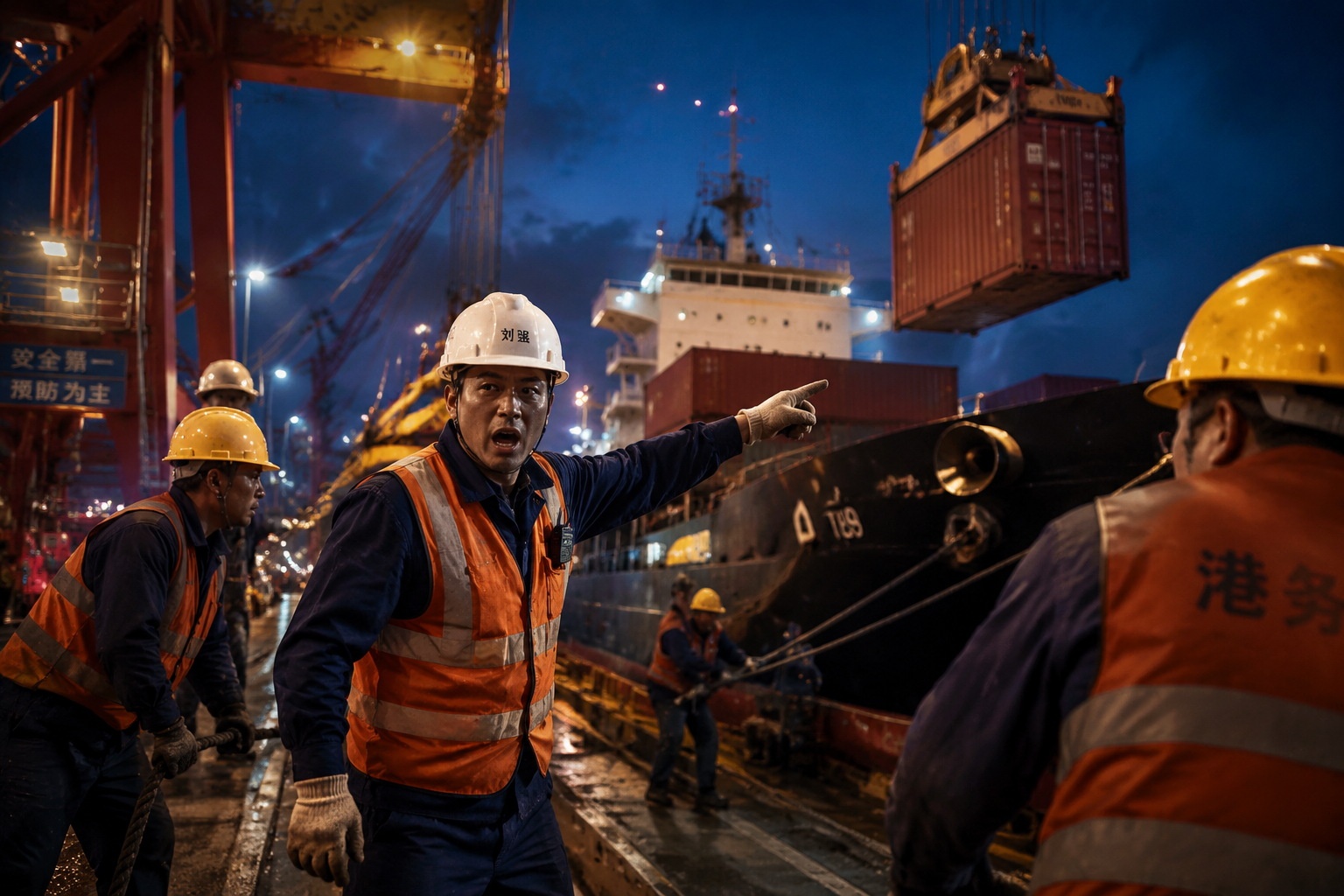
23:00. Under floodlights, a crew of stevedores secures containers onto a cargo ship. Foreman Liu Qiang shouts orders over the wind. ‘Tighten the lashings! This ship sails at 4 AM.’ Each container is guided by ropes and steel cables. The ship’s horn blares twice. Liu checks his watch: three more hours before the next coffee break.
Epilogue
By 06:00 the cycle repeats. Over 24 hours, nearly 100,000 ship movements—in and out of Chinese ports—connect factories to markets, commodities to consumers. But behind each statistic is a shift worker, a control room, a crane cable, a customs stamp. The port never sleeps. Neither do the people who run it.
Start the discussion at forum.chinacomes.com