

A Canal That Lives and Breathes
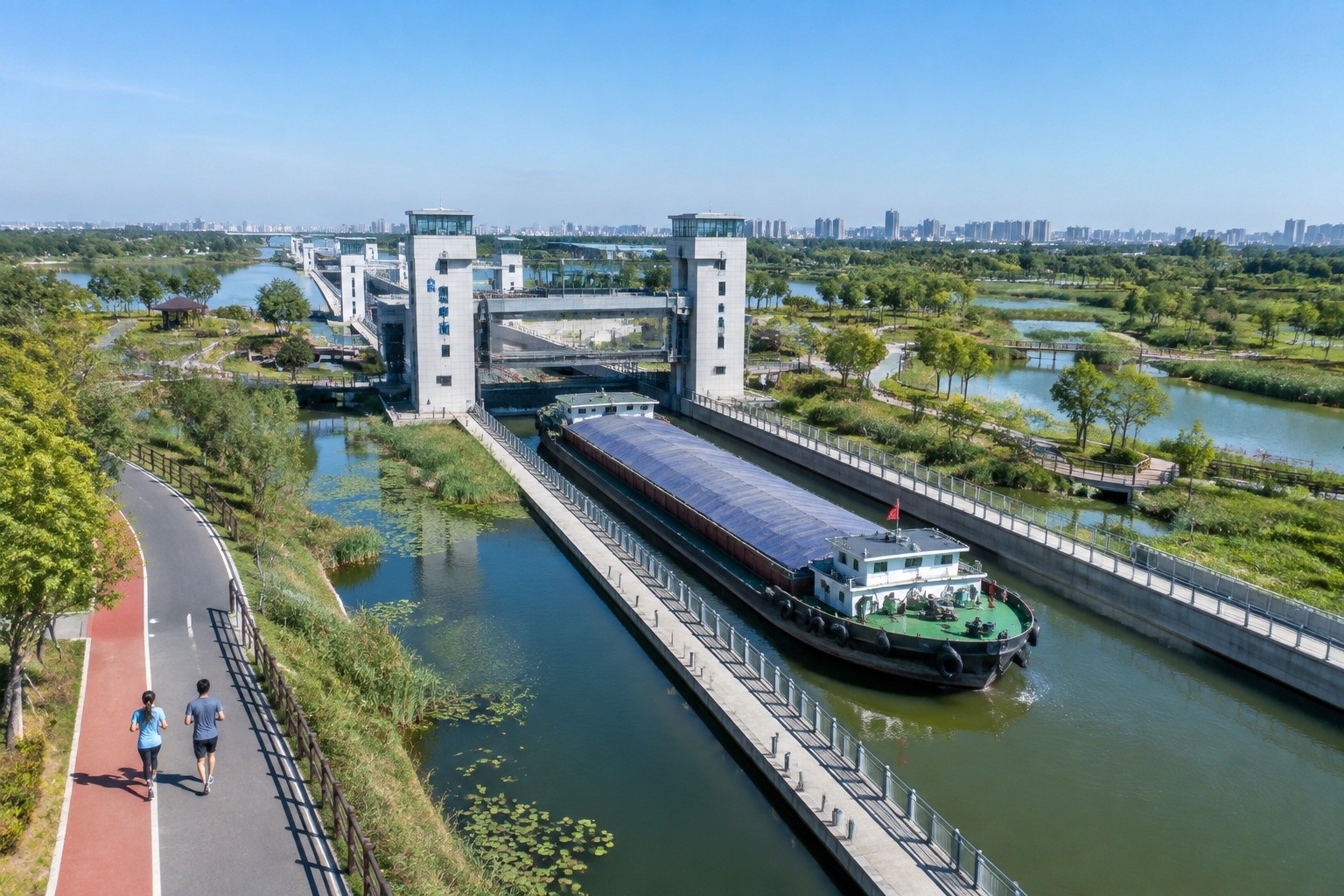
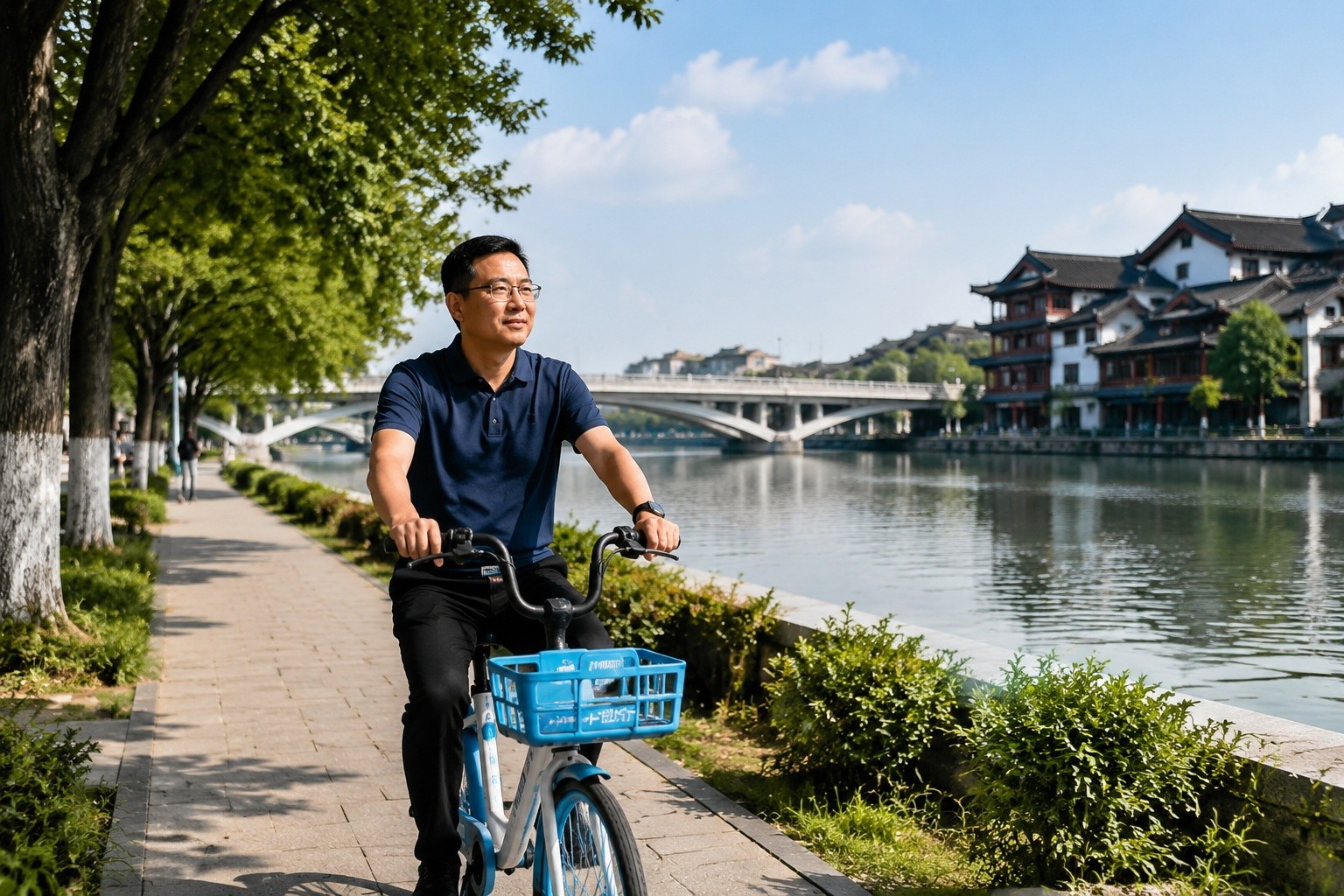
On a mild Saturday morning, Wang Lei, a 32-year-old accountant in Hangzhou, hops on a shared bike and pedals along the Grand Canal’s tree-lined path. Ten minutes later, he’s at a floating market dock, where vendors sell fresh lotus roots from boats. A few hundred meters away, a 1,500-ton barge loaded with containers glides past, heading north to Suzhou. This is not a scene from ancient history—it’s an average day on the 1,794-kilometer Beijing-Hangzhou Grand Canal, the world’s longest and oldest artificial waterway.
The canal today is a rare blend: a hardworking transport artery, a revived ecological corridor, and a living museum of Chinese culture. Here’s how it works for the people who use it every day.
More Freight Than the Rhine, the Danube and the Seine Combined
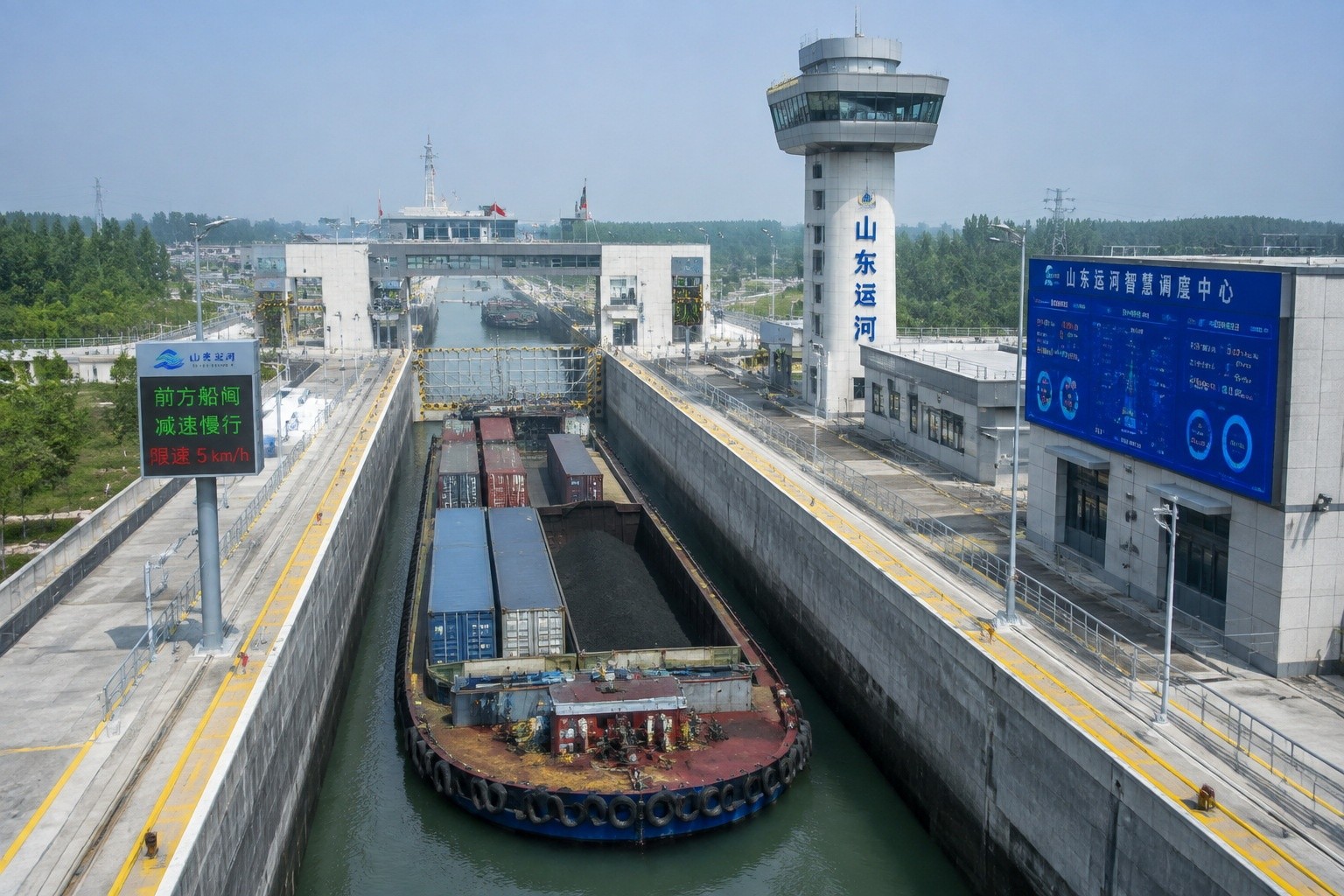
Let’s start with a number that surprises most people: the Grand Canal moves about 8 billion tonne-kilometers of cargo every year. To put that in perspective, that’s more than the total freight volume of the Rhine, Danube and Seine rivers combined. The canal is especially vital for moving coal, sand, steel and grain between northern and southern China. “It’s like a highway on water, but less congested and much cheaper than trucking,” says a captain who has worked the canal for 20 years. A single 1,200-ton barge replaces about 40 large trucks.
But the canal isn’t stuck in the past. At major junctions like the Jining hub in Shandong, automated lock systems reduce waiting times from hours to minutes. Ships are tagged with RFID chips, and captains use a mobile app to reserve lock slots in advance—think of it as an Uber, but for barges.
From Sewer to Scenic Greenway
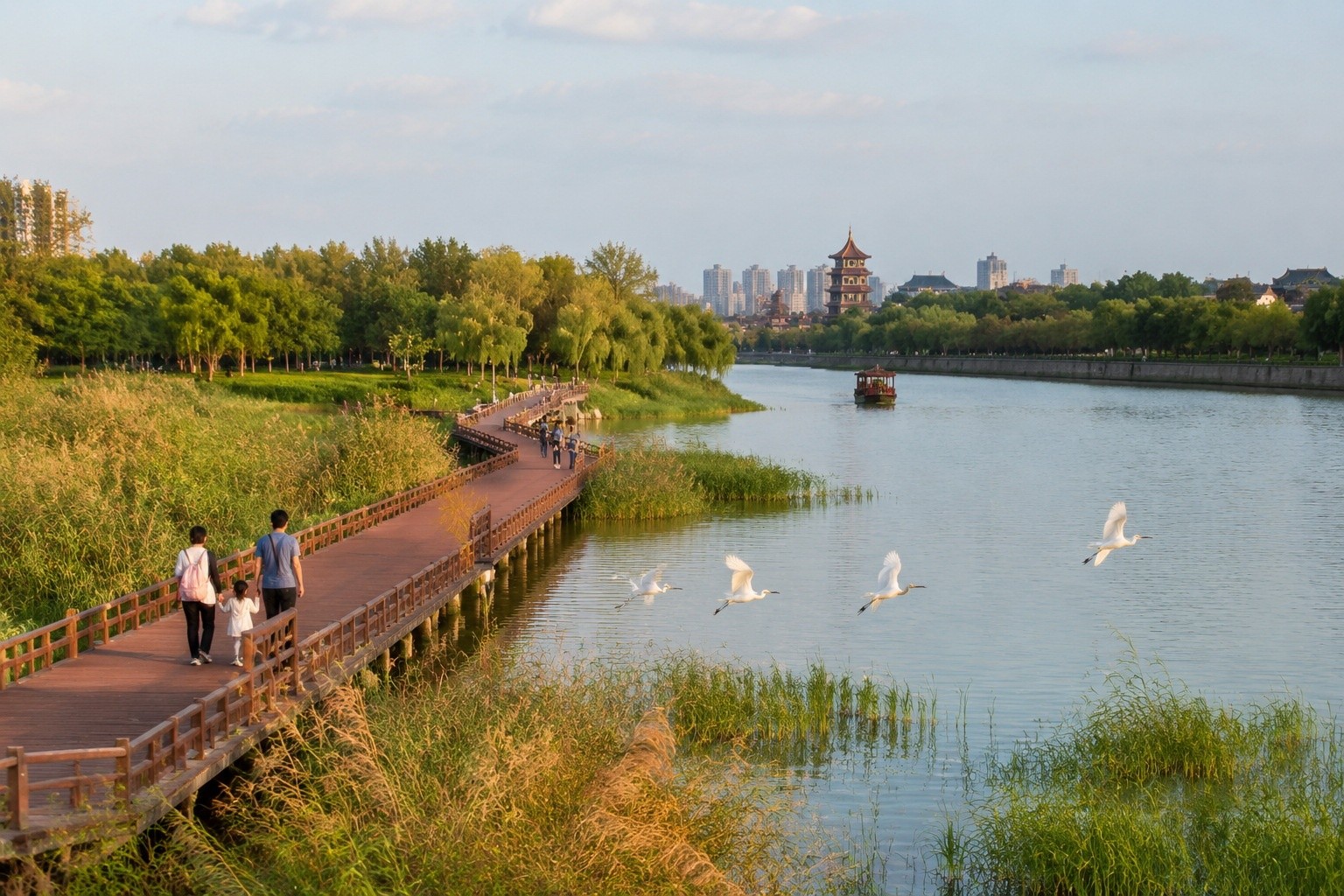
Twenty years ago, large stretches of the canal near cities were little more than open sewers. Factories dumped waste, and locals avoided the banks. Today, that has changed dramatically. China has invested heavily in cleaning the canal and restoring its natural habitats. In the city of Yangzhou, a 5-kilometer stretch of the waterway has been transformed into a wetland park with boardwalks, bird hides, and native reeds. “I’ve seen egrets and kingfishers return,” says a retired teacher who walks his dog there every evening. “My grandson now knows more birds than I do.”
The canal also plays a part in the South-to-North Water Diversion Project, which transfers 6 billion cubic meters of water annually from the Yangtze River to dry northern regions. Part of that route uses the canal’s channel, improved with new pumping stations and filtration systems. The result is cleaner water both for people and for the canal ecosystem.
Culture on the Water: AR Tours and Ancient Towns Reimagined
If you think the canal is all about heavy industry, think again. Along its 1,794 km, dozens of historic towns and cultural sites have been restored. In the ancient water town of Wuzhen, visitors can take a boat ride while wearing AR glasses to see a Ming dynasty merchant’s life overlaid on the same streets. “It feels like time travel,” says a French tourist after trying it. In Hangzhou, a section of the canal has been turned into a “living museum” with restored old granaries, teahouses, and a folk-customs exhibition on a retired grain ship.
The canal is now a tourist attraction in its own right. The Chinese government has designated the entire waterway as a National Cultural Park, linking attractions from Beijing’s White Cloud Temple to Hangzhou’s Gongchen Bridge. A popular itinerary is the “Nine Days on the Grand Canal” boat tour, which combines leisure cruising with guided visits to historic locks and museums. Local governments also hold dragon boat races, lantern festivals, and food markets along the canal banks throughout the year.
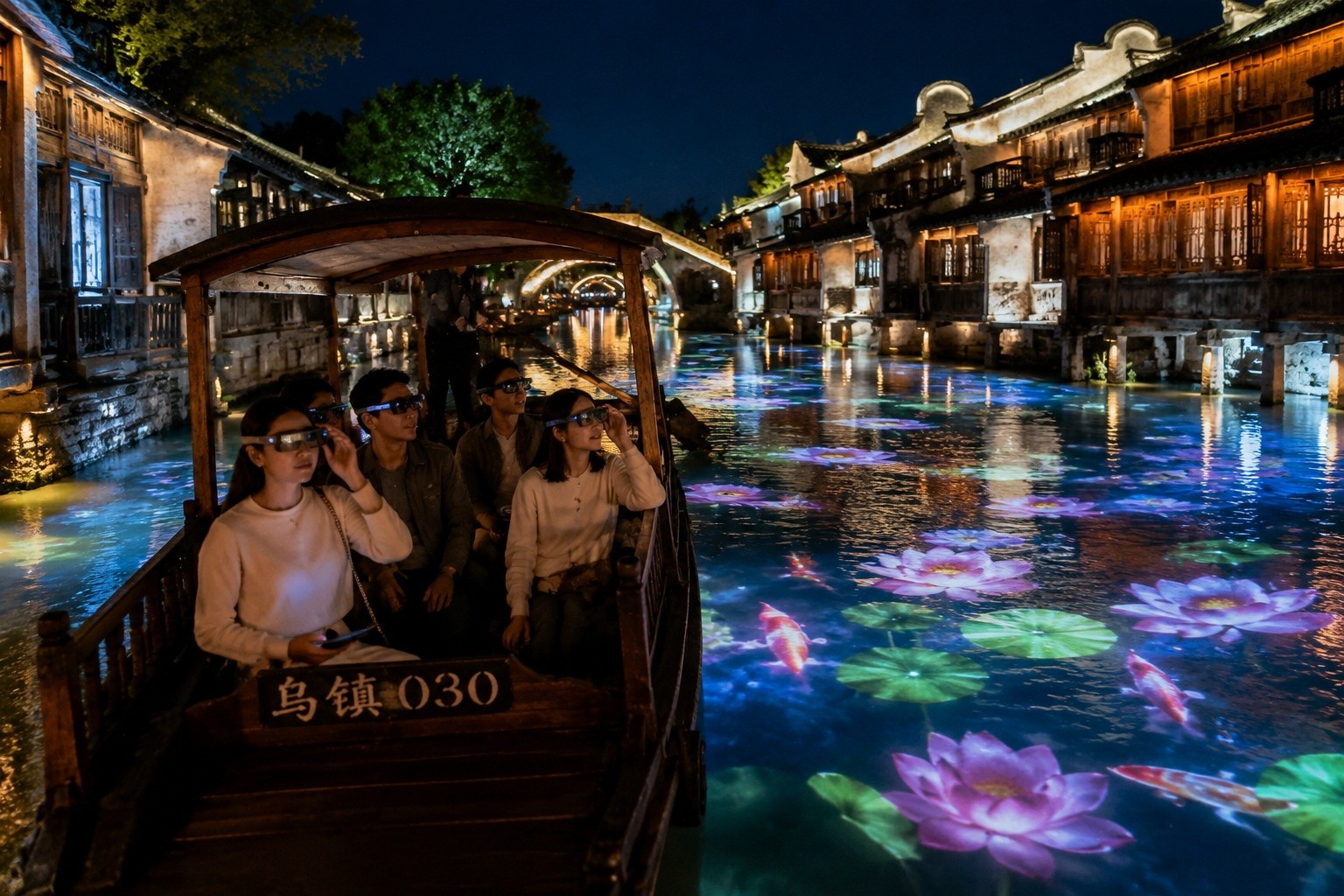
Technology Meets Tradition
Behind the scenes, technology keeps the canal safe and efficient. Sensors monitor water quality in real time; drones inspect riverbanks for illegal dumping; and a digital twin of the canal helps operators simulate flood control scenarios. At the new Smart Canal Command Center in Hangzhou, a wall of screens shows the location of every vessel, water levels, and lock status. “We can predict congestion three days ahead and reroute barges if needed,” says an engineer. This same digital infrastructure powers tourist apps that suggest walking routes, explain cultural sites, and even recommend nearby restaurants.
For locals, the canal has reclaimed its place as the heart of the community. On weekends, families line the banks to fish, jog, or simply watch the boats go by. Wang Lei, the accountant we met earlier, sums it up: “My grandfather worked on the canal as a boatman. My father avoided it because it was dirty. Now I bring my daughter here to see the bridge we crossed in an AR game. It’s the same water, but a completely different story.”
Start the discussion at forum.chinacomes.com