

The Night Shift Goes Global
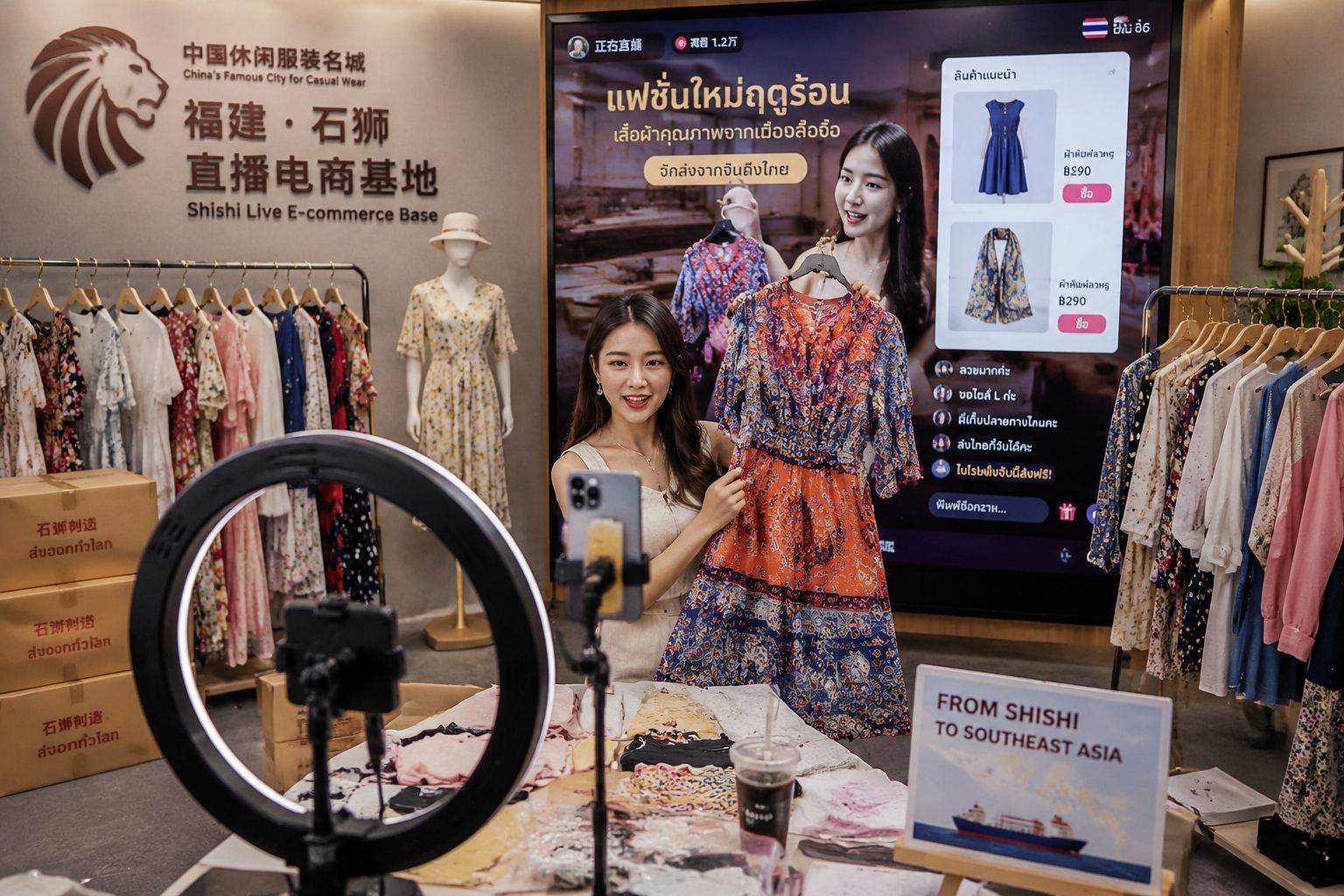
At 11 p.m., in a warehouse on the outskirts of Shishi, a city in Fujian Province, a young woman in her twenties adjusts a ring light and starts talking to her phone in Thai. She holds up a floral-print sundress, explains the fabric, and shows how it flows when she moves. On the screen, comments in Thai script scroll by. A few minutes later, an order pops up — from Bangkok. Another comes from Jakarta. By the end of the session, she has sold more than 500 dresses to customers across Southeast Asia.
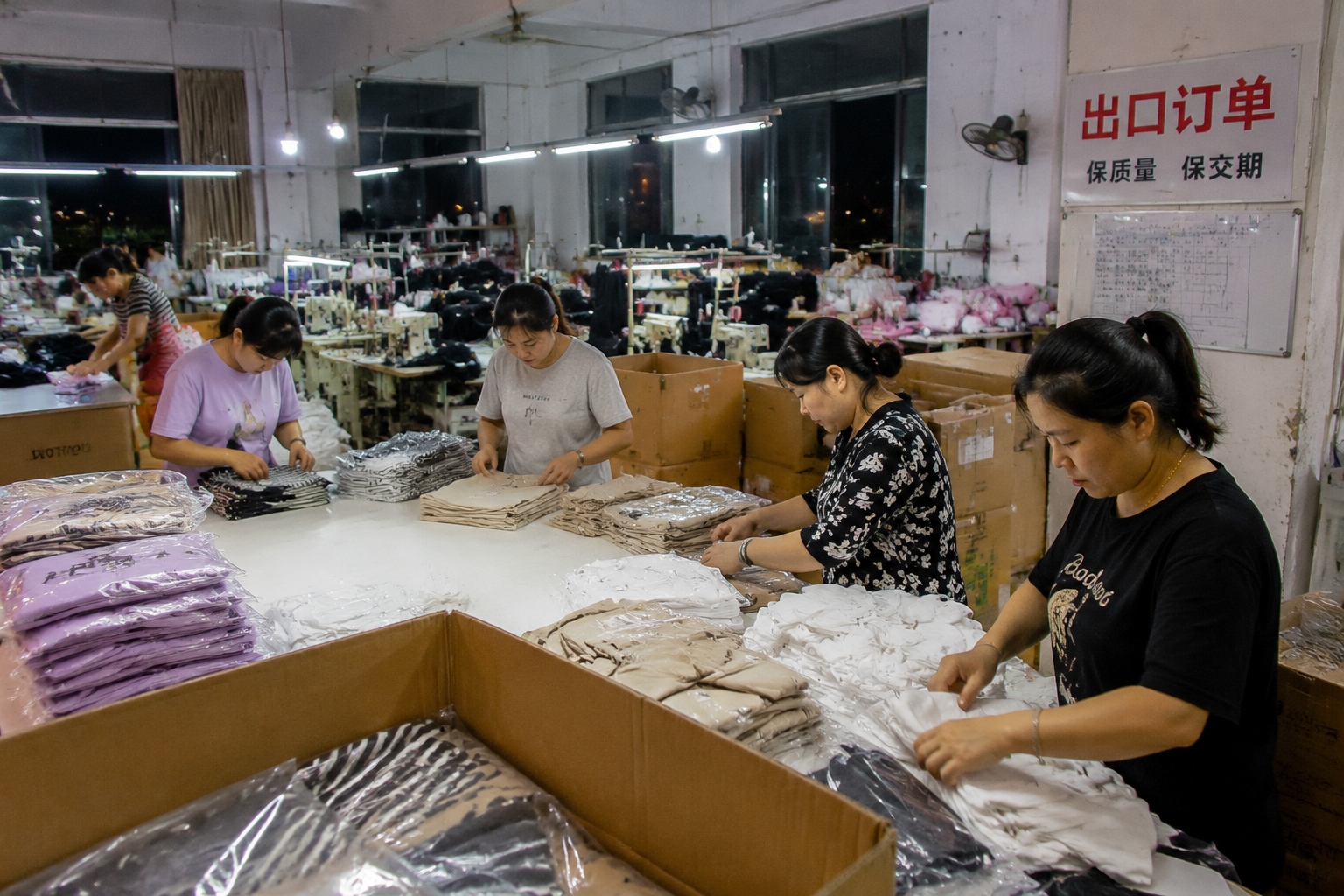
This scene is not a startup hackathon or a Silicon Valley pitch. It’s the new normal in Shishi, a county-level city of about 700,000 people that most Chinese people know — if they know it at all — as a historic hub for textile and clothing manufacturing. But over the past few years, Shishi has quietly become a powerhouse in cross-border e-commerce, particularly livestream shopping aimed at Southeast Asia. The city’s factory owners and young digital workers are turning decades of manufacturing experience into a direct-to-consumer pipeline that now reaches millions of shoppers in Thailand, Vietnam, Indonesia, and Malaysia.
Why Shishi? The Supply Chain Superpower
To understand Shishi’s success, you need to understand what makes it different from, say, Los Angeles’s fashion district or Bangladesh’s garment factories. Shishi is not just a place that makes clothes; it’s a complete ecosystem. Fabric suppliers, button and zipper shops, pattern makers, cutting houses, sewing workshops, and finishing plants sit within kilometers of each other. Want to make a dress from scratch? You can have a sample ready in 48 hours and a production run of 1,000 pieces within a week.
This speed is crucial in the fast-moving world of online fashion, where trends change in days. In Shishi, a popular style spotted on TikTok in the morning can be in production by afternoon and shipped by the end of the week. For Southeast Asian merchants who used to rely on Chinese wholesalers on Alibaba or 1688.com, working directly with Shishi suppliers cuts out middlemen and allows for more customized, smaller-batch orders.
But Shishi’s advantage isn’t just manufacturing. After years of serving China’s massive domestic e-commerce market, the city has a deep pool of talent in logistics, photography, marketing, and — critically — livestreaming. When the domestic market became saturated, many of these digital workers were ready to look outward. Southeast Asia, with its high smartphone penetration and growing appetite for livestream shopping, was the obvious next stop.
Livestreaming: A Language Southeast Asians Already Speak
If you’ve ever watched a Chinese livestream selling event, you know the style: fast-talking hosts, flashy countdown timers, limited-stock pressure, and complex coupon stacking. It’s an adrenaline-fueled experience. But when Shishi’s pioneers started exporting this format to Southeast Asia, they quickly learned that what works in Shanghai doesn’t automatically work in Manila.
Take the pace. In China, a host might go through 50 products in a two-hour session, using rapid-fire pitching and exaggerated discounts. Southeast Asian viewers, especially in Thailand and Indonesia, tend to prefer a slower, more conversational approach. They want to feel a personal connection with the host, ask questions about fit and fabric, and sometimes just chat. Successful hosts in Malaysia or Vietnam often spend more time building trust than pushing urgency.
Pricing structure is another difference. Chinese consumers are used to complicated promotions — buy one get one, plus a coupon, plus a membership discount. Southeast Asian buyers, by contrast, may find this confusing. Simple, straightforward pricing works better. One Shishi company found that a flat 20% discount during a live session attracted more orders than a multi-tiered Chinese-style deal.
These lessons were learned through trial and error. Early cross-border hosts from Shishi who simply translated their Chinese script found themselves talking to empty rooms. The ones who succeeded took the time to understand local slang, religious sensitivities, and regional fashion preferences. For example, in Indonesia, the world’s largest Muslim-majority country, modesty matters. Dresses with shorter hemlines or sleeveless tops don’t sell well. In Thailand, bright colors and bold patterns are just as popular as they are locally. In Vietnam, lightweight, breathable fabrics win because of the tropical climate.
The Localization Playbook
Now, the best Shishi operators treat Southeast Asia not as one market, but as many. Here’s what a typical local setup looks like:
Language and Talent
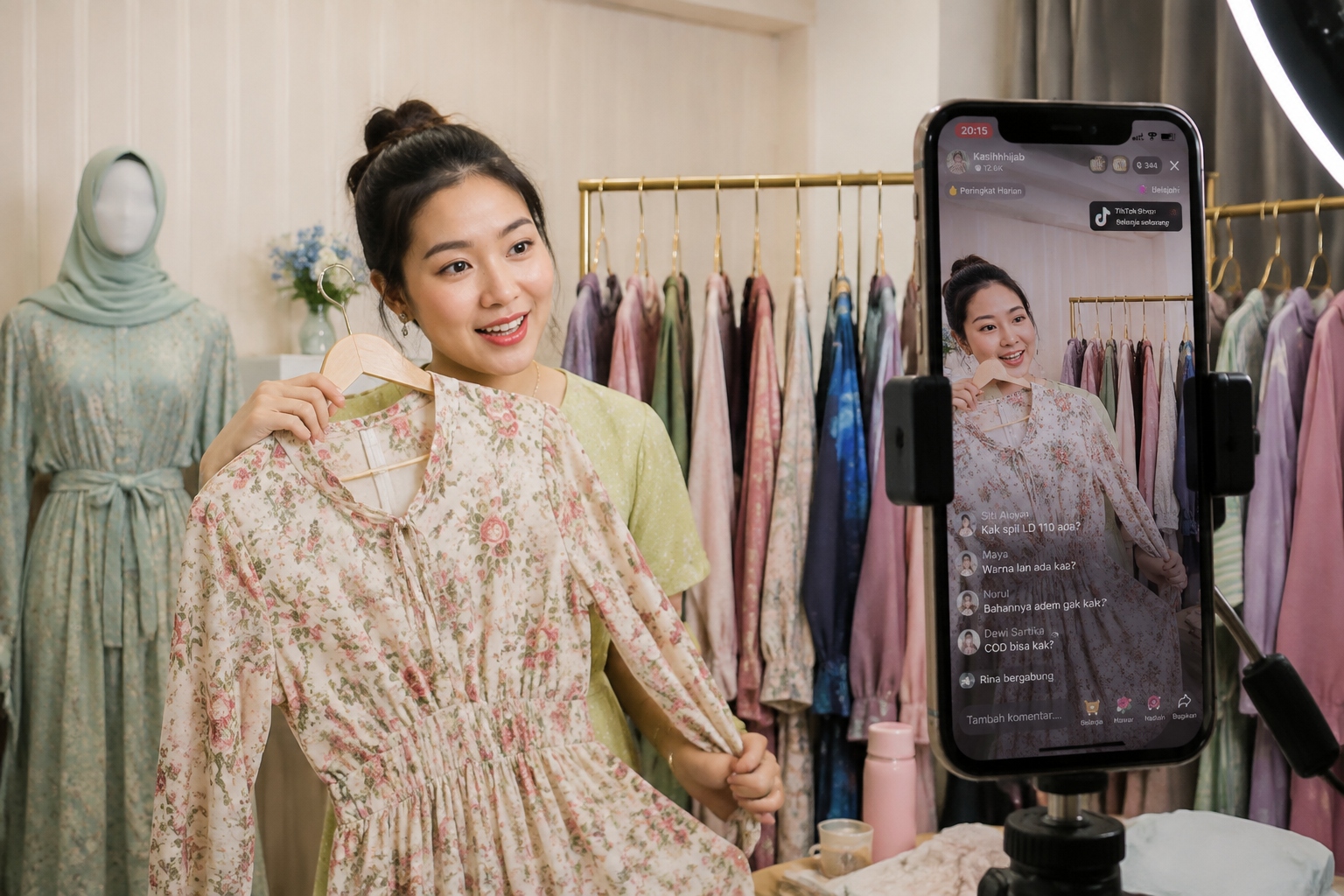
Instead of relying on Chinese hosts speaking broken English, companies hire native speakers — often university students from Southeast Asia studying in China, or even remote hosts based in their home countries. They’re trained on the products and given guidance on Chinese-style sales psychology, but they’re free to adapt it to their own culture.
Product Adaptation
Size charts are adjusted. A Chinese medium is often too small for an average Indonesian or Thai woman, so Shishi factories now produce “Southeast Asia fit” versions with different measurements. Styles are selected to match regional tastes and climate. Some factories have dedicated production lines for Muslim-friendly fashion, using imported fabrics that are breathable yet opaque.
Platform Strategy
While TikTok Shop is the biggest driver, live sellers also use Shopee and Lazada, which have integrated livestream features. Each platform has its own algorithm and user base. Successful Shishi companies manage multiple shops and streams, sometimes simultaneously, by setting up multiple rooms with hosts speaking different languages.
Logistics and Warehousing
To speed up delivery, many companies set up overseas warehouses in Malaysia and Thailand. They batch-ship goods by sea, then use local couriers for last-mile delivery. This cuts delivery time from two weeks to under three days, which is critical because slow shipping is one of the biggest complaints in cross-border e-commerce.
What It Looks Like From the Ground
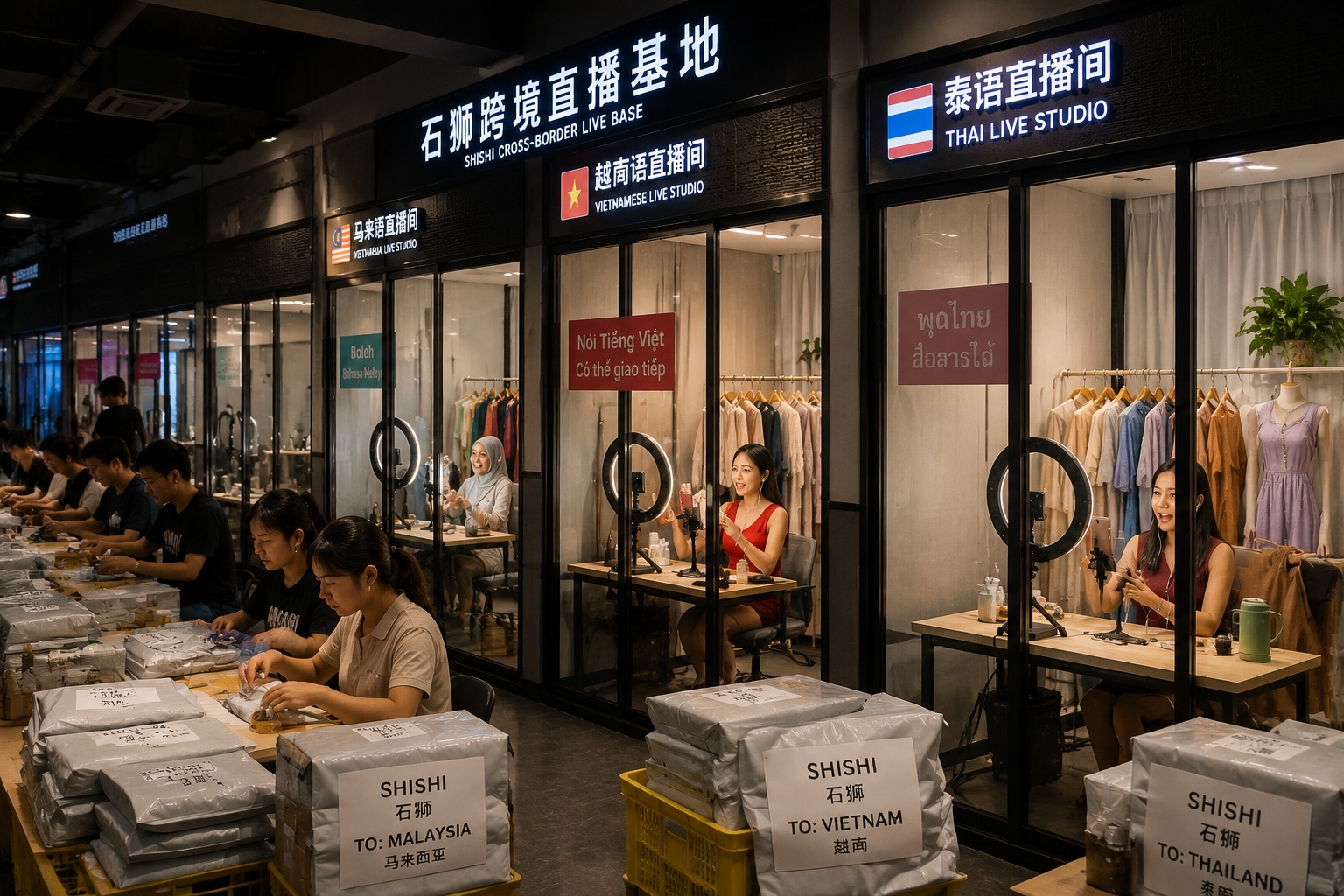
Walk through Shishi’s livestreaming base, and you’ll see rows of small studios, each no bigger than a modest bedroom. Ring lights, phones, and racks of clothes fill the space. One room might have a host speaking Tagalog; another, Vietnamese. Just outside, workers pack orders into plastic bags with labels printed in Thai or Malay. It’s a striking sight: a Chinese city that has somehow adopted the rhythm and pulse of a Southeast Asian bazaar.
For the young hosts, this is a career path that didn’t exist a few years ago. Many are local Shishi youth who studied Chinese or e-commerce in college and picked up a Southeast Asian language on the side. Others are Southeast Asian students who came to China for university and stayed. They find the job exciting and lucrative — top hosts can earn more than many white-collar professionals.
Challenges Ahead
Shishi’s cross-border livestream boom isn’t without problems. The biggest headache is talent shortage. Demand for hosts who speak fluent Thai, Vietnamese, or Indonesian far exceeds supply. Some companies are so desperate they’re poaching hosts from competitors, driving up salaries.
Platform risk is another issue. TikTok Shop’s policies can change quickly, and a ban or algorithm shift can disrupt a company’s entire business overnight. Some sellers have been hurt by TikTok’s temporary suspension in Indonesia, which was resolved but left scars.
And then there’s the question of brand. Most Shishi exports are unbranded or use generic labels. That means they’re competing on price, not loyalty. As Southeast Asian platforms grow more sophisticated and customers become more quality-conscious, the pressure is on to build actual brands.
What This Means for Outsiders
For a Western observer, Shishi’s story might seem like just another chapter in the globalization of e-commerce. But it’s actually a template for how Chinese industrial clusters can find new life in the digital era. Instead of moving factories abroad or losing sales to cheaper competitors, Shishi is leveraging its strengths — manufacturing speed, e-commerce know-how, and an appetite for risk — to own the next phase of online retail in its neighboring region.
It also shows that livestreaming isn’t a passing fad. For millions of consumers in Southeast Asia, buying clothes from a friendly person on a screen feels more trustworthy than clicking on a product page. Shishi’s sellers have figured out how to be that friendly person, even if they’re thousands of kilometers away.
The city’s transformation is a reminder that in the age of the internet, the smallest places can become global marketplaces — if they know how to show up.
Start the discussion at forum.chinacomes.com