


A Morning Routine, 2025
On the windswept steppe of Ningxia, an autonomous region in north-central China, 52-year-old Ma Dashan no longer wakes up before dawn to hike the hills and count sheep. Instead, he opens a smartphone app over a cup of tea. A map shows 300 green dots, each one a tan sheep with a GPS tag in its ear. The app lets him zoom in, see a sheep’s exact location, how much it moved overnight, even its body temperature. If any animal wanders outside a virtual fence, Ma gets an alert. His father used to walk a dozen kilometers a day looking for strays. ‘Now I know where every one of my sheep is, every minute,’ Ma says. ‘I’m the first herder in my family who doesn’t need a sheepdog.’
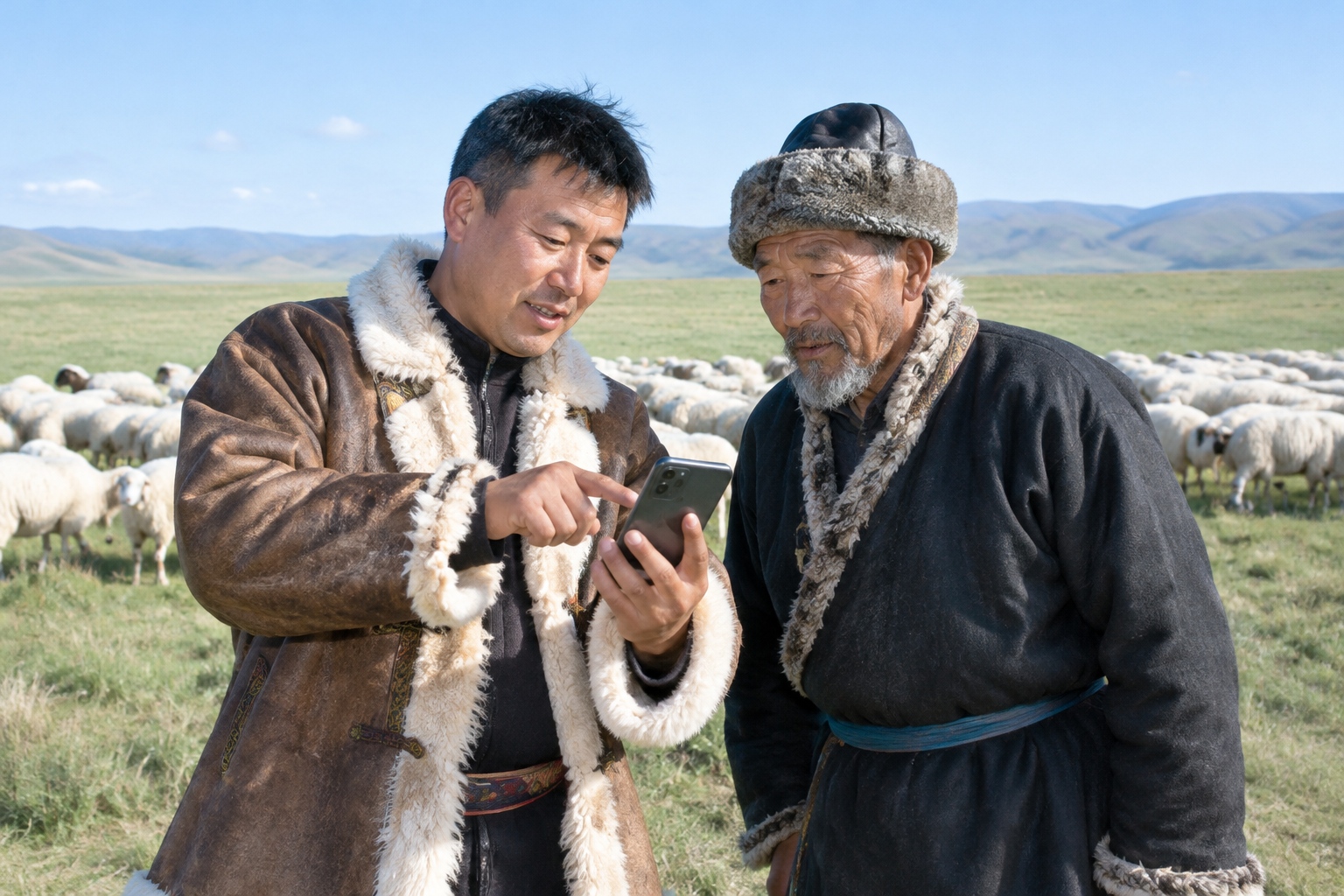
This is the new face of an old trade. Ningxia, China’s smallest provincial-level region, has been raising tan sheep for centuries. The animals produce a distinctive curly wool and a meat that is mild, slightly sweet, and popular across China. But the pastoral economy remained stubbornly traditional, and herders often struggled to make a decent living. That changed in recent years with a wave of digital tools, many rolled out in partnership with local governments and technology companies.
Why Tan Sheep Matter
Tan sheep are not just any livestock. They have been bred specifically to survive Ningxia’s harsh, arid conditions—it gets below -20°C in winter, and summer days can be scorching. Their meat is prized for being tender and nearly odorless, which is rare among sheep. Locals say the secret is the wild grass and alkaline water. In 2000, the Chinese government awarded Ningxia Tan Sheep (滩羊) a Geographical Indication, meaning that, like Champagne in France, the name is legally reserved for animals raised in a specific region and way.
For herders, however, the industry has been unpredictable. The old business chain was opaque. Middlemen came to village gates, set prices, and took the largest cut. A lamb that fetched 1,500 yuan at a restaurant might bring herders only half that. That’s the problem digital transformation is trying to solve.
From Walking to Swiping
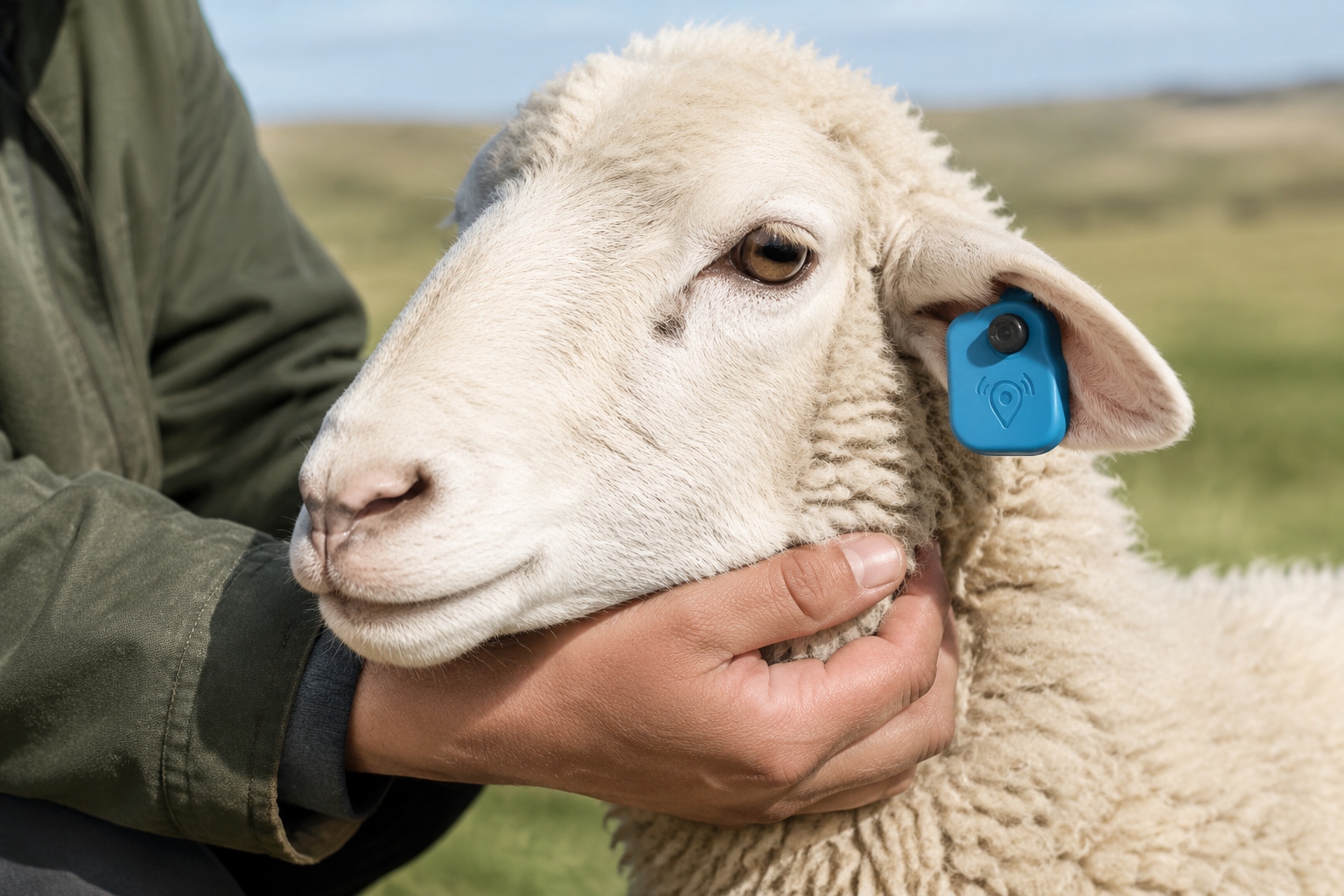
The transformation began with a simple device: an ear tag with a GPS chip and a temperature sensor. It’s the size of a fingertip and costs only a few yuan when purchased at scale. The tags transmit to a local base station, which sends data to a cloud-based ‘smart pastoralism’ platform. Herders can view data through a mobile app, and so can agricultural officials and meat processors.
The app does more than locate sheep. It monitors health. If a sheep becomes ill or is in heat, activity data changes. If a sheep stops moving for too long, the app alerts the owner. In severe weather, a warning pops up suggesting extra feed. The system also creates an electronic fence—a digital boundary. If a sheep crosses it, the owner’s phone buzzes. ‘We learned to detect sick animals days earlier than before,’ says Ma. ‘That saves money and stress.’
But digital tools don’t stop at pasture gates. The platform also connects to local meat processing facilities, making it easier to manage vaccinations and health certificates. That matters for food safety, which is a big deal in China.
Ear Tags That Do More Than Identify
The tags are the backbone of traceability. Each sheep’s unique ID becomes part of its life record. When a herder sells an animal or its meat, the record follows the product all the way to the consumer. A customer in Beijing can scan a QR code on a package of lamb chops and see a detailed history: where the sheep was born, what it ate, what vaccines it received, and when it was slaughtered. This helps eliminate the counterfeit products that once polluted the market.
Cutting Out the Middlemen
Today, many tan-sheep herders sell directly online. They set up shops on e-commerce platforms, from Alibaba’s Tmall to agricultural divisions of JD.com. Some even use WeChat mini-programs to take orders from repeat customers. Ma says his income has risen around 30% since he made the switch. ‘I used to take whatever the trader offered,’ he explains. ‘Now I set my own price, and the customer sees exactly what they’re paying for.’
Live-Streaming the Grassland
The most cinematic part of the digital shift is live-streaming. Douyin, China’s TikTok, has become a bustling market for pastoral products. Herders and their sons and daughters film daily scenes—steaming bowls of boiled mutton, lambs scrambling across rocks, a snowy sunrise. They answer questions from viewers in real time and take orders directly in the comments.
Ma’s 26-year-old son, Xiaodong, moved back home after university to manage the family’s livestream. ‘People in big cities are hungry for a connection to nature,’ he says. ‘When I show them the grassland, they trust the meat more.’ On good days, he can sell more than 100 lambs in a single streaming session.

Not Everyone Is on Board
For every success story, there are growing pains. Older herders may find the app confusing. Network coverage is still patchy in remote valleys, and a lost signal can mean a lost connection to the data. Ear tags occasionally fall off or get damaged, adding cost. And while some herders embraced the digital system, others remain skeptical, preferring to rely on traditional methods.
The Chinese government has stepped in with training courses and subsidies to help bridge the gap. In Yanchi County, a hotspot of tan-sheep raising, authorities have set up ‘digital village’ stations where farmers can get help using the platform. But change is gradual.
How to Taste Ningxia Tan Sheep Wherever You Are
If you want to experience this history and innovation for yourself, here are a few pointers:
- Start with hand-grabbed lamb (手抓羊肉), a signature Ningxia dish. It’s simply lamb boiled with salt, served with a dip of black vinegar and minced garlic. The flavor depends entirely on the quality of the meat.
- Visit Ningxia during autumn, when the grass is golden and sheep are fattest. The capital Yinchuan is easy to reach by flight from Beijing or Shanghai.
- If you see ‘Ningxia Tan Sheep’ or ‘盐池滩羊’ on a menu or package, look for the Geographical Indication mark, which guarantees origin.
- For a truly local experience, book a stay at a family-run farm. Many now offer short homestays open to foreigners with the right visas, where you can watch the herders check their phones and maybe join them for a sunrise tour.
Digital transformation won’t magically preserve every tradition. But it has given this centuries-old practice a fighting chance. The sheep still graze on wild grass; the herders still greet each other the way their fathers did. But now they do it with data in their pockets and a direct line to the world.
Start the discussion at forum.chinacomes.com