

The Day I Found a Village Behind the Waterfall
I didn’t expect to find a village behind the waterfall. In fact, I almost missed the path entirely.
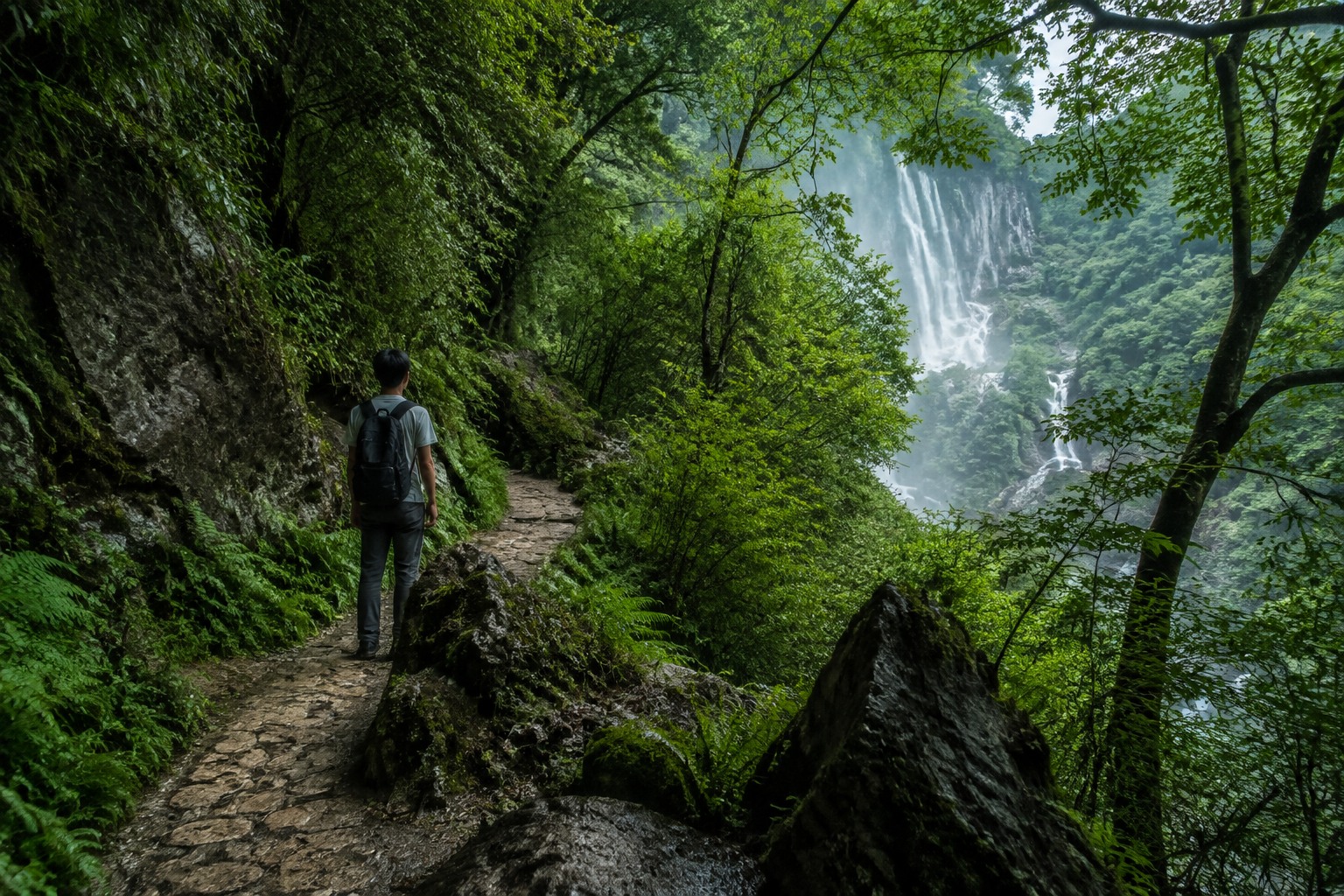
It was late afternoon in Xiaoqikong, Guizhou’s famous karst landscape park, and I was trying to escape the crowds. Most visitors had gathered around the larger falls, phones raised for the same postcard shot. I slipped behind a boulder, partly to catch my breath, partly to feel the mist on my face. That’s when I noticed a narrow track, almost hidden by ferns, leading up into the trees.
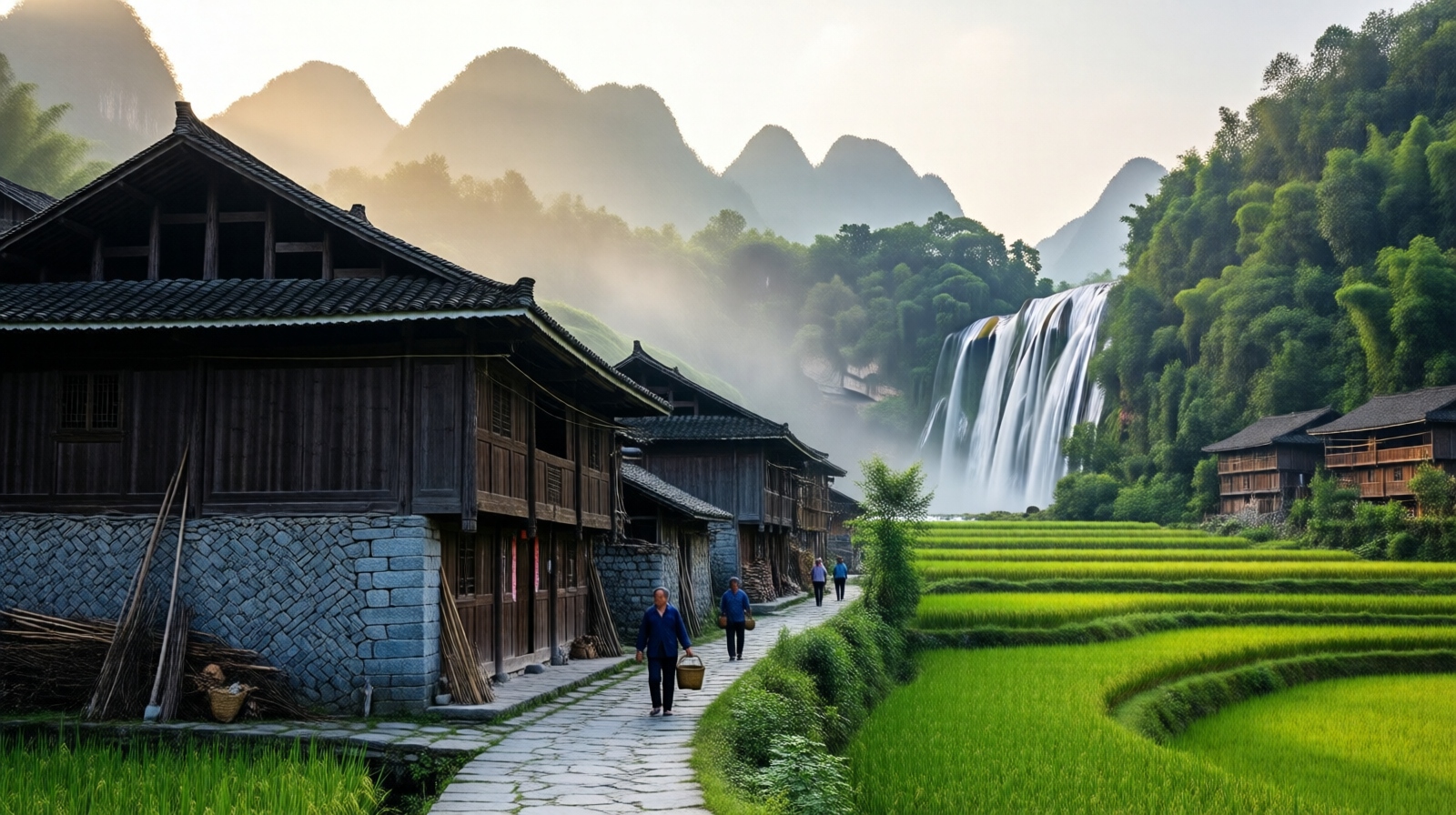
Curiosity pushed me forward. The sound of the waterfall faded, replaced by the chatter of birds. After a steep climb of about twenty minutes, the forest opened. A stone-paved path led down into a shallow valley, where smoke rose from chimneys between wooden roofs. I had stumbled onto a village that wasn’t on my map.
A Village That Time Almost Forgot
The village is called Laozhai, which simply means “old hamlet.” It has about thirty households, mostly belonging to the Buyi ethnic minority. The houses are built from dark timber and grey stone, with carved wooden window frames that look centuries old. There’s no main square, no souvenir shop, no ticket booth. Just a few lanes where chickens scatter and old women sit on low stools, sorting beans.
I was surprised by how still it felt. In the national park nearby, loudspeakers announce shuttle buses and snack vendors shout over frying oil. Here, the loudest sound was the thud of a wooden pestle hitting a stone mortar in a courtyard. A girl, maybe ten, watched me with wide eyes and then giggled before running inside.
The Rhythm of Daily Life
I met a middle-aged man, Wei, who was mending a bamboo basket at the edge of a rice field. He told me the village has existed for at least six generations. Most young people leave to work in cities like Guangzhou or Shenzhen, but some now return during harvest season. Wei himself recently moved back after twenty years of factory work. “I felt like a machine there,” he said, wiping sweat with a cloth. “Here, at least the land talks back to you.”
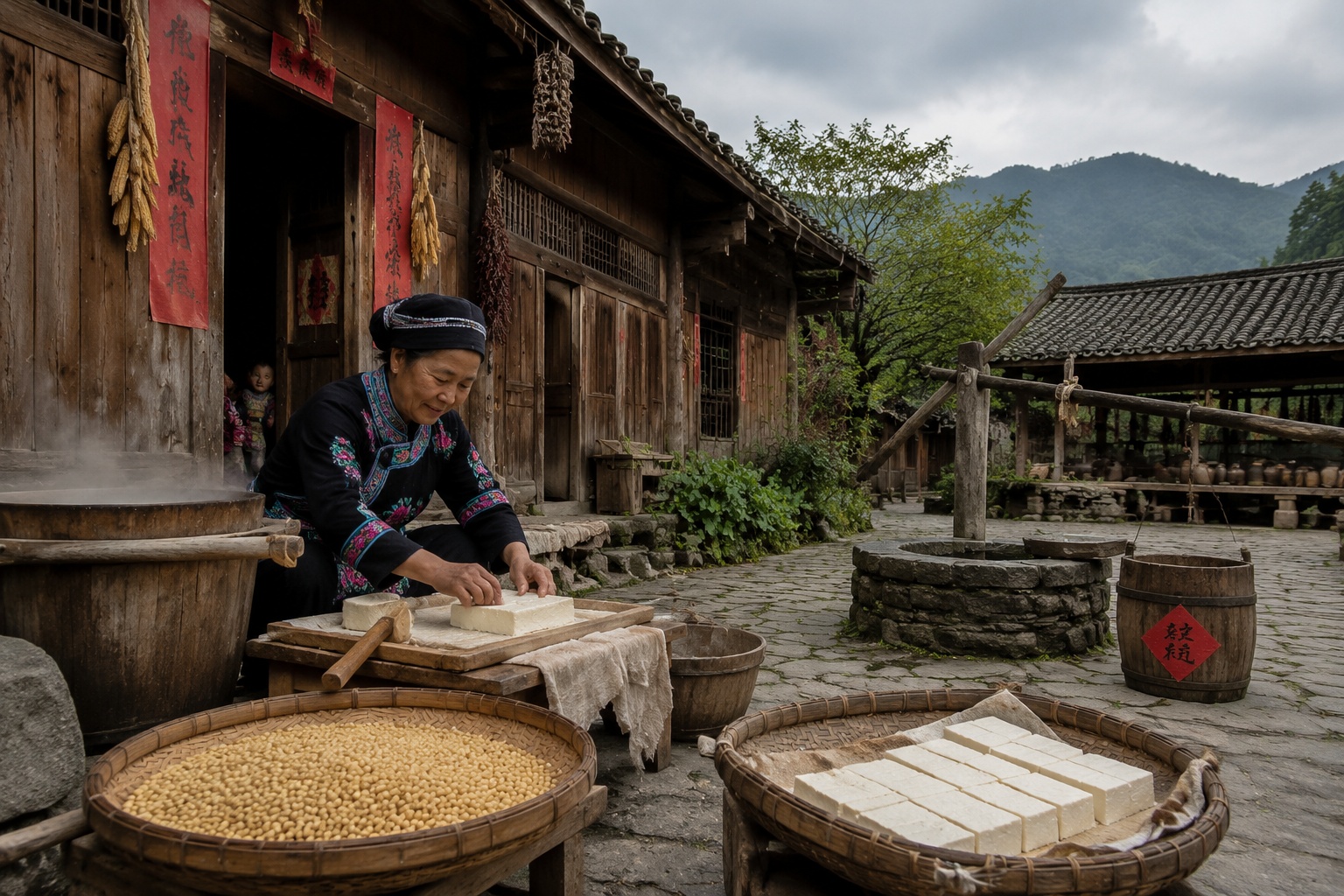
In the morning, I followed the smell of woodsmoke to a small shed where a woman was boiling soy milk to make tofu. She sold fresh tofu to hikers who occasionally wander up from the park. She said business is unpredictable, but tourists like me have brought a little extra income. Her son helps by setting up simple signposts along the path.
What the Locals Think About All These Visitors
Not everyone is welcoming. An elderly man in a dark blue tunic shook his head when I said I came from outside. “More people means more noise, more plastic bags,” he said. Another villager, a woman named A-min, was more open. She runs a small homestay in her spare room, which has become popular among Chinese backpackers who share photos on social media. “I never thought strangers would sleep in my house,” she laughed. “But it pays for my daughter’s schooling.”
The complexity here is real. Tourism brings money and connection, but it also changes routines. The stone path that I enjoyed was recently repaired with government funds, partly because nearby villages became known through the park. That’s a trade-off many residents are still negotiating.
Beyond the Postcard: The Real Landscape
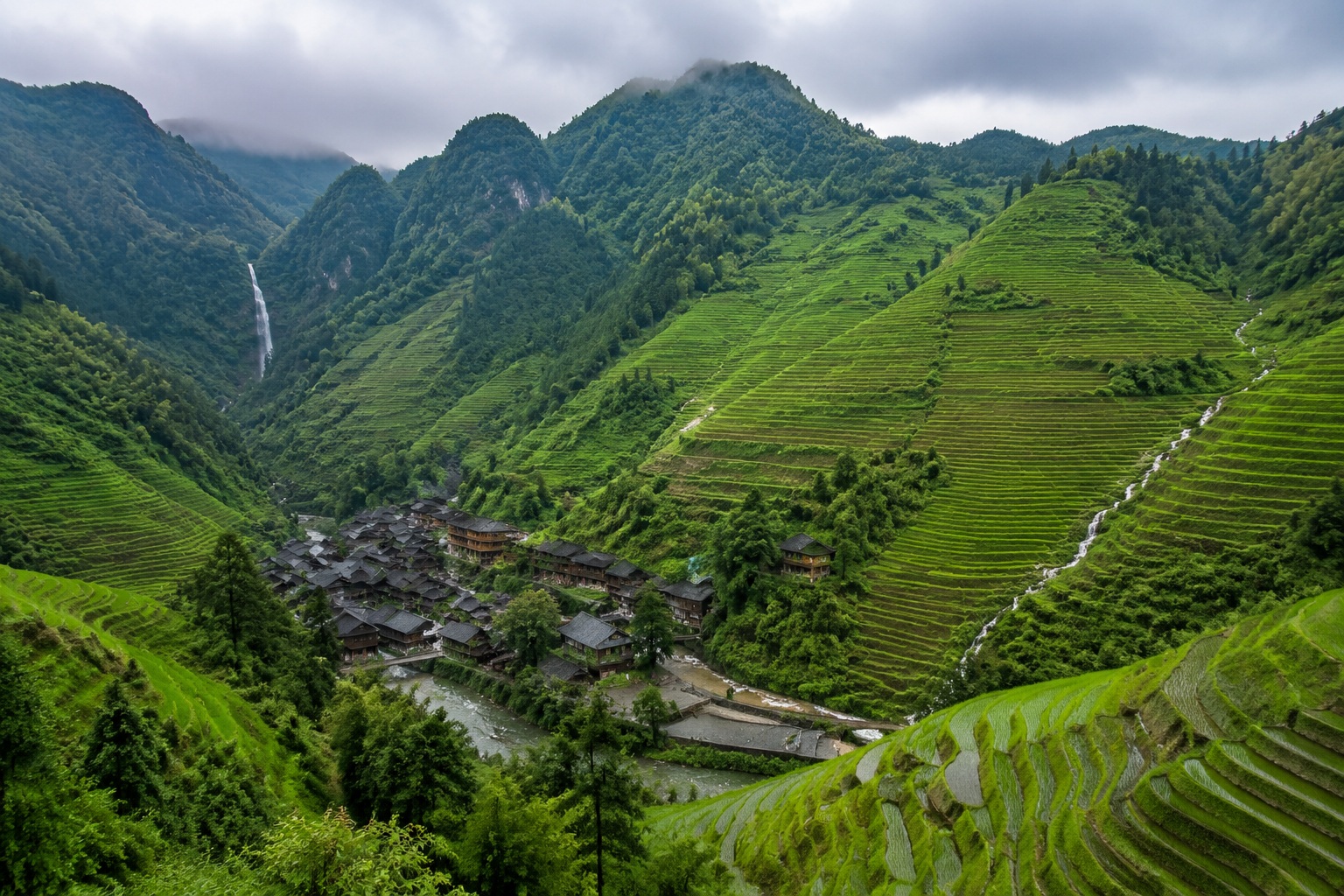
Behind the village, steep karst peaks rise like green fingers. Rice terraces climb the slopes, some abandoned, some still planted. A small stream runs through the village, diverted into channels that water the fields. Further up, I found a second waterfall, far smaller than the ones in the park, but uncharted and perfectly quiet.
This landscape isn’t just a backdrop. The villagers rely on it for fish, timber, medicinal herbs, and firewood. In spring, they collect wild ferns that grow on limestone rocks; in autumn, they harvest glutinous rice for festival wines. I was offered a cup of pungent local liquor made from fermented sorghum—something no guidebook would ever mention.
The Subtle Change Since Tourists Started Coming
Xiaoqikong received more than five million visitors in recent years. A handful of those, like me, accidentally find Laozhai. The impact is small but noticeable. A toilet block appeared at the edge of the village last year, built in a style that mimics the old houses. Some young villagers now wear modern clothes mixed with traditional silver jewelry, straddling two lives.
There’s also a quiet debate about whether to promote the village as a “hidden gem.” Some residents worry that opening a road would destroy the very quiet that attracts people. Others see the empty houses and think, why not. For now, the path remains unpaved and unmarked on official maps.
How to Visit Without Wrecking the Charm
If you want to find Laozhai, you need patience and respect. From the Xiaoqikong East Gate, take the boardwalk toward the Seven-Arch Bridge. Just before the large “Dragon Waterfall,” you’ll see a faint trail heading up the hill on your right. It’s easy to miss—which is the point.
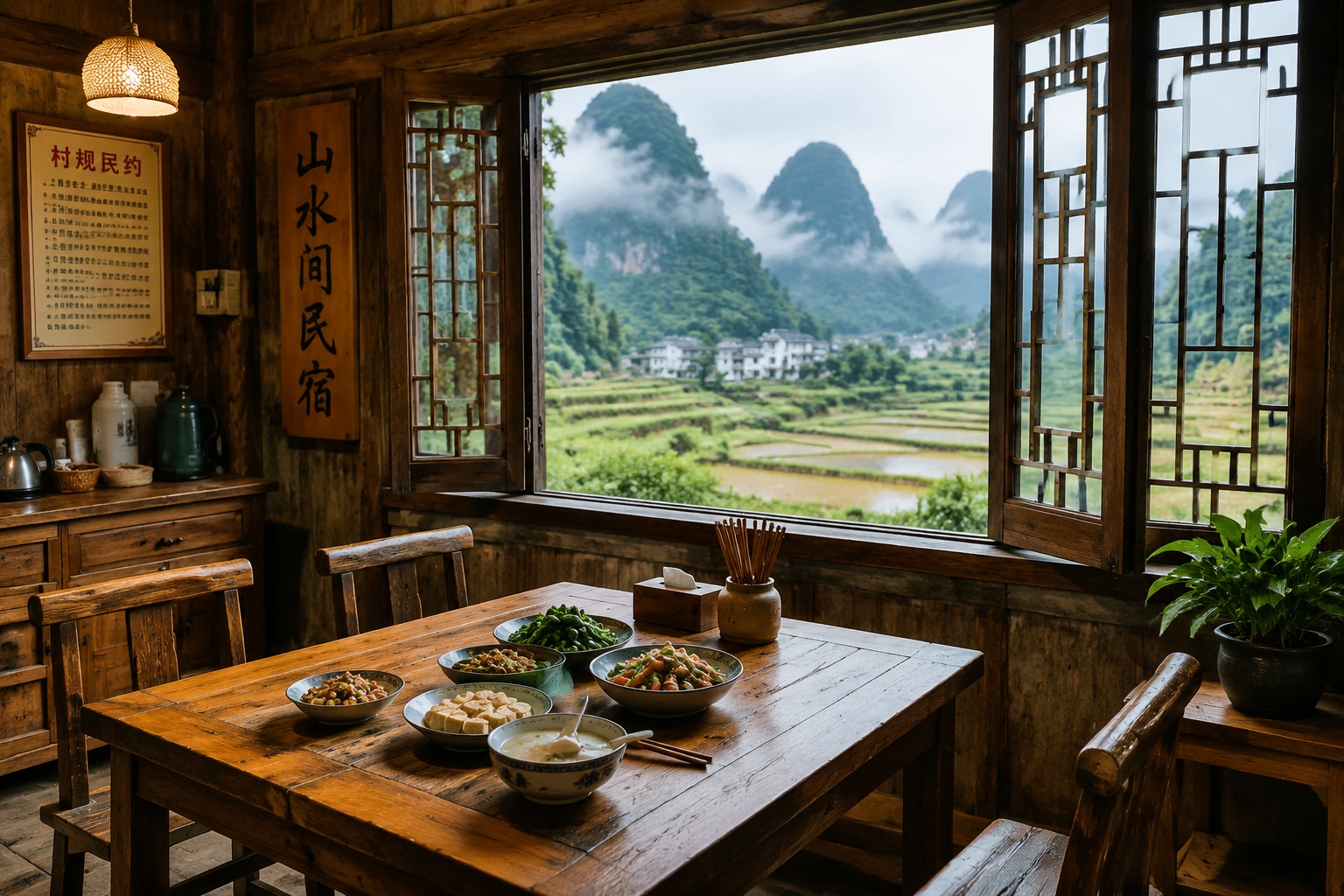
Bring cash because there’s no card reader in the village. Wear shoes with good grip; the path can be slippery after rain. Ask permission before photographing people, and don’t touch or climb the old stone walls. If you stay overnight at A-min’s homestay, she’ll cook using vegetables from her garden. The beds are simple, but you’ll wake up to mist over the rice terraces and the soft sound of chickens scratching.
Why This Hidden Corner Matters
When people think of China, they often picture futuristic skylines or crowded tourist attractions. But there are still places like Laozhai, where a waterfall acts as a natural door and the rhythm of life follows the sun and the seasons. These hidden corners aren’t relics—they are living communities with aspirations, doubts, and a deep connection to the land.
Standing on the ridge above the village, watching the afternoon sun filter through the karst peaks, I understood something that no guidebook could explain. The real Xiaoqikong isn’t just the famous seven-arch bridge. It’s this, too: a woman pounding rice, a farmer mending baskets, a girl laughing behind her hands. I came for a waterfall and left with a story.
Start the discussion at forum.chinacomes.com