

From Coffee to Tea: A Shift in China’s Cups
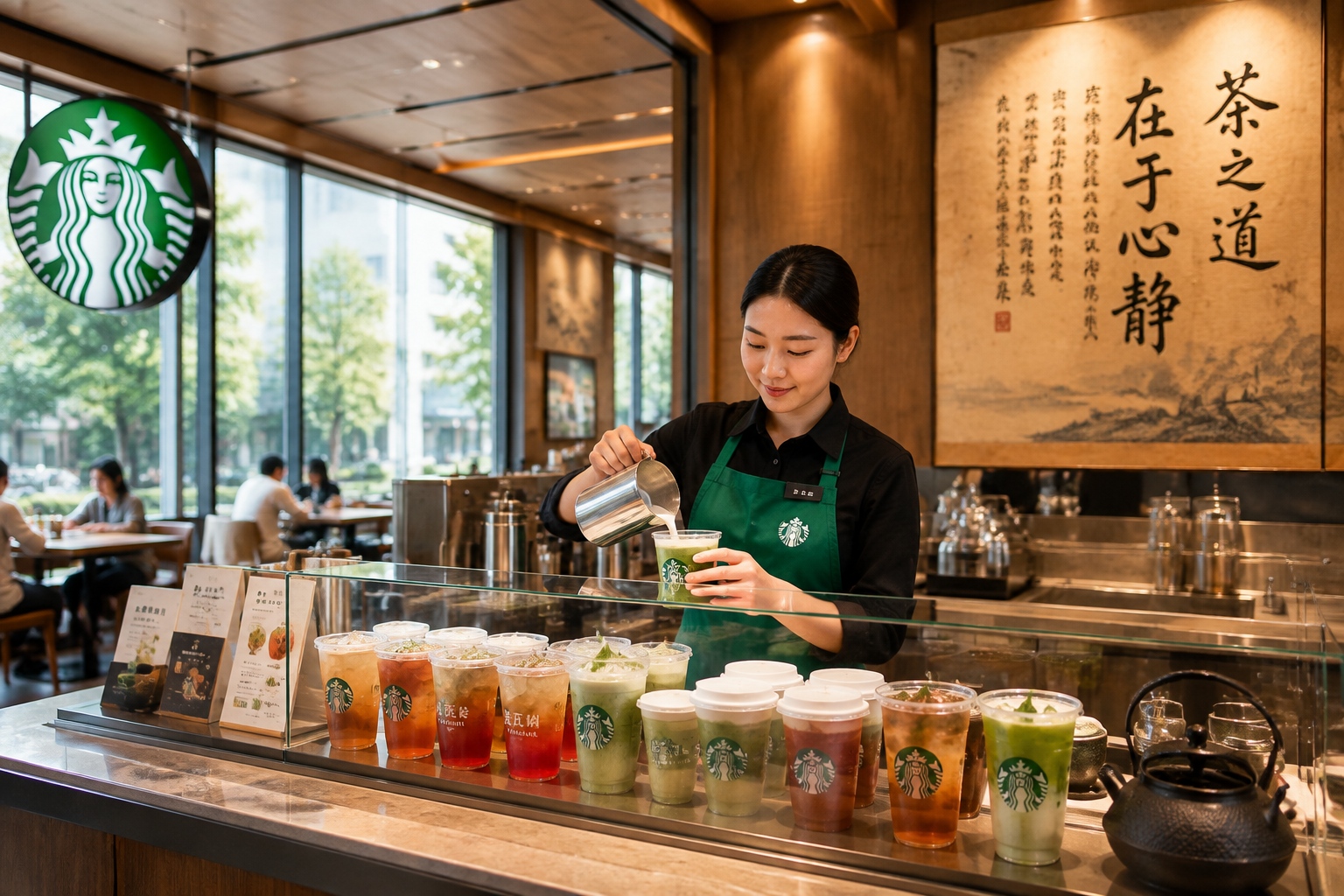
On a humid June afternoon, a Starbucks store in Shanghai’s Jing’an district looks busier than usual. The queue is not just for iced Americanos. At the counter, a new poster highlights “Teavana Black Tea with Osmanthus” and a limited “Longjing Tea Latte”. A customer in a white shirt orders the latter, paying 38 yuan – more than a regular coffee. The barista steams milk and carefully pours it over freshly brewed tea. It looks like a latte, but the aroma is unmistakably Chinese.
Starbucks has been serving tea in China since it first entered the country in 1999, but for years it was an afterthought – a few bagged teabags tucked behind the coffee counter. That changed dramatically in 2016, when the company acquired the tea chain Teavana for $620 million. In 2018, Teavana teas began appearing in Chinese Starbucks stores, offering flavors like Peach Green Tea and Pineapple Black Tea. More recently, the chain has gone further, introducing “Starbucks China Tea” – a line that includes Longjing, Biluochun and other well-known Chinese teas, crafted into lattes, cold brews and fruit-infused blends.
The timing is no coincidence. China’s coffee market has been growing rapidly, but per-capita consumption remains far below Western countries. Meanwhile, tea is deeply embedded in Chinese culture – yet young urbanites are abandoning traditional teahouses. They are flocking instead to a booming “new-style tea” sector, where brands like Heytea and Naixue mix tea with milk, cheese foam and fruit to create photogenic drinks that sell for 20 to 40 yuan. Starbucks, the world’s largest coffee chain, is now scrambling to win over this picky audience.
Why the Coffee Giant Needs Tea
The battle for China’s beverage market is no longer simply about coffee. In 2023, Luckin Coffee surpassed Starbucks in the number of stores in China, selling affordable lattes and Americanos at a furious pace. Starbucks’ same-store sales in China have occasionally declined, pressured by competition and a slower economic recovery. To stay relevant, Starbucks is trying to become a “third place” for all-day drinking, not just mornings.
Tea is the natural bridge. The after-lunch and mid-afternoon slots are dominated by tea drinkers. By offering tea-based products, Starbucks can extend its sales peaks beyond breakfast and increase average revenue per store. Moreover, the margins on tea-based drinks are attractive – a Longjing Tea Latte uses a small amount of high-quality tea leaves, but retails at a price comparable to a premium coffee.
There is also a strategic element. Local regulators and consumers have become more appreciative of domestic cultural symbols. Starbucks, a foreign brand, has to show that it respects and understands China’s tea heritage. The company has invested in a tea production facility in Anhui province, and its “Starbucks China Tea” is not just a marketing gimmick – it is a long-term bet on localization.
The numbers underline the urgency. China’s new-style tea market alone was estimated at over 300 billion yuan in 2023, far larger than the coffee market, according to industry reports. Starbucks, with more than 6,800 stores in China, cannot afford to rely solely on coffee beans.
How ‘Chinese Tea’ Gets a Modern Makeover
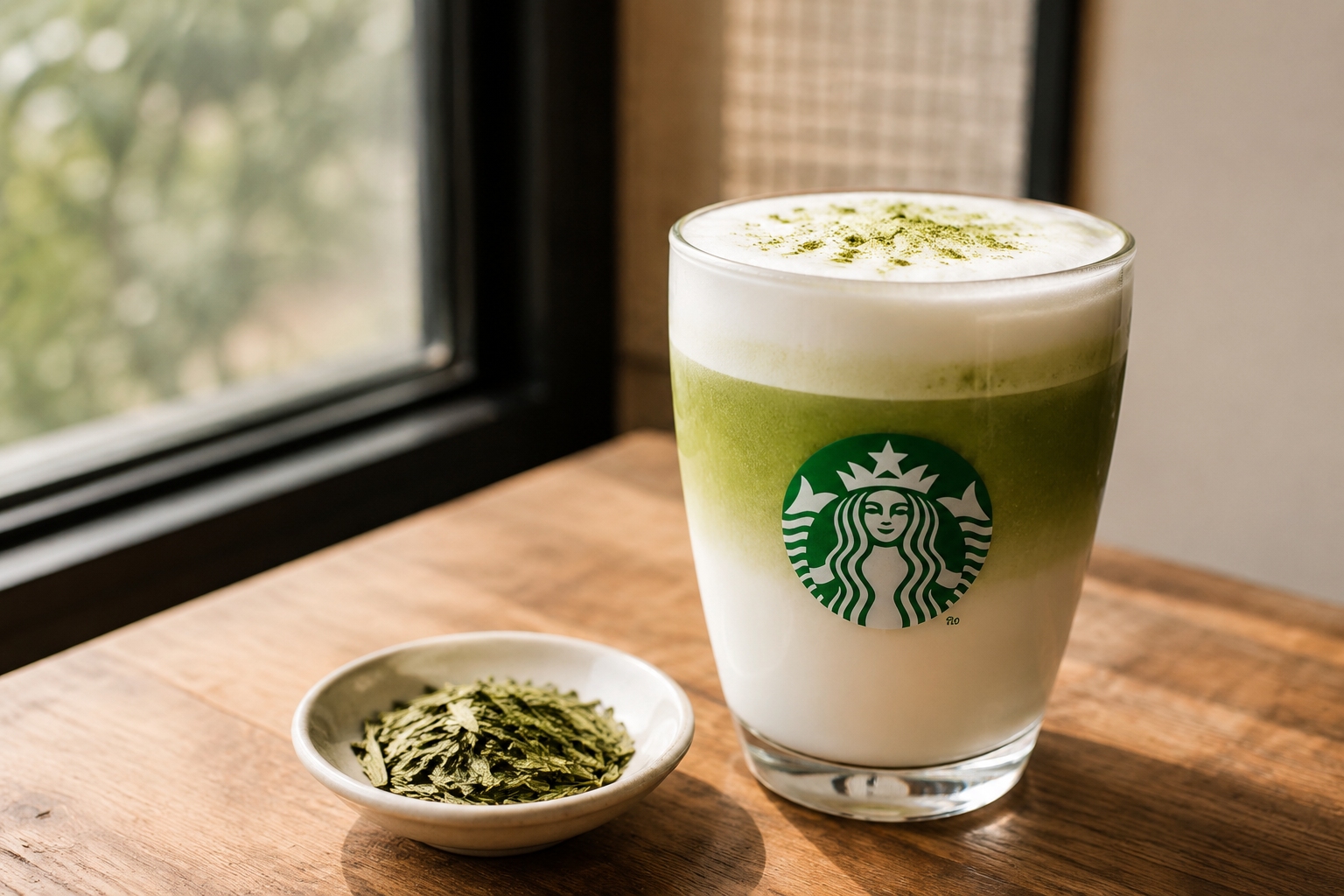
The term “Chinese-style tea” at Starbucks is a careful fabrication. Traditional Chinese tea is usually brewed plain, but Starbucks modifies it to suit modern palates. For instance, a “Jasmine Tea Latte” combines jasmine green tea with steamed milk, creating a milder, creamier drink that resembles a matcha latte but with a lighter body. Fruit teas, such as Passionfruit Osmanthus Black Tea, are sweet, cold and packed with ice – almost a hybrid between juice and tea.
The key is consistency. Starbucks applies the same rigorous standards it uses for coffee: precise water temperature, steeping time and milk ratios, developed at its Shanghai beverage development center. The goal is to offer a taste that is familiar enough for conservative tea lovers, yet innovative enough for Instagram-driven youth. The success of such products depends on whether they can bridge the gap without falling into the “neither here nor there” trap.
Take the Longjing Tea Latte, a springtime limited edition. The tea leaves are sourced from Hangzhou, one of China’s most famous tea regions. Baristas are trained to brew the leaves at precisely 70 degrees Celsius, then add a thin layer of steamed milk. The result is a light, nutty drink that never overwhelms the tea’s original character. It is a meticulous process, one that echoes the rituals of a traditional tea ceremony but in a paper cup.

Starbucks vs. Local Tea Brands
On the surface, Starbucks looks like a giant stepping into a thriving market. But competition is fierce. Local brands like Heytea and Naixue have mastered the art of rapid product drops – they release new flavors almost every week, complete with playful names, eye-catching packaging and social-media campaigns. Dedicated tea shops also offer a wider variety of toppings, from chewy tapioca pearls to cheese foam and pudding, which Starbucks does not fully replicate.
Starbucks’ advantage is its physical environment. Its stores in China are often spacious, well-lit and equipped with power outlets, making them ideal for meetings and remote work. For many Chinese consumers, especially those over 30, Starbucks remains a status symbol and a safe choice. The question is whether the tea products can attract the younger, trend-hungry crowd that prefers to queue at a neon-lit Heytea outlet.
The next few years will be telling. Starbucks has already committed to opening 9,000 stores in China by 2025, and tea will likely be a core part of the menu. Meanwhile, local tea brands are themselves starting to sell coffee, blurring the lines further. The market is becoming an all-out war for every mouthful.
Conclusion: A Sip of Strategy
Starbucks’ move into Chinese-style tea is not a leap of faith; it is a calculated response to a market where tea is still the national drink, but the way it is consumed has changed. By adapting traditional flavors into modern formats, the coffee giant is trying to stay relevant in a country that is both fiercely traditional and intensely modern. Whether it will succeed depends on its ability to innovate faster, respect local tastes, and convince Chinese consumers that a coffee chain can make tea with equal passion.
Start the discussion at forum.chinacomes.com