

The Two-Hour Detour
Before the Taihu Lake Tunnel opened in late 2021, commuting between Wuxi and Suzhou was a test of patience. For locals living on opposite shores of China’s third-largest lake, the journey wasn’t just about distance; it was a geographical trap.
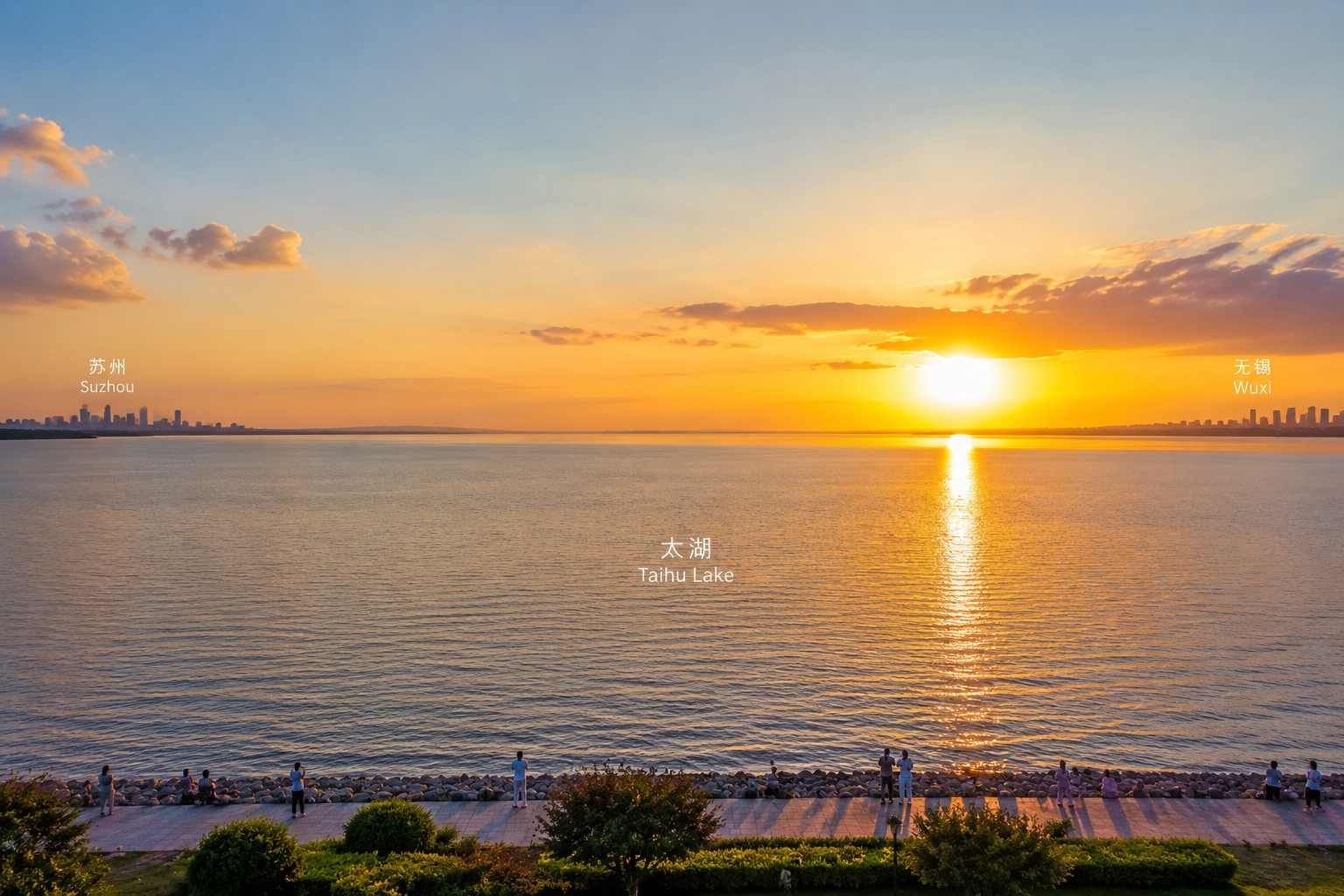
Imagine trying to drive from downtown Wuxi to central Suzhou. Without the tunnel, you had to skirt the entire perimeter of the massive lake, navigating winding provincial roads and toll booths. What should have been a 40-minute trip often stretched into two hours or more, depending on traffic. For business owners shuttling between factories in the south of Wuxi and offices in Suzhou’s industrial parks, this inefficiency wasn’t just an annoyance—it was a direct hit to their bottom line.
“I used to leave at 6:30 AM every day,” says Li Wei, a supply chain manager who lives in Wuxi but works in Suzhou. “By the time I got home, it was already dark. The tunnel didn’t just save me time; it gave me back my evenings.”
A Highway Beneath the Waves
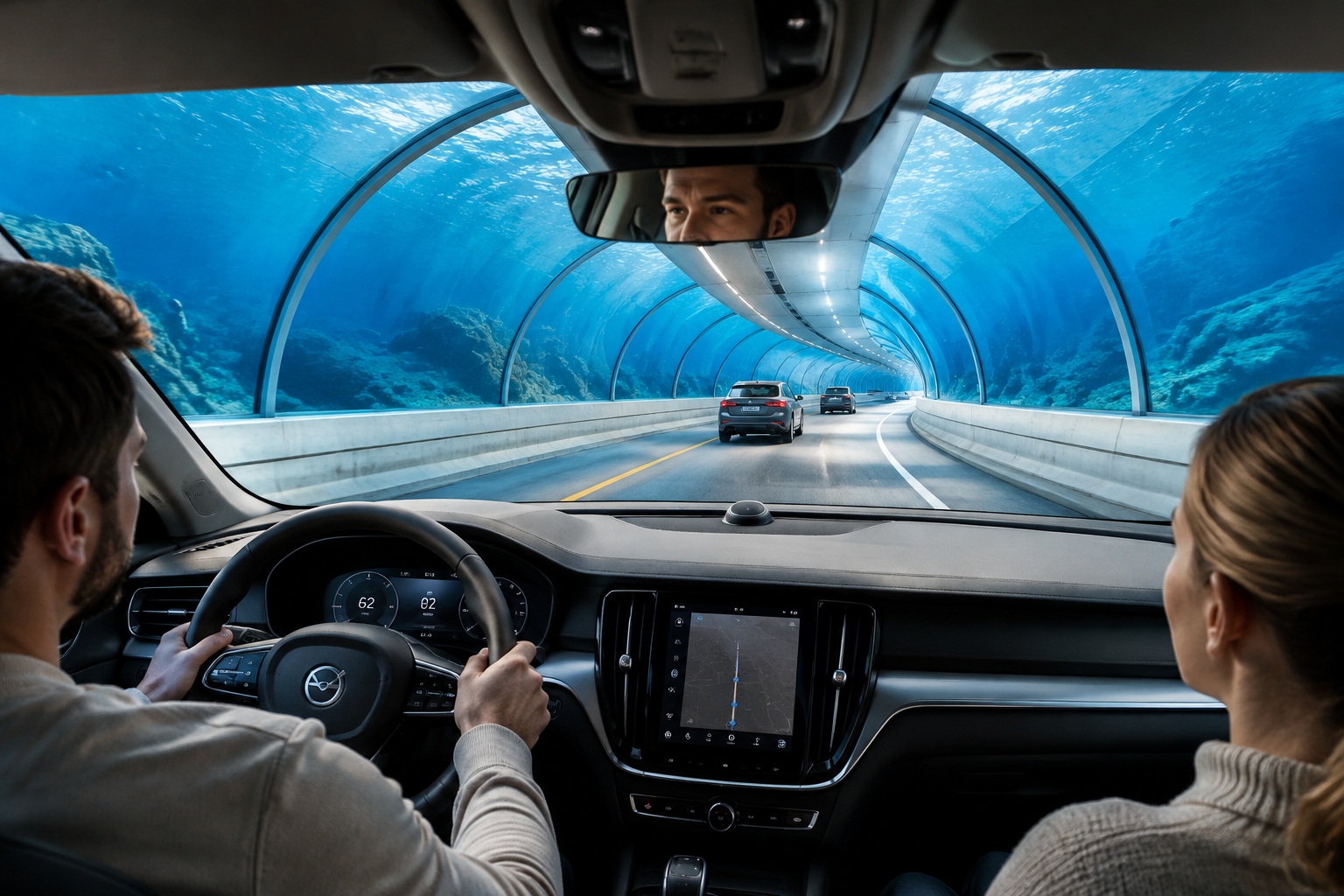
The solution was an engineering feat that sounds more like science fiction than civil infrastructure: a double-bore underwater highway buried 40 meters beneath the lakebed.
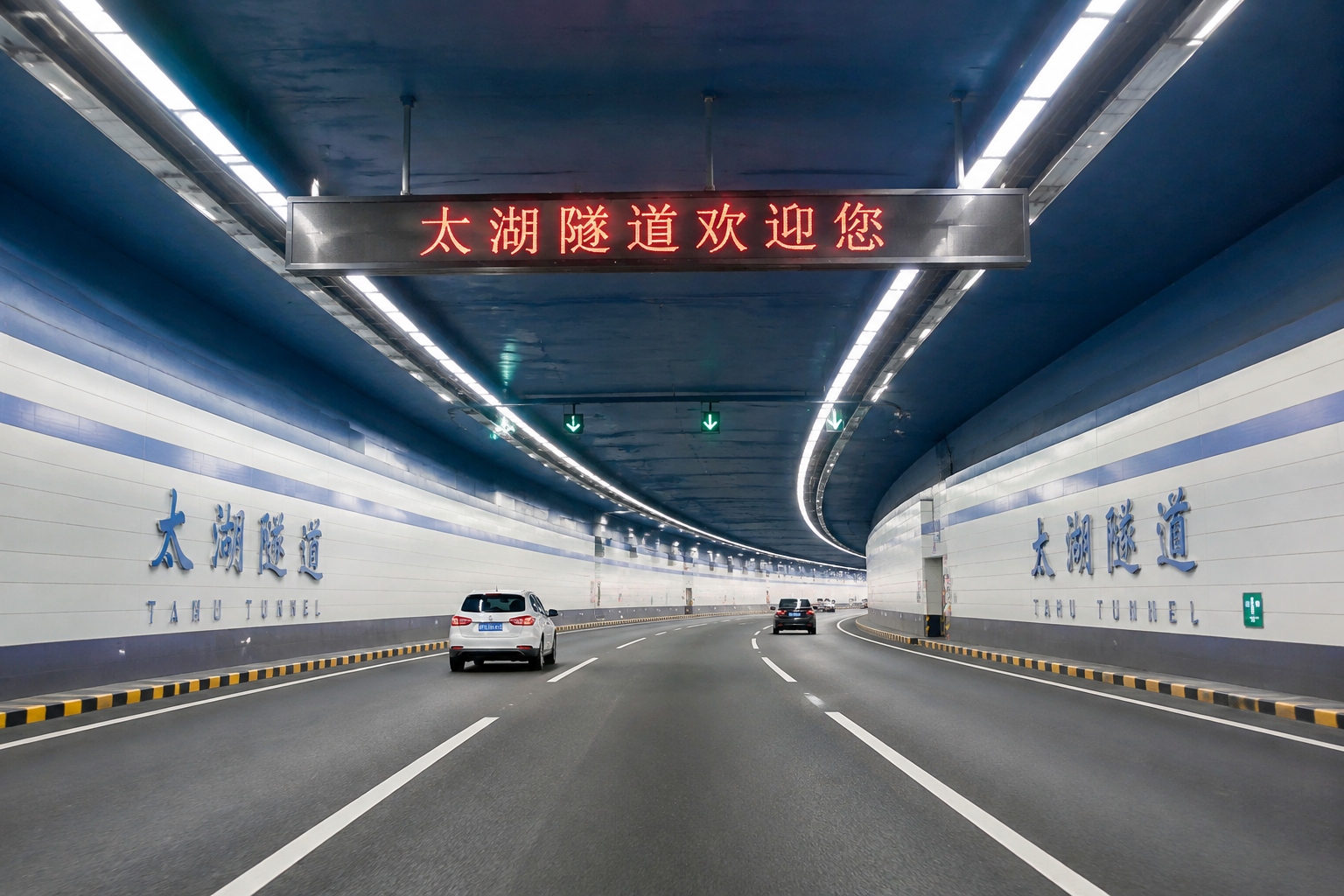
To understand its scale, think of it as a subway tunnel, but for cars traveling at highway speeds. The tunnel is nearly 10.8 kilometers long (6.7 miles) and consists of two separate tubes—one for each direction of traffic. It’s not just a hole in the lake; it’s a complex system of ventilation, lighting, and emergency exits designed to withstand earthquakes and water pressure.
For drivers, the experience is surprisingly calm. There are no sudden drops or claustrophobic walls. The tunnel is wide, brightly lit with LED strips that mimic daylight, and features gentle curves that prevent motion sickness. As you drive through, you might catch a glimpse of fish swimming above your roof through specially designed viewing sections near the entrance, but for most of the journey, it feels like driving on a very high-quality, indoor highway.
From Skepticism to Habit
Natural skepticism was high when plans were first announced. Many drivers worried about safety: What if there’s a fire? How do you escape if you’re 40 meters underwater?

The Chinese authorities addressed these concerns with rigorous testing and transparent data. The tunnel is equipped with advanced ventilation systems that can clear smoke in minutes, emergency evacuation passages every few hundred meters, and constant monitoring by traffic control centers. Since its opening, the safety record has been impeccable.
Today, the “underwater drive” has become a normal part of daily life for over 100,000 vehicles passing through daily. The fear has faded, replaced by the simple joy of efficiency. Parents can now drop their kids at school in Suzhou and return to Wuxi for lunch. Farmers from the lakeside villages can get their fresh produce to city markets before it wilts.
Shrinking Distances Between Cities
The tunnel is more than a road; it’s a connector of economies. It lies at the heart of the Yangtze River Delta, one of China’s most dynamic economic regions. By linking Suzhou and Wuxi, two major manufacturing hubs, the tunnel has accelerated the integration of these cities.
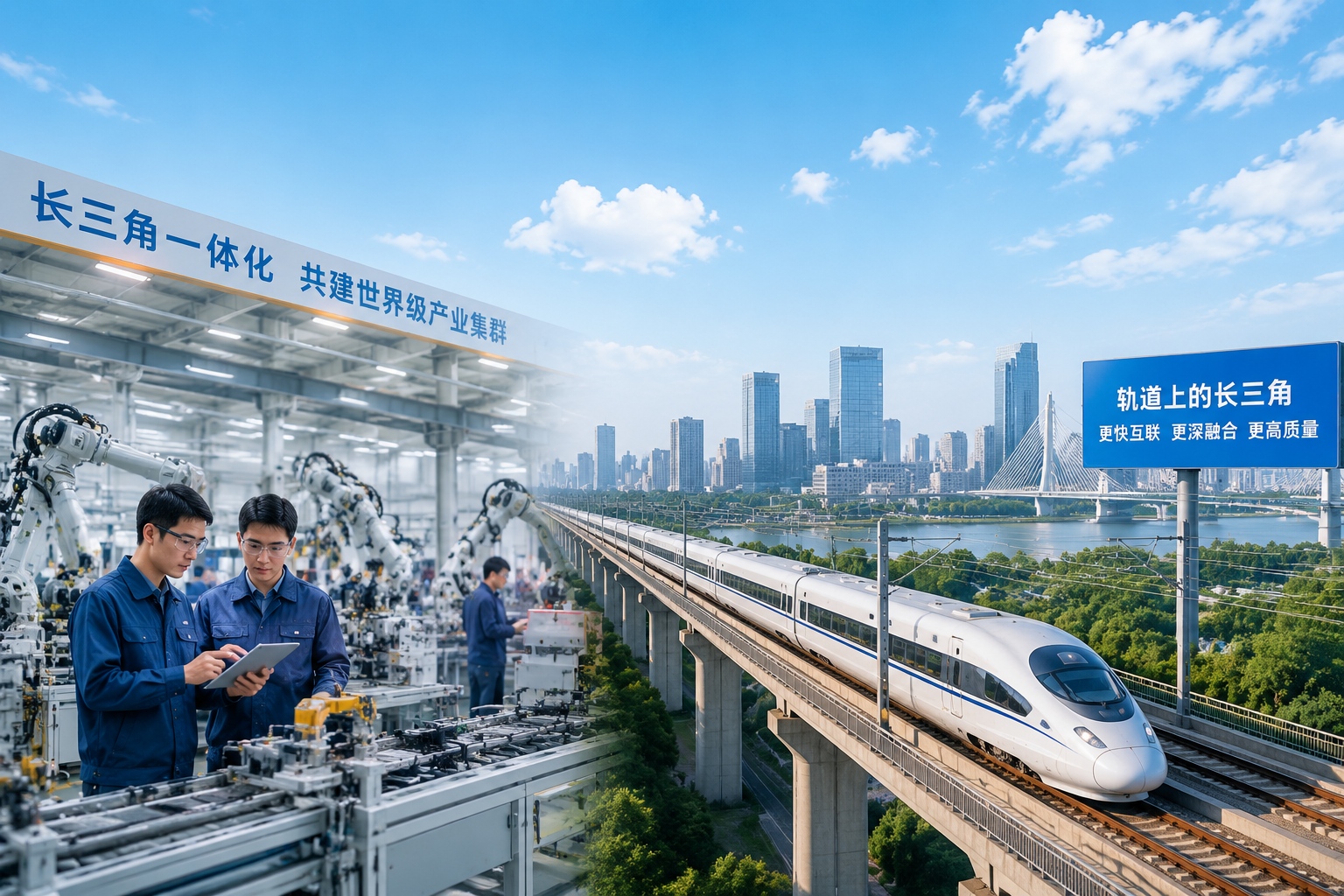
This reflects a broader trend in Chinese urban planning: “integrated metropolitan circles.” The goal is to make neighboring cities function as a single economic unit. For workers, this means more housing options at lower prices. For businesses, it means faster logistics and larger labor pools.
Li Wei’s story is just one example. His commute used to take two hours; now it takes 15 minutes. That extra hour and forty-five minutes a day translates to nearly 200 hours a month—time he now spends exercising, reading, or being with his family. In a country where urbanization is rapid and traffic congestion is common in major cities, this kind of infrastructure doesn’t just move cars; it improves quality of life.
The Future of Commuting
As China continues to invest in high-speed rail, smart highways, and underwater tunnels, the gap between “far” and “close” is shrinking. The Taihu Lake Tunnel stands as a testament to this shift. It’s not just about concrete and steel; it’s about giving people their time back.

For visitors from abroad, seeing cars glide silently beneath the lake might seem futuristic. But for locals like Li Wei, it’s simply what life looks like now. The world is getting smaller, and in China, that smallness is measured not just in kilometers, but in hours saved.
Start the discussion at forum.chinacomes.com