
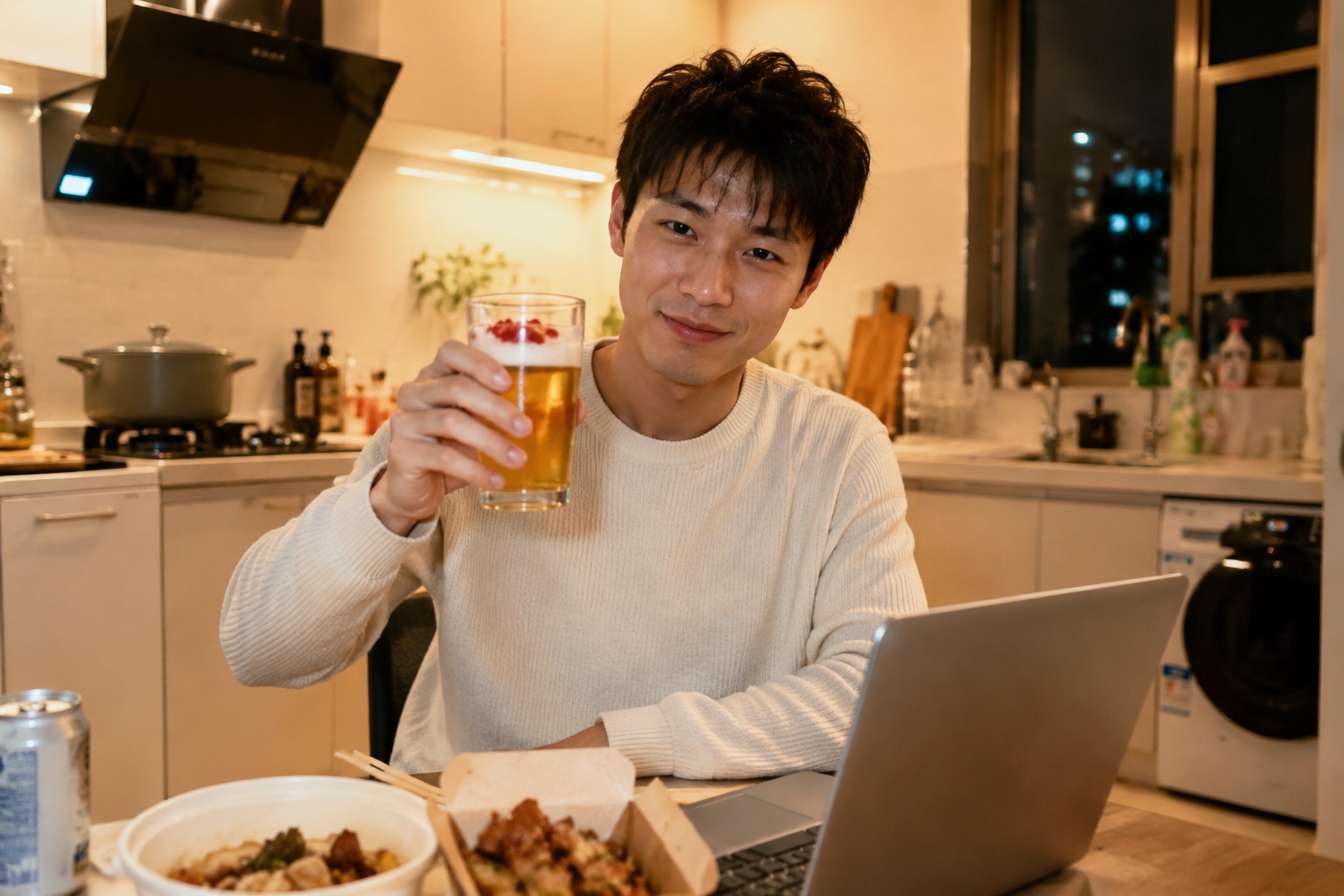

It’s 2 AM in Beijing. Li Wei orders spicy crayfish and a bottle of beer — then pours a handful of goji berries into his glass.
His WeChat friends send laughing emojis. “Classic,” one types. “The ultimate punk health move.” Li Wei, a 27-year-old marketing manager, shrugs. He knows it looks ridiculous. But after a 12-hour workday, he craves something indulgent. The goji berries are his compromise — a tiny nod to the wellness he knows he should be chasing.
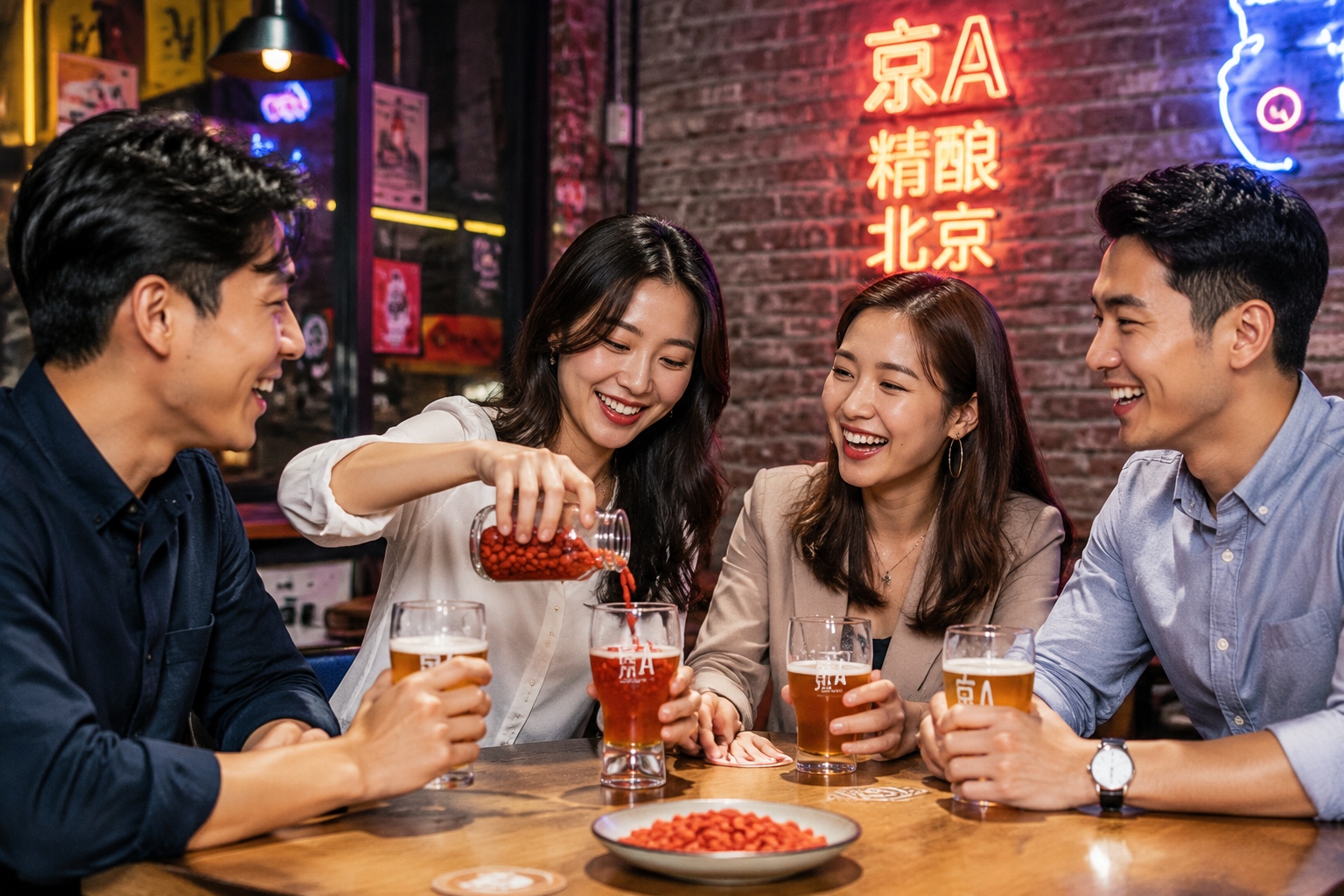
Li Wei is not alone. Across China, a growing number of young professionals are embracing what they call “punk health” (朋克养生, péng kè yǎng shēng): a playful yet desperate mix of self-destructive habits with half-hearted health remedies. Think smoking with a face mask on, staying up all night and then taking expensive supplements, or — yes — drinking beer infused with traditional Chinese wolfberries. It’s contradictory, ironic, and deeply human.
What Exactly is ‘Punk Health’?
The term first appeared on Chinese social media around 2018, but the behavior has been around longer. “Punk” here borrows from the rebellious, DIY spirit of punk culture — but instead of safety pins and leather jackets, it’s about refusing to give up pleasure even when you know it’s bad for you. Combine that with China’s deep-rooted obsession with “health preservation” (养生), and you get this paradox: a generation that works hard, parties hard, and then frantically tries to undo the damage with ancient herbal teas, acupuncture pillows, and collagen gummies.
For many, punk health is a coping mechanism. Millennials and Gen Z in China face brutal work hours (the notorious “996” — 9 am to 9 pm, six days a week), skyrocketing housing costs, and intense academic pressure from childhood. Self-care often feels like a luxury they can’t afford in time or money. So they invent shortcuts. Instead of quitting drinking, they add goji berries to beer. Instead of going to bed early, they buy smart sleep masks and melatonin gummies. It’s a half-compromise: you keep the vice, but you pay a token tribute to health.
“I know it’s not real health,” says Chen Xiaoyu, a 25-year-old graphic designer in Shanghai, as she orders bubble tea with “less sugar” and extra “collagen” pearls. “But it makes me feel better. Like I’m trying. That mental comfort is worth something.”
From Traditional to Trendy: The Goji Berry Comeback
Goji berries (枸杞, gǒu qǐ) have been a staple in traditional Chinese medicine (TCM) for centuries, touted to boost vision, immunity, and longevity. Your grandparents probably soaked them in hot water every morning. But now, they’re showing up in coffee shops, craft breweries, and even ice cream. In 2022, a chain of bubble tea shops in Beijing launched a “Goji Berry Latte” that went viral. “It feels healthier than regular coffee,” joked one customer on Xiaohongshu (Little Red Book).
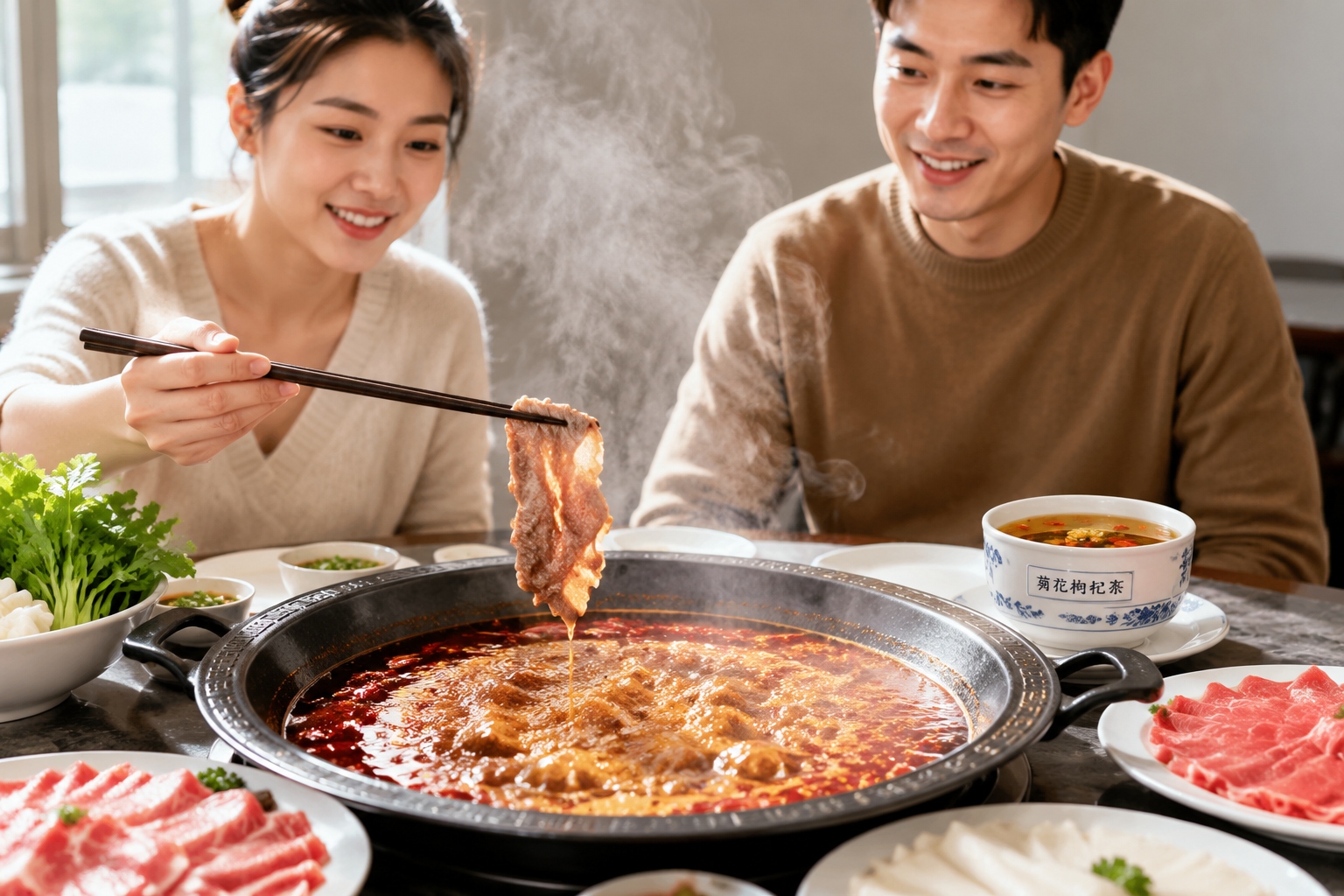
The fusion of TCM ingredients into modern junk food is a signature punk health move. Restaurants now offer “medicinal hot pot” — a spicy broth simmered with angelica root and ginseng, marketed to offset the grease and capsaicin. Harbin Brewery, one of China’s oldest beer makers, released a limited-edition “Wolfberry Beer” in 2021. The label boasted “less hangover” and “eye protection.” It sold out within weeks.
But don’t mistake this for a real health revolution. These products capitalize on the guilt of overindulgence rather than actual nutritional science. “The research on goji berries in beer is, well, thin,” laughs Dr. Wang Fang, a nutritionist based in Shenzhen. “But psychologically, it works. You feel you’ve mitigated the damage, so you drink another bottle.”
Coping Under Pressure: The Real Driver
Why do young Chinese feel the need to compromise like this? The answer lies in stress. According to a 2023 survey by the China Youth Daily, over 70% of Chinese urban workers aged 20–35 report moderate to high levels of burnout. The pressure of the “rat race” — long hours, constant comparison, uncertain futures — pushes many to seek small rebellions. Punk health is one of them: it’s a way to say “I’m in control” while still breaking the rules.
“If I eat a clean salad every day, I feel like I’m giving up my freedom,” says Zhang Lei, a 29-year-old software engineer who regularly stays up past midnight gaming. “But if I have a bowl of ramen and then a cup of ginger tea, I feel like I’ve balanced pleasure and duty. That little rebellion keeps me sane.”
The irony isn’t lost on them. Social media is full of self-mocking memes. One popular post shows a person holding a cigarette in one hand and a bottle of Chinese patent medicine in the other, with the caption: “Modern yangsheng: you die, but you die treating yourself well.”
Is Punk Health Here to Stay?
Critics say it’s a delusion — a way for young people to fool themselves into thinking they can have it all. Supporters argue it’s a pragmatic adaptation to an impossible lifestyle. In a society that demands so much, a little irrational self-care might be the only kind of care available.
The trend is also evolving. Some companies now offer “punk health kits” — gift boxes containing face masks, herbal tea packs, and a small bottle of alcohol. The message: work hard, play hard, and patch yourself up later.
Whether it’s goji berry beer or CBD-infused bath bombs, the core impulse is the same: a generation trying to find balance in a world that doesn’t give them time to breathe. And maybe that’s not so punk after all — it’s just human.
Start the discussion at forum.chinacomes.com