
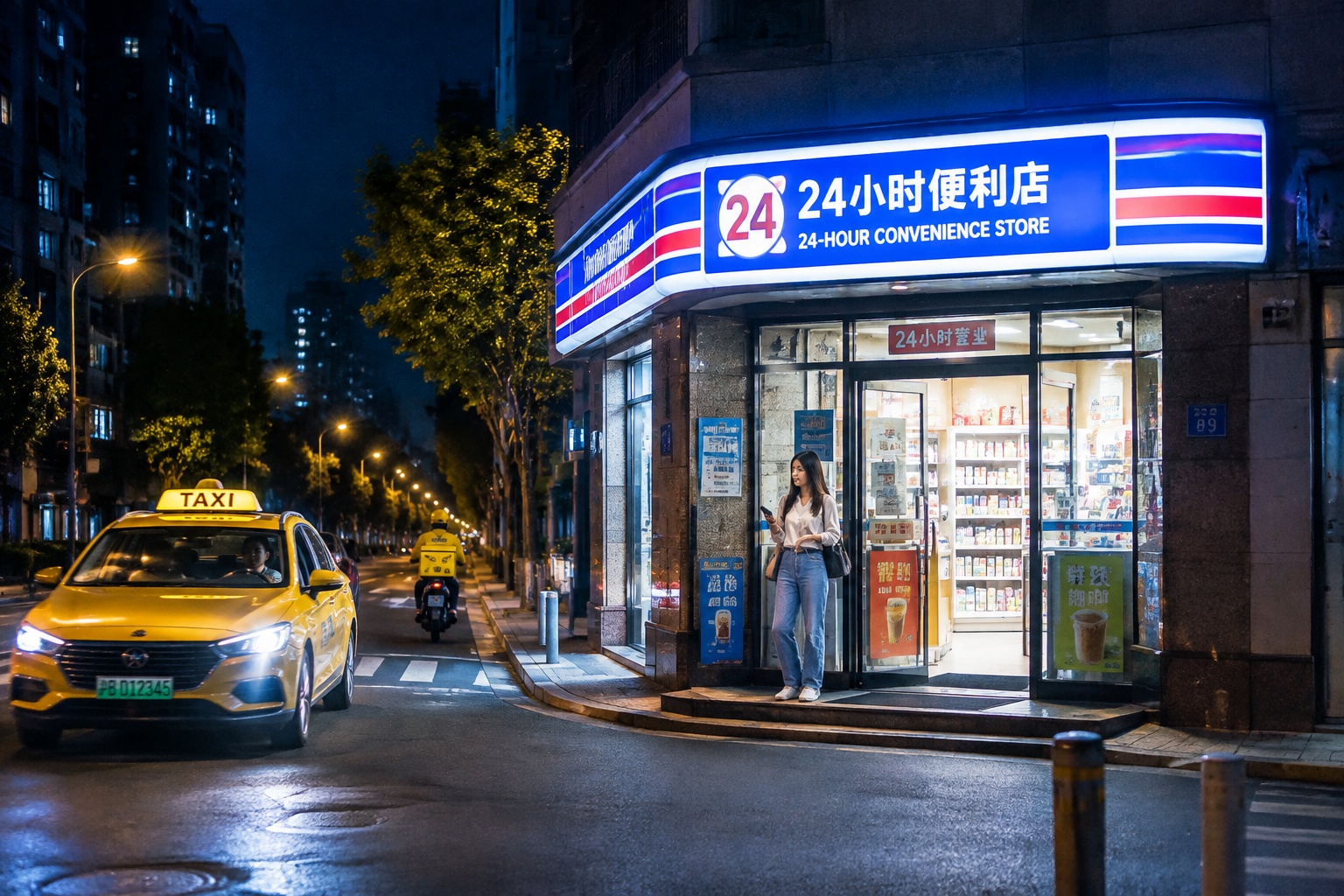

1:30 AM at a 24-Hour Convenience Store
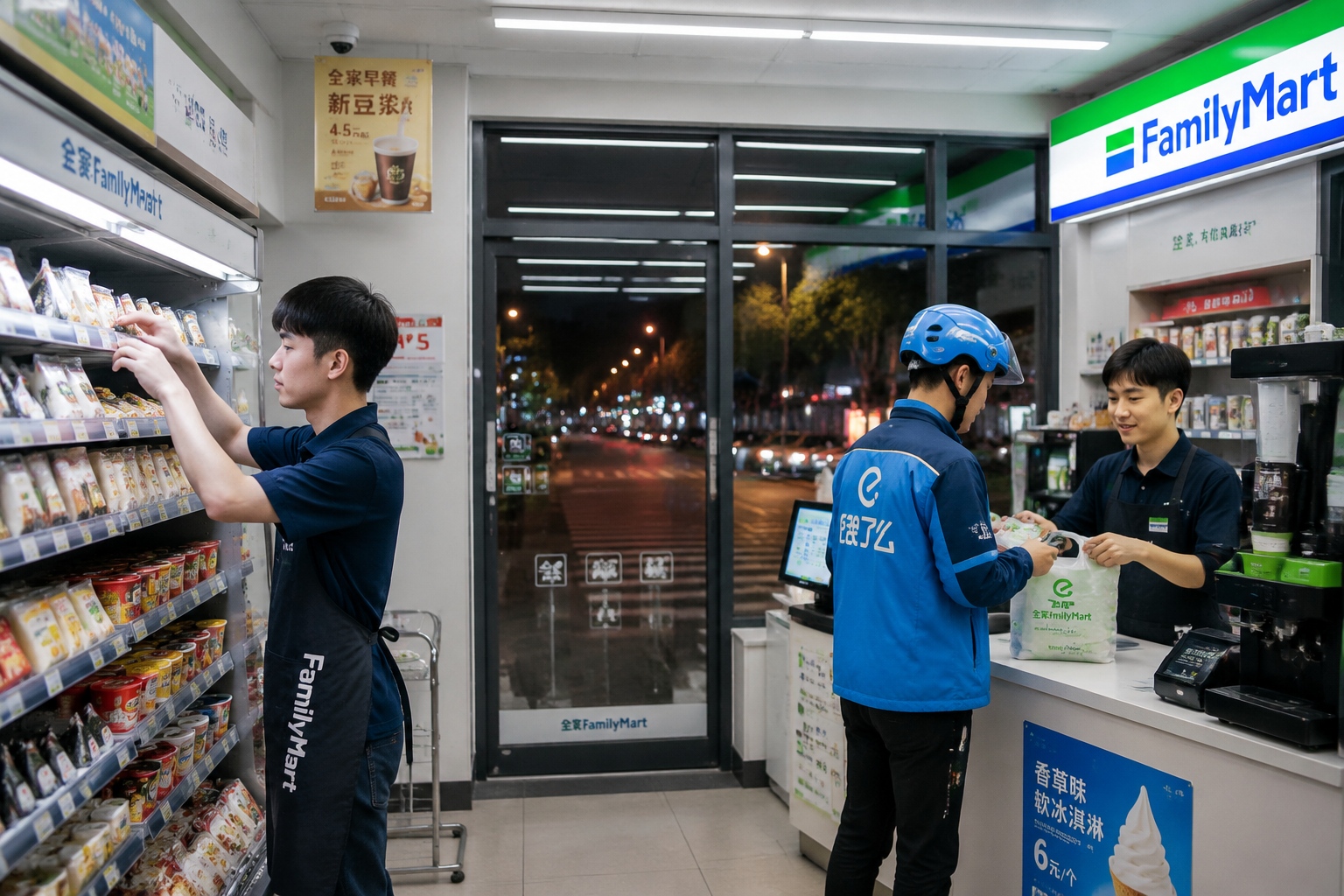
The fluorescent lights of a FamilyMart on a quiet Shanghai street are so bright they seem to challenge the darkness. At 1:30 a.m., most of the city has turned off its screens, but here, a young clerk in a navy apron is restocking shelves with cold noodles and rice balls. The door slides open with a soft beep. A delivery rider walks in, snatches a can of coffee, and is gone in less than a minute. I order a hot soybean milk and stand by the window. I’m not sure why I came. I just felt like the city had another story to tell.
The Pressure That Keeps People Awake
China’s big cities have a well-known word for the feeling of being stuck in a race with no finish line: neijuan (involution). It describes the pressure to work longer, study harder, and run faster just to stay in place. For many, that pressure doesn’t stop when the sun goes down. Some people choose the night shift because it pays more. Others say it’s the only time they can control something. Whatever the reason, the midnight city is full of people who are awake not to party, but to work.
The Taxi Driver Who Knows Every Corner
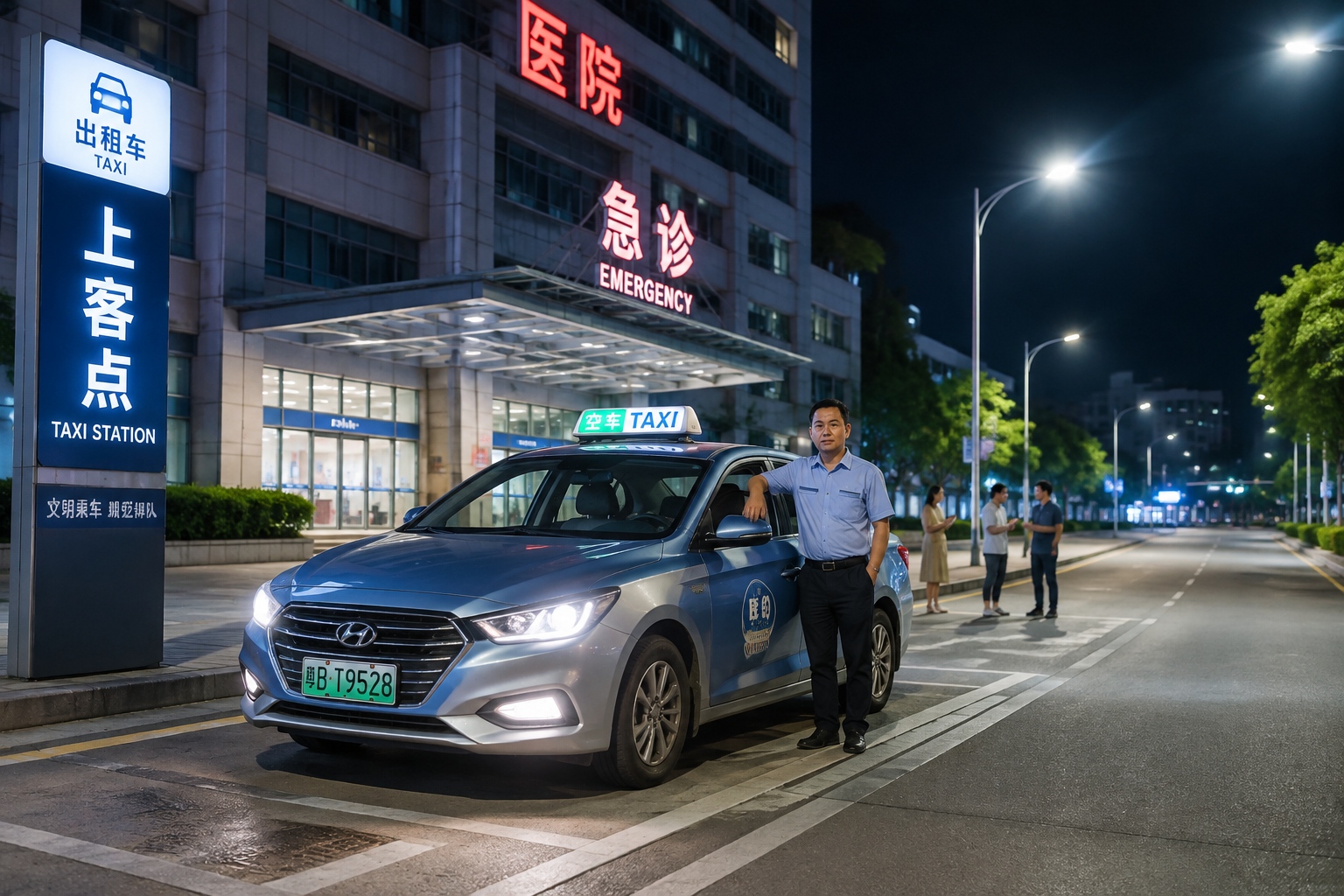
Liu, a 46-year-old taxi driver, has been driving the night shift for twelve years. He likes it. “No traffic. No noisy passengers. The city feels like it belongs to us,” he says, as he pulls into a taxi stand near a hospital. “But every passenger carries a story.” Tonight, he drove a nurse who was too tired to speak, a young programmer still staring at his laptop in the back seat, and an elderly woman on her way to the hospital with a small bag. “At night, people are honest. In the day, they hide. At night, they just want to get home.” Liu tells me that the newest road lights in the city are now LED, brighter and clearer. “They help me see people crossing the street. But also, they make the city feel less lonely.”
The Convenience Store Clerk Who Found Solitude
Xiao Zhou, 24, has been working the graveyard shift at the same FamilyMart for eight months. A university graduate in literature, he says he took the night job to have time for his own writing. “During the day, the city is too loud. My phone never stops ringing. At night, the only people are the late-night regulars: a security guard, a couple of riders, sometimes a crying woman who just wants a bottle of water.” He hands me a pack of cigarettes but I don’t smoke. “I don’t feel lonely, actually. I feel like I’m invisible. That gives me freedom.”
The Gamer Who Turns Night into Workspace
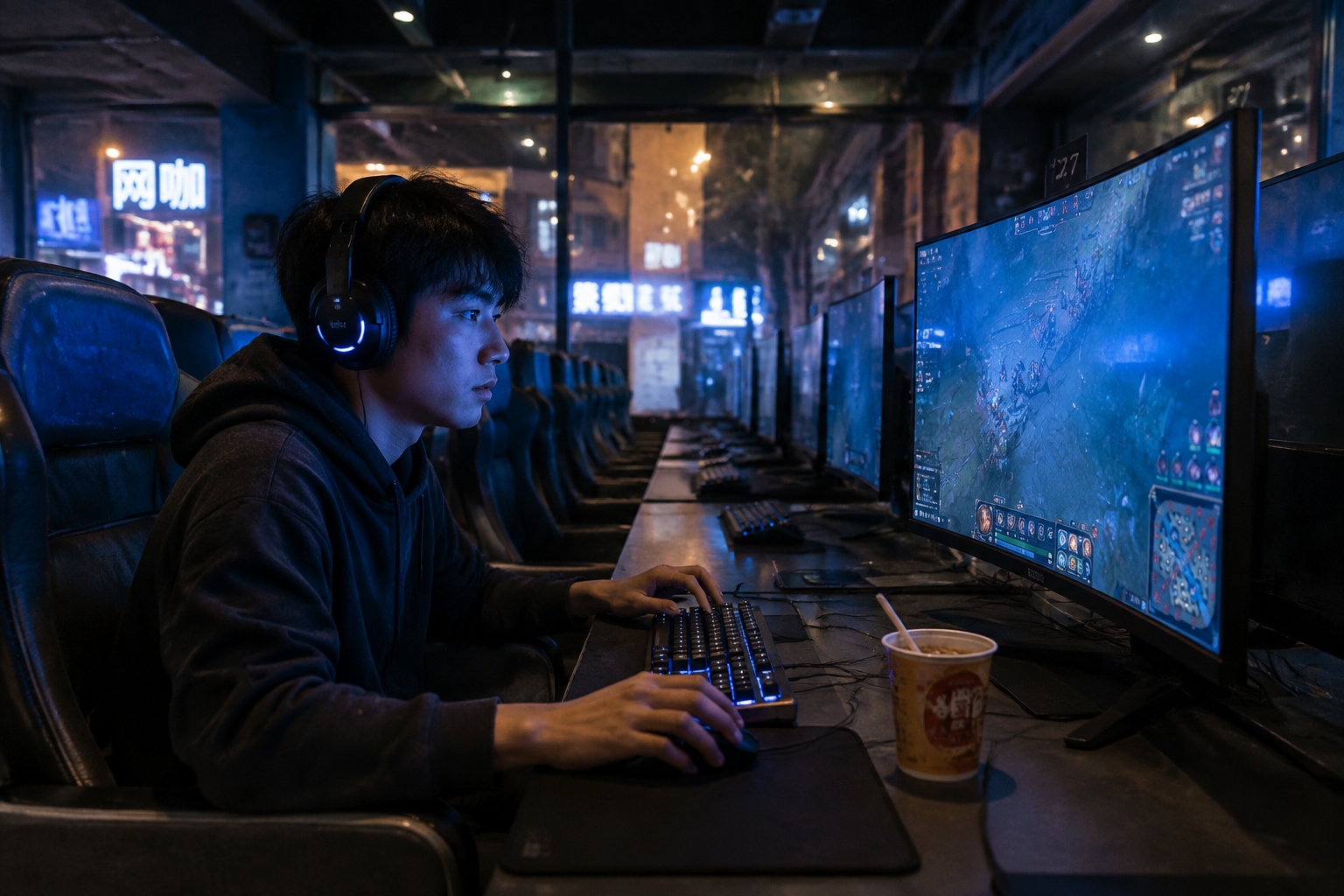
At a 24-hour internet café, I meet A-Jie, 22, who plays online games for a living. He’s not a professional e-sports player, but a “replacement” gamer or booster, someone who levels up other players’ accounts for money. “My prime time is 11 p.m. to 4 a.m.,” he tells me, eyes still fixed on the screen. “The network is fastest, and my clients are online after their shifts.” He orders a cup of cumin-flavored instant noodles. “I know this isn’t forever. But right now, I earn enough to rent a small room near my parents. I’m saving up to open a coffee stand in a night market.” His screen glows blue in the dim room, and behind him, another gamer sleeps in a chair.
Loneliness and Freedom: The Emotional Landscape
What does it feel like to be awake when everyone else is asleep? The taxi driver speaks of a quiet intimacy. The clerk calls it freedom. The gamer describes it as a silent race against time. But all three also mention the weight of loneliness. “Night passengers never ask for conversation. They just want to be driven,” Liu said. “Sometimes I wish they would talk to me.” Xiao Zhou admitted that he sometimes chats with the security guard even if he doesn’t need to buy anything. “It’s strange. You are surrounded by the city, but you are not really in it.”
How the City Supports Its Night Workers
Modern Chinese cities are built to keep these workers moving. Night buses still run hourly on many routes, marked with an “N” on their front. The metro’s last train is around 11:30 p.m., but the night buses pick up from there. Streetlights are everywhere, and in commercial areas, they remain bright all night. Many office towers leave their bottom-floor lobbies lit so that late workers can grab a ride in a safe spot. The 24-hour convenience stores are like small fortresses sprinkling the map. Even at 4 a.m., you can find hot drinks, warm snacks, and a person to nod to.
There are also some newer supports. On-demand delivery apps have created overnight shifts for grocery and pharmacy riders. In some districts, the government has renovated public restrooms to stay open 24 hours, keeping the night workers a little more comfortable.
What Does “Home” Mean at 3 AM?
For many night workers, home is not a place they share with others at dinner time. Their day is reversed. They sleep while the family is working or in school, and they rush to leave before the household settles in for the evening. Home becomes a bedroom, a place to rest, not a place to gather. Liu says his children have grown used to it. “I used to feel guilty. But my wife says that the end of the month, when I hand her the salary, is when I am most present.” Xiao Zhou doesn’t think too much. “I live alone, so home is just my bed. But I want to be a writer. So the night is my home now.” A-Jie, the gamer, says his parents think he is wasting time. “They argue, but they know I pay my own rent. When I open that coffee stand, I’ll prove it to them. Until then, home is this chair.”
Conclusion: The City Never Really Sleeps
At 5:30 a.m., the sky starts to grey. The fluorescent lights of the convenience store no longer seem so harsh. Xiao Zhou hands me a fresh soy milk. “The day shift is coming. I need to make sure the rice balls are ready for them.” Outside, a street sweeper in an orange vest begins his pass. The first breakfast stall is pulling up its metal shutters. The city is not ending its night, it is handing it over to the morning. The people who stayed awake all night are now disappearing into the brightening streets. They may not get a “thank you” from the city, but the city would not be whole without them.
I leave the store, and the morning air feels cool. Somewhere, a taxi driver is turning in his keys. A clerk is closing the register. A gamer is finally saving his game. The midnight city has done its work. Now, the day city can begin.
Start the discussion at forum.chinacomes.com