

The Alarm Clock Goes Off at Five
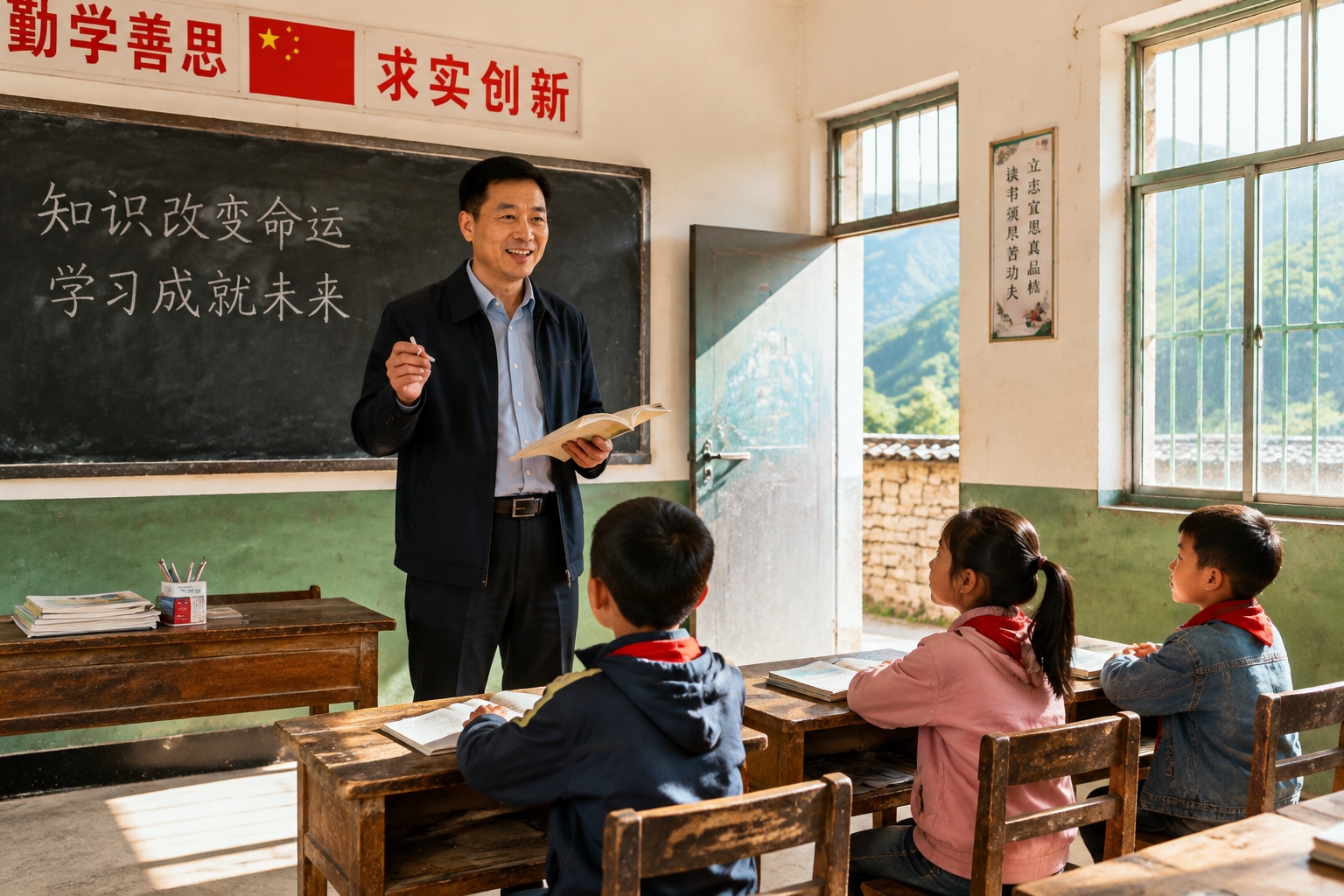
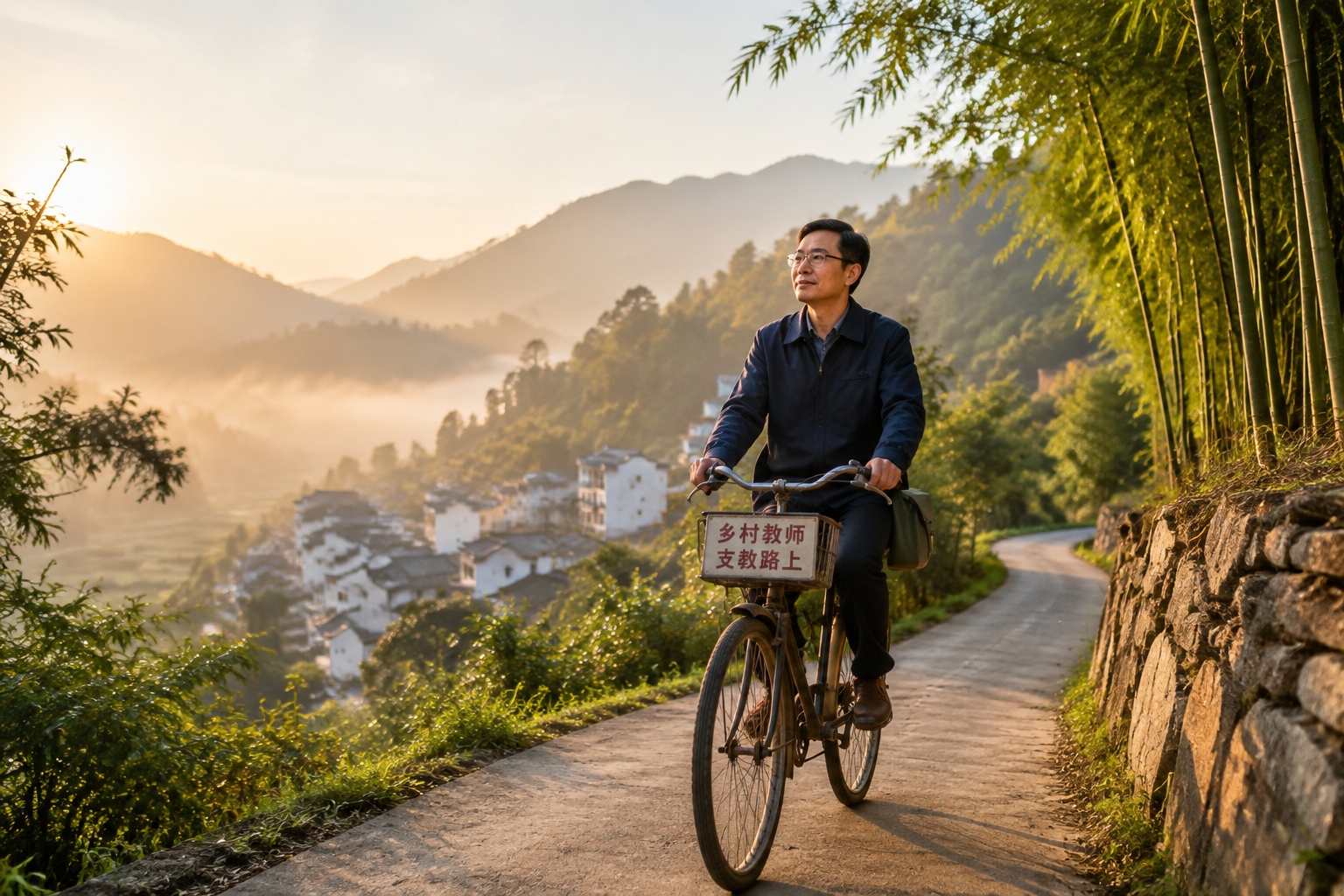
Li Wei rolls out of bed while the sky is still dark. He splashes cold water on his face, puts on the same faded jacket he’s worn for years, and checks his worn-out bicycle before starting the day. The village of Xianfeng sits on a mountain slope in Sichuan Province, and Li has been teaching here for twenty-one years. For most of those years, his mornings were full of noise—children calling, teachers shouting, school bells ringing. Now, the only sound is the creak of his bicycle and the wind moving through the bamboo.
The school used to have three hundred students. Now there are three. But Li Wei still prepares his lessons as if he were teaching a full school. “If even one student comes to class, I must be there,” he told me when I visited him in late autumn.
Three Students, Three Grades
At 7:30, Li stands outside the gate of the Sunken Earth School—a two-story building with paint peeling off its walls. Soon, two girls and a boy walk up the path, each carrying a small backpack. They greet him: “Teacher, good morning!” The youngest is seven, the oldest is ten. Li nods and leads them inside.
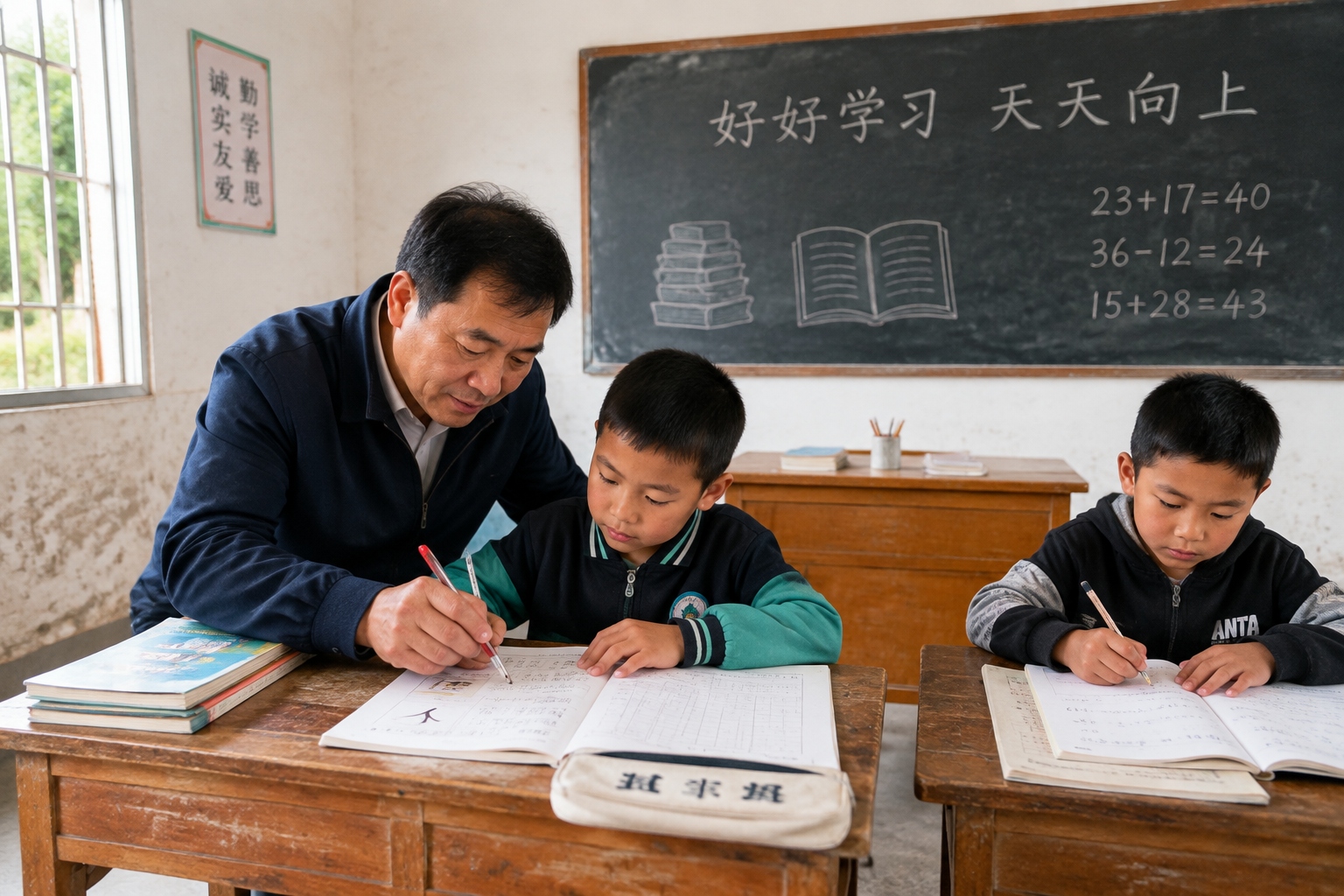
Because there are so few children, Li runs what in China is called a “multi-grade class” (复式教学). He gives the older student math problems to solve, then turns to the younger ones to teach Chinese characters. He writes on a small blackboard that has grown gray with dust. The students’ voices echo in the empty building, but the lesson feels alive.
Li leans close to a student’s notebook, pointing out a stroke order mistake. “You see, this character is happy when you write it correctly,” he says with a gentle laugh. The child smiles and rewrites it.
More Than a Teacher
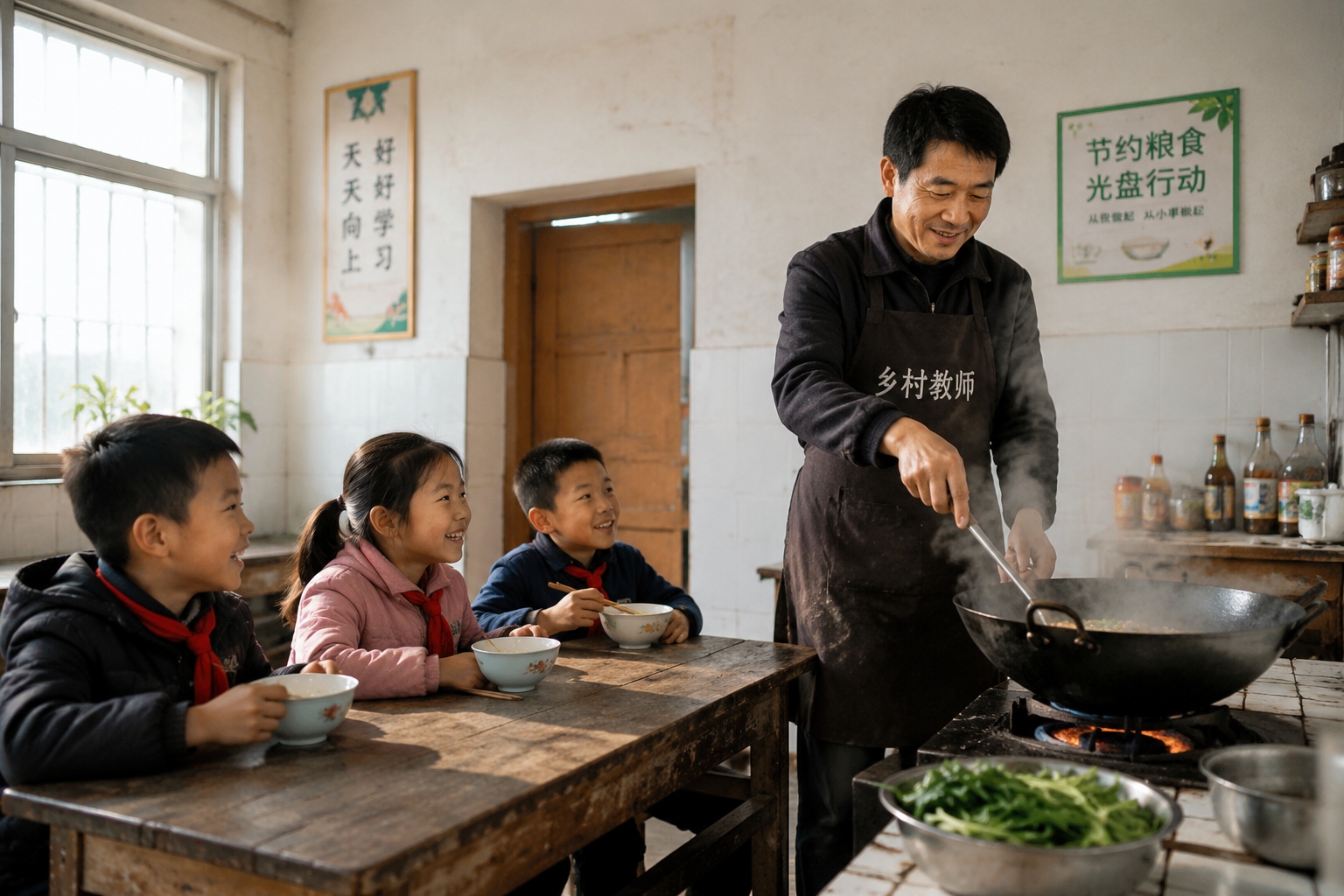
When the morning classes end, Li goes to the small kitchen he built at the back of the classroom. He chops vegetables and cooks rice for the three children. Two of them come from families that are too poor to pay attention to lunch. Li has been buying food with his own salary for years. “I’m not just a teacher, I’m also a cook, a nurse, and a parent,” he says.
After lunch, he spends an hour tutoring the oldest boy, who struggles with fractions. Then he takes the children outside to the yard for a game of badminton with a racket that’s missing half its strings. The children’s laughter fills the valley. For a moment, the school feels like it did years ago.
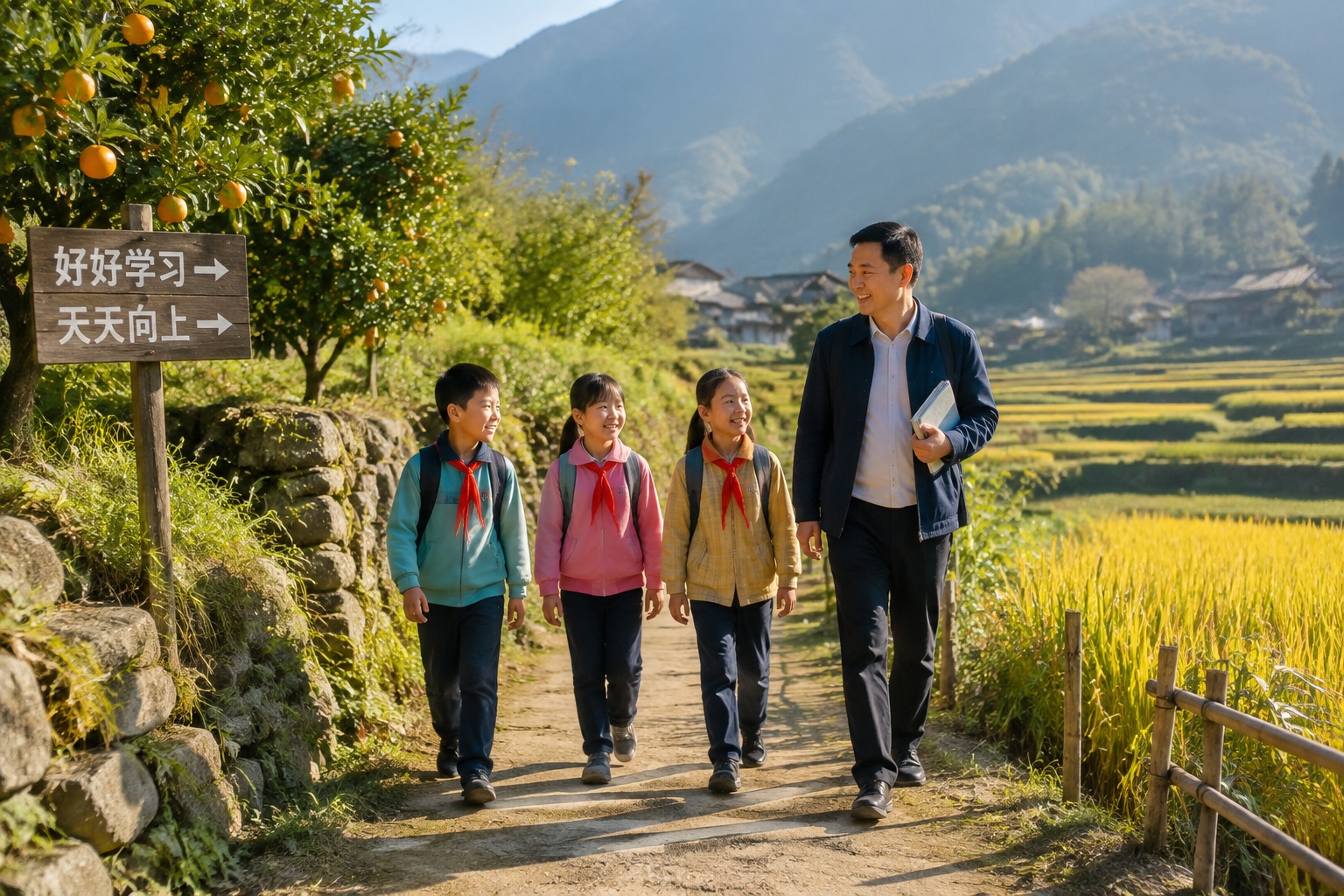
At 4 p.m., Li packs the students’ bags and walks them home one by one. The narrow path winds past paddies and beneath orange trees. He leaves the youngest at her grandmother’s door and watches her run inside. Then he returns to the empty school to clean the classroom, check homework, and prepare for the next day.
The Gates of a Shrinking World
The village where Li teaches was once home to over 4,000 people. Today, fewer than 700 live here, and most are over sixty. When China’s cities began calling for migrant workers in the early 2000s, young parents left first. At first, they left their kids behind with grandparents. But as schools in cities opened up to migrant children, one by one, grandparents sent them away, too.
The numbers at Sunken Earth School tell the story. In 2005, there were 180 students. By 2010, 80. By 2015, 30. Last year, only six enrolled; this year, only three. The county education bureau has tried to close the school several times, offering to send the children to a larger central school an hour away. But the families protested—the journey is dangerous, especially in rain, and they trust Li Wei.
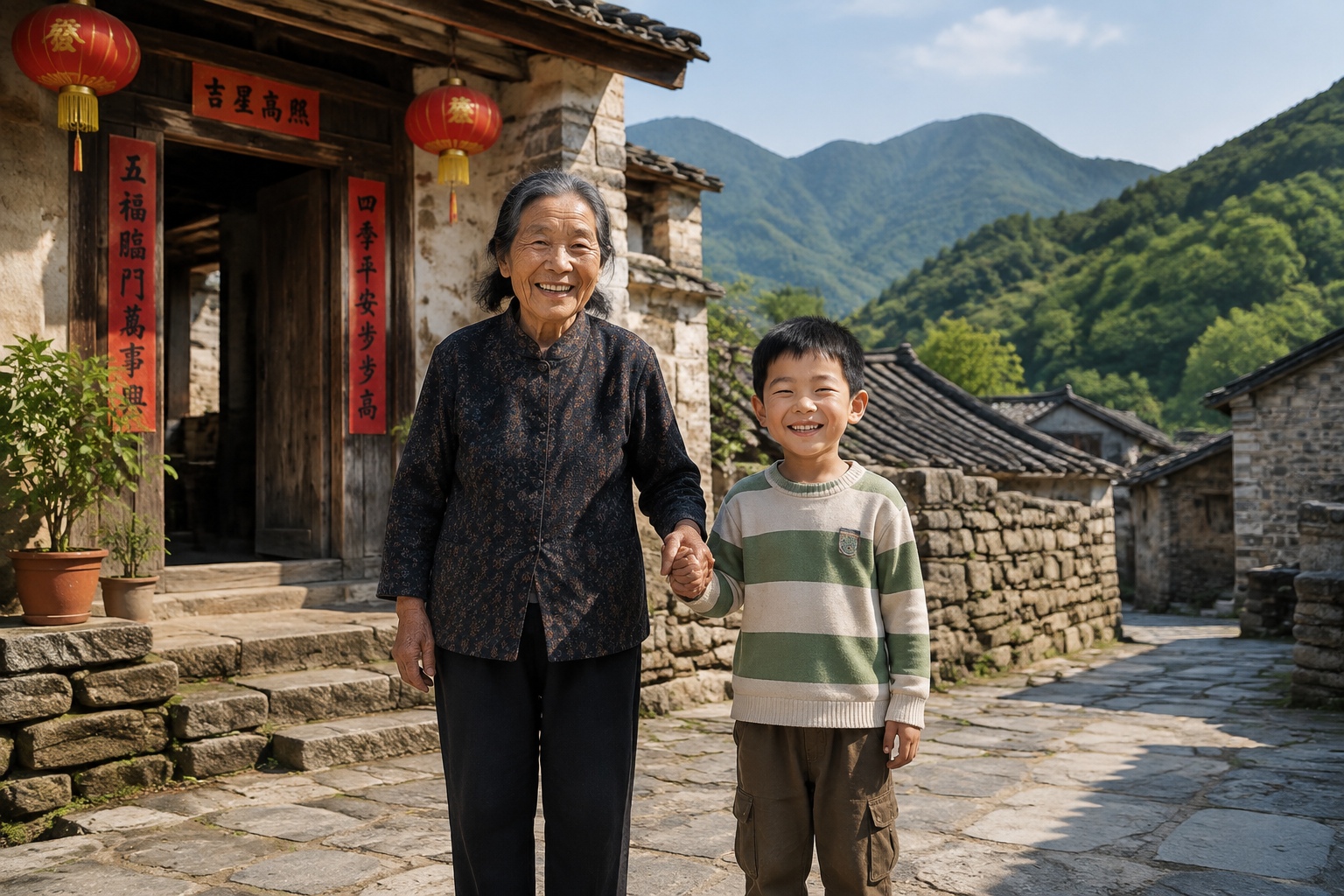
“The kids are too small to leave home,” says one of the villagers, a grandmother, holding her grandson’s hand. “Teacher Li stays, so we feel safe.”
Why He Doesn’t Leave
Li could have left a long time ago. Ten years ago, a former classmate who runs a private training school in Chengdu offered him a job paying five times his current salary. Li turned it down. “I grew up here,” he says. “My father was a teacher in this very school. This is my home.”
But he admits that the hardest part isn’t the low pay—it’s the doubt. “When you see the desks emptying, you ask yourself: Am I wasting my time? But then I see the look in these three children’s eyes. They are not just learning; they are seeing a future. If I leave, what happens to them?”
He knows that his role goes beyond reading and arithmetic. He teaches them to wash their hands properly, to speak up when they’re scared, to be kind. “In a big school, a teacher might focus on grades. Here, I know each child’s heartbeat.”
What Happens to the Last Classroom?
Li is realistic about the future. “This school may not be here in five years,” he says. “There are only three children, and when they graduate, no one may be left. But that’s okay. The point is not to keep the school open forever. The point is that when a child needs a classroom, there is someone who will open the door.”
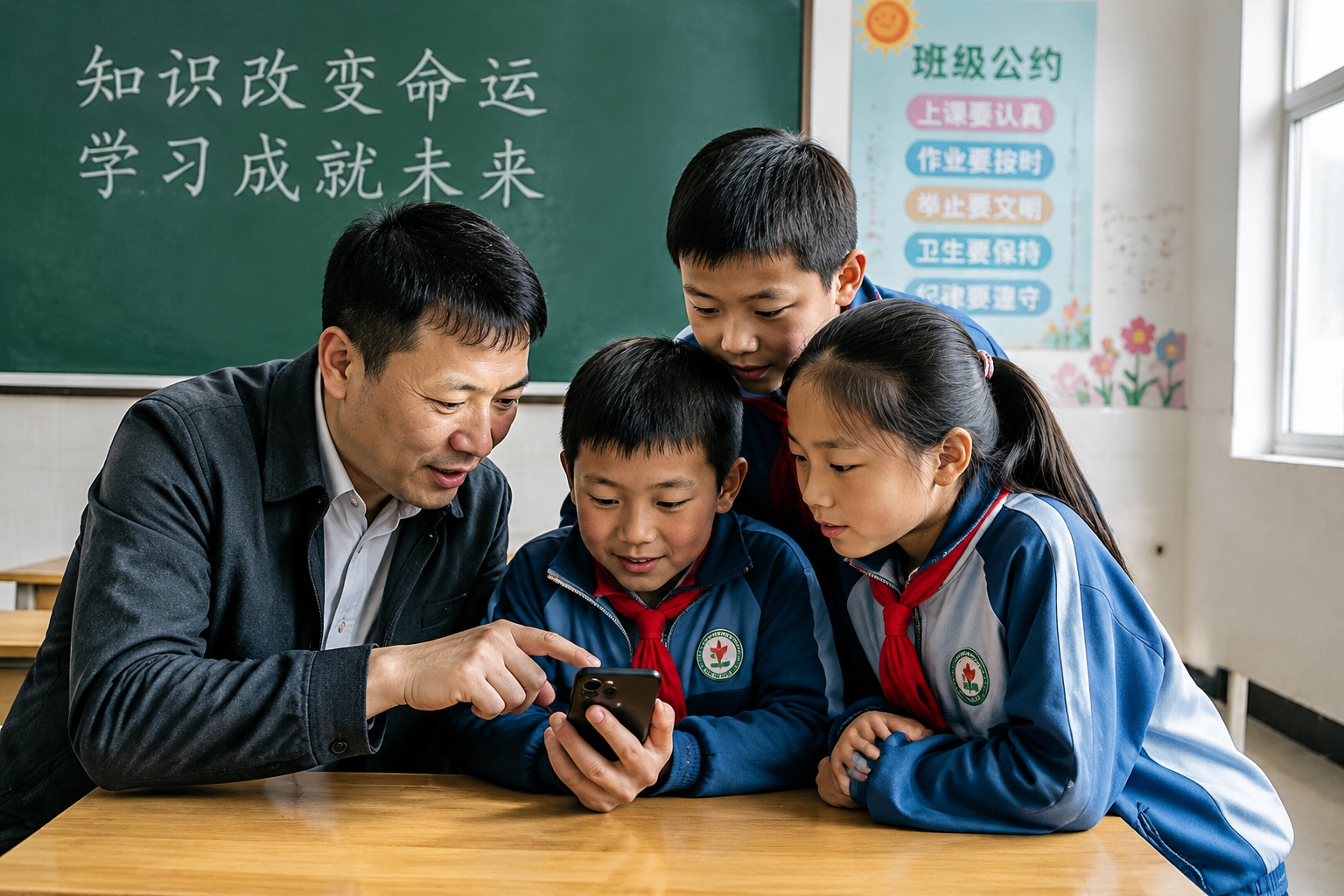
The county has started offering online classes to rural students, and Li welcomes it. He uses a smartphone to show his students the world—videos of the sea, a concert in Beijing, a rocket launch. “The children need windows to the outside, and the internet gives them that.” But he believes nothing can replace a real teacher who sees a child’s confusion and gently untangles it. “You can’t download love,” he says.
As I take my leave, Li walks me to the road at dusk. The mountains are fading into blue. Behind us, the school stands quiet and dim. But inside, three desks are still neatly arranged, and a small lamp in the corner is on, where Li will sit for another hour, reading a child’s essay out loud to himself, just to hear how it sounds.
This is the last classroom in a shrinking village. But as long as Li Wei is there, it is not the last hope.
Start the discussion at forum.chinacomes.com