

You Might Miss These Rules Until It’s Too Late
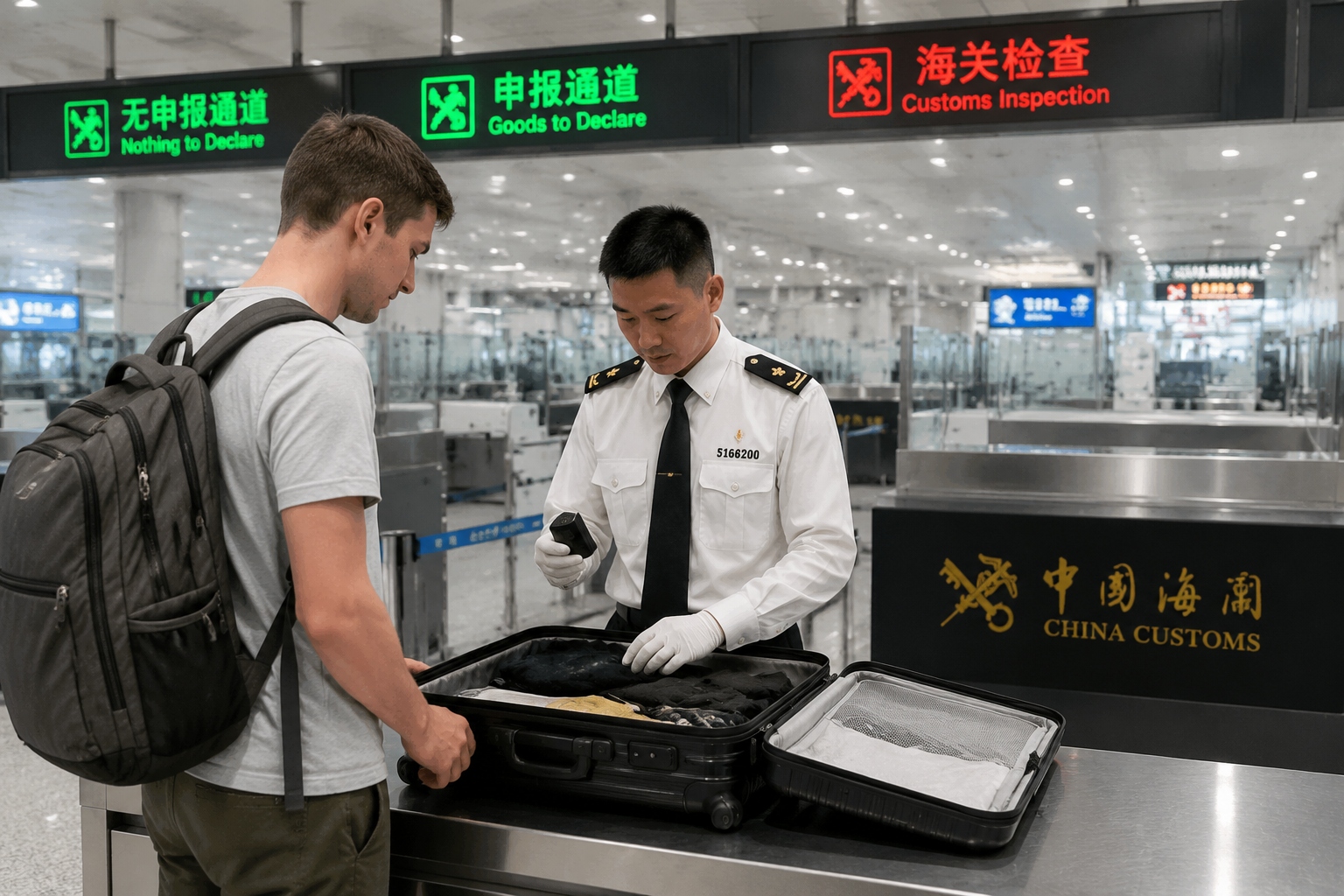
Emma, a Canadian teacher in Shanghai, was almost at the boarding gate before the queue stopped. Customs officers at Shanghai Pudong Airport were scanning luggage just before departure. She had a little wooden-looking sculpture from Beijing’s antique market in her handbag — it turned out to be carved from ivory. There was also a bag of dried herbs her neighbor had given her “for wellness” and a fake designer wallet she bought for fun. All three were taken away.
Stories like Emma’s are common. Most foreigners know not to pack guns, drugs, or pirated DVDs. But China’s customs rules cover several unexpected everyday items. Here’s what you should know before you board.
Completely Prohibited: The Core List
The official lists are longer, but for most travelers, the following points matter. When entering China, don’t bring:
- Weapons and ammunition — This includes realistic toy guns and any type of explosive.
- Drugs — Narcotics like heroin, cocaine, methamphetamine, and other psychotropic substances are heavily sentenced.
- Counterfeit money and illegal publications — Includes pornography or materials considered harmful to social morals.
- Dangerous chemicals — Including highly toxic poisons and chemicals used for such things.
- Plants and animals carrying pests — Fresh fruits, vegetables, seeds, and unprocessed plant material are generally not allowed without a quarantine certificate.
- Infected food and medicines — From areas with infectious diseases or epidemics.
When Leaving China: Extra Bans
Certain items have an extra dimension when you head out of the country. Leaving China you also cannot carry:
- State secrets or classified materials.
- Precious cultural relics without a certificate from Chinese cultural relics authorities. These include antiques over a certain age, calligraphy, bronze, and ceramic items.
- Endangered wildlife and plants, including their products, specimens, seeds, and reproduction materials.
The Items Expats Often Overlook
Ivory and wildlife products
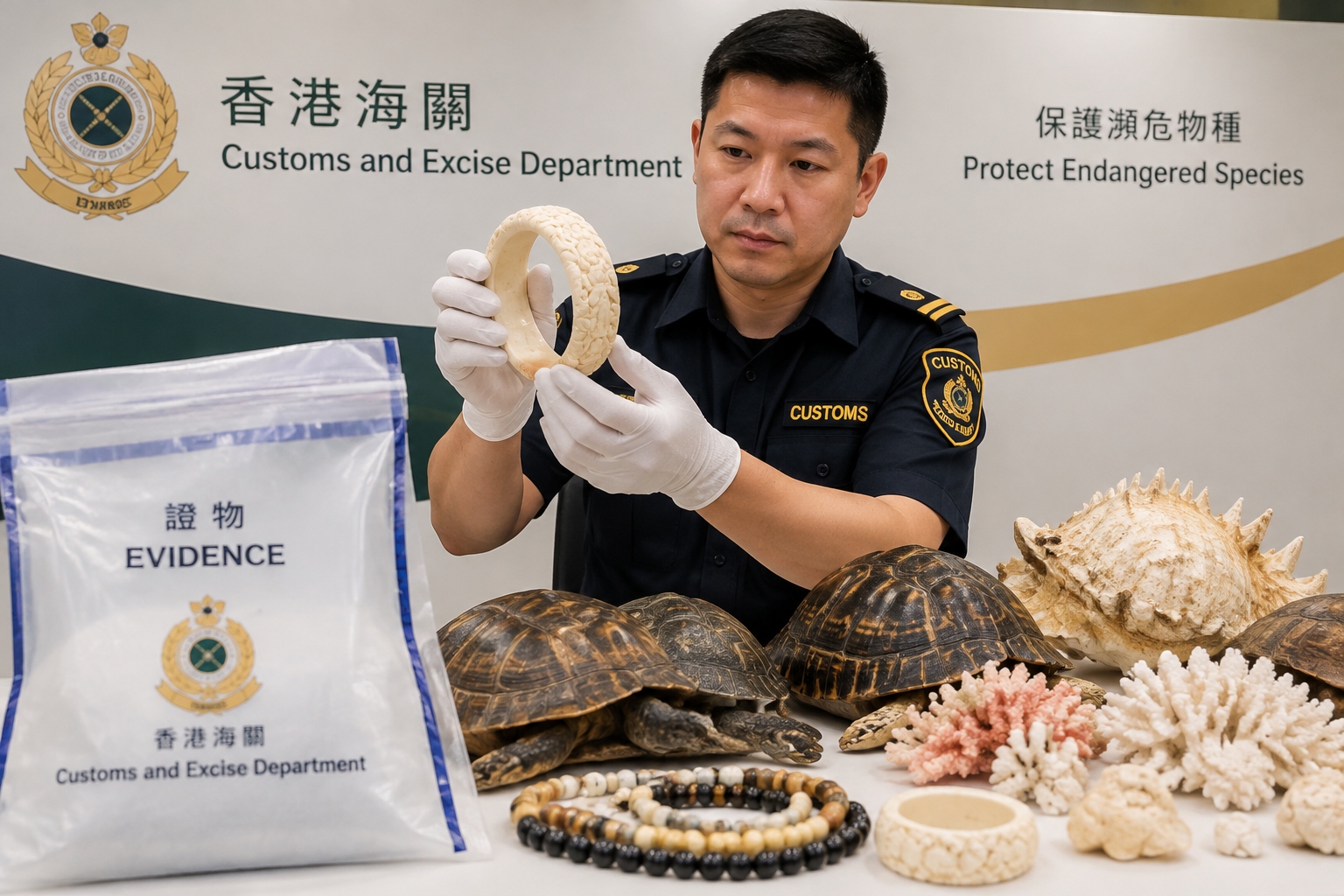
This is the #1 tourist mistake. Ivory bangles, hooves, rhino horn jewelry, turtle shell accessories, even dried seahorses are sold at many street markets. China is a signatory to CITES and has banned commercial ivory trade since 2017. Bringing any ivory piece, even a tiny one, into or out of China is illegal.
Traditional Chinese medicines
That package of herbal pills your friend gave you? Some contain animal ingredients like tiger bone, rhino horn, or bear bile. Even common herbs such as ginseng or deer antler may be restricted if the quantity looks more than personal use. If you’re bringing any type of medicinal herb or animal product, put it in declared luggage and have a note from your doctor. To be safe, avoid anything with endangered species.
Food from home
Many travelers want to bring dry sausage, cheese, or vacuum-packed ham back to China. Customs officials often ask about animal products because of disease outbreaks. Sausage from Europe, unprotected milk, or meat from factories without approval can be confiscated. If you want to bring it, declare it and accept that it may be inspected.
Counterfeit branded goods
That “super-brand” wallet you bought on a night market? It may look snazzy, but it violates intellectual property rights. Chinese customs regularly confiscates fake luxury products, even if you’re simply leaving the country with one. If you have more than a few of the same style, you could get a fine.
Cash exceeding legal limits
There is a rule about cash. When entering or leaving China, you are not allowed to carry more than RMB 20,000 per person. Foreign currency cash exceeding the equivalent of USD 5,000 must be declared to customs. If you need to travel with more than USD 10,000, you should get approval from a bank or foreign exchange authority in advance.
Seeds and soil
If you are moving to China, don’t pack those attractive seed packets or a sample of soil from your garden. Plant material can carry pests. Such items are banned without a quarantine license. It’s safer to buy local seeds online or from a store once you arrive.
How to Declare: Red or Green Channel
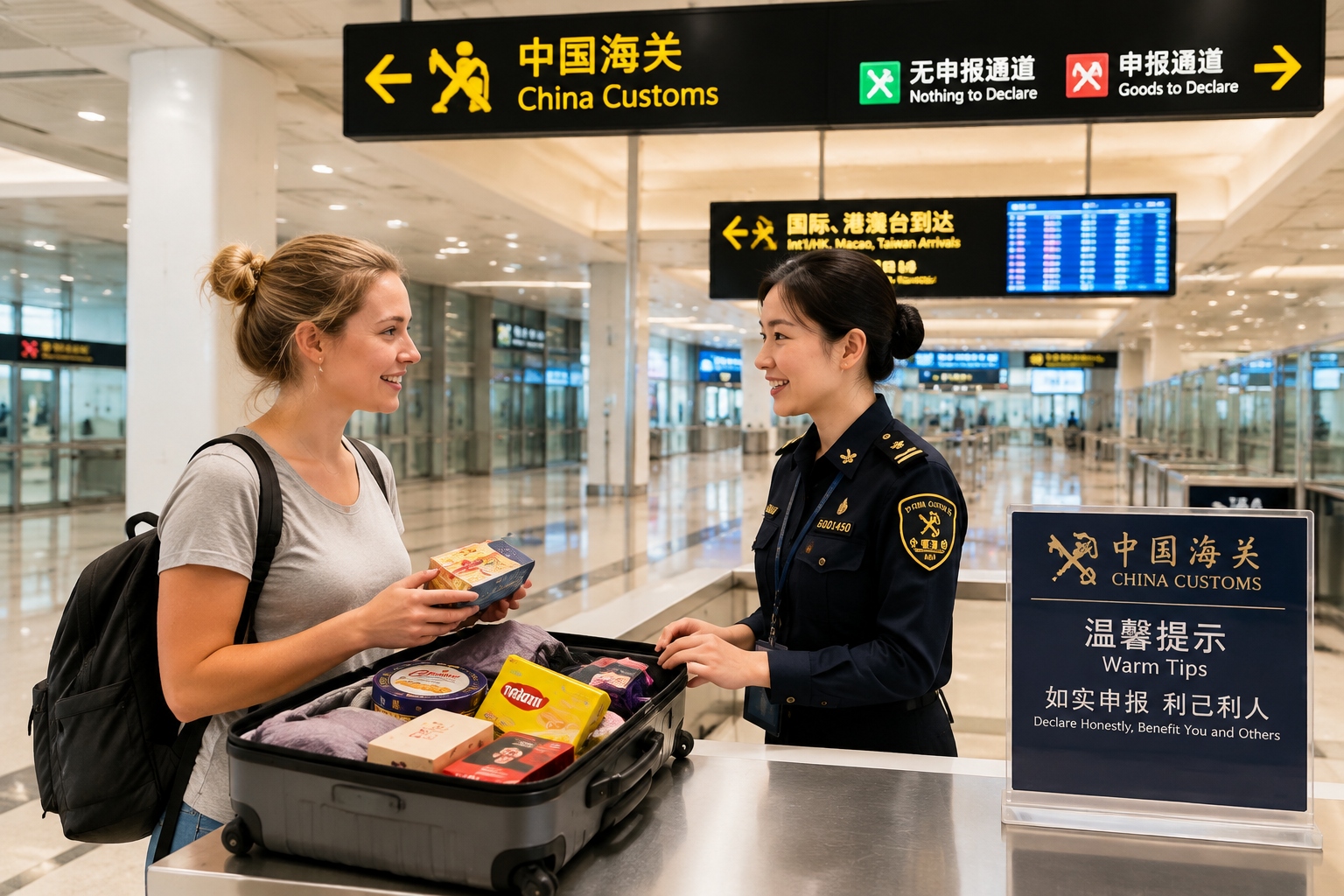
At most Chinese airports, you’ll see a fast “green channel” (nothing to declare) and a red channel (goods to declare). If you have any of the above or you’re just unsure, go to the red channel and fill out a declaration form. Countries differ, but here officers are helpful. If you are carrying restricted items for personal medical use, it’s critical to declare and show a prescription or official document.
The main point: never try to hide something and walk through green. That can turn an administrative issue into a smuggling case.
Penalties: What Happens If You Break the Rules
Civil punishment ranges from confiscation to fines. For example, the illegal carrying of ivory is treated as smuggling. You may face a fine several times the item’s value, and in severe cases, criminal detention. In 2020, a traveler from Africa was sentenced to jail for hiding seven kilograms of ivory inside cookie boxes. So don’t risk.
Also, goods without declared value that are considered “exceeding reasonable self-use quantity” can be taxed or returned. Even if not banned, heavy taxes apply.
A Pre-Departure Checklist So You Don’t Get Pulled Aside
- ✔ Leave all weapons at home.
- ✔ Don’t buy ivory, rhino horn, tiger parts, or any product from endangered species.
- ✔ Skip unopened organic produce, seeds, or soil.
- ✔ If you have over USD 5,000 cash, declare it.
- ✔ Avoid counterfeit bags or watches if you’re leaving China.
- ✔ For medicine, have a prescription, and check ingredients.
- ✔ Carry either a printed policy from the official customs website, or a reliable app.
Before you pack, spend five minutes at China’s General Administration of Customs website. Rules change, especially after disease outbreaks. The safest approach? If you don’t know, ask. Customs officers are there to enforce rules, not to ruin your trip.
Start the discussion at forum.chinacomes.com