

The Game That Stops the Village
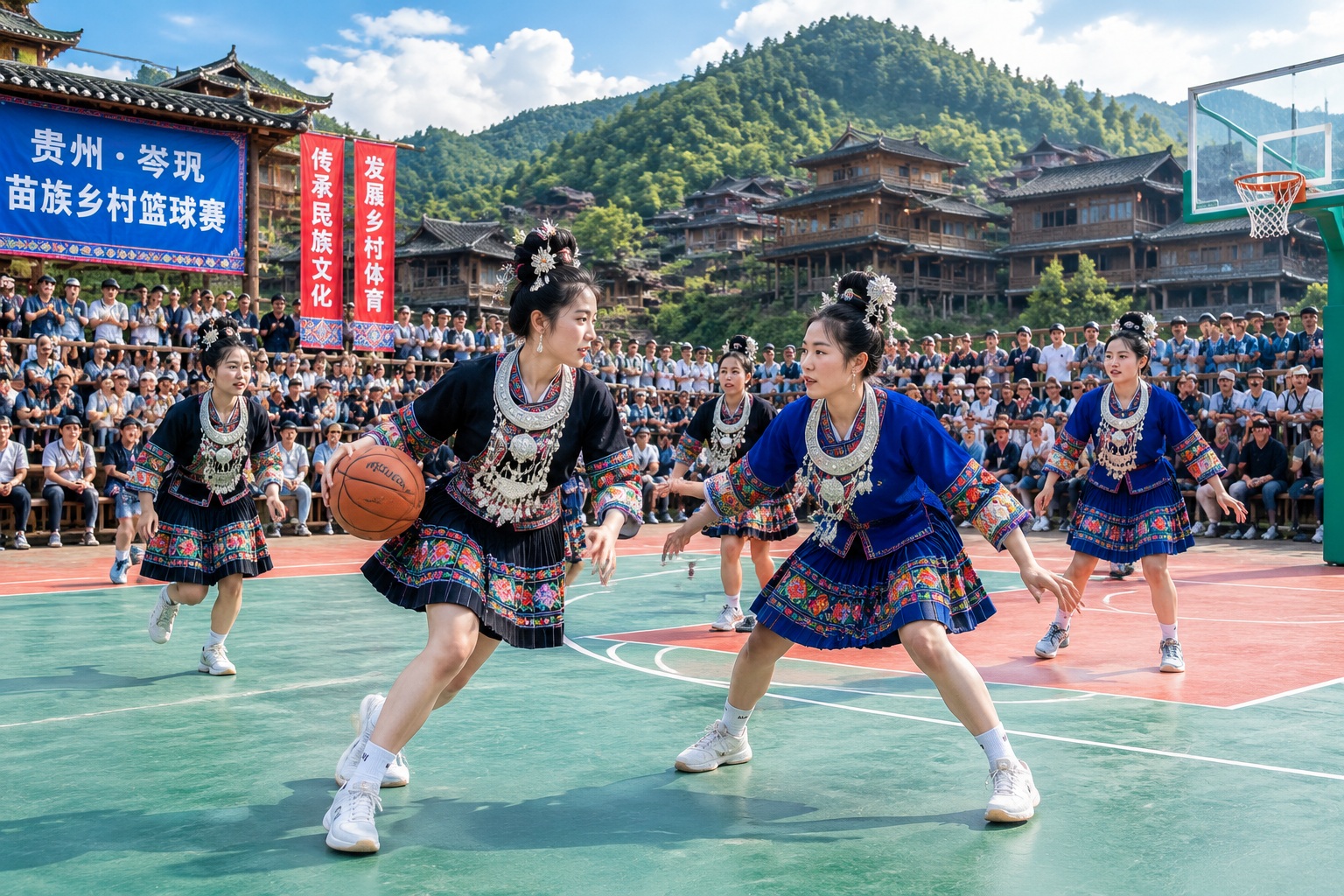
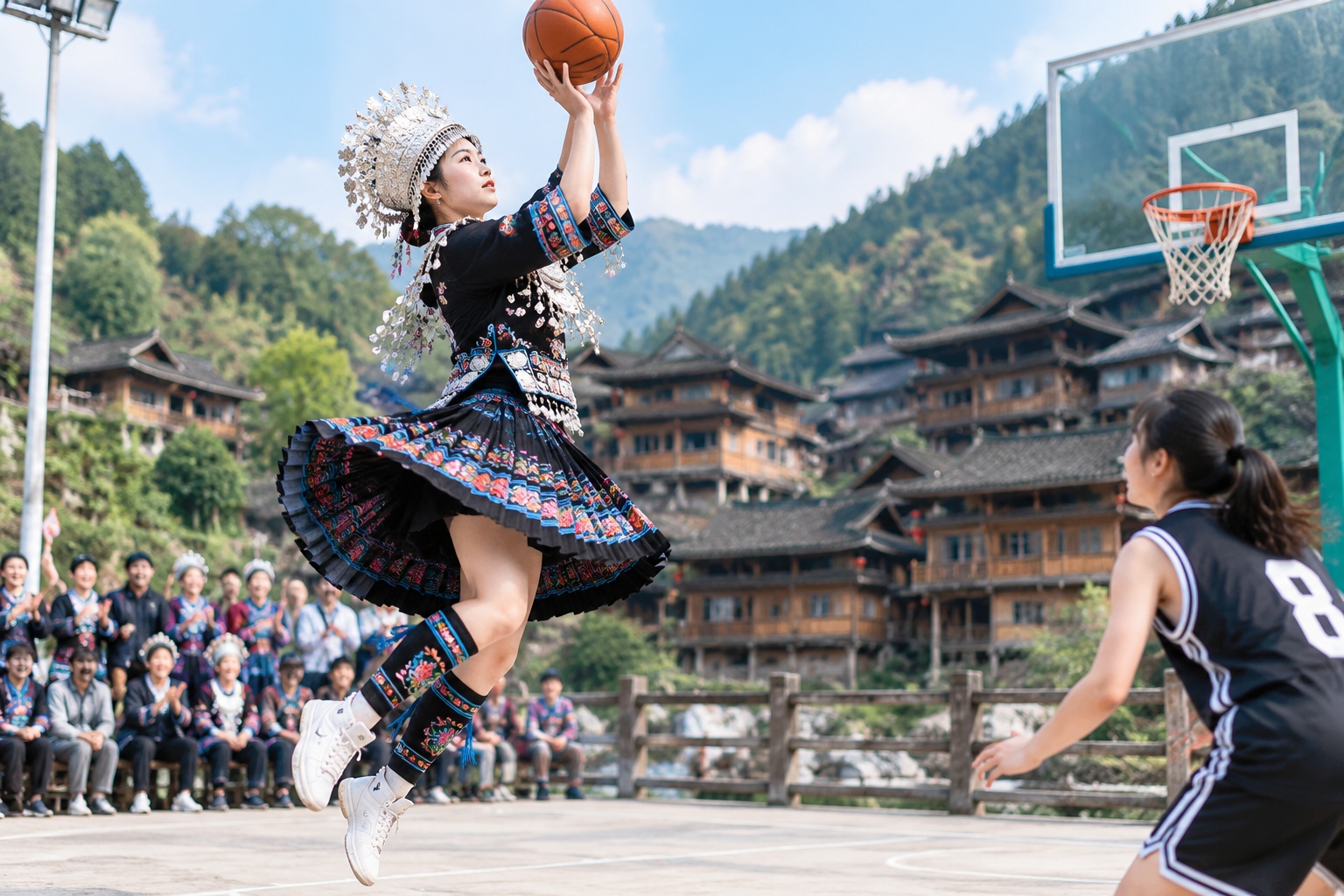
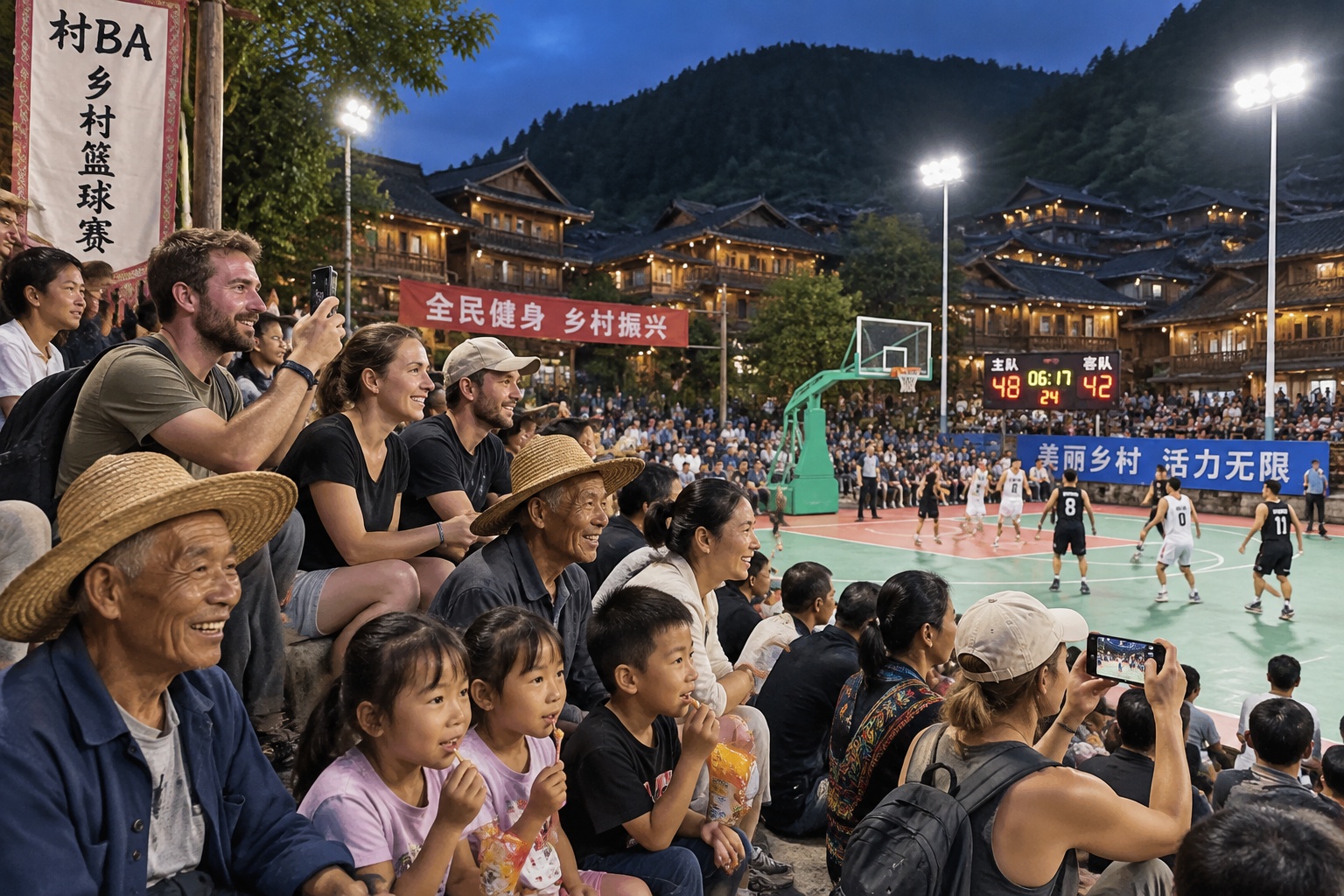
At first glance, it looks like a typical evening basketball game in rural China. The court is concrete, the hoops are worn, and the floodlights buzz overhead. But when the home team runs out, something unusual happens. The players are young Miao women, wearing traditional pleated skirts, embroidered vests, and silver necklaces that clink with every step. They warm up with a quick layup drill, skirts flying high. In the stands, local farmers in straw hats sit next to European tourists in hiking boots, all cheering as one.
One woman in the crowd, a tourist from London, told me she had seen photos of this game online and decided it was worth a 12-hour flight. “I came to see the mountains and the Miao culture, but this is something I never expected—athleticism, tradition, and joy all at once,” she said, filming another three-pointer.
From Remote Valley to National Craze
This isn’t a one-off stunt. Across the mountainous province of Guizhou, village basketball — nicknamed “cūn BA” — has turned into a nationwide phenomenon. The most famous stage is Taipan Village in Taijiang County, about 200 kilometers from the provincial capital Guiyang. During the 2023 season, an estimated 20,000 people packed the stands each night for the finals, while tens of millions followed through livestreams. The court became a stage for the region’s ethnic diversity: teams arrive with their own mascots, drummers, and fans carrying homemade signs.
What started as a post-harvest social event has grown into a cultural magnet. And it’s not just about the game. The prizes for the winners are famously quirky—pigs, fish, and rice wine are given as trophies, a playful nod to village life. “We never expected anyone outside our village to care,” a local organizer explained while adding more seating. “But now people come from all over the world. They don’t just watch the game; they want to see how we live.”
Playing in Heritage: Why Miao Girls Wear Skirts on the Court
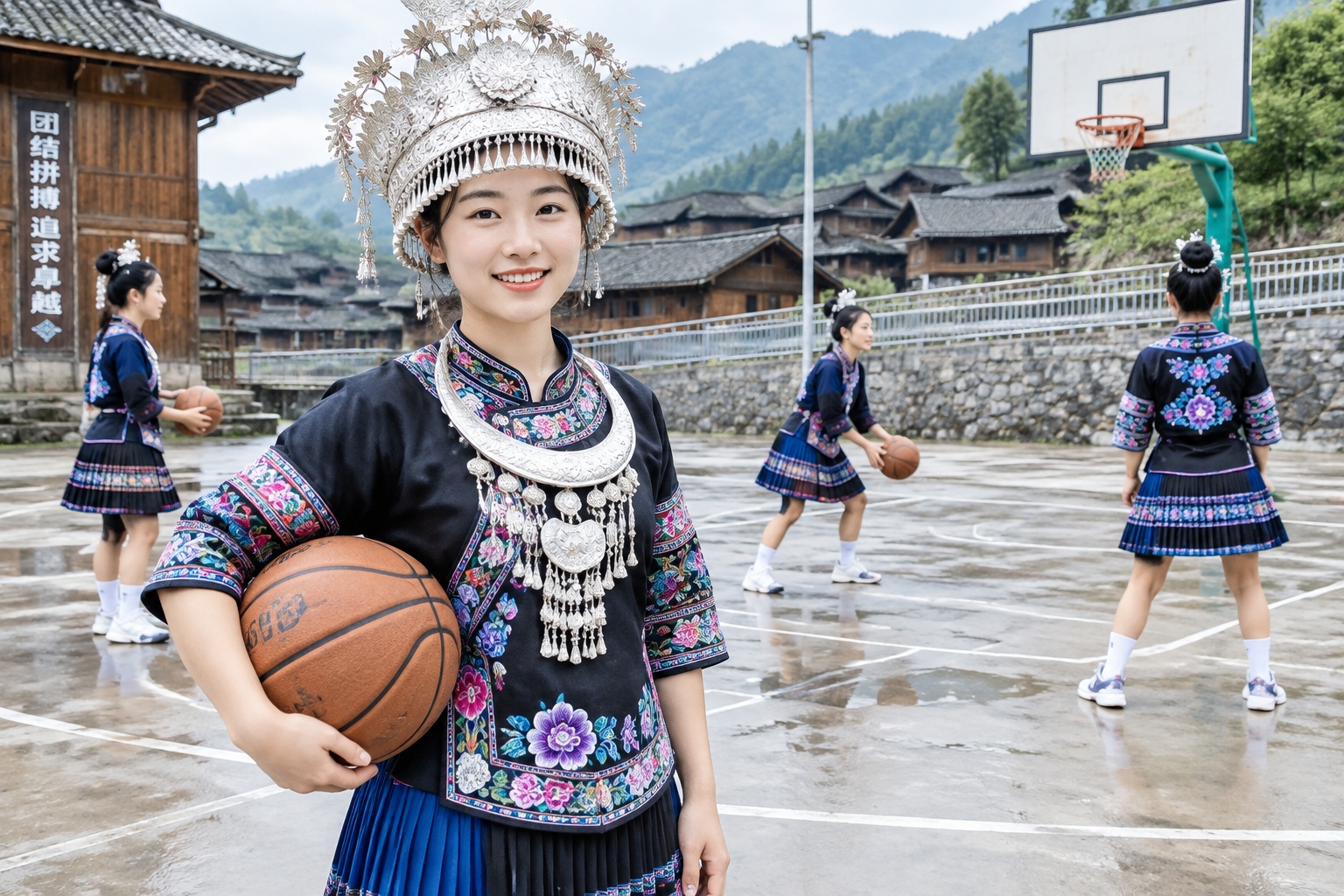
For the women players, wearing traditional dress is a point of pride, not an impediment. The pleated skirts, made from handwoven cloth and dyed with indigo, are light enough to allow movement. Many players told me it’s actually more comfortable than street clothes. “We grew up in these skirts,” a 21-year-old player said after a game, gently touching her embroidered hem. “When I’m wearing it, I feel stronger. It’s like having my grandmother watching over me.”
The skirts, which can take months to craft, are usually saved for festivals. That’s why seeing them on a basketball court feels so special. The girls aren’t just playing a sport; they’re carrying a cultural identity with every jump shot. On the sidelines, the player’s bench is lined with hand-stitched bags and colorful scarves. The referee lets players use a short break to adjust their silver headpieces. No one sees this as disrespectful to the game — in fact, it adds a rhythm and beauty that professional leagues often lack.
What Visitors See (and Taste)
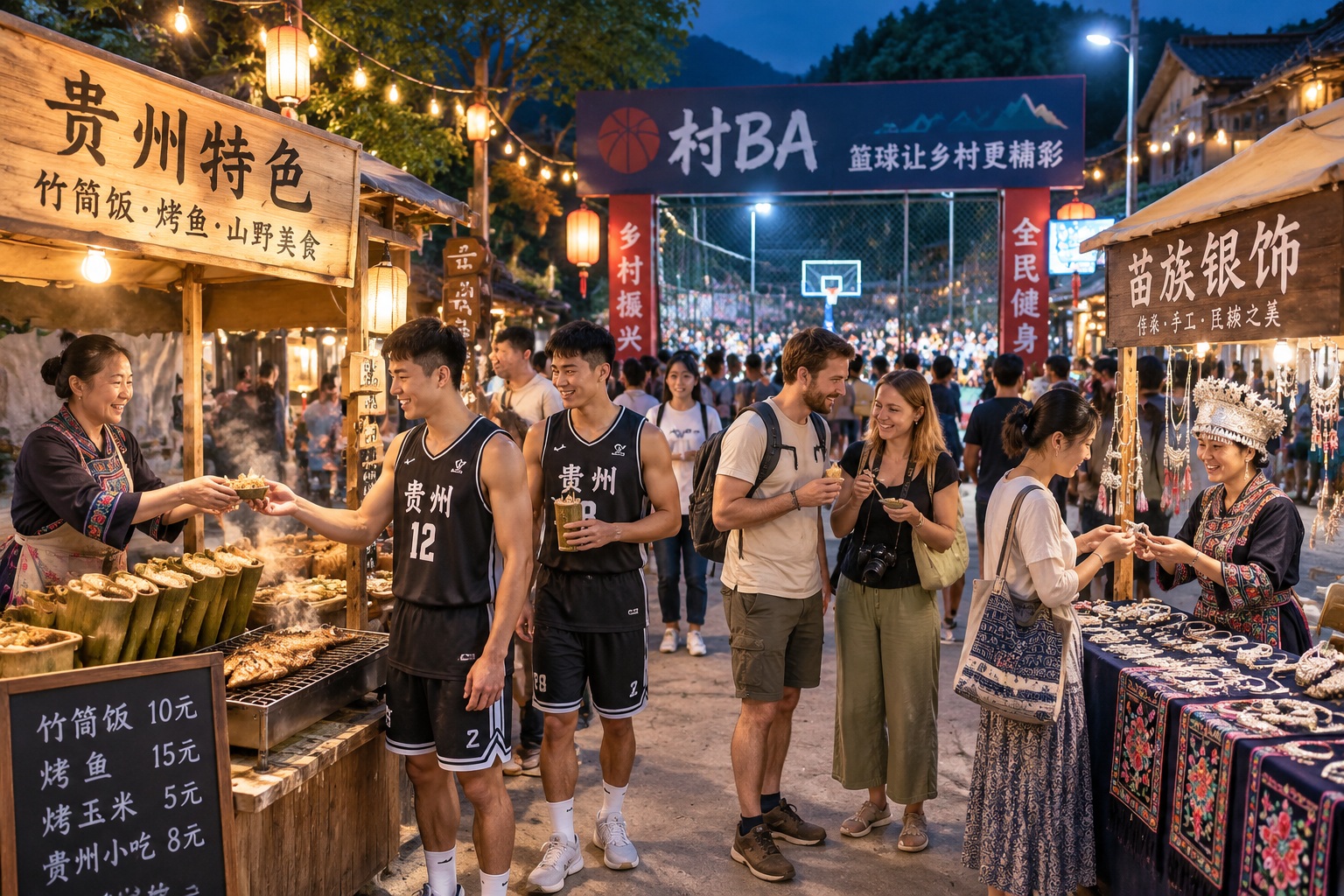
For foreign tourists, the game is only part of the experience. Many arrive in Guizhou expecting karst mountains and rice terraces, but they end up staying for the culture. Around the court, local women set up stalls selling sticky rice in bamboo, grilled river fish, and sour soup dumplings. Handicraft vendors offer silver earrings, embroidered bracelets, and vintage Miao jackets. As the evening goes on, someone starts a drumbeat and a group of players and fans break into a traditional circle dance on the court’s edge.
I spent a few days traveling with Anne, a tourist from Australia who found out about the game from a viral clip. “I thought it was staged,” she admitted, laughing. “But now I’ve been here for a week, and I’m hooked. The atmosphere is like a festival, but it’s also so ordinary and genuine. Everyone is welcome here—you don’t need to understand basketball to feel the energy.”
Such visits also help the local economy. Homestays in the surrounding villages are often fully booked during tournaments. Tourists shop for handmade crafts, eat at local restaurants, and some even return home and become long-distance supporters, following the games online.
The Future: More Than a Game
The rising popularity of these tournaments has created new challenges. Parking, sanitation, and waste management have become pressing issues during big matches. Locals have responded with improvisation: they transform empty fields into parking lots and organize volunteer teams to clean up afterward. The provincial government has also taken notice, investing in public courts and promoting the event as a rural tourism attraction.
But what matters most is what hasn’t changed. At the center of it all are young women like the ones I watched that night. They play hard, they play to win, and they do it in their grandmother’s beautiful, hand-me-down skirts. As one player put it: “Basketball brings us new friends. The skirt reminds us where we come from.”
Maybe that’s why the stands were so full: people travel thousands of miles to see a version of the future that is still proudly rooted in the past.
Start the discussion at forum.chinacomes.com