
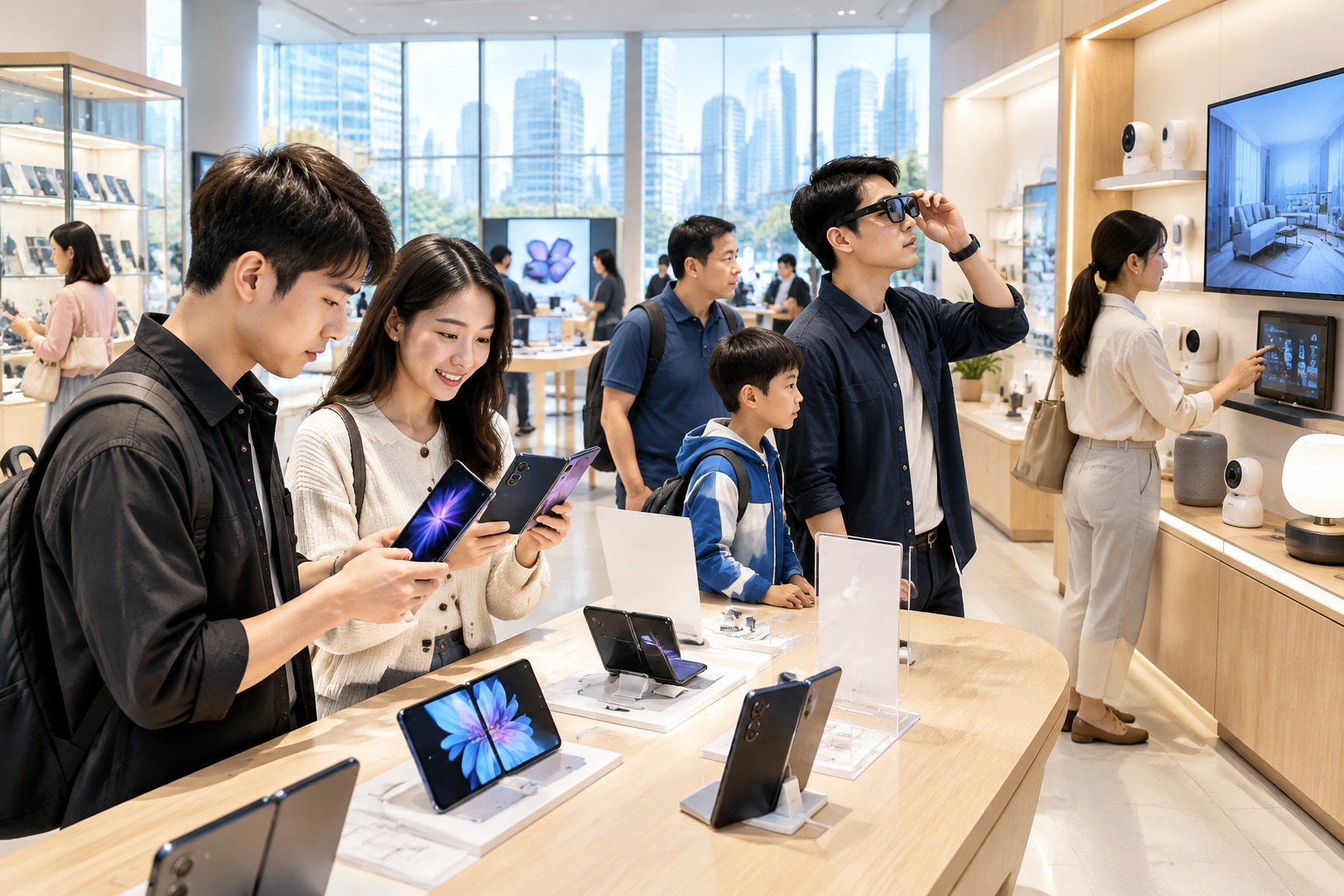

One ordinary day in 2027, Shanghai
Take a seat in a busy cafe on Anfu Road, Shanghai, on a 2027 morning. A young designer named Lin seems to be looking at empty space, but a pair of light AR glasses turns a photo on the wall into a tutorial video. At the next table, a businessman unfolds a smartphone into a small tablet to skim a contract. Across the room, an older woman quietly glances at her wristband, which has just reminded her to take her blood-pressure medicine and booked a telemedicine follow-up.
None of these actions feel futuristic. And that is exactly the point. The next wave of Chinese consumer electronics isn’t a single milestone product. It is an invisible layer of AI, sensors and services, being built right now, that will make many daily worries smaller.
Here is what will be different by 2027, and why the world should care.
AI Hardware Moves from the Cloud to the Edge
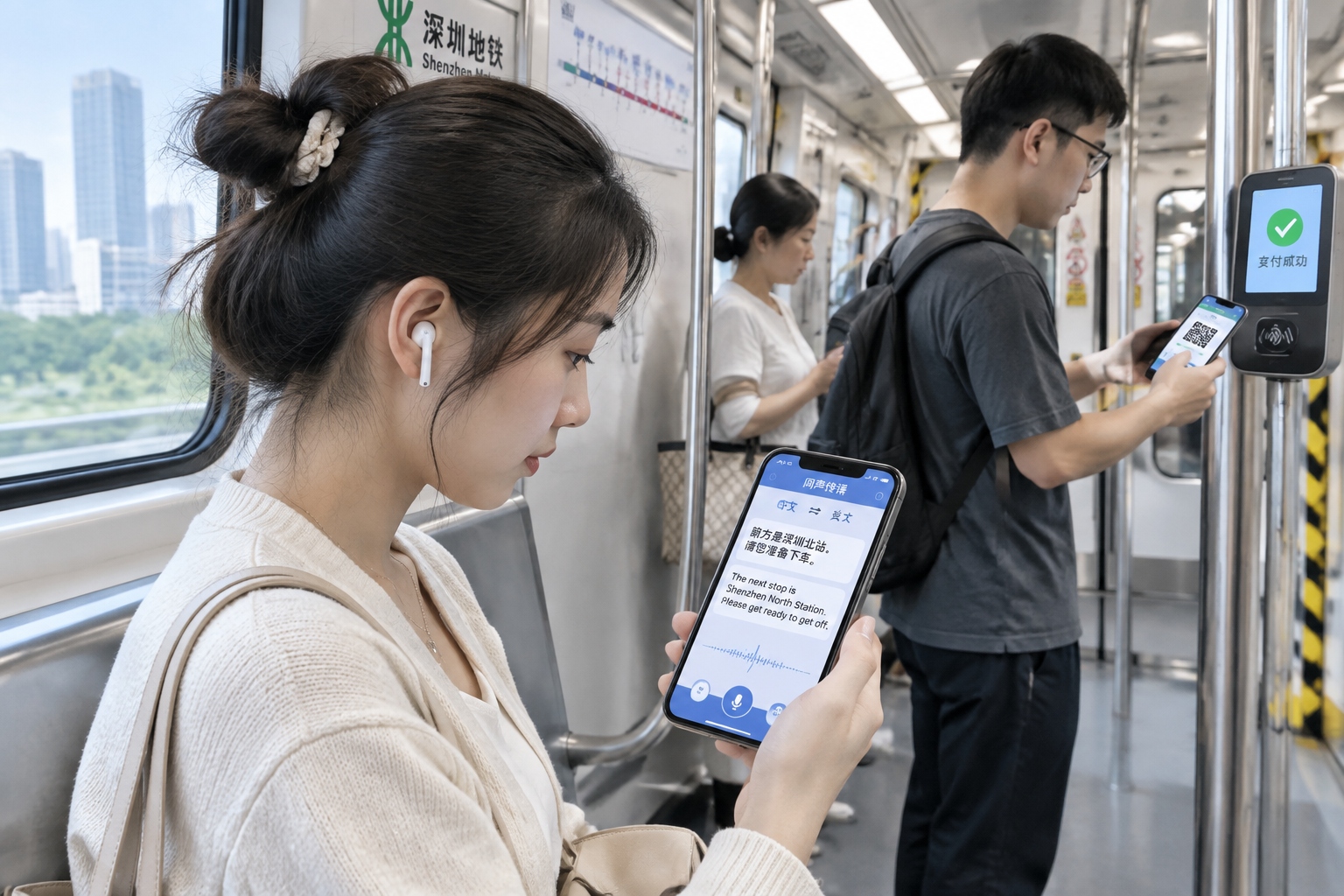
Chinese AI assistants lived in the cloud for years. But 1.4 billion people, crowded subway networks and privacy concerns have pushed the industry to run more AI on the device itself. By 2027, a mid-range smartphone in China should be able to translate two people speaking different Chinese dialects during a video call in real time, store documents locally and even generate a summary of your meetings without a server.
One visible result: offline voice assistants. At the moment, asking a phone ‘What time is my appointment?’ may feel slow or even drop offline. But with local natural language models, the phone won’t need a signal. This is a very practical difference in China, where new apartment blocks still have dead zones inside elevators and garages.
Expect more compact consumer electronics around this: voice recorders that can transcribe instantly, translation earbuds and smart speakers that hold onto your personal vocabulary. These will be imported with Chinese electronics supply chain advantages, so they will cost less than you’d think.
AR Glasses Become Light Enough for Business Cards
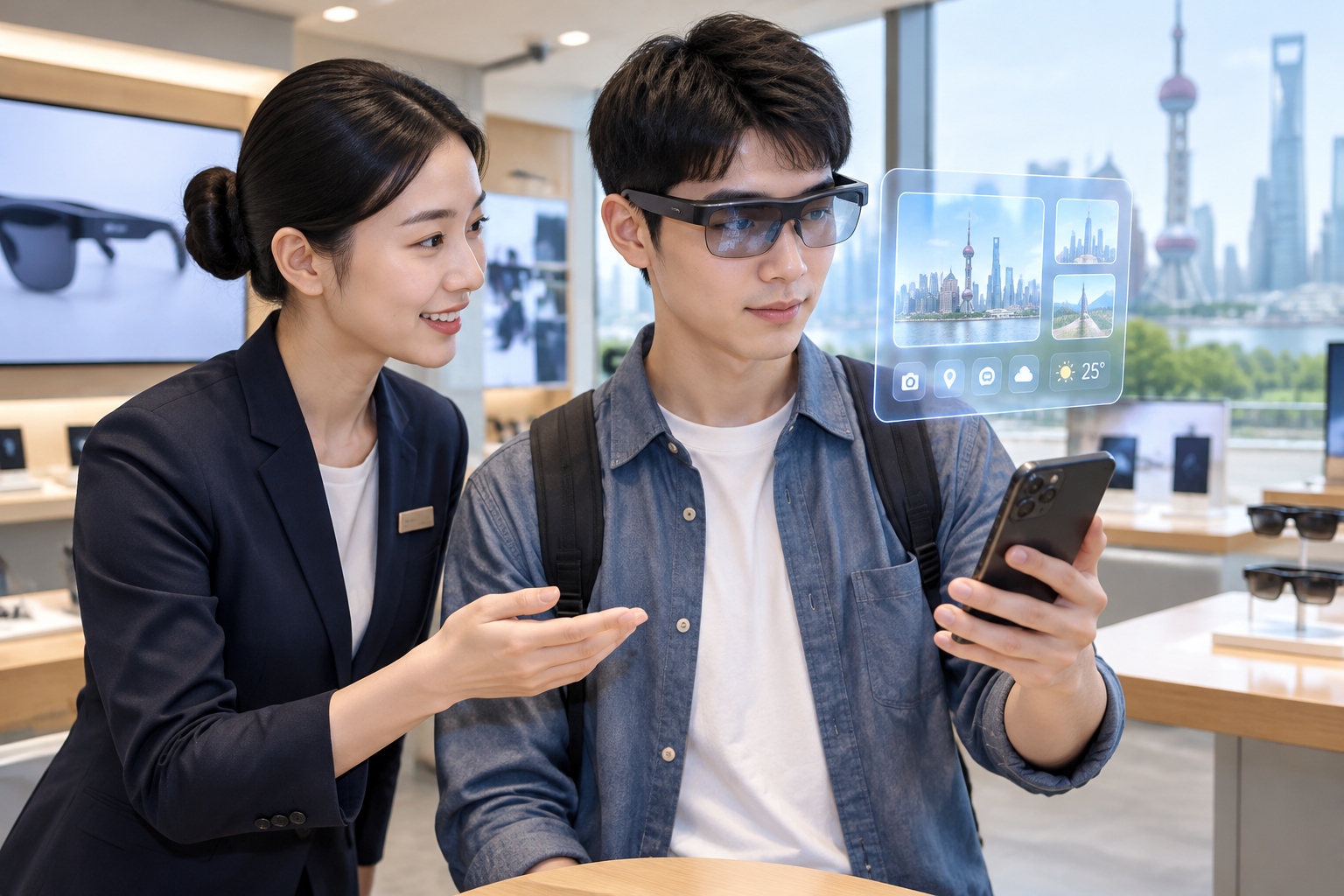
AR glasses are not new, but there have been two barriers: glasses were heavy and clunky; content was poor. In China, both barriers are falling quickly.
By 2025, several local brands have AR glasses that use a child-thin waveguide display, giving users a 30-inch virtual screen without blocking their view. Weight is dropping to the 40-50 g range. However, the biggest change will come from software integration. Because WeChat, Alipay and major map apps control millions of APIs, the glasses can overlay useful information on any location: restaurant reviews, operating hours, and even your flight gate—without waiting for you to take a phone out.
2027 is the tipping point. Once a price point of ¥1,500–2,000 (about $200–280) is reached, AR glasses will become a common companion for navigation and notification, with a large share of users wearing them several hours daily.
Foldables: From Exotic to Standard
In Chinese smartphone stores, foldables no longer need a glass case. According to data from IDC, China represented over 40% of global foldable shipments in early 2025, despite the segment still being high-end. Already, the entry price has fallen from ¥10,000 to around ¥6,000. By 2027, it is expected to go below ¥5,000 for some models.
At that price, the foldable phone will be the first ‘big screen’ device for many younger users, especially in smaller cities. Tablets will feel the impact. Why carry a separate 8-inch tablet when a phone folds out to a 7.6-inch display and fits in a pocket? In Chinese offices, a foldable screen already serves as an excellent device for video calls or reviewing PDFs.
What won’t disappear is the PC. Foldables are better at consumption and light work. The PC remains the main creative workstation, though even that may change as foldables become available with desktop mode support.
For app developers, the coming wave means the design is not just for a vertical screen. It needs to handle multiple windows, different aspect ratios, and split-screen apps.
Whole-Home Intelligence Starts Acting Like a Household Member
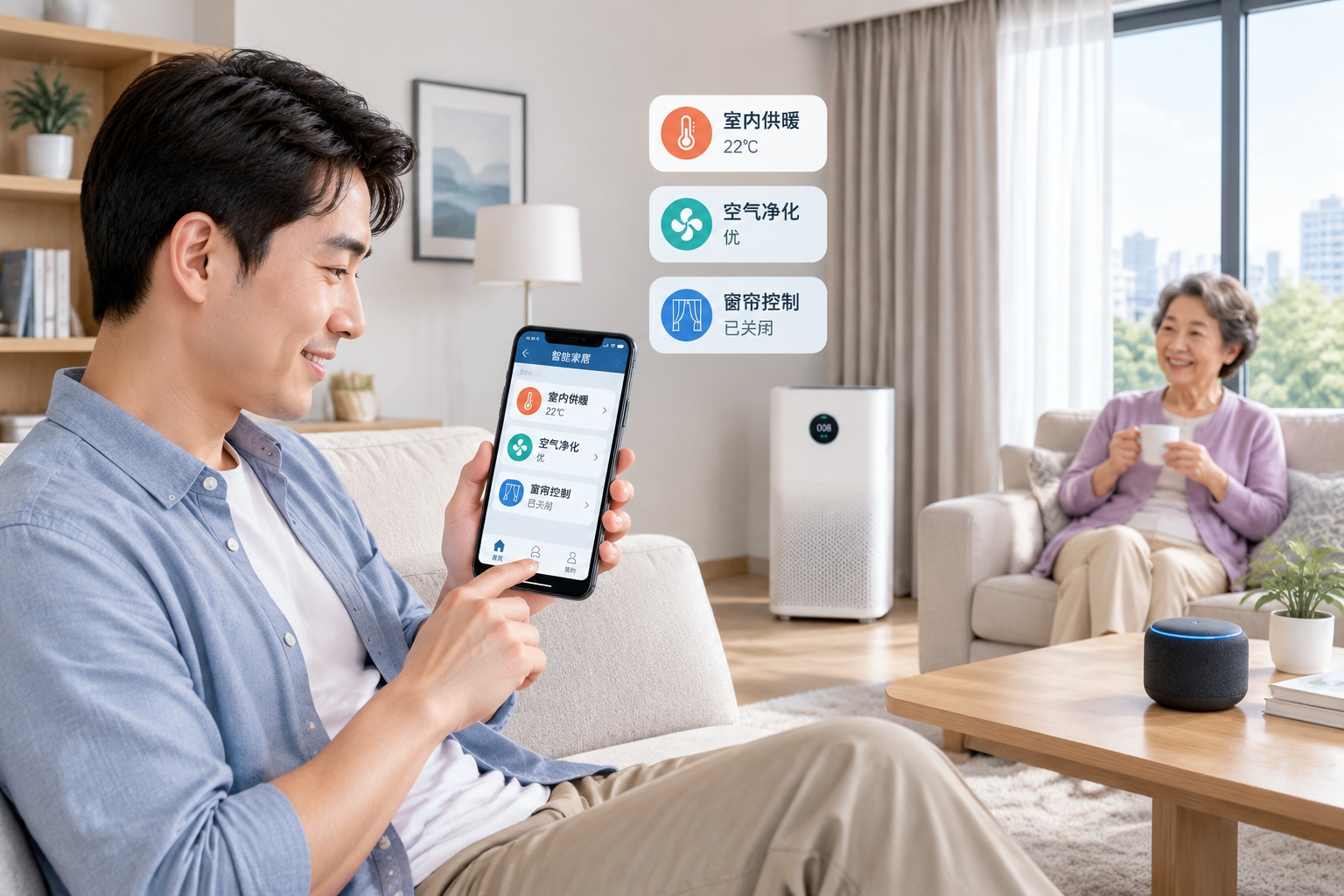
Smart home products in China have gone through many stages: remote tricks, voice commands, then automation. The next stage is prediction. In 2027, the system will understand your patterns and work in the background.
Imagine a smart speaker that turns down volume when you start a video conference; the room’s air quality monitor detects that you’ve been cooking, and tells the kitchen fan to run one more minute. In a Chinese context, families often have three generations living together. A basic smart home with AI needs to support two sets of habits: the grandparents who want physical buttons, and the grandchildren who want voice and app control.
By 2027, interoperability will be improved by new cross-platform protocols. Many developers include smart lighting, air conditioners, and security cameras under one ecosystem. When this works, the user no longer has to know which app controls which device—they simply tell a central panel ‘wake up’ and the house does the rest.
Health Tech Shifts from Activity Tracking to Chronic Care
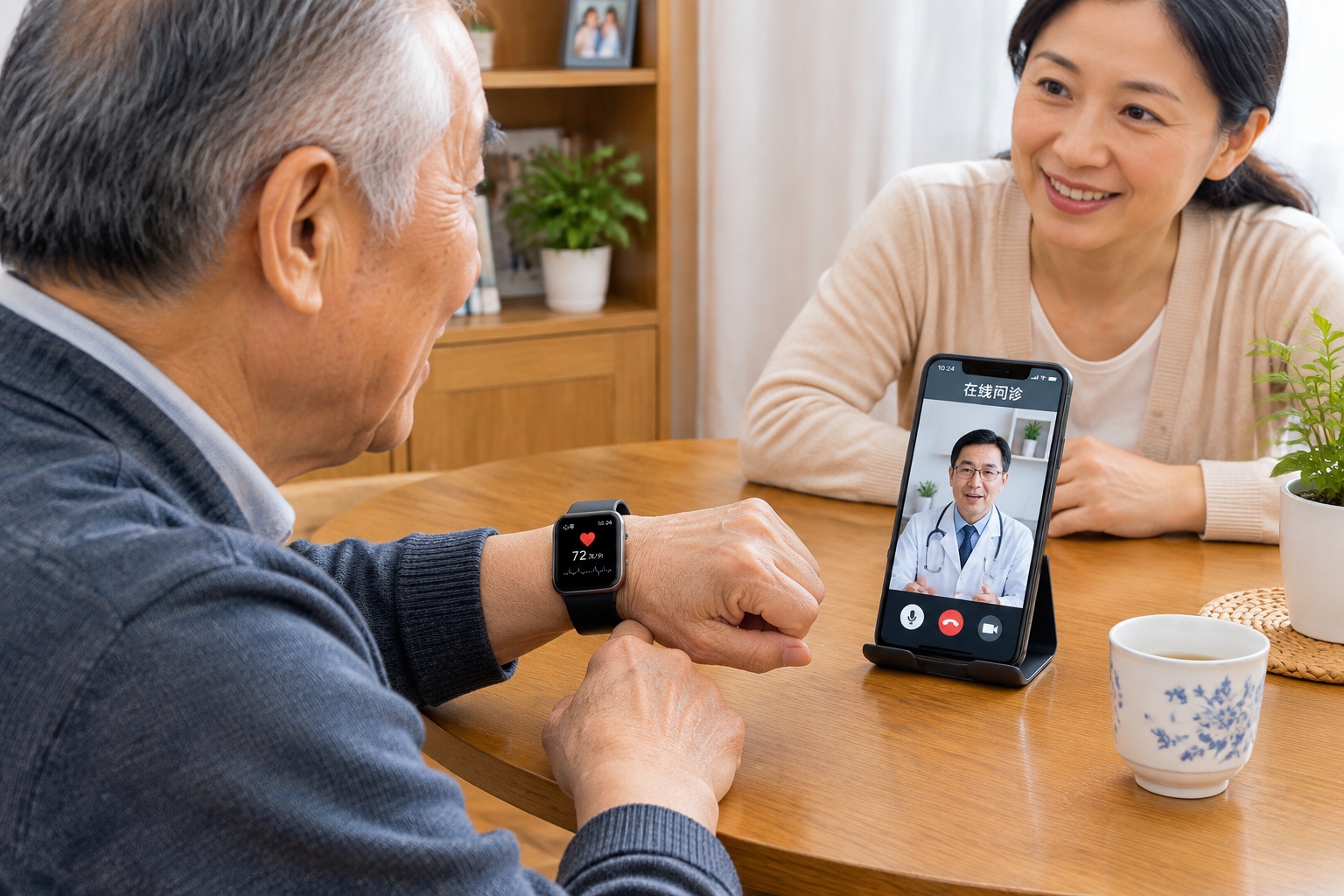
No country on Earth is ageing as quickly as China. This has turned health tech from a fitness accessory into a medical necessity. The smartwatch on your wrist may soon monitor heart rhythm, blood oxygen, sleep apnoea risk, and possibly non-invasive blood glucose levels. By 2027, some Chinese brands are expected to offer predictive warnings for hypertension, based on continuous blood pressure measurements.
The real differentiator is data flow. A consumer wearable that sends a graph to a smartphone is not enough. In China, certain wearables will be integrated with approved health apps, letting a user’s doctor see the trends and send a shortcut prescription or appointment. Already in 2025 we see experimental remote monitoring platforms for patients with chronic disease, run by hospitals in Chengdu, Shanghai and Shenzhen. The technology is here; the leap is to affordability.
This is not a panacea. The medical-grade accuracy is still in progress and regulations are evolving. But if you look at Chinese high-speed rail with mobile connectivity, you can see how well remote services already work. Health wearables might be the next to take off.
An Investment and Startup Checklist for 2027
Keep this practical list close.
Invest early in edge AI enablers. Chips for local inference, battery optimization, and companies that help developers compress neural nets to work on phones.
Don’t treat AR as a hardware industry only. The money will be made in content and the interface tools that let ordinary people use AR without code.
Keep an eye on foldable supply-chain companies. Their hinges and glass solutions are becoming commodity-like and may be the next export hit.
Build for the Chinese smart home ecosystem. If you can make devices that connect across brands, you could be adopted far more easily.
Regulation is the edge in health tech. Startups that pass China’s strict medical device standards gain an enormous moat.
Cautions: The Chinese market rewards quick execution but also burns cash. Hardware margins are thin; copycat risk is high; and data privacy rules make some business models slower.
Why This Matter Beyond China
Chinese consumer electronics has changed from being a fast follower to a fast adapter. When the world moves toward AI-on-device, AR interfaces, and health data integration, the learning curve out of Shenzhen may give you a clearer picture of where affordable products are headed.
In 2027, you may buy a device that is made in China, but design that started as a response to the daily needs of Chinese teenagers, grandparents, commuters and housing in shared spaces. That is what makes the industry both challenging and impossible to ignore.
Start the discussion at forum.chinacomes.com