
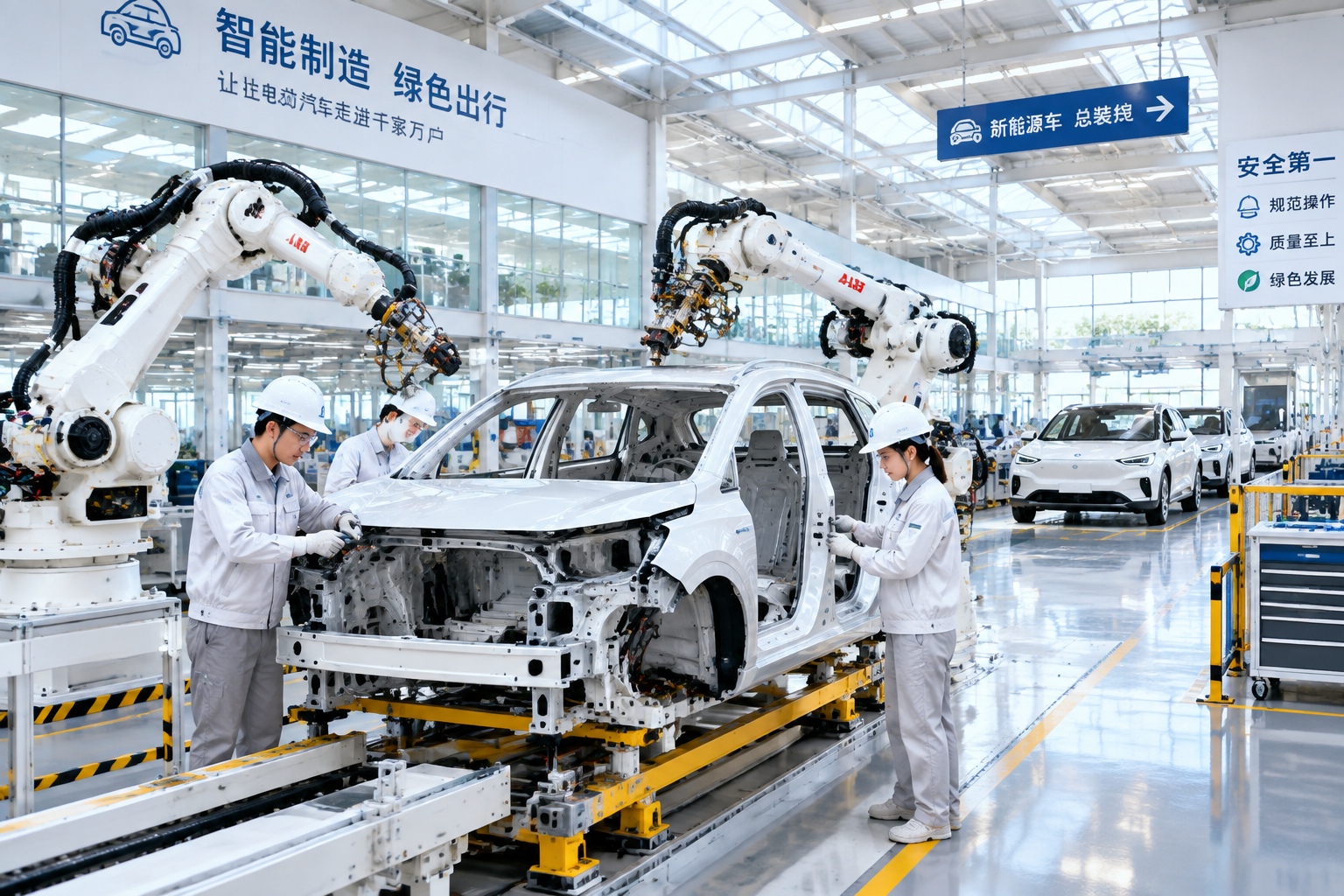

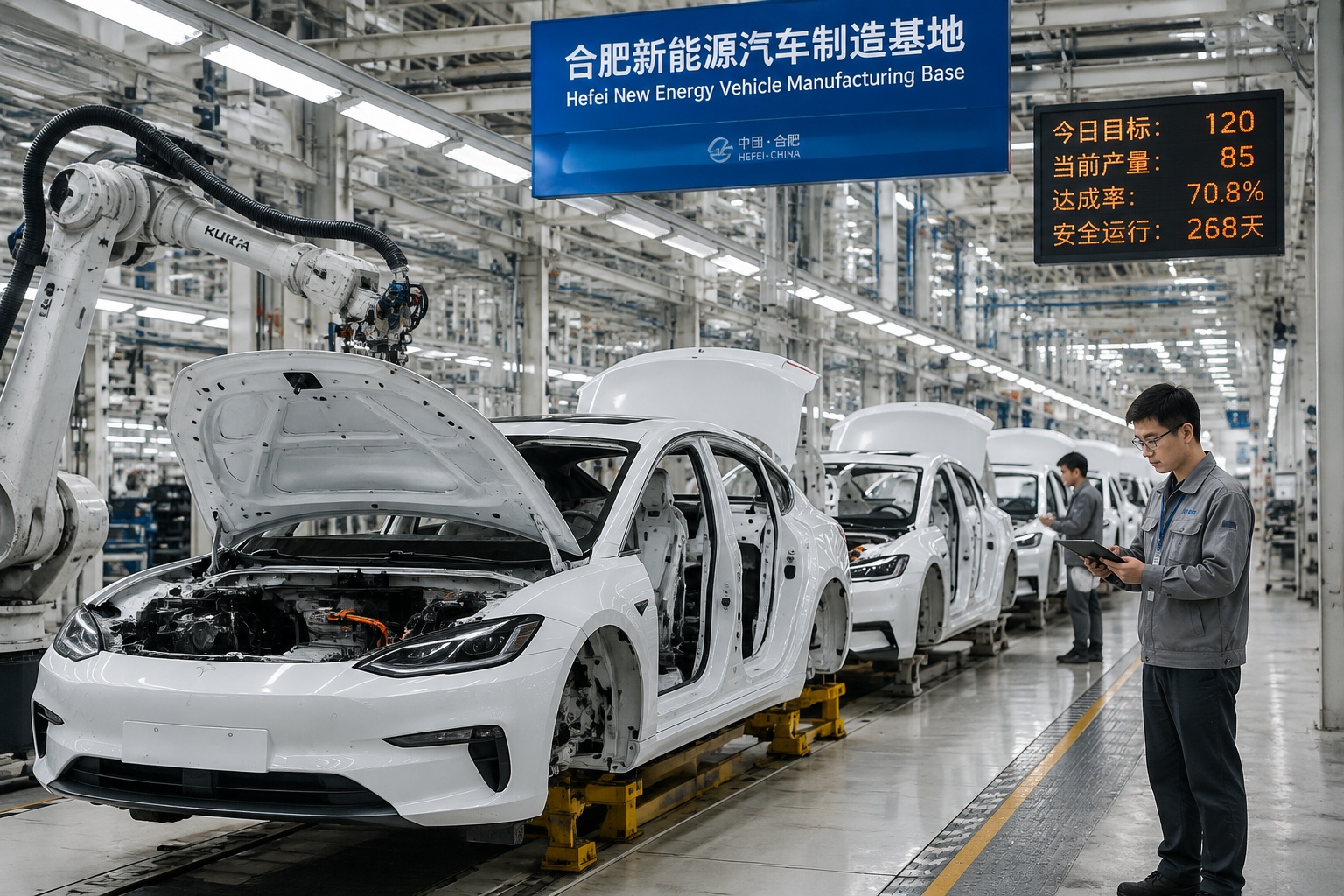
In Hefei, a city in central China that most foreign executives would struggle to find on a map just ten years ago, robots now weld battery enclosures for electric sedans. The factory belongs to BYD, a former mobile phone battery maker that is now the world’s largest EV brand by volume. Walk through the industrial park outside its gates and you will see European machine tool suppliers, Chinese battery materials labs and a handful of start-ups working on driver-assistance cameras packed into the same six-storey building. Hefei is not an exception. The same transformation is visible from Shanghai’s Lingang new area to Zhengzhou’s battery hub.
For foreign suppliers and partners, the meaning is clear: the place where new EV technical standards are being written is no longer only Detroit or Stuttgart. It is also Changsha, Shenzhen and Hefei. The question is not whether to be involved in China, but how to find a position that will survive a market that moves faster than almost anywhere else.
This article gives you a practical map of China’s EV industry: which players matter, what supply chain gaps exist, which technologies are about to become mainstream, and what foreign companies can offer today.
A Market That No Longer Depends on Subsidies
In 2023, more than 9.4 million new energy vehicles were sold in China — about one third of all new cars sold in the country. Around two thirds of those were pure battery electric. The growth was not a short-term spike. Since 2020, the penetration rate has risen from around 5.4 per cent to more than 31 per cent.
China has also become the largest auto exporter in the world, overtaking Japan in 2023. Roughly 1.2 million of the 4.9 million vehicles China exported were EVs. Many of them now appear on roads in Southeast Asia, Latin America and Europe. This external growth makes reaching scale in China a strategic gateway to global supply contracts as well.
The government withdrew many purchase subsidies at the beginning of 2023. Sales nevertheless continued to rise, and prices kept falling. This tells foreign partners something important: the market no longer depends on policy incentives alone. Consumers now compare EVs against combustion cars on charging cost, smart features and driving experience. For component suppliers, that means demand will remain strong, but profit margins will stay thin as competition intensifies.
Which Chinese EV Players Matter, and Why
The competitive field is not a single story. Chinese carmakers fall into several camps, each with different needs for foreign suppliers.
BYD is the volume leader. In 2023 it sold more than three million new energy vehicles, a record for any EV maker globally. The company controls most of its core supply chain, including batteries, power semiconductors and electric motors. But it still procures sophisticated electronic components, sensor systems and premium interior materials from international suppliers.
NIO and Xpeng are seen as China’s answer to premium smart EVs. NIO has built a reputation around battery-swapping infrastructure and luxury customer service. Xpeng concentrates on autonomous driving technology and high-performance E/E architectures. Both are younger, more flexible and more open to codevelopment with outside technology partners than traditional state-owned automakers.
Traditional carmakers such as Geely, SAIC, Changan and Great Wall Motor have launched dedicated EV sub-brands and are aggressively globalizing. They usually have long supply chain experience and cost-driven procurement teams. Working with them often requires more structured certification and tough annual price reductions.
Finally, there is Tesla Shanghai. Although American in origin, its factory in Lingang produces cars for both domestic and overseas markets, and its supply chain is now overwhelmingly local. The success of Tesla’s Shanghai operation convinced many component makers that they do not need to wait for a Chinese OEM to grow — they can supply the local branch of a global EV company.
Inside China’s EV Supply Chain: Where the Gaps Are
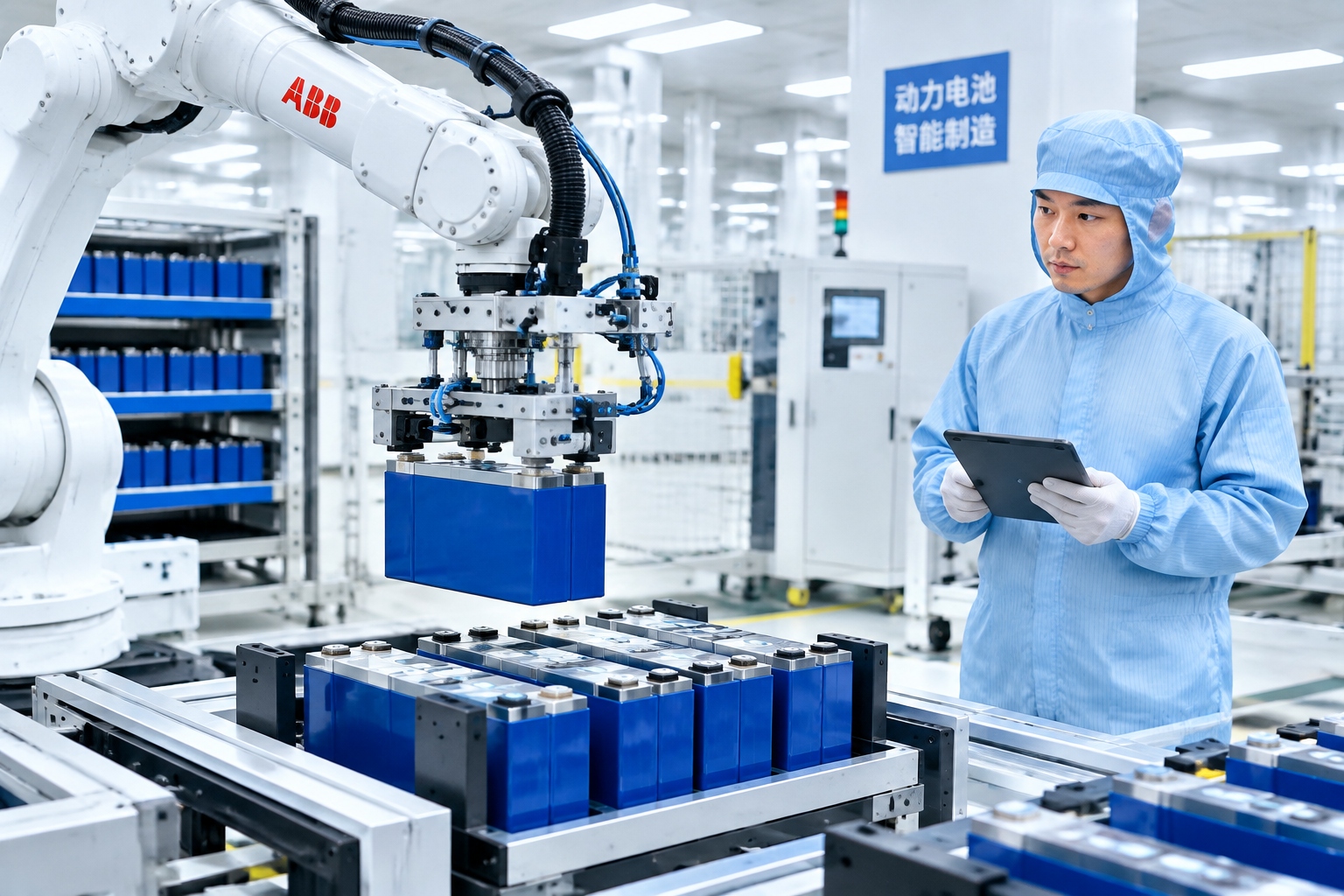
Understanding the supply chain is essential before you choose a role. The most visible part is batteries. China currently accounts for more than 60 per cent of global EV battery production capacity. CATL and BYD’s FinDreams are the largest players, and suppliers of electrode materials, cell casings and battery management systems are flourishing as well.
The picture is more nuanced for electric drive systems, power semiconductors and intelligent driving hardware. Many Chinese suppliers can produce electric motors and inverter components at acceptable quality, but the most advanced power chips — especially silicon carbide MOSFETs and high-voltage IGBTs — still rely on imported wafers. For producers of advanced semiconductors, photolithography systems or automotive-grade laser radars, there is still a real market in China that is not yet saturated by domestic competition.
Software is a different story. Chinese EV start-ups often develop their own algorithms in-house. They do not, however, all have comparable capabilities in safety-critical real-time operating systems, cloud service layers or high-precision mapping. Foreign suppliers with proven software expertise and functional safety certifications still gain respect. At the component level, there are gaps in precision bearings, high-end injection moulds, sensor cleaning systems and in-cabin health monitoring equipment.
Technologies That Will Matter in the Next Purchase Cycle
Three technical directions deserve particular attention, because they will shape procurement decisions in the next two to four years.
Battery architecture is changing fast. The industry is moving from conventional modules to cell-to-pack and cell-to-body structures that improve energy density and lower costs. Chinese suppliers are already shipping cell-to-pack batteries, but next-generation solid-state and semi-solid batteries require material innovations where some foreign chemical and production equipment companies still have an edge.
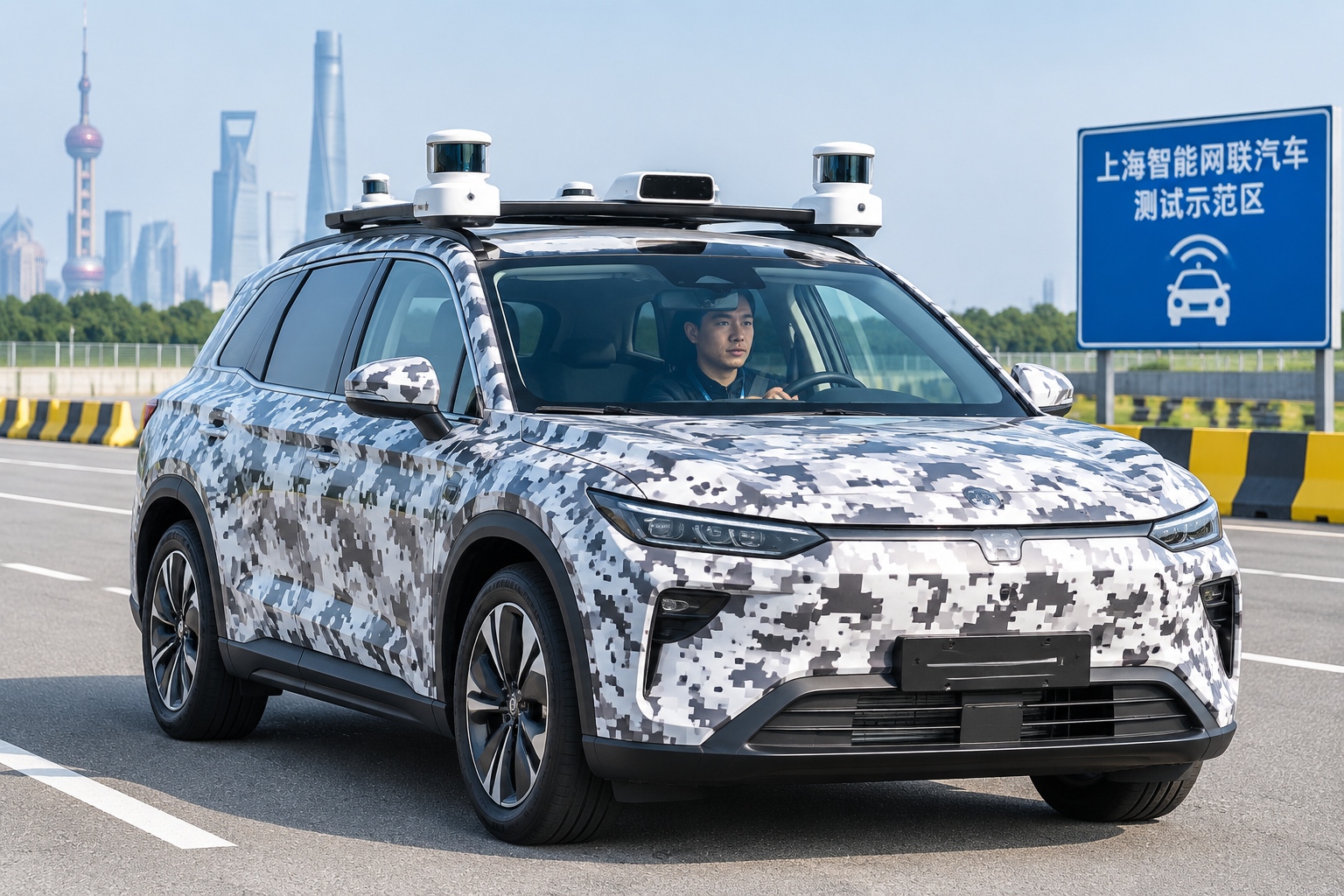
Smart driving is moving from a luxury feature to a standard one. In 2024, many Chinese OEMs began to fit lidar on models priced below 300,000 RMB. By 2026, some will offer city-scale autonomous navigation as standard. That means a step-up in demand for high-computing power automotive chips, thermal management solutions and redundant braking and steering systems.
The shift to software-defined vehicles is also shaking up the electronic architecture. Traditional automakers used dozens of separate electronic control units (ECUs). Chinese EVs are moving toward a central compute platform plus zonal controllers. This change makes over-the-air software updates possible and increases the value of high-bandwidth connectors, high-speed Ethernet components and cyber-security solutions.
How Foreign Suppliers and Partners Can Enter: Practical Routes
Based on the experience of European, Japanese and North American companies that have already succeeded in this market, four main models exist.
First, direct sales to Chinese OEMs or tier-1 suppliers. If your product has unique technical content that is not yet commoditised, this is the fastest route. You need to get your part into the car maker’s bill-of-material through their supplier qualification process. Many Chinese OEMs prefer a ‘cloud-based’ auditing and quality monitoring process, so even mid-sized companies can manage it from abroad initially.
Second, forming a joint venture with a domestic partner. This is common when the customer requires local production and you need access to Chinese manufacturing expertise or local relationships. Foreign battery material producer BASF, for example, has invested heavily in JV production sites with Chinese partners to secure long-term order visibility.
Third, technology licensing is a fast-growing route. Some Chinese OEMs are becoming more open to taking licensed technology for specific components instead of buying the full system. This is especially true in software modules, battery cell production technology and thermal management systems. A technology licensing agreement allows you to earn recurring income without the heavier cost of setting up factories.
Fourth, wholly owned manufacturing in China. Despite trade tensions, China remains open to wholly foreign-owned automotive parts plants, especially in encouraged categories like new energy vehicle components, high-end equipment and electronics. Tesla’s wholly owned Shanghai factory is the best-known evidence, but many foreign suppliers have owned plants in Chinese industrial zones for decades.
The practical steps you need to follow
If you decide to pursue these opportunities, a common process is:
- Identify the exact product category and check whether it is still on China’s encouraged foreign investment list. Most EV core components are still encouraged.
- Shortlist Chinese OEMs and tier-1 suppliers you want to work with. Visit their technical centres in person. Build a small China desk that reports directly to your CEO, not only to your sales office.
- Prepare technical documentation according to GB standards used in China, and make sure to have your product tested by a well-known local third-party lab, such as CATARC or CQC.
- Use local industry exhibitions like Auto Shanghai or the IAA Mobility’s China area to establish initial contacts.
- Be ready to negotiate annual price reductions of 3 to 5 per cent. Most Chinese OEMs make multi-year contracts based on continuous cost downs and quality improvement roadmaps.
Policy Signals to Track
Foreign suppliers must understand that policy has three layers. First, national policy still shapes demand. The famous dual credit policy — which pushes automakers to meet new energy vehicle credit targets or buy credits from others — is the main reason no automaker can afford to be left behind in EVs. It was after this policy took effect in 2019 that many traditional carmakers suddenly accelerated their EV plans.
Second, local governments compete to attract foreign technology. Many provinces offer subsidised land, tax breaks and R&D grants to EV-related companies that bring high-end jobs. If you are willing to create an engineering centre, you can negotiate for substantial support. But these incentives often come with performance requirements, so seek legal advice before signing.
Third, China is increasingly regulating data flows and cybersecurity for smart vehicles. If your product includes software that handles driver data or positioning information, you may need to comply with China’s cybersecurity review rules. This is not a deal-breaker, but it means foreign companies must build auditable data management into their product designs.
Conclusion: Time to Build a China Plan
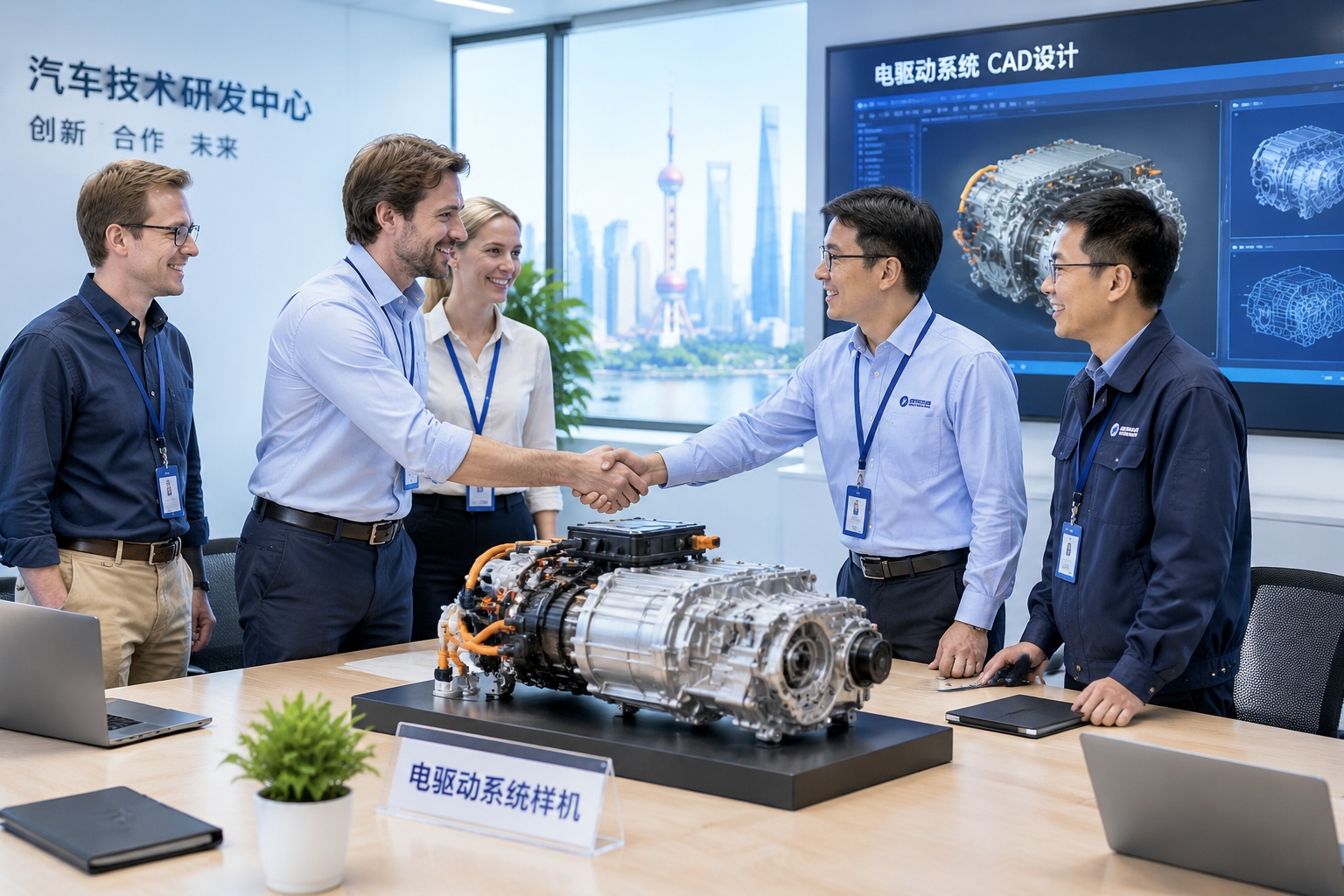
The rise of China’s EV industry is not a short-lived phenomenon. It is rooted in a deliberate strategy that combines enormous factories, aggressive engineering talent development and a consumer market that adopts new technology faster than almost any other. Foreign suppliers can still find attractive positions, but only if they treat the market seriously, with its own technical standards, business rhythms and policy details.
The most dangerous stance is to treat China as a low-cost manufacturing base. The more realistic approach is to treat it as an innovation lab with global reach. Bring your best technology, commit to local problem-solving, and build relationships before the next vehicle platform is locked in. That’s how the next generation of EV partnerships will be won.
Start the discussion at forum.chinacomes.com