

Ten Chinas, one suitcase
When I told friends I was moving to China for a year, I got the same three questions. Can you eat the food? Do you speak Chinese? Have you seen the Great Wall?
I have now seen the Great Wall. It is genuinely great. It is also a terrible map. You stand on it, you take the photo everyone already has, and you go home knowing exactly as much about the country as you did before.
So I stopped collecting landmarks and started collecting versions. Eleven months, a lot of sleeper trains, and a note on my phone labelled “the map,” which now holds ten different Chinas. None of them are the postcard. All of them are real.
1. The 6 a.m. China
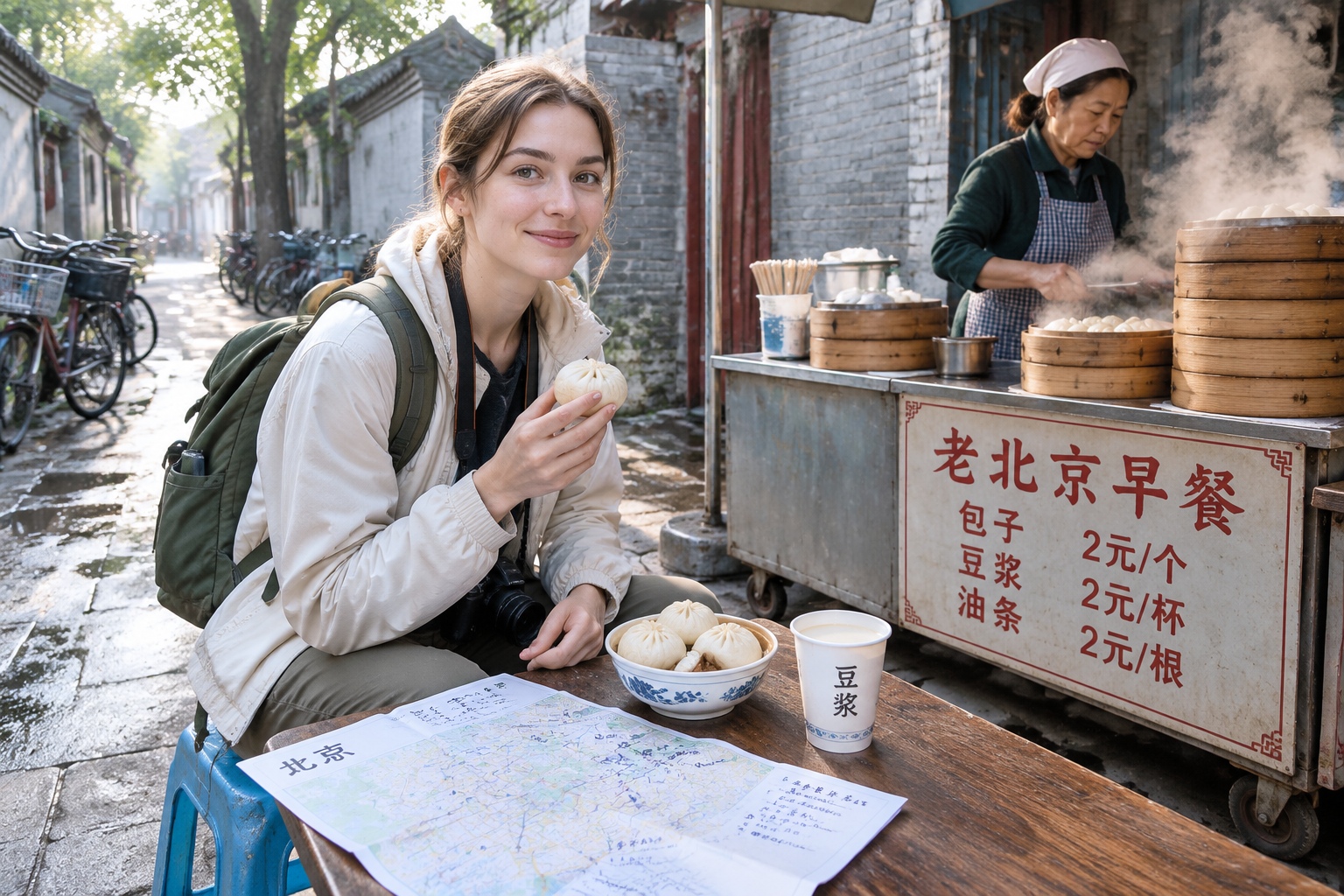
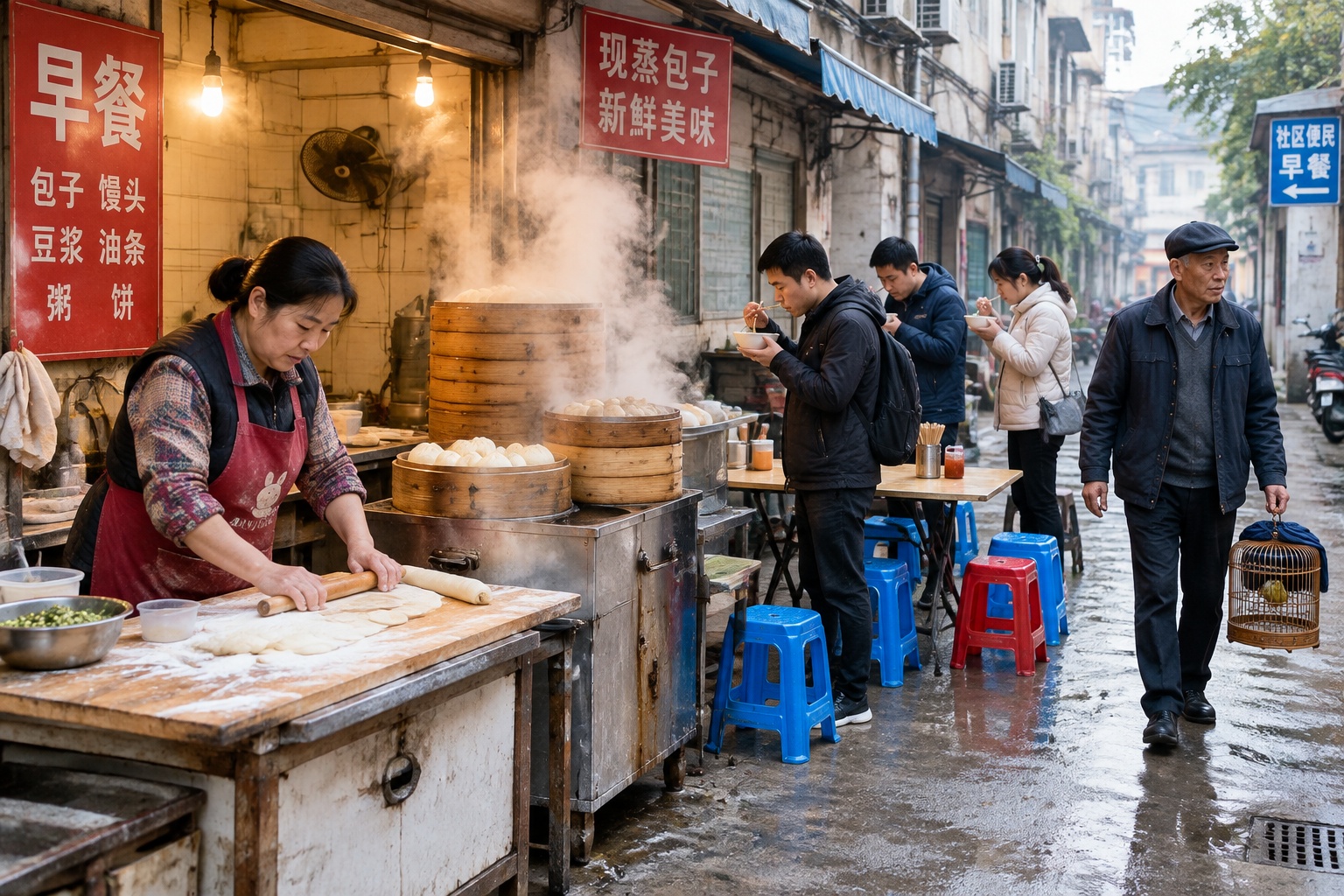
My first stop was an accident: jet lag dropped me into a Chengdu alley at 6:20 in the morning, where six women were making breakfast at a speed that suggested a small emergency. Steamed buns, soy milk, a fried dough stick, three yuan. Old men with birdcages. A vegetable seller using a scale with actual metal weights.
By nine o’clock the alley had been hosed down and the city it belonged to had disappeared. Chinese cities have one version of themselves for visitors and another for people who have to clock in at eight. The second one is the honest one, and it only lasts about ninety minutes.
2. The factory-shift China
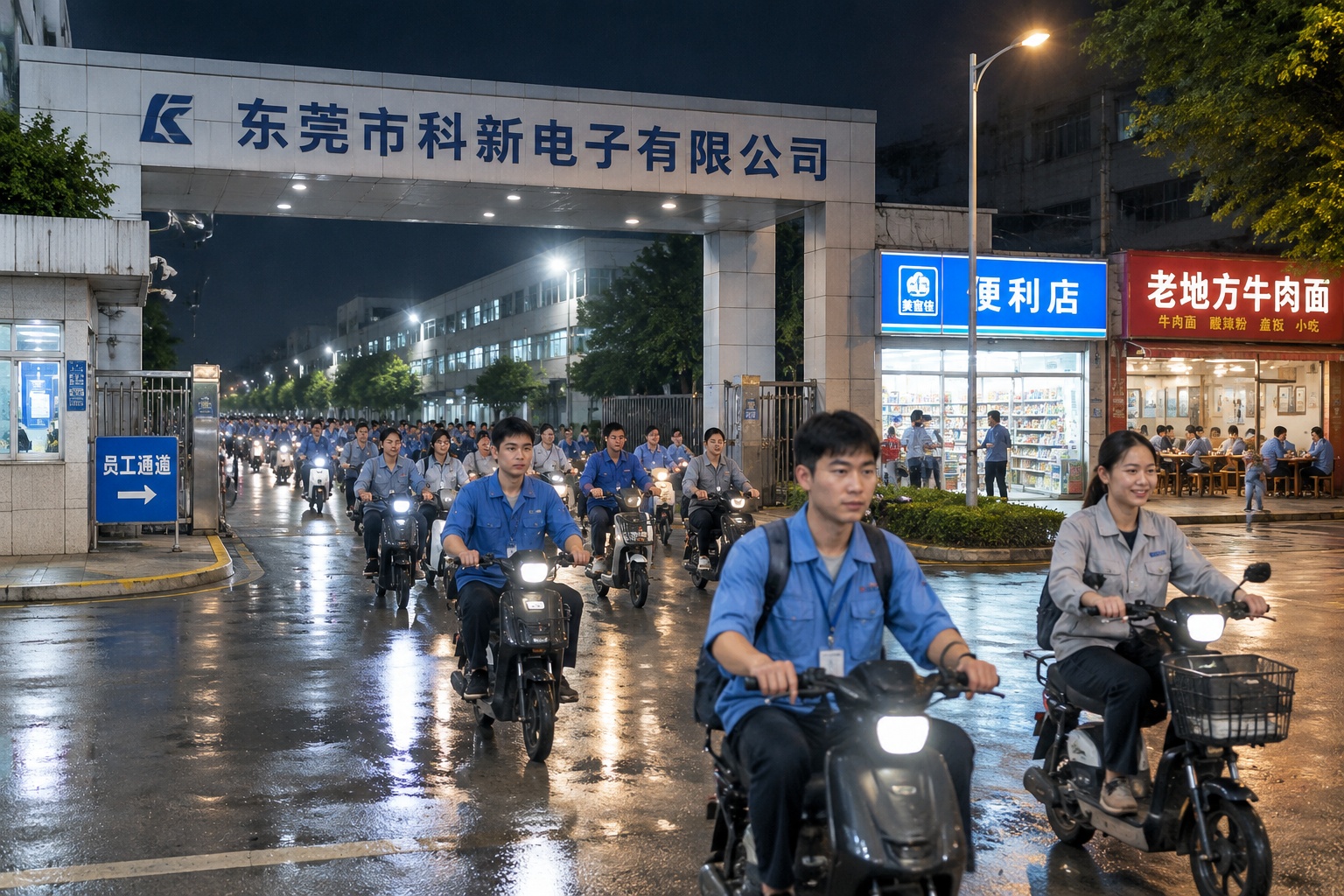
Dongguan, 8 p.m., shift change. A river of electric scooters pours out of a gate big enough to fly a plane through. Phone cases, chargers, camera modules — the small invisible parts of the devices in your pocket, a huge share of which pass through towns like this in Guangdong.
I met a 22-year-old who spends ten hours a day aligning camera modules. Her apartment costs 800 yuan a month. Her neighborhood has a milk tea shop, a gym, an all-night convenience store and a 24-hour noodle place. Guangdong has been the workshop of the world for forty years; what surprised me is that it is also now just somebody’s ordinary hometown, with a laundry line and a dog.
3. The county-town China
Caoxian, in Shandong province, is a county of about 1.4 million people that most Chinese people know for one thing: it makes a startling share of the country’s hanfu — the flowing traditional-style robes you see on young people posing in parks. I walked into a warehouse the size of a football pitch and watched a 24-year-old sell dresses on a livestream from 10 p.m. to 2 a.m. She had quit a marketing job in Shanghai and moved home.
China has more than 1,300 counties and hundreds of county-level cities, together home to hundreds of millions of people. For years the story was that anyone ambitious left for Beijing or Shanghai. Lately the traffic has been going both ways, and spending in smaller cities has been growing faster than in the biggest ones. “Going home” stopped sounding like giving up.
4. The cold, generous China
Harbin in January, minus 24, and people queuing outside to eat ice cream. It makes sense when you think about it: the freezer is warmer than the street. A few blocks away, the city has built an entire district out of frozen river water and lit it blue.
Then there is the bathhouse, which deserves its own passport stamp. Ninety-eight yuan buys a scrub, a sauna, a buffet, a nap room and a cinema, plus the company of strangers in matching pajamas. A retired machinist showed me photos on his phone of the plant where he worked for thirty years. The Northeast was China’s industrial heartland, then its rust belt, then a place young people left. The last two winters turned ice and generosity into an export industry.
5. The desert-and-mirrors China
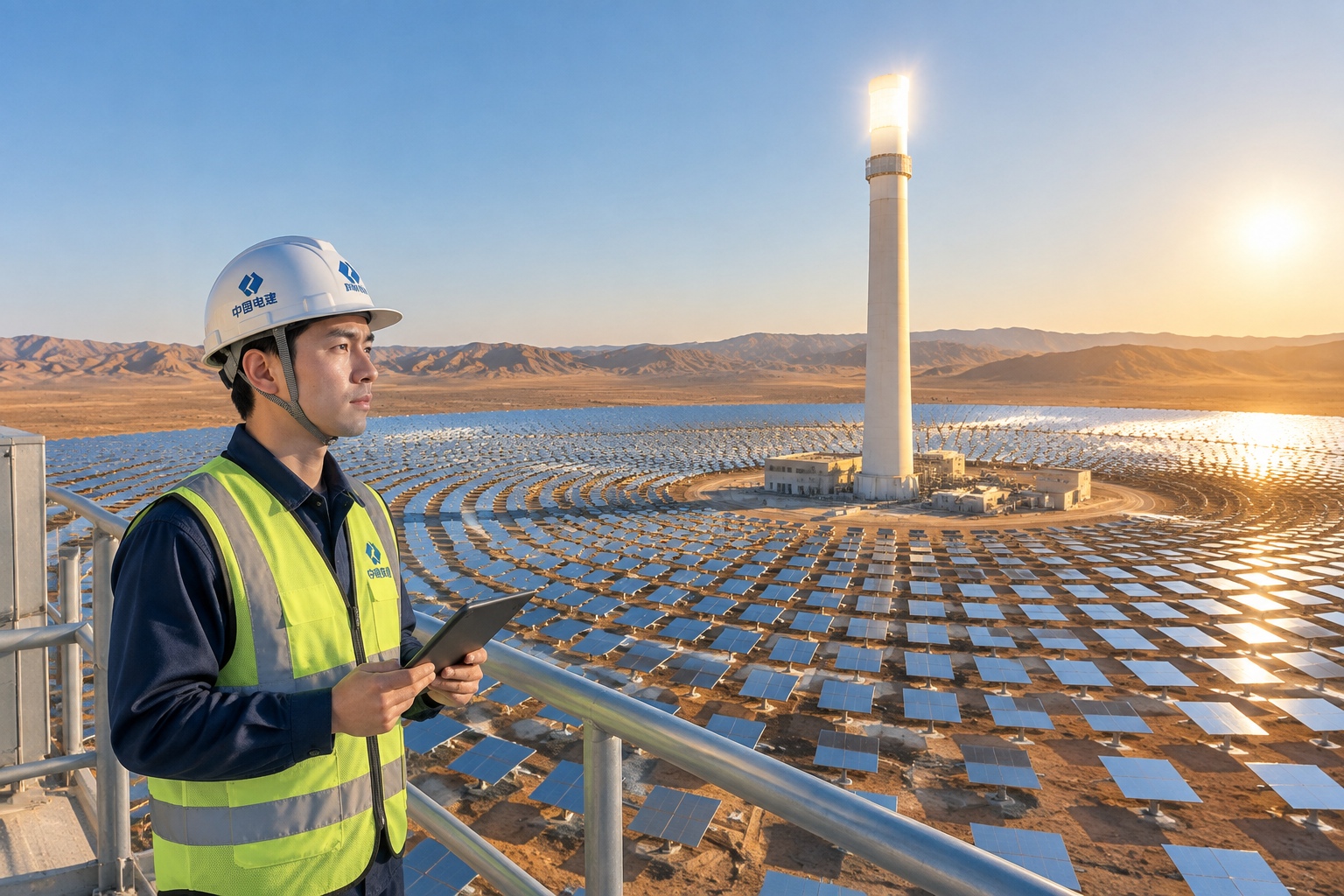
Dunhuang, Gansu: Buddhist cave temples on one side of town, a wall of desert on the other. Drive forty minutes out and 12,000 mirrors are arranged in circles around a 260-meter tower — a 100-megawatt concentrated solar plant that stores heat in molten salt and keeps generating hours after sunset.
My guide there grew up in a village that only got grid electricity in the 1990s. He now walks between mirror arrays with a tablet. On the road west you pass wind turbines and solar panels for hours. The edge of the map turns out to be where the grid starts.
6. The village-football China
Rongjiang, Guizhou, on a Saturday night. The “Village Super League” is exactly what it says: amateur teams from surrounding villages — farmers, barbers, delivery drivers — playing on a pitch ringed by tens of thousands of people. The trophy is a cow. Halftime is Miao and Dong drum dancing. Tickets are free, the stands are full two hours early, and the people who couldn’t get in watch from balconies and roofs.
It started as a local thing in 2023 and became a national one, with millions watching online. What struck me is that nobody planned it. It exists because a county decided a football pitch was a better use of money than another statue.

7. The phone-pays-for-everything China
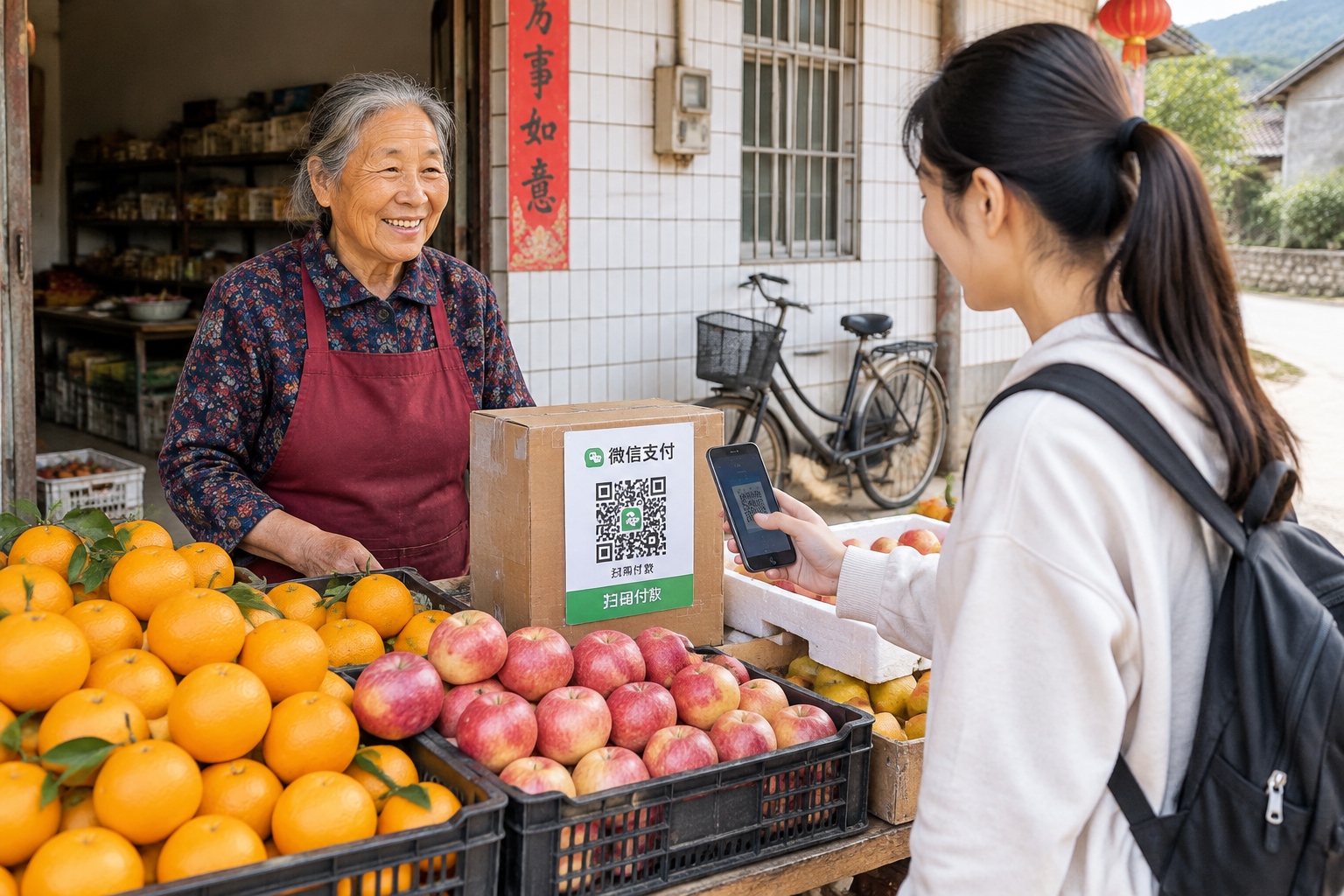
In Shenzhen’s Huaqiangbei electronics market I bought a phone case, a cable and a bowl of noodles without opening my wallet once. Two apps — WeChat and Alipay — handle almost everything. I stopped carrying cash in month two and stopped carrying a card holder in month three.
The detail I still think about is a fruit stand in a village of 900 people, with a printed QR code taped to a cardboard box. The vendor had never taken a bank card in her life. She takes my phone in four seconds.
For visitors, this used to be the single most annoying thing about China: arrive with a foreign card and you were stuck. Since 2023 the two big apps let overseas visitors link Visa and Mastercard, and the friction has dropped sharply. Cash is still legal tender and everyone accepts it — they just have to go find the drawer.
8. The 11 p.m. China
Changsha at midnight is louder than most cities at noon. Forty people in a queue for a cup of tea with a mountain of cream on top. Stinky tofu, skewers, portable fans as a fashion accessory, police officers on e-bikes who mostly give directions.
I shared a table with a 26-year-old who works at a short-video company, finishes at one in the morning and then eats hot pot because, in her words, the day starts at midnight. She could also explain, in one sentence and with strong opinions, both the “996” work-culture debate and the “lying flat” shrug that followed it. Young Chinese life is not one thing. It is a very long argument between two things, conducted over noodles.
9. The coffee-and-border China
Yunnan, in the southwest, is tea country — Pu’er is a tea, a city and a mountain range. It is also where China grows almost all of its coffee. I met a Dai farmer who tore out part of his tea bushes and planted coffee after a buyer turned up with a contract and a price per kilo. His neighbors thought he was joking. Then they did the math.
Drive a few hours south and the language, the food and the alphabet on the signs all change; Laos is a bus ride away. Dali, nearby, is full of homestays and people working remotely from cafés with mountain views. China’s borderlands do not feel like the middle of anything. That is exactly why they’re worth the trip.
10. The China outside my window
The last map entry is my own apartment block, which has no ticket office and will never be on a poster. Parcel lockers at the gate, delivery riders in rain ponchos, kids doing homework on a ping-pong table, and at 7:30 p.m. exactly, a dozen women and two brave men start dancing to a speaker nobody could legally own.
There is a grandmother downstairs who has adopted me through the strategic use of oranges. She has never asked me about the Great Wall. She has asked me, twice, whether I eat enough.
How to draw your own ten Chinas
You don’t need a year. You need three habits.
Take the train. China’s high-speed rail network is more than 45,000 kilometers long and reaches cities most guidebooks skip, which is where the interesting versions of the country live.
Eat breakfast outside. Everywhere in China, the cheapest meal of the day is also the most local. Nine yuan and a plastic stool will teach you more than a museum.
Sleep in a county town. Not a resort, not a scenic area — a county seat with a night market and a parcel depot. Stay forty-eight hours, walk around at 7 a.m. and again at 9 p.m., and you’ll see the country most visitors drive past on the highway.
My ten Chinas aren’t a ranking, and they’re not a complete set. Every time I think I’ve got the place figured out, someone hands me an orange and proves me wrong. The Great Wall is a day trip. This country is the other 364 days.
Start the discussion at forum.chinacomes.com