
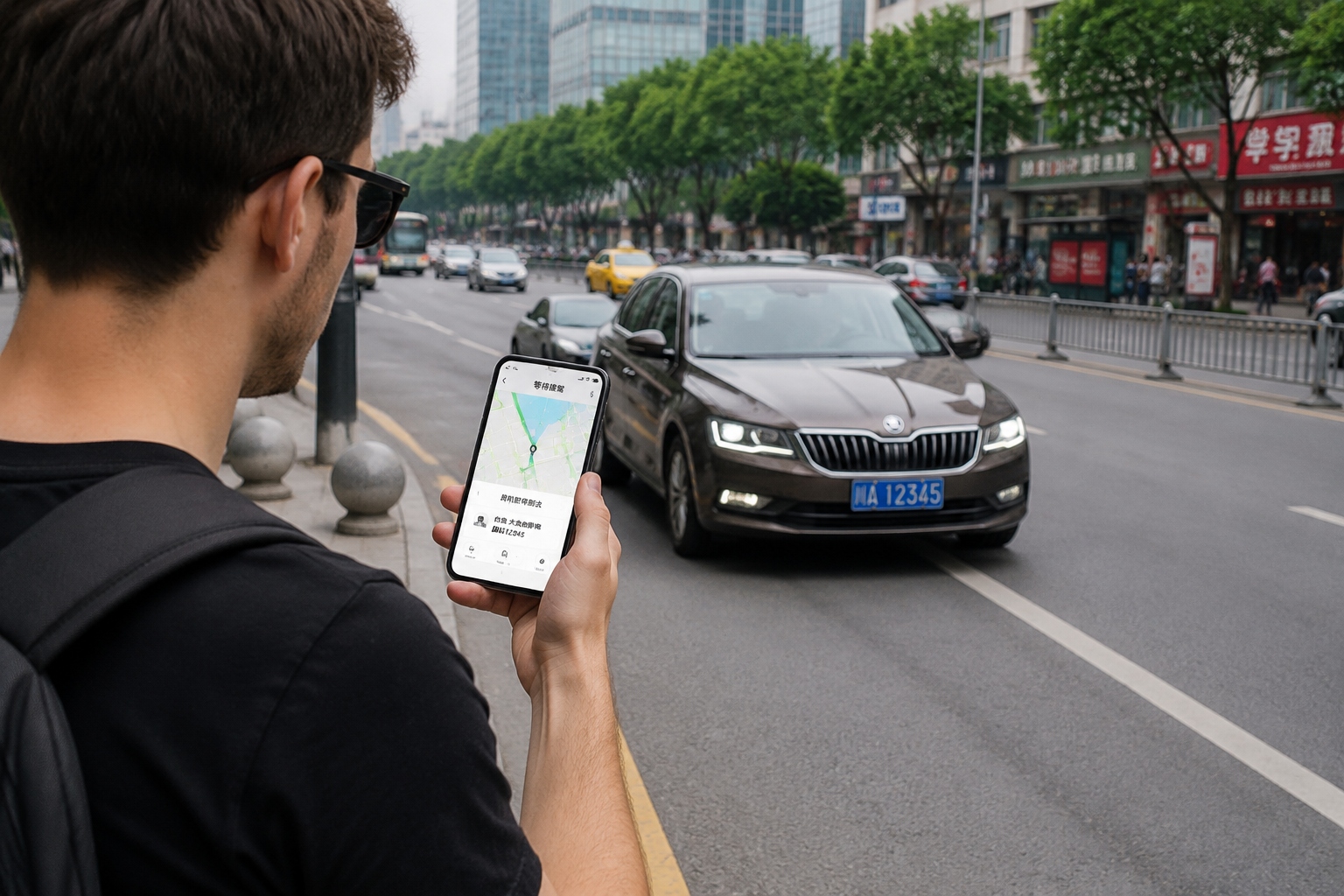

Standing on a busy street in Shanghai, you wave your hand at passing taxis. Every one of them is full. A friend smiles and says, “Just use Didi.” You download the app, but the Chinese interface feels like a puzzle. Where do you start?
The good news: Didi is not as complicated as it looks. Once you get the basics, it becomes your everyday ride, just like Uber or Lyft back home. Here’s exactly how it works.
What Is Didi?
Didi Chuxing (滴滴出行) is China’s largest ride-hailing platform. Think of it as a mix of Uber, Lyft, and a little bit of local magic. It covers almost every city in the country, from megacities like Beijing to smaller towns. In fact, millions of people use it every day to get around.
The app is entirely in Chinese by default, but it offers an English version and an English customer service line. Don’t worry if your phone number isn’t Chinese — the international edition of the app accepts foreign numbers. But for the smoothest experience, a local SIM number helps, especially when the driver calls you.
Step 1: Download, Register, and Set Up Payment
First, download “DiDi Chuxing” from your app store. The icon is a black circle with an orange D. If you see “DiDi Rider,” that’s the international version.
Registration is straightforward. Enter your phone number and a verification code. The app may ask for your name and profile photo, but you can easily skip that for now.
Now the important part: payment. Didi is a cashless service. You won’t need paper money at all. The app needs a payment method linked before you can book. Your options include:
- Alipay or WeChat Pay — the two dominant payment apps in China. If you have either one, just scan the QR code or enter your account.
- International credit cards — Didi supports Visa and Mastercard in some cities, but it’s not guaranteed. To avoid trouble, link Alipay and connect your card to that.
If you don’t have Alipay yet, download it. It’s easy to set up with a foreign passport and card. Many travelers rely on it for everything from coffee to train tickets, so it’s worth the effort.
Step 2: How to Book a Ride
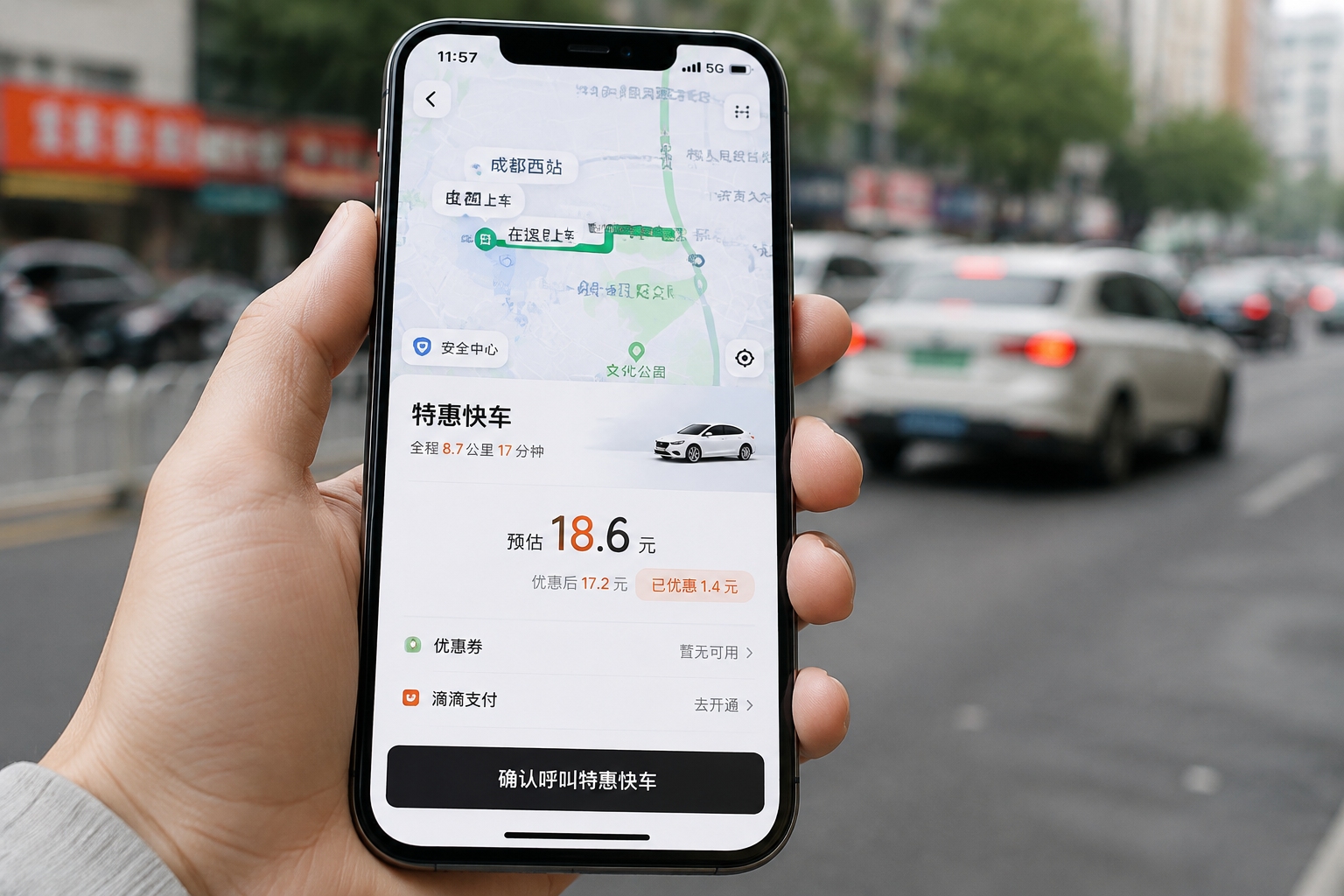
Once your payment is ready, booking is a breeze. Open the app, and you’ll see a map with your blue dot. Below the map, you’ll find a bar that says “您要去哪儿?” which means “Where to?”
Type your destination. The app uses Chinese place names, so searching in English often works too — big landmarks, hotels, and airports are usually in the database. If you’re unsure, you can drag the map pin directly to the exact spot.
Next, choose your ride type. The most common options are:
- 快车 (Express) — the cheapest, similar to UberX.
- 专车 (Premier) — a more comfortable, newer car with a higher price.
- 顺风车 (Hitch) — carpooling, for longer trips or when you’re not in a hurry.
The app will show you the estimated price and the estimated waiting time. Tap “确认呼叫” (Confirm Ride), and you’re done.
The screen now shows your driver’s car model, license plate, and how far away they are. You can also message the driver in the app, with auto-translated phrases like “I’m at the main entrance” or “Please wait a moment.”
Step 3: Spotting Your Car
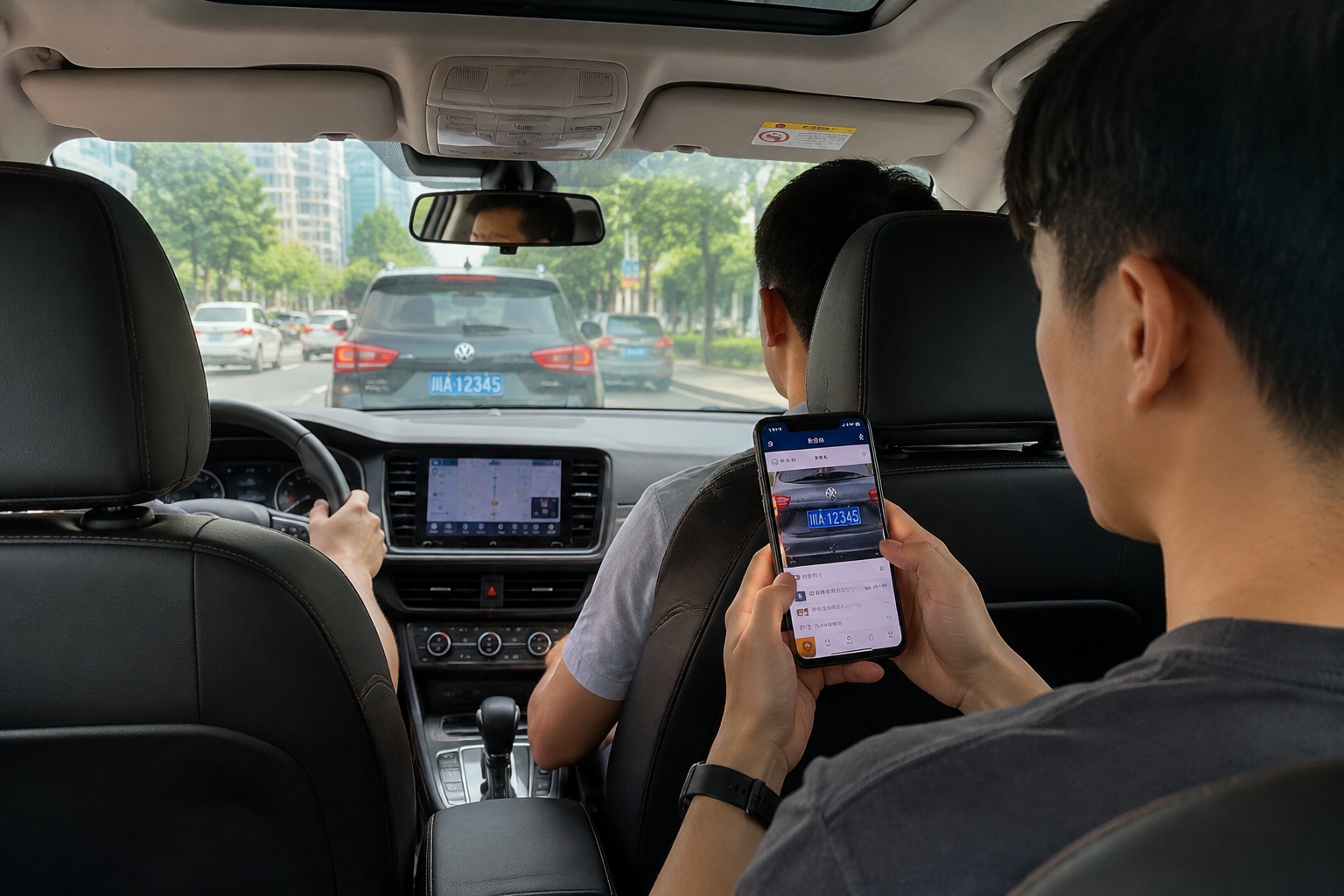
Your driver will usually arrive within two to five minutes in a city at peak times. When the car approaches, don’t just open any door. Here’s a trick to avoid confusion:
- Check the license plate number in the app against the car’s plate.
- Check the car model and color.
- Then, get in — normally on the right side (the side facing the sidewalk).
In some cities, the rear left door in taxis is locked for safety, but with Didi private cars, all doors open normally. Still, it’s a good habit to enter on the sidewalk side to avoid getting hit by a scooter.
In the back seat, you can see the driver’s name, rating, and a “行程开始” (Trip Started) button. Make sure your driver presses it so the meter runs correctly.

Step 4: Chatting with Your Driver
One of the delights of using Didi is the conversation — if you’re up for it. Chinese drivers are often chatty and curious. Many have never met a foreigner. You might hear:
“你是外国人吗?” (Are you a foreigner?)
“你从哪里来?” (Where are you from?)
“你觉得中国怎么样?” (What do you think of China?)
Don’t worry about replying in perfect Chinese. A simple “我是美国人” or “我是英国人” works. If you want to go deeper, you can say:
- 我是游客 (I’m a tourist)
- 我来工作 (I’m here for work)
- 我喜欢中国菜 (I like Chinese food)
If you chat too much, the driver might worry about traffic, but usually they’re happy to have company. And if you don’t feel like talking, just smile and look out the window — no one will be offended.
Step 5: Ending, Paying, and Rating
When you arrive, the driver ends the trip. The price shown in the app includes the distance and time you traveled. You don’t need to count cash or hand over a card. Payment is automatically charged to your linked Alipay, WeChat Pay, or credit card.
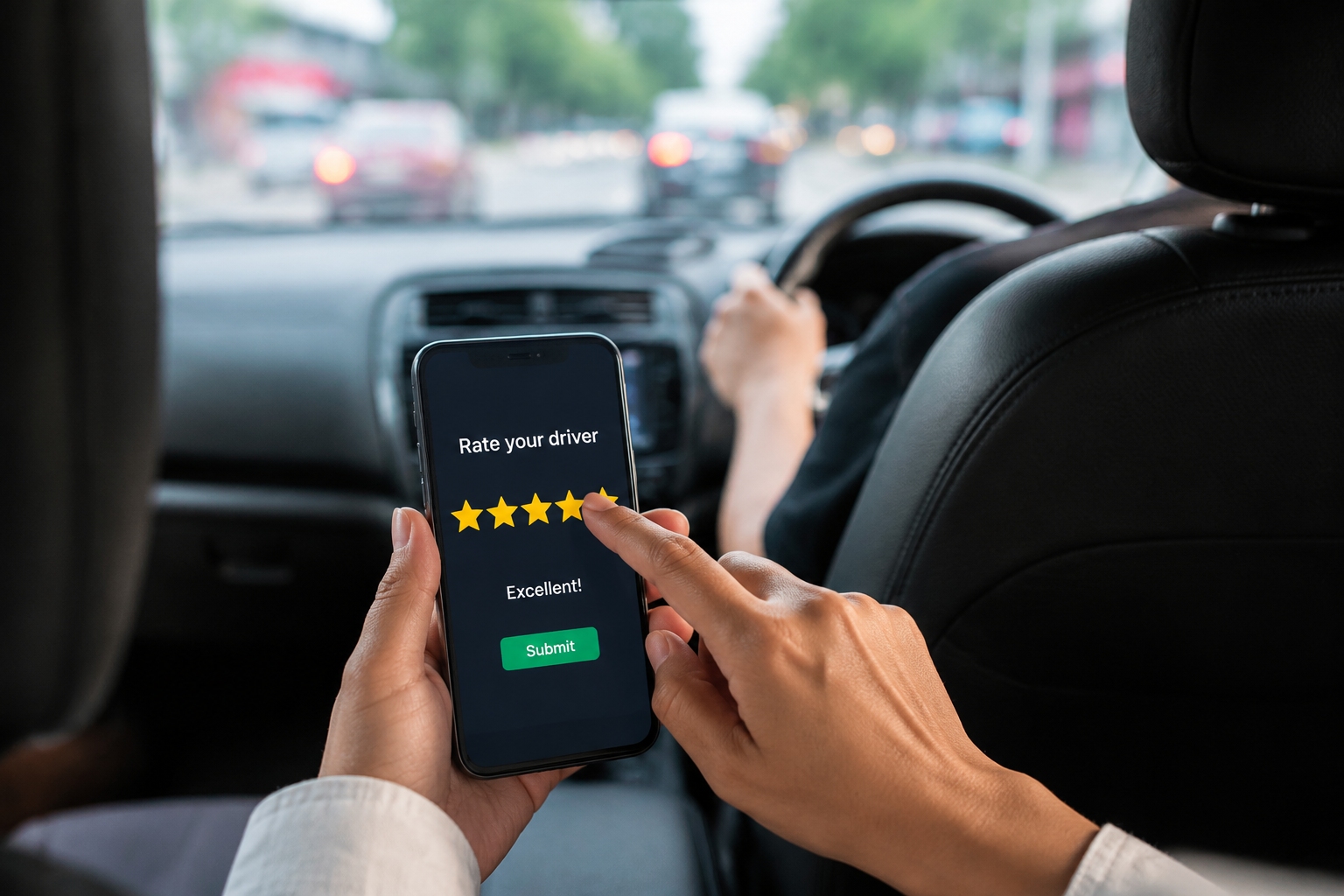
Then comes the rating screen. You’ll see five stars — tap away. The app will also ask if you want to add a tip. Tipping is not expected in China, unlike in the US. Didi gives drivers the option to receive up to a small amount, but it’s completely optional. If you felt the ride was great, a small tip is a nice gesture, but don’t feel obliged.
Also, you can rate your driver up to five stars. This feedback matters. A high rating means the driver keeps getting orders. A low rating means they get fewer requests. So be fair.
What If the Driver Takes a Longer Route?
Occasionally, a driver might take a longer route. This could be due to traffic, road closures, or just a different style of driving. But if you think the route is unnecessarily long, the app has your back.
When your trip ends, you’ll see an option to “费用有疑问?” (Question about the fare?). You can tap it and select “路线有问题” (Problem with the route). The app will then recalculate the fare based on the shortest possible route.
You can also speak to customer service directly in the app. There’s a chat function with a human agent, and there’s even an English support hotline. If you submit a complaint, Didi usually responds within an hour or two, and if you’re right, the refund goes straight back to your payment account.
The key is to act quickly. You can review the trip details up to 72 hours after the ride.
Why Didi Is Worth It
Didi is more than just a taxi replacement. It’s a window into Chinese daily life. You’ll sit in electric cars, hear local music, and see neighborhoods you’d never find on a bus map. Prices are often cheaper than traditional taxis, especially outside peak hours.
And if you get stuck, the app’s features are designed to help you. You can share your ride details with friends, order a ride for someone else, or even schedule one for tomorrow morning. It’s like having a helpful local friend in your pocket.
So next time you’re in China, skip the taxi line and tap the Didi icon. It might just become the most-traveled app on your phone.
Start the discussion at forum.chinacomes.com