

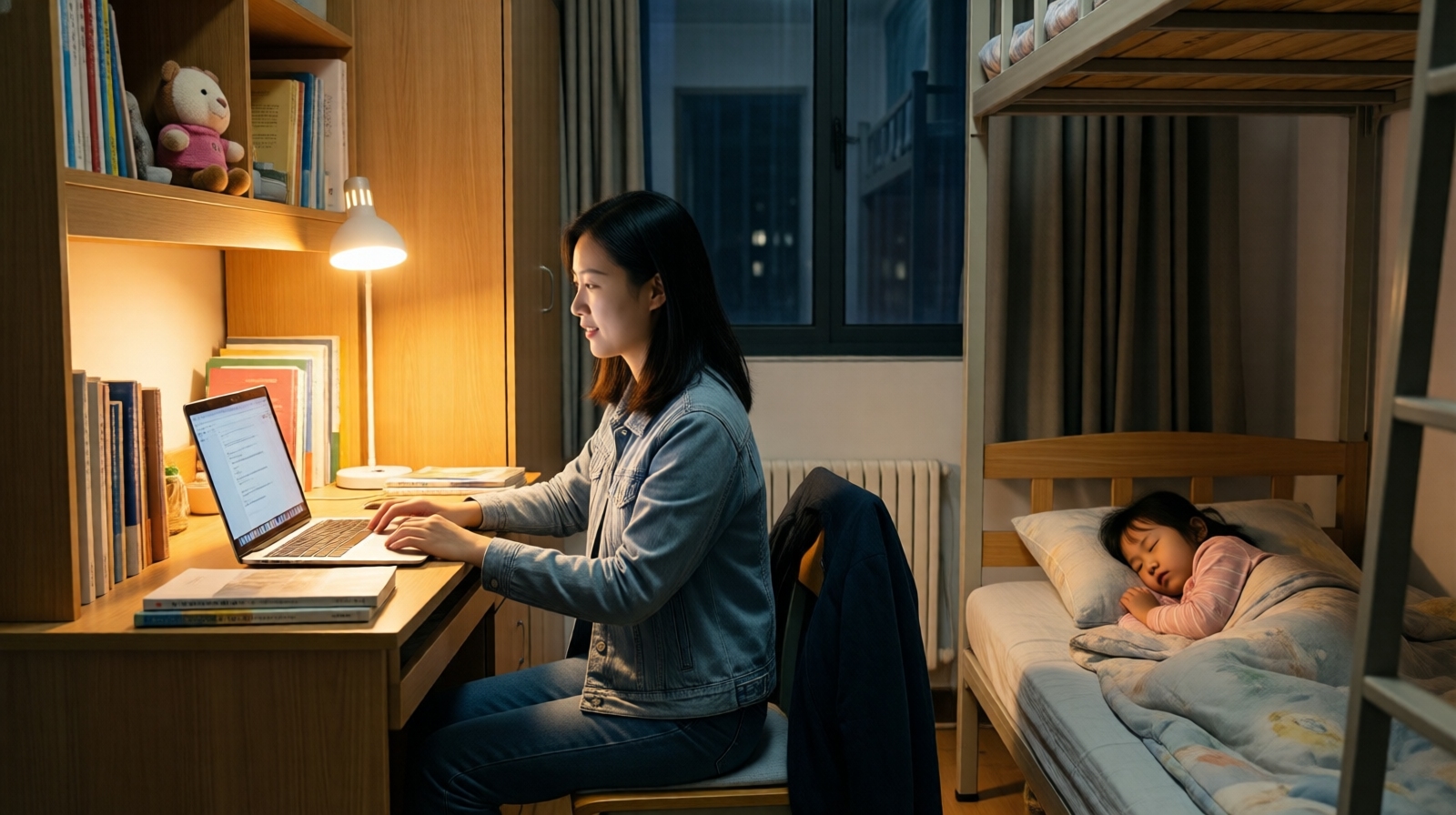
It’s 10 p.m. in a university dormitory
In a narrow dormitory room on a Chinese campus, a woman in her early thirties closes a children’s picture book and kisses her four-year-old daughter goodnight. The child drifts off in a small bed pushed against the wall. The woman, Li Jing, turns to a desk stacked with academic papers and opens her laptop. She is a first-year master’s student in educational psychology. Somewhere between storytime and statistics, she is making her life over.
This scene is quiet, but it’s also a small revolution. In China, it is still uncommon for a single mother to return to school full-time after a divorce. But it is becoming less rare. Li Jing’s story is one among many that point to a larger shift in how Chinese women see themselves—and how society is learning to support them.
A decision made in a difficult year
Li Jing was 29 when her marriage ended. She had spent four years as a marketing assistant and then became a stay-at-home mother. “I wasn’t unhappy at first,” she told me one afternoon in the campus café. “But after the divorce, I realized I had no career, no savings, and very little confidence.”
The idea of going back to school came from her younger sister, who had just finished a graduate program. At first, Li Jing laughed it off. “I thought I was too old and too tired. And who would take classes with a crying child in tow?”
Still, she started looking into it. She was surprised to find that many universities now offer flexible arrangements for mature students. Some provide special dorm rooms for married or single parents. Others allow part-time enrollment and extended deadlines. She chose a provincial university near her parents’ home, partly because her mother could help with childcare.
The practicalities of mother-and-student life
That help is crucial. Li Jing’s mother picks up her daughter, Xiao Mi, from kindergarten on weekdays. Li Jing has classes in the morning and often works in the library or lab in the afternoon. In the evening, she collects Xiao Mi from her grandmother’s apartment, cooks dinner, and puts her to bed before starting her own work.
“It’s like running a relay,” she says. “Every hour is scheduled. But it’s my schedule, and I choose it.”
Financial pressure is real. She receives a modest stipend from the university, plus a scholarship that covers tuition. To make ends meet, she does freelance translation work online. She says the money is tight, but manageable.
There are also smaller stresses. “I used to worry about what my classmates would think. It turned out they were just curious. A few even offered to babysit during a group project.”
The university quietly helps
Li Jing’s university is not exceptional, but it does have a few policies that make life easier. The housing office assigned her a single room in a graduate dormitory, even though most first-year students share a room. The dean of her department approved her request to arrange her course schedule around her daughter’s school hours. Professors are generally understanding when she occasionally brings Xiao Mi to a lecture.
“One morning, Xiao Mi had a fever, and I had a seminar. I mentioned it to my professor, and he said, ‘Bring her. She can sit in the back and draw.’ So she did.”
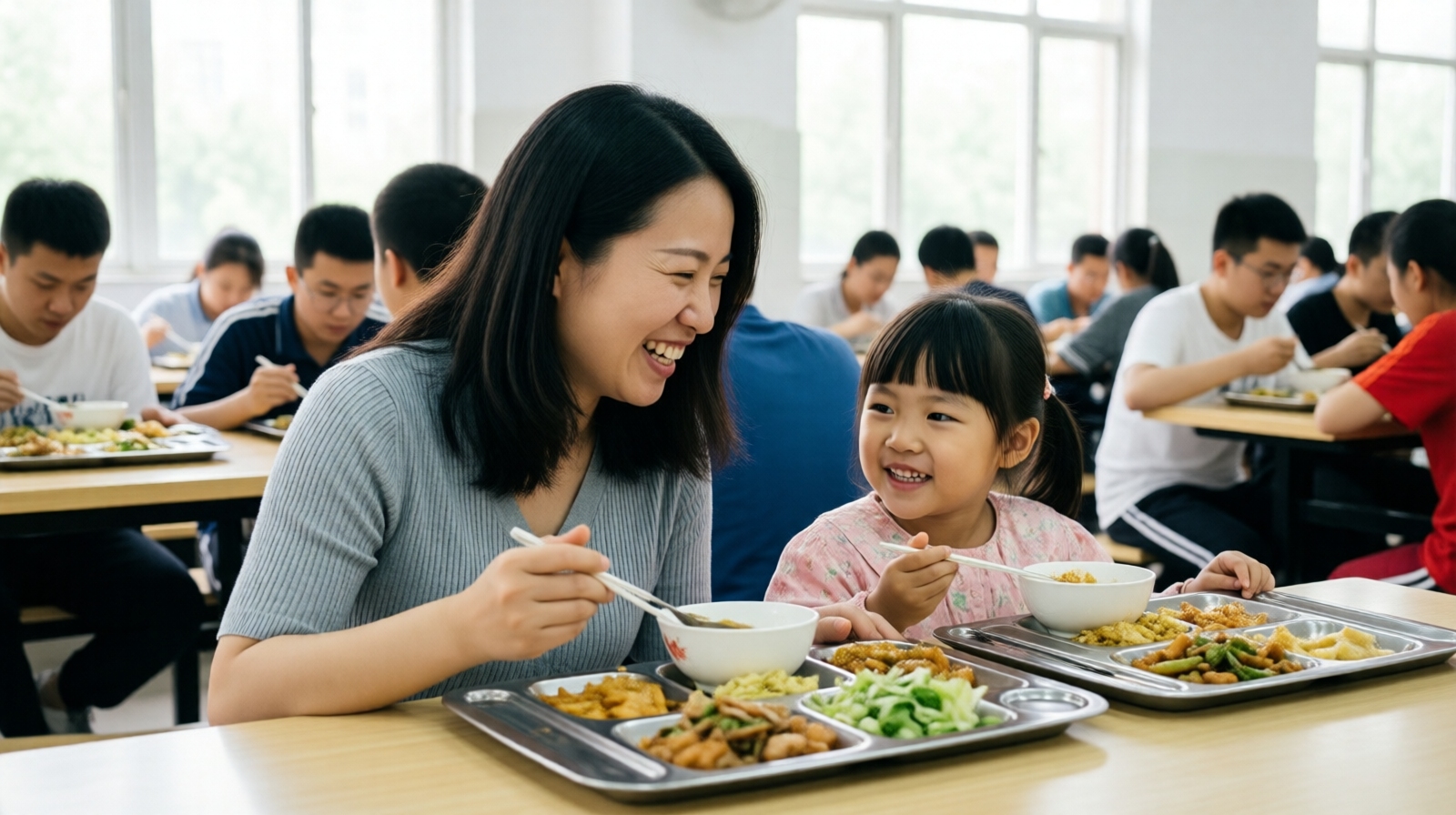
These small accommodations didn’t require national policy changes. They happened because individuals within an institution chose to be flexible. That, perhaps, is a more realistic picture of progress in China—not only sweeping reforms, but many small, human acts of accommodation.
A shifting society
The broader context matters too. Divorce is no longer the social catastrophe it was for an older generation. In Chinese cities, the rate of divorce has risen, and the stigma has softened, especially among people under 40. More importantly, education is seen as a legitimate second act for women.
According to China’s Ministry of Education, women now make up more than half of all graduate students. That statistic hides the fact that many are returning to school after several years off. Universities have adjusted by offering more professionally oriented degrees and online courses, which are attractive to older students.
Li Jing’s parents were initially opposed to her divorce. Her father did not speak to her for months. But when she told him she wanted to study education, he softened. “He said, ‘At least you’ll have something of your own.’ That was a big moment for me.”
Becoming herself again
The change in Li Jing is visible. Her voice is steadier. She laughs more. “For the first time in years, I have a plan that is not just about serving someone else. It’s scary, but it’s also exciting.”
Her daughter is adapting too. “Xiao Mi used to cry when I left her with my mother. Now she says, ‘Mama goes to school, and I go to school.’ She sees me as a student, not just a mother. I think that’s helping her understand that women can go after things they want.”
Li Jing has also found a community. She joined a student group on campus for single mothers, which meets a few times each month. Most of the women are older than typical students. They swap tips on childcare, funding, and emotional support.
“It’s not a self-pity group,” she says. “It’s a practical group. And it’s full of women who are doing things they never thought they could do.”
A restart that echoes beyond one person
Li Jing’s story is not a fairy tale. Some days she is exhausted. She has worried about money and about her daughter’s future. She knows that finishing a degree does not automatically solve everything. But she is building a life that is her own.
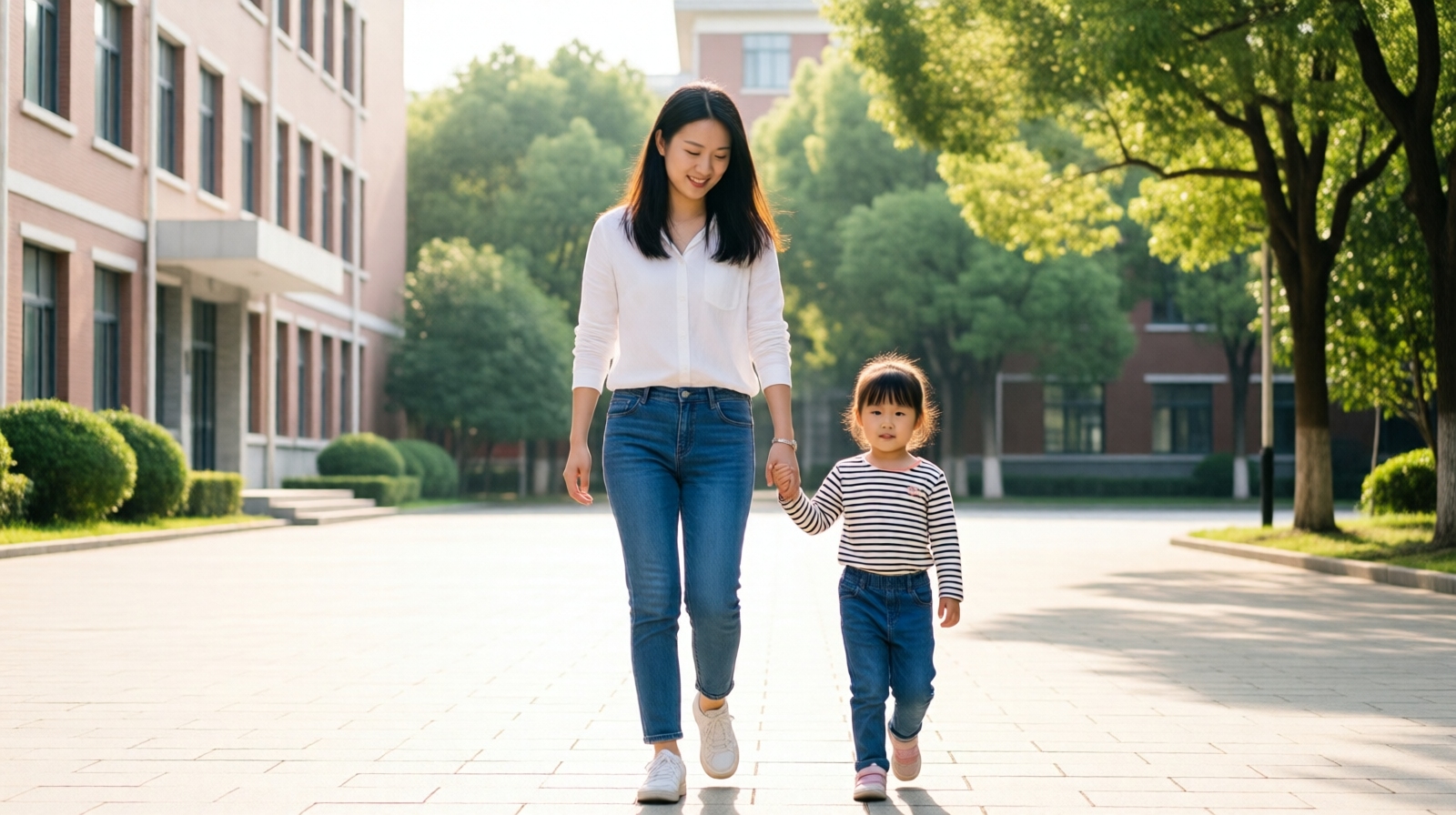
On the last day of my visit, she walked Xiao Mi to a bench near the sports field. The child waved at the running students. Li Jing looked at her daughter and said, “I want her to remember that I kept going.”
In a country where women’s life choices are still often constrained, Li Jing’s small restart is part of a bigger current. It’s not loud. It won’t always make headlines. But it’s real, and it’s happening on campuses all over China.
Start the discussion at forum.chinacomes.com