
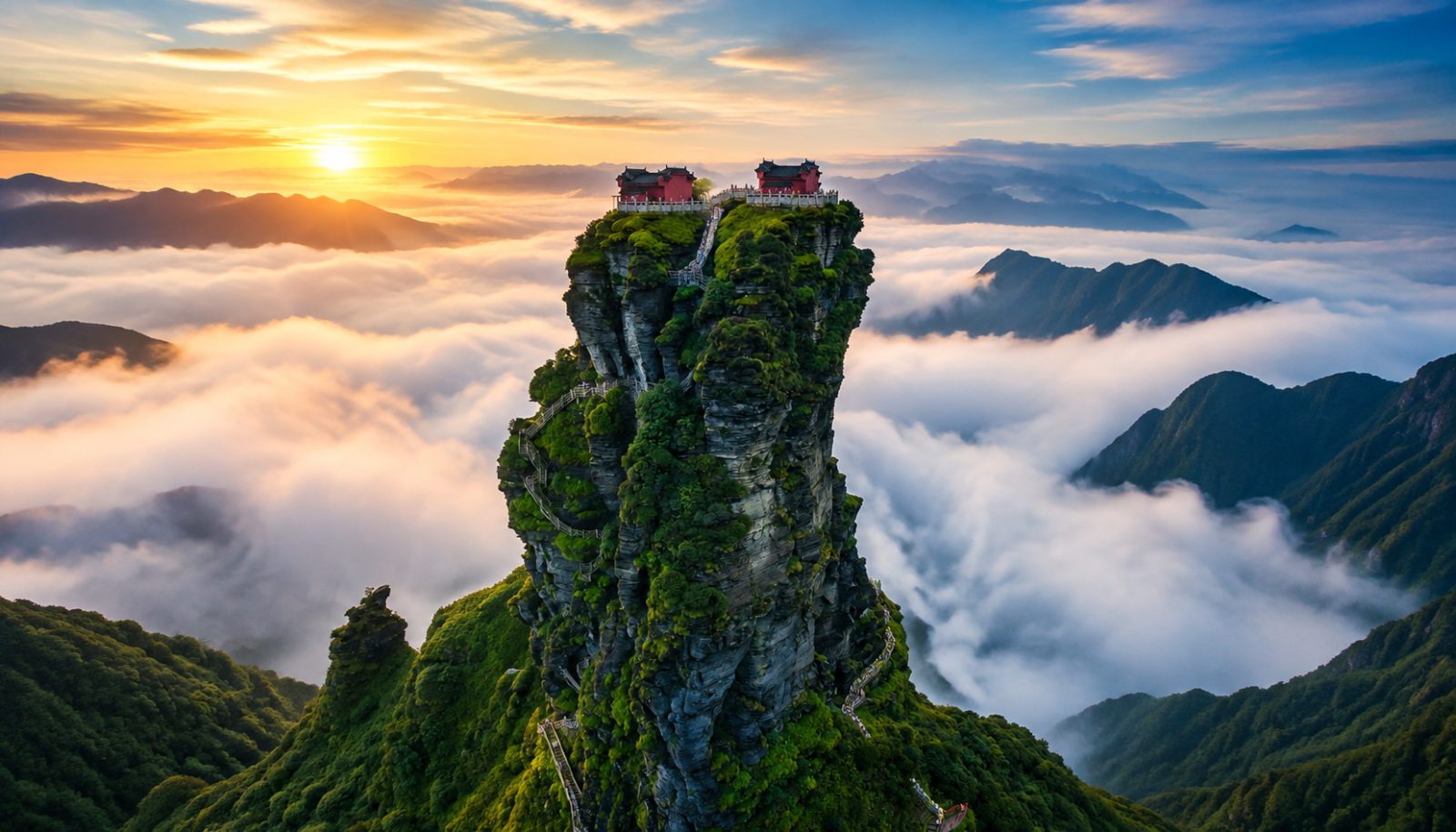

A World of Wonder in Guizhou
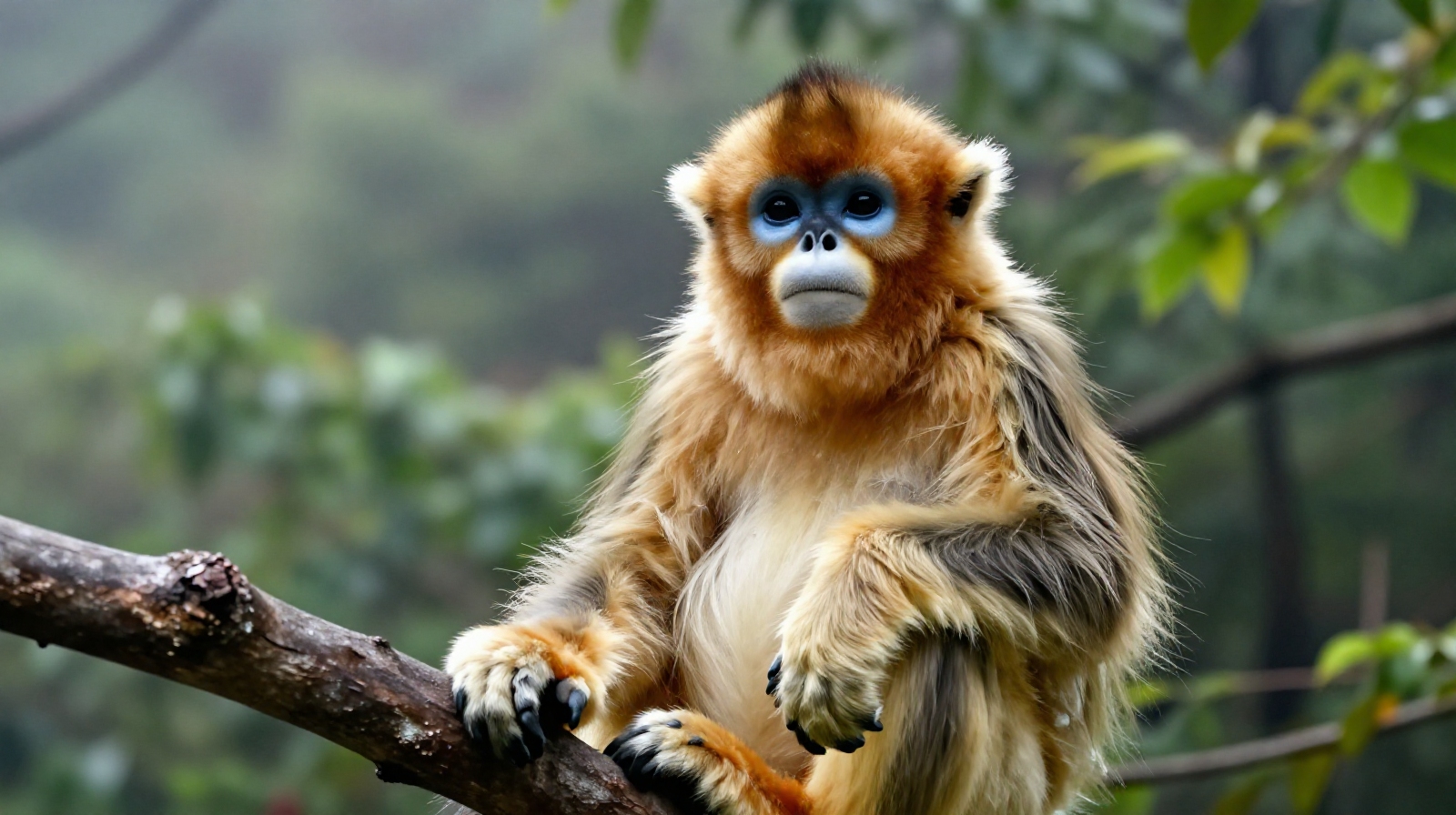
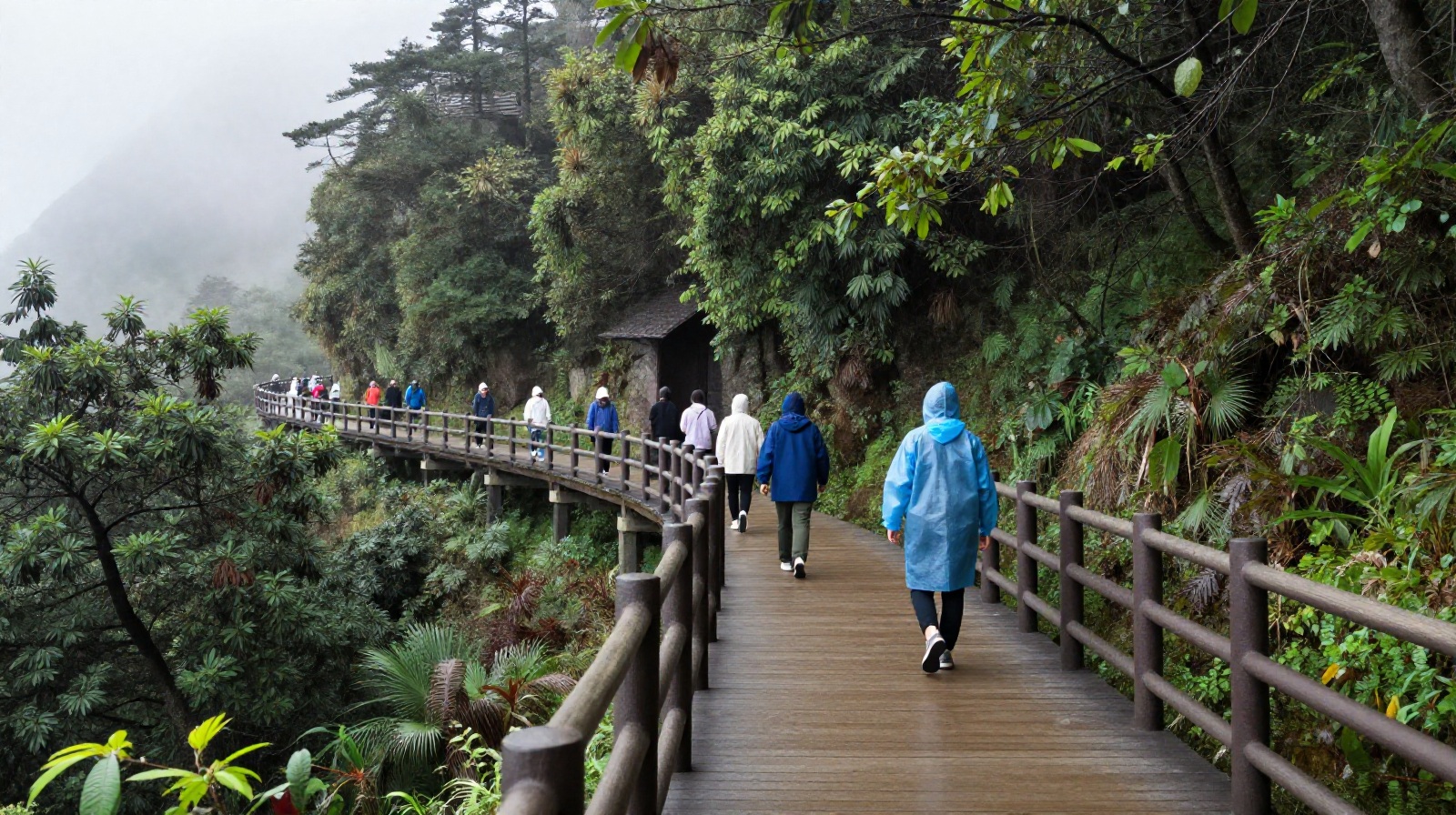
Early morning on Mount Fanjingshan, clouds drift below the jagged peaks. A tourist walking along the elevated wooden boardwalk suddenly freezes—a Guizhou golden monkey, with its striking lime-gold fur, leaps across the path before vanishing into the forest. Such an encounter is rare, but it captures the essence of this place: a living refuge for species found nowhere else on Earth.
Located in southwest China’s Guizhou Province, Fanjingshan (also spelled Fanjing Mountain) is the highest peak of the Wuling mountain range, rising to 2,570 meters. It is not an ordinary mountain. Isolated for millions of years, it has become an “ocean island” of biodiversity, home to an exceptional array of plants and animals. In 2018, UNESCO recognized this unique value by adding Fanjingshan to its World Heritage List. But the road to this honor was long and deliberate, involving both rigorous science and difficult policy choices.
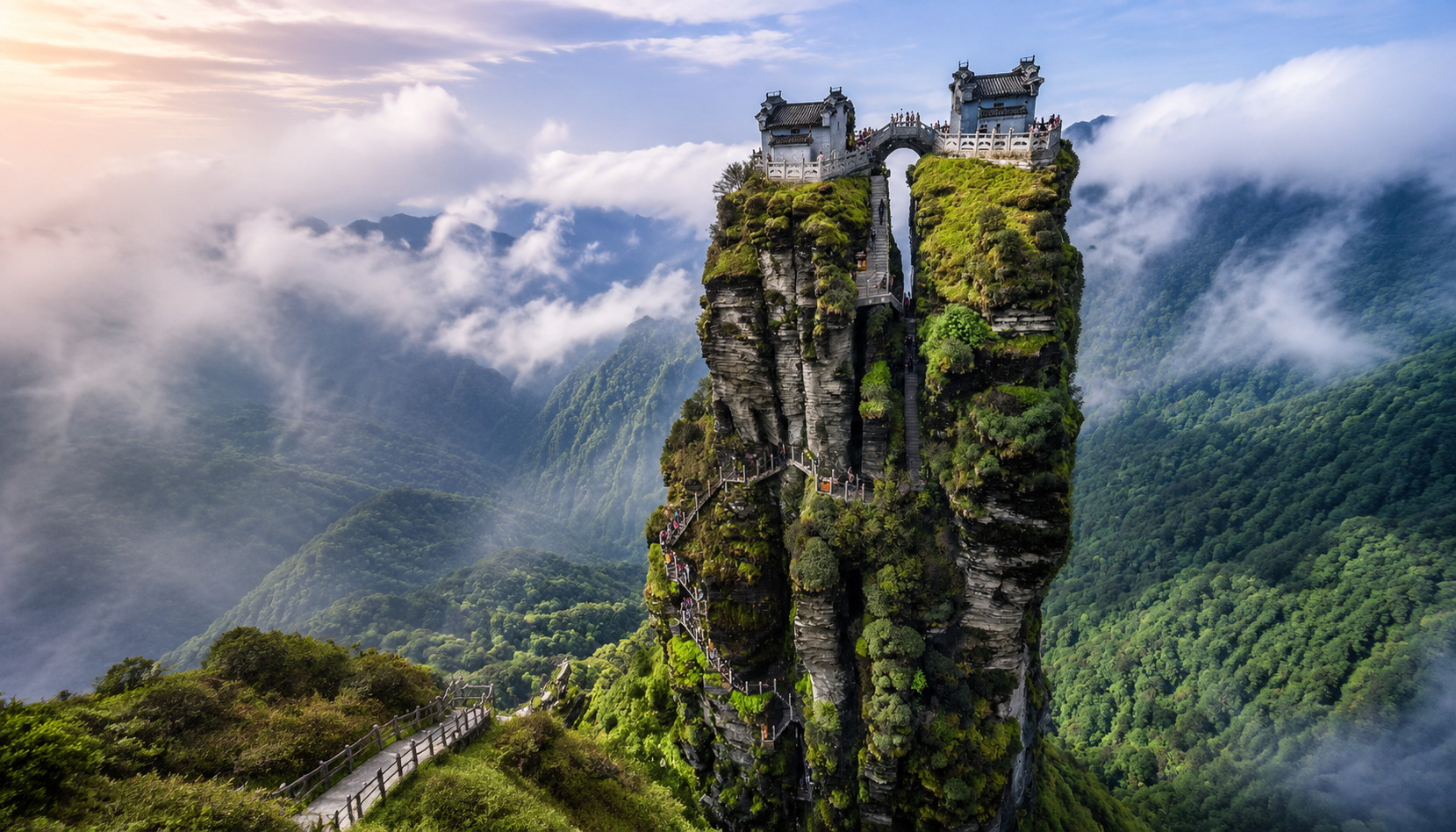
In Chinese, “Fanjing” means “pure land of Buddha,” and the mountain has been a sacred peak for centuries. Its tranquil beauty has drawn Buddhist monks and pilgrims long before it attracted global attention. This cultural heritage is intertwined with the natural one, adding another layer of significance.
A Beacon of Biodiversity
Fanjingshan’s claim to global significance rests on numbers that speak for themselves. The mountain hosts more than 4,300 species of plants and over 2,760 species of animals. Among them, the Guizhou golden monkey (Rhinopithecus brelichi) is one of the rarest primates in the world, with a population estimated at around 800 individuals, all living in this single mountain range.
Take the vegetation belts as an example. At low elevations, visitors walk through dense forest where Chinese yew and hemlock dominate. Higher up, the forest gives way to dwarf bamboo and rhododendron. Near the summit, on exposed rocks, mosses and crustose lichens cling to life in thin soils. Each belt hosts its own specialized flora, many of which are endemic to Fanjingshan.
Equally remarkable is Fanjingshan’s vertical vegetation belt, which creates distinct habitats over a relatively small area. This gradient supports an unusual mixture of species from subtropical and temperate regions, making the site a natural laboratory for studying climate and ecological evolution.
The stone forest, “mushroom rock,” and other eroded formations add a geological dimension. These ancient rocks help scientists trace the region’s long tectonic history. But for visitors, they create a surreal, otherworldly landscape that has inspired legends for centuries.
The Road to UNESCO
China began preparing Fanjingshan’s UNESCO nomination in earnest in 2013. The application required not just impressive biodiversity figures, but a credible conservation plan. The Chinese government agreed to designate a 72,675-hectare protection area, with a core zone of over 40,000 hectares where human activity is strictly limited.
One of the most challenging steps was relocating thousands of residents who had lived inside the proposed core zone for generations. The government provided compensation, new housing, and alternative livelihoods, such as jobs in eco-tourism or tree planting programs. By 2016, most of the area’s population had been moved out, and former farmland was reforested. These actions signaled to UNESCO that China was serious about protection, not just about winning the title.
Another crucial element was scientific research. The nomination file included detailed inventories of plant and animal species, ecological monitoring data, and a comparison with other heritage sites. It showed that Fanjingshan is an irreplaceable habitat for endemic species and that its ecosystem processes remain largely intact. UNESCO evaluators also praised the mountain’s “superb natural beauty with significant aesthetic importance.”
China’s broader push for ecological civilization—the idea that environmental protection and economic growth must move together—provided the political backdrop for this effort. Fanjingshan became a flagship project, demonstrating the country’s commitment to international conservation standards.
Protecting What Matters
Once the UNESCO status was granted in 2018, the pressure shifted to maintaining the site’s integrity under increasing tourist attention. Fanjingshan receives over 1 million visits per year, and daily visitor numbers are capped at around 8,000 during peak season. Tickets must be booked online in advance, and visitors are shuttled into the park via electric buses to reduce carbon emissions and traffic.
To prevent damage from foot traffic, the park has built elevated wooden boardwalks along major trails. These paths allow visitors to experience the forest without stepping on the fragile moss-covered ground. Waste is collected manually and carried out by porters, and plastic bottles are banned within the scenic area.
Local communities have been brought into the conservation scheme. Many former residents now work as rangers, guides, or hospitality staff. The park shares a portion of its ticket revenue with surrounding villages, creating a direct financial incentive to protect the mountains. As a result, deforestation and poaching, once serious problems, have declined dramatically.
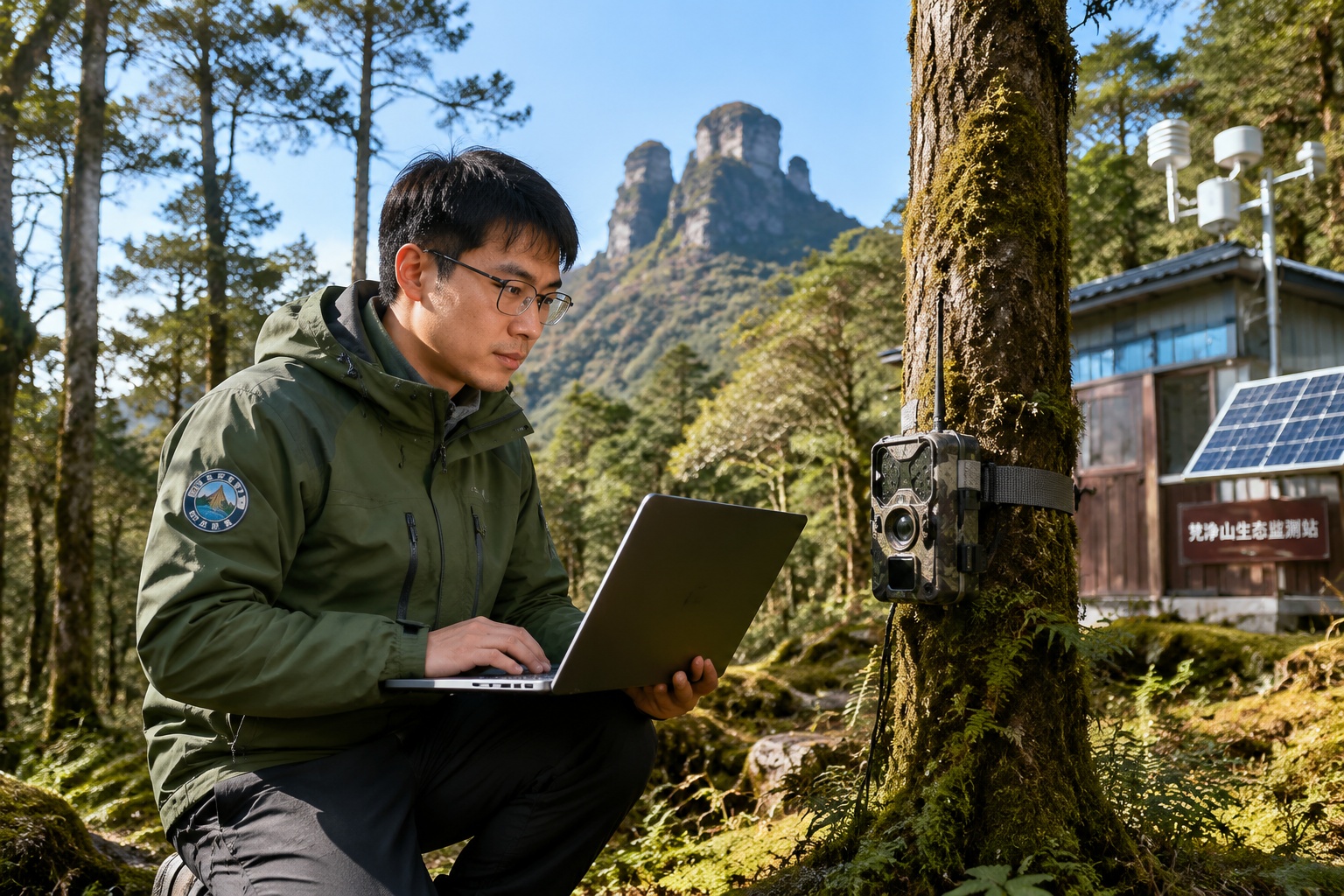
On-site monitoring is now carried out regularly. Camera traps have captured images of golden monkeys and other shy species. Researchers use drones to map vegetation change and track invasive species. Soil and water samples are analyzed in the park’s small laboratory. The data not only helps steward the mountain but also contributes to global research on montane ecosystems.
The Delicate Balance of Tourism
Fanjingshan’s challenge is shared by many World Heritage sites: how to let people enjoy a place without loving it to death. The park’s management adopts a “core protection, periphery development” strategy. Strictly protected zones are off-limits to visitors, while all tourist facilities—hotels, restaurants, cable car stations—are located outside the core area. Even the cable car stops well below the summit, leaving the final stretch to be climbed on foot.
Time limits are another tool. Visitors are given a maximum of four to five hours in the park, which controls footfall but also forces a hurried experience. Some conservationists argue this is necessary; others say it reduces the chance for meaningful connection with nature. The park is experimenting with night patrols to prevent illegal entry and with sensor-based monitoring systems that alert rangers to human movement in restricted zones.
Visitors often describe the experience as a pilgrimage. The cable car ride offers sweeping views of layered ranges, but the true challenge begins at the base of the summit climb, a steep stairway of nearly 8,000 steps. On clear days, the panorama is breathtaking; on misty days, the mountain becomes a silent world of pale green shadows. By controlling the pace, the park makes visitors more aware of each step, each breath, and the natural world around them.
The COVID-19 pandemic temporarily reduced visitor numbers, but the rebound has been strong. In 2023, bookings returned to near pre-pandemic levels, and park managers were forced to tighten daily quotas again. This seesaw between accessibility and preservation is ongoing, and there is no permanent solution.
Lessons for the World
Fanjingshan offers several lessons for protected areas globally. First, scientific credibility matters. The UNESCO bid succeeded because it was built on solid evidence and a transparent process. Second, community involvement cannot be an afterthought. Without the buy-in of local people, protection efforts are likely to fail. Third, tourism management must be flexible and adaptive, using tools like visitor caps, timed entry, and designated pathways.
At the same time, Fanjingshan shows the limits of such measures. Despite strict controls, climate change is already altering the mountain’s ecosystems. Warmer temperatures are pushing certain plant species upward, and some scientists worry that the golden monkey’s habitat may shrink. The mountain is a test case for conservation in a rapidly changing world.
Conclusion
Fanjingshan’s journey to UNESCO status was not merely a bureaucratic achievement. It represents a shift in how China confronts the tension between economic development and ecological value. The mountain is now a symbol of what is possible—and how fragile that success remains. For every tourist who stands on its summit, the hope is that they leave with not just a photo, but a deeper understanding of the intricate balance that sustains such places.
As China continues to open up its national parks and heritage sites, the world will be watching. Will Fanjingshan serve as a model of sustainable tourism, or will the pressures of popularity overpower the very wonders that attract people? The answer depends on the continuous, science-based management that has brought the mountain this far.
Start the discussion at forum.chinacomes.com