
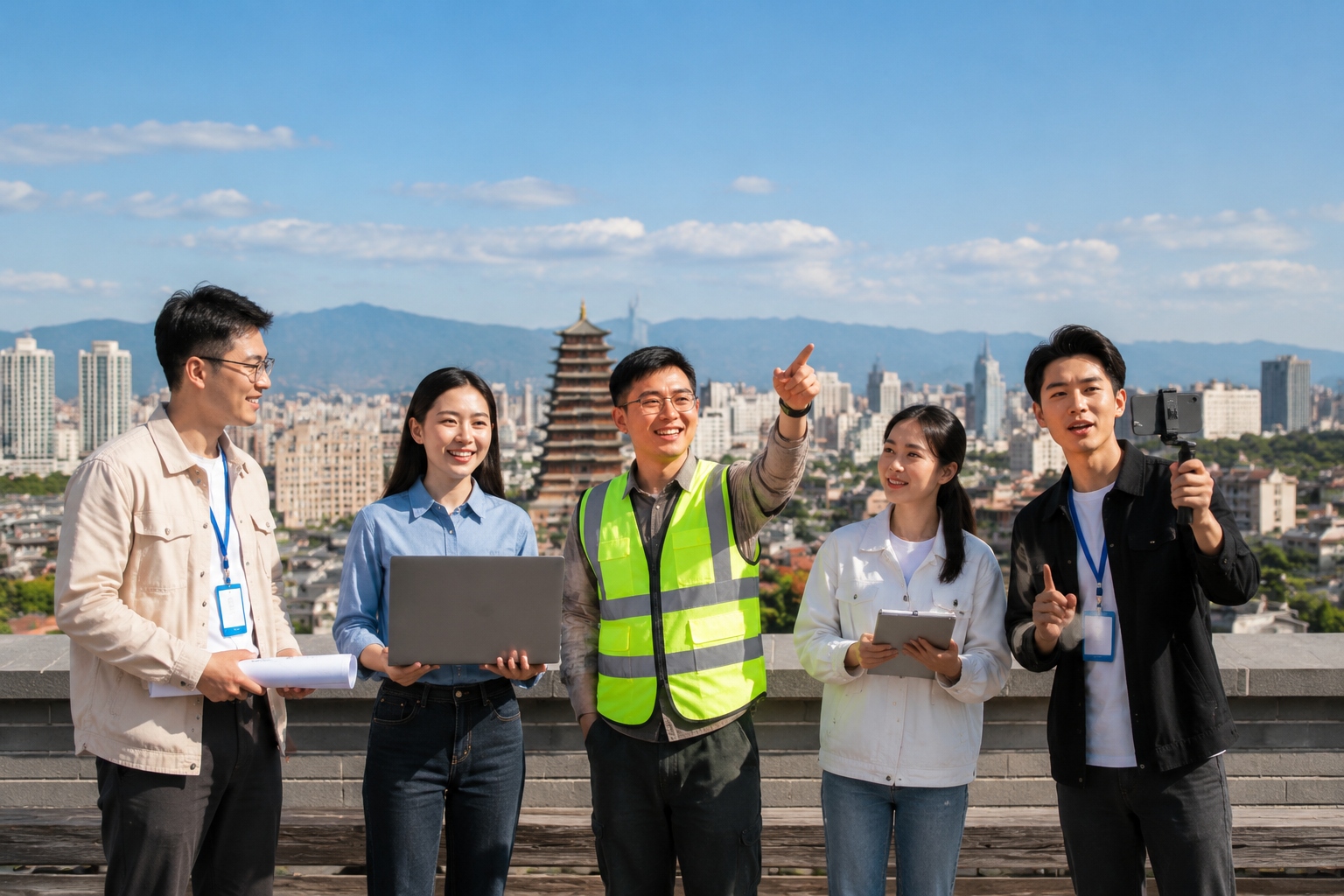

Introduction: Coffee, Not Coal
I’m sitting in a small coffee shop in Taiyuan, the capital of Shanxi province, on a rainy Tuesday afternoon. The barista, a 26-year-old named Liu Yang, is telling me how she ended up here. “My grandfather worked in a coal mine. My father ran a trucking business that carried coal. I roast coffee beans,” she says, laughing. It’s a line that could sum up the province’s massive shift in one sentence.
Shanxi, a landlocked province in northern China, was long known as the country’s coal basket. For decades, mining made millionaires known as “coal tycoons” who bought luxury cars and London apartments. But the industry has been shrinking — coal reserves are depleting, and Beijing’s push for cleaner energy has forced a reckoning. So what are young people in Shanxi doing now? I spent two weeks meeting them to find out.

A Quick Look Back: The Coal Boom and Its Hangover
You can’t talk about Shanxi’s present without understanding its recent past. In the early 2000s, China’s factories were hungry for energy, and coal prices soared. Shanxi had plenty of coal, often close to the surface, making extraction cheap. Private mine owners — the “coal tycoons” — made fortunes in a few years. They threw money around in cities like Datong, Yangquan, and Changzhi, building fancy houses and funding flashy weddings.
But the party didn’t last. Starting in the 2010s, the central government tightened safety rules, closed thousands of illegal mines, and cracked down on pollution. Coal prices fluctuated, and many mines were nationalized or shut down entirely. By the mid-2010s, a generation of young people watched their parents’ factories and mines either transform or collapse. The question “What will you do for a living?” suddenly had no easy answer.
So, What Do Young People Actually Do Now?
Ask around Taiyuan or any medium-sized city in Shanxi, and you’ll hear a surprising range of answers. Some have followed the familiar path of migrating to Beijing or the south for work. But many have stayed, building careers that didn’t exist in their parents’ generation. I also met a drone operator for agricultural surveys, a teacher at a vocational school, and a designer making paper-cut art. The old image of Shanxi as a one-industry town is fading, though reality is mixed. Here are four stories that stood out to me.
“I Build Solar Panels Where There Used to Be Coal Mines”
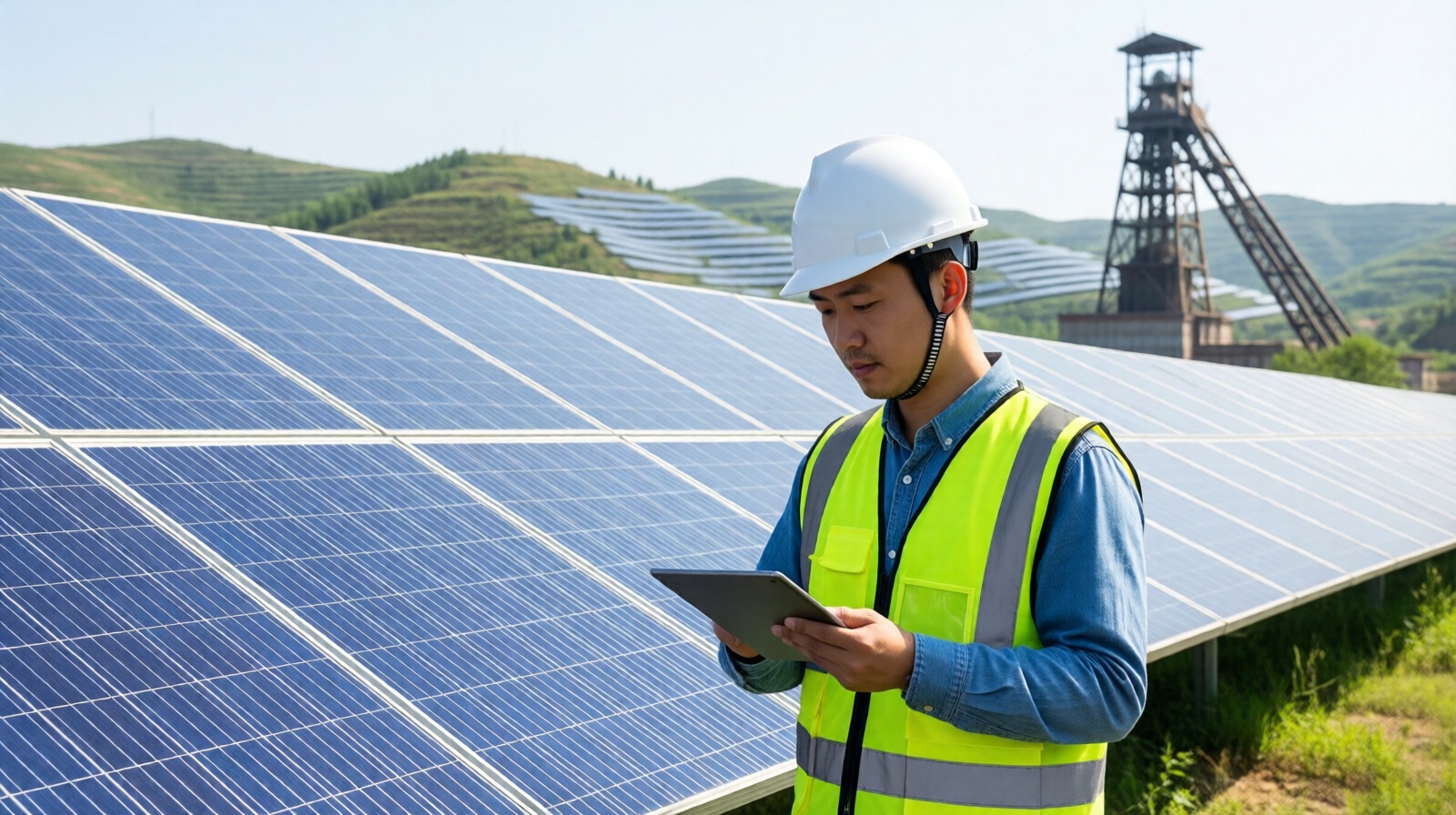
Wang Jun, 31, is an electrical engineer at a solar farm near Yangquan, a city that was once a major coal hub. We talk on a video call; behind him, rows of blue panels stretch across a hillside that used to hold a strip mine. “My first job was actually at a coal-fired power plant,” Wang says. “But when they started closing the small mines, I saw the writing on the wall. I went back to school to study renewable energy.” Shanxi has become an unlikely leader in solar and wind power. The province’s harsh, sunny weather and its existing power grid make it a natural fit for renewables. Wang’s solar farm now powers about 50,000 homes. “It’s not as dramatic as digging out coal, but it’s clean and it’s stable,” he says. He earns a comfortable salary, though less than what a mine manager could make at the peak. “That’s fine. I get to see the sky turn blue every day.”
“I Sell Millet and Vinegar on Livestream”
In the city of Jinzhong, I meet 28-year-old Zhao Min at her small warehouse. Phones ring with notification sounds while she shows me boxes of local specialty grains, dried dates, and aged vinegar. Zhao used to work in sales at an insurance company in Taiyuan. After being furloughed during the pandemic, she moved back to her hometown and started a livestream e-commerce channel on a popular Chinese app. “I started with a few bags of millet from my uncle’s farm. I just talked to the camera about how to cook it,” she laughs. Two years later, she has about 200,000 followers and sells products from more than a dozen villages. Her team is all under 35. “Livestreaming changed everything. We don’t need to rely on middlemen anymore. We can sell directly to people in Shanghai or Guangzhou.” Zhao says she earns roughly the same as her old office job, but with more freedom. “And I’m helping my hometown stay alive. That feels good.”

“I’m Bringing Tourists to Ancient Courtyards”
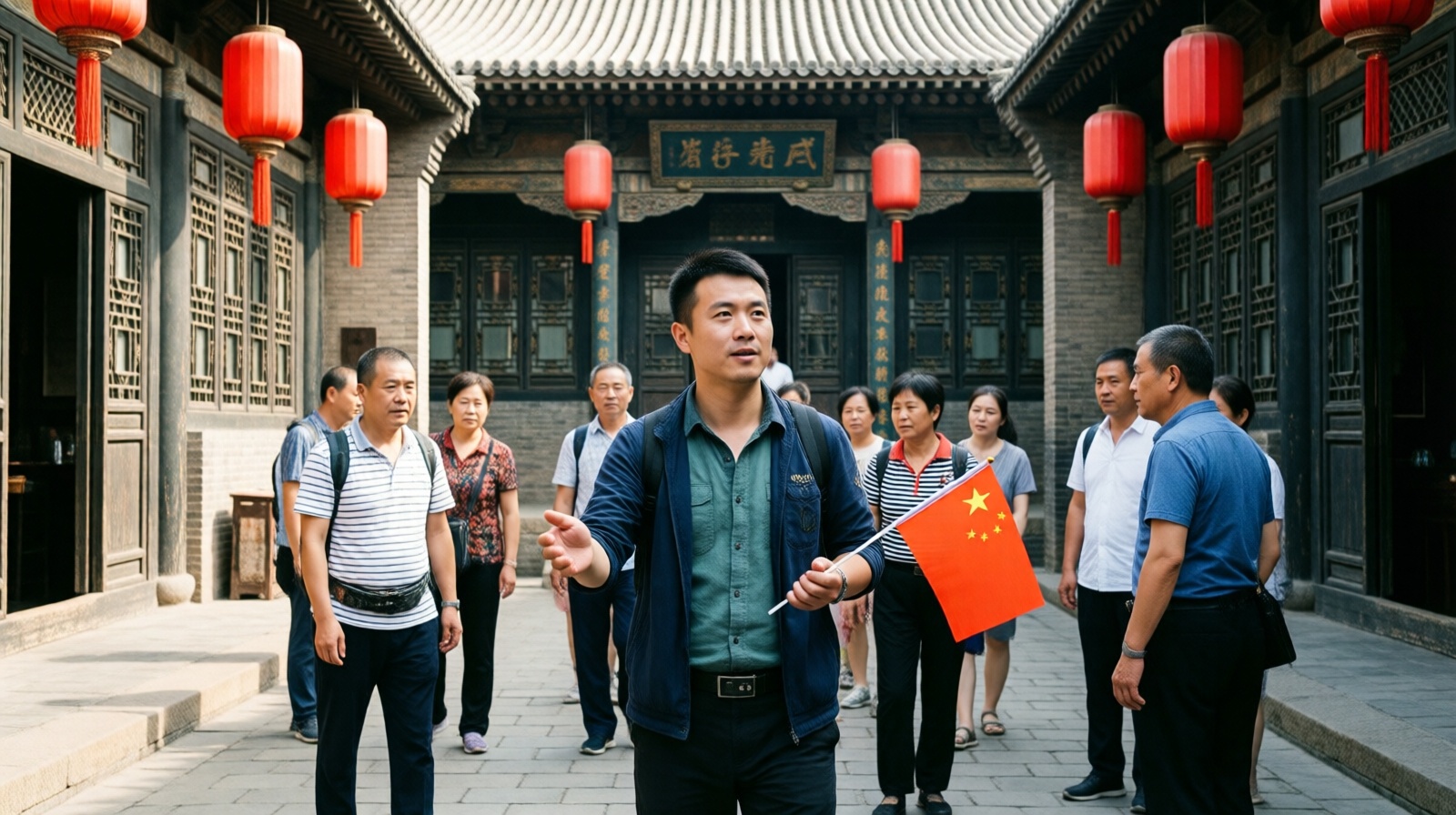
Pingyao, a UNESCO World Heritage site, is a tourist magnet with its Ming-Qing dynasty walls and streets. But a few years ago, much of the shine had worn off, and visitor numbers dropped. That’s where 34-year-old Chen Wei found an opportunity. Chen grew up in a small village near Pingyao, where his family owned a traditional compound. After a few years working in Beijing’s travel industry, he returned to launch a boutique tourism company. “I don’t focus on the big attractions. I take visitors to family-run workshops where they can try making paper-cuts, learn how to bake the local lantern-shaped cakes, or walk through restored courtyard homes,” he says. His team of eight includes a mix of local guides and designers. The hard part, Chen admits, is changing people’s image of Shanxi. “When foreigners hear ‘Shanxi,’ they think coal and dust. I want them to see ancient walls, temple murals, and quiet village life.” His business is still small, but it grew 30% last year as domestic tourists flocked back to historical sites. Chen’s next project is a heritage-themed walking app for English-speaking visitors.
“I Code in a City That Once Smelled of Sulfur”
Taiyuan has pushed hard to attract tech companies. Some of China’s major cloud and data centers have been built in Shanxi because of its dry climate, cool temperatures, and cheap electricity. That’s created a niche for young software engineers like 27-year-old Li Na. “I grew up in Datong, where the air often smelled like smoke. My parents were both factory workers,” she tells me. “I studied computer science in Xi’an, but came back when I heard that a data center was opening near my hometown.” Li now works remotely for a Beijing-based startup, programming backend systems for AI training. “The internet is fast here, and the rent is one-third of Beijing’s. I save a lot of money.” She jokes that she’s part of a new Chinese tradition: the “escape from Beijing” crowd. But she’s also committed to staying. “I want to prove that you don’t have to live in a megacity to have a good career.”

The Challenges Nobody Mentions
Read these stories and you might think everything is rosy. It’s not. The transition from coal has been painful. A few young people I spoke with said they felt pressure from parents to take “stable” jobs at state-owned enterprises, even if they pay poorly. Some have had to learn entirely new skills, like Wang the engineer, who spent three years studying at night after work. Cheng Yu, a 25-year-old who works at a logistics company, told me he was unhappy but afraid to switch. “My parents don’t understand why I’d leave a job with social insurance to do something risky.” But his story is also common. For every successful young entrepreneur, there are many more working long hours in warehouses or on construction sites. A 2024 report from a regional research institute found that about 40% of Shanxi’s younger workforce is employed in traditional manufacturing or construction, often under tough conditions.
What This Means for Shanxi’s Future
Still, there is a sense of movement. Little by little, Shanxi is diversifying. The government has been investing in “low-carbon” industries, and local universities are adding courses in green energy and digital media. Perhaps more importantly, the young people I met see themselves as pioneers, not victims. They’re building businesses, learning new trades, and reshaping what their home province looks like. The transition won’t be complete in one generation. But if the people I met are any sign, the next one will be more diverse, more tech-savvy, and maybe a little more hopeful. As Liu Yang, the barista, put it: “We have this joke: ‘The coal tycoons had black hands and huge houses. We have clean hands and small shops.’ I think our generation is okay with that.” She turns to serve another customer. The rain has stopped outside, and a patch of sunlight hits the coffee counter. It feels like a fitting image for a place in transition.
Start the discussion at forum.chinacomes.com