

The Resale Floor in Shanghai
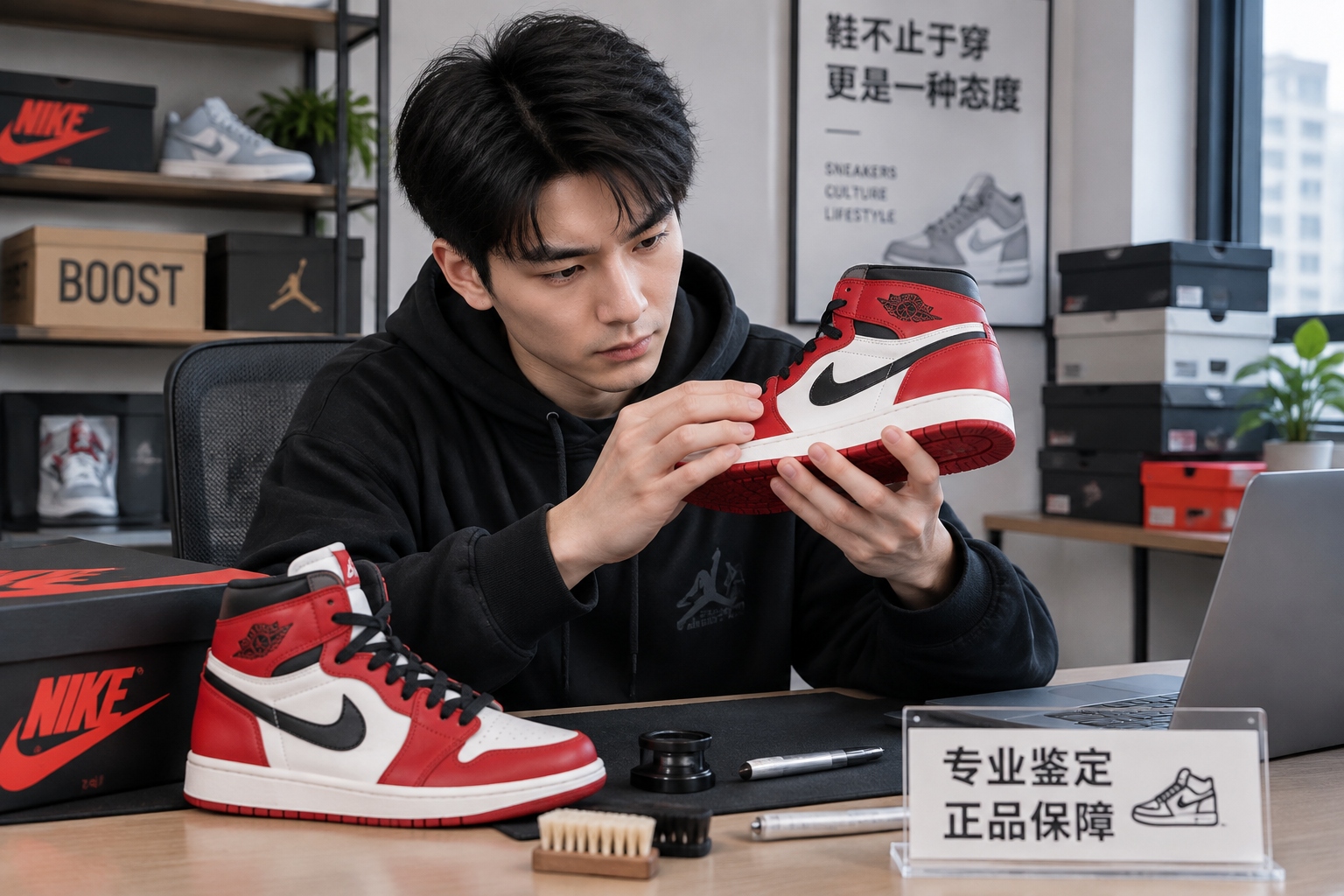
In a cramped, windowless office in Shanghai’s Jing’an district, 24-year-old Lin Wei sits surrounded by cardboard boxes. He is not packing goods for export; he is checking the authenticity of limited-edition sneakers. On his desk lies a pair of red and white high-tops, featuring intricate dragon embroidery and Chinese calligraphy. In Western sneaker culture, this might be compared to a rare Nike Jordan collaboration. But these are made by Anta, a domestic Chinese brand.
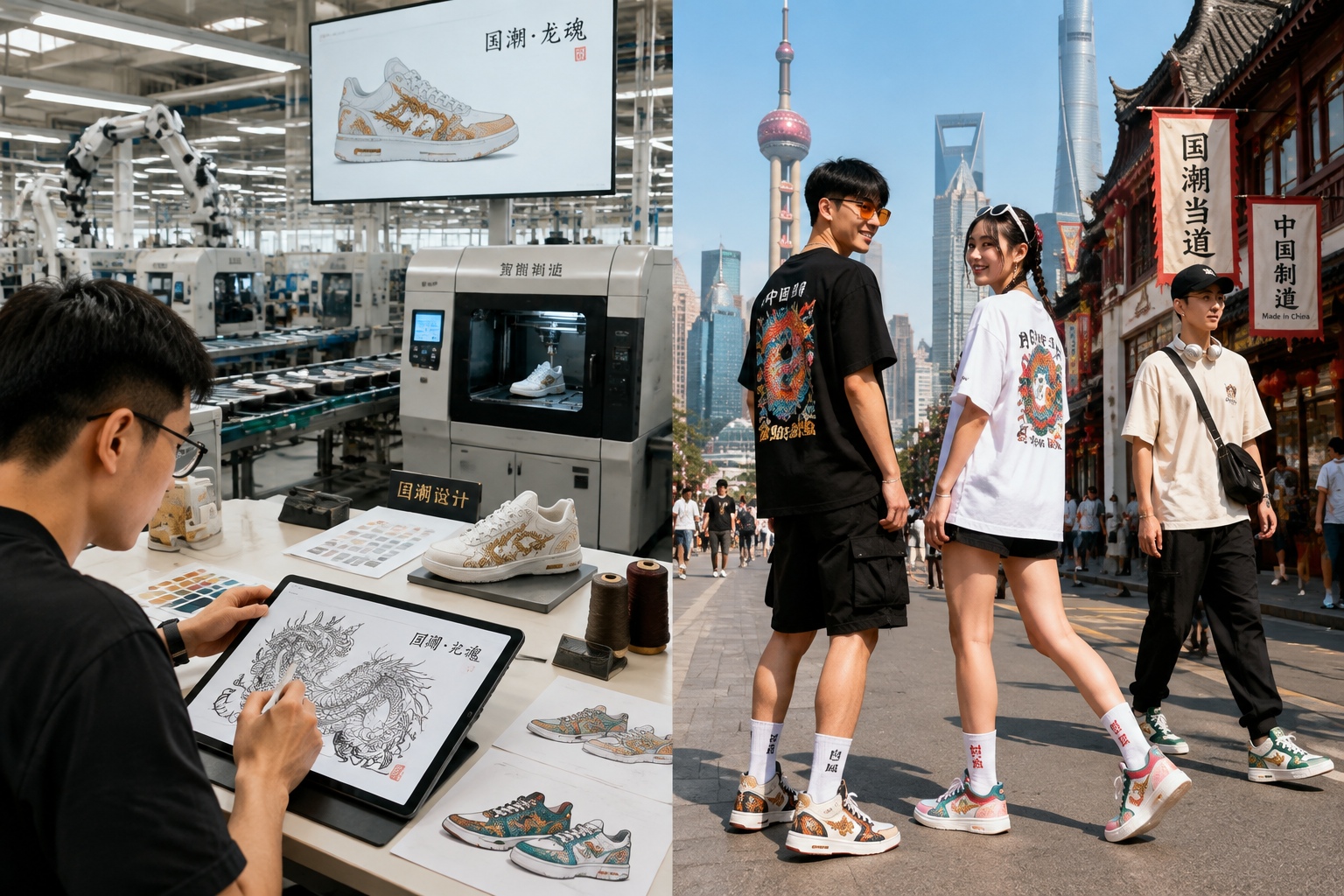
Five years ago, buying sneakers in China was simple: buy what you saw on athletes’ feet or stick to established international names like Adidas and Nike. Today, the landscape has shifted dramatically. A growing cohort of Chinese Gen Z consumers is turning away from purely Western designs, seeking shoes that reflect their own cultural identity. This phenomenon, known as “Guochao” (National Trend), has turned ordinary athletic footwear into collector’s items.
Deconstructing the Design
To understand why these sneakers command premium prices, one must look beyond the logo. Take the “Dragon Year” edition popular in 2024. Unlike previous iterations of Chinese sportswear that merely slapped a panda or a lantern onto a generic silhouette, modern Guochao designs are deeply integrated with cultural motifs.
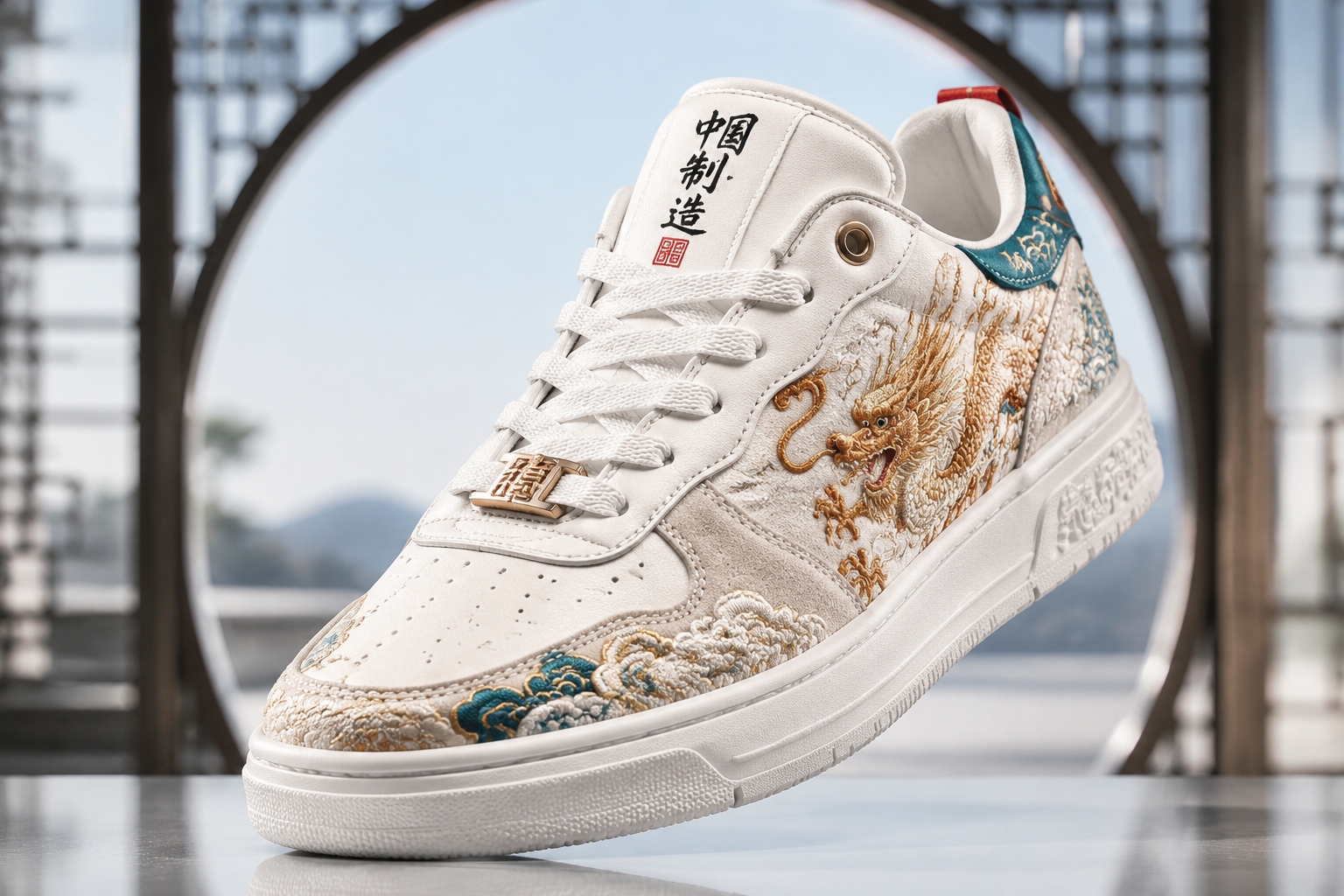
The upper is often constructed using traditional weaving techniques reminiscent of ancient textiles, but engineered with modern breathable mesh. The color palette shifts away from the standard black-and-white neutrality, opting for vibrant reds, imperial yellows, and jade greens—colors deeply embedded in Chinese history. Even the laces and tongue tags are designed to resemble elements of traditional clothing or seal scripts.
This level of detail is not accidental. It represents a strategic pivot by domestic brands like Anta, Li-Ning, and Xtep. They realized that competing with Nike on pure performance metrics was a losing battle against giants with decades of R&D budgets. Instead, they competed on culture. By embedding stories of Chinese mythology, history, and craftsmanship into the product, they created an emotional connection that international brands struggled to replicate.
From “Copycat” to Cultural Icon
The stigma of being a “copycat” has haunted Chinese manufacturing for decades. In the 1990s and early 2000s, Chinese factories were often accused of replicating Western designs without adding value. Guochao is the antithesis of this old model.
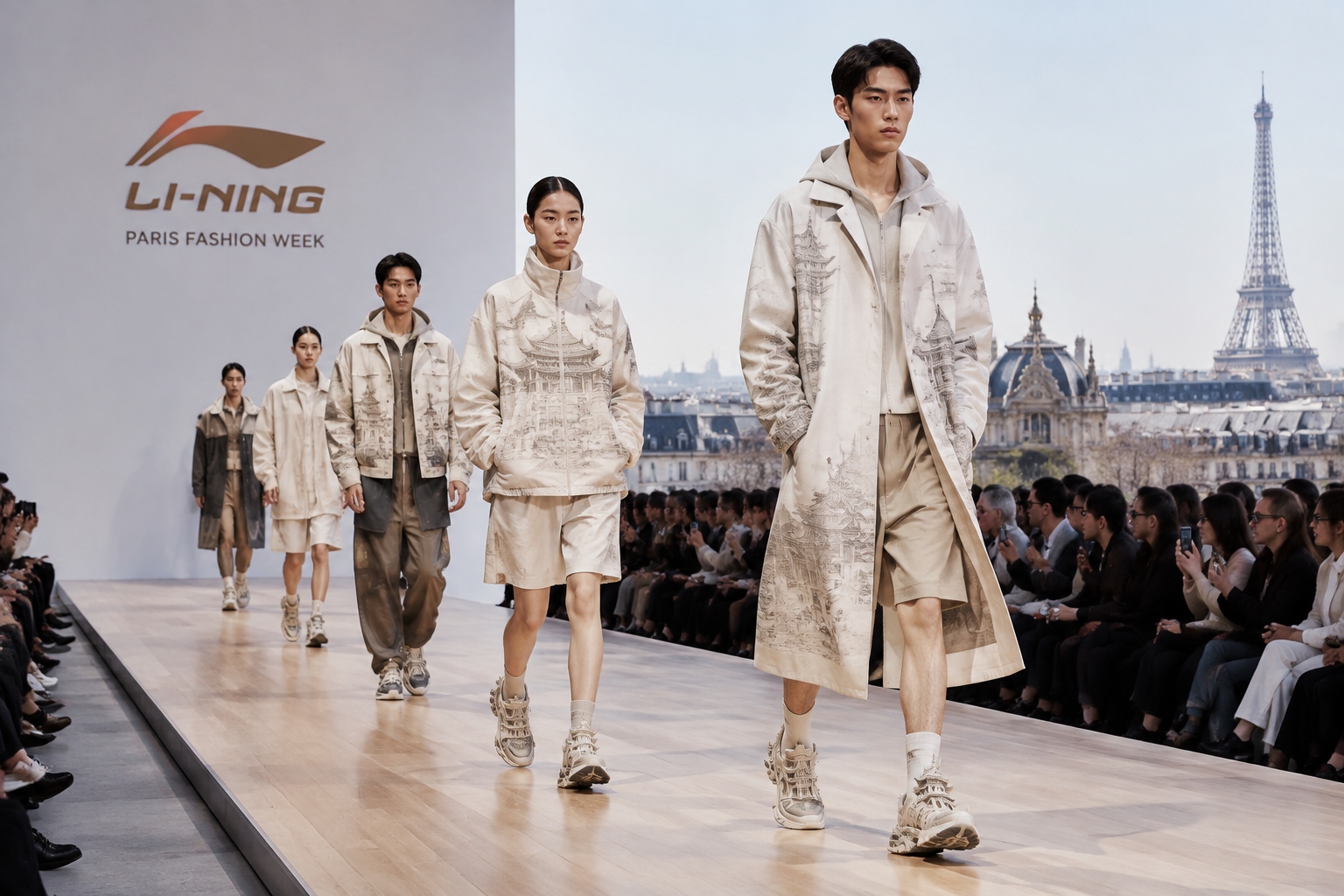
Consider the collaboration between Li-Ning and top-tier fashion designers for Paris Fashion Week. The debut collection featured chunky silhouettes inspired by traditional Chinese architecture and calligraphy strokes. It was not a cheap knock-off; it was a high-fashion statement that forced global critics to acknowledge Chinese design capability. This shift from manufacturing hub to creative source has been gradual but profound.
The difference between Guochao and standard athletic wear is cultural empowerment. When a teenager in Chengdu buys these shoes, they are not just buying shock absorption for their basketball game; they are signaling alignment with a modern, confident Chinese identity. The shoe becomes a badge of belonging to a generation that no longer looks westward for validation.
The Hype Machine and the “Hard Currency”
If design is the seed, hype is the soil. In China’s digital ecosystem, sneaker releases are orchestrated with military precision. Brands use WeChat mini-programs, live-streaming events, and lottery systems to create scarcity. A pair of sneakers might drop in a flash sale lasting only seconds, driving up demand instantly.
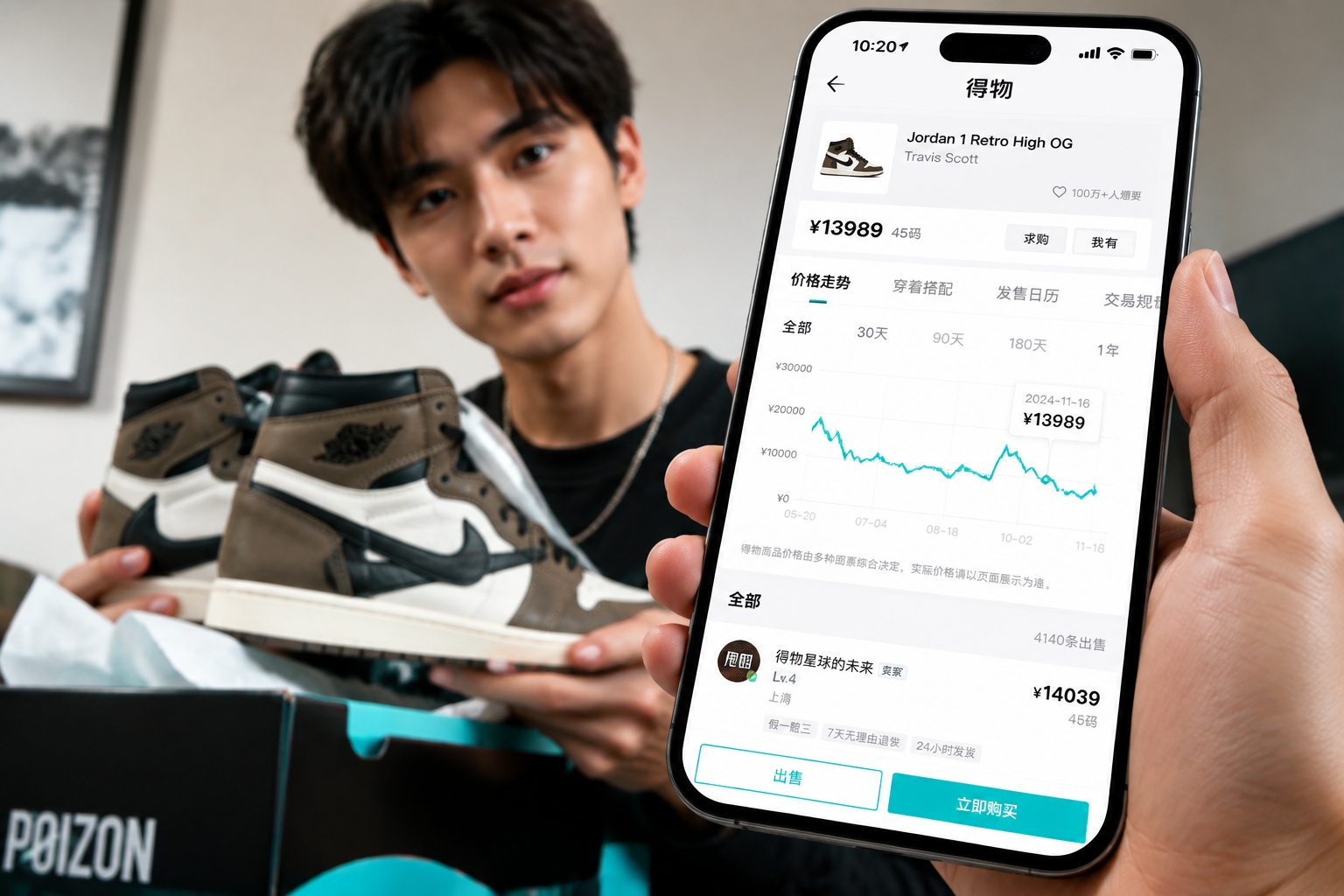
This artificial scarcity fuels a massive secondary market. Platforms like Poizon (Dewu) have become the go-to marketplace for authenticating and trading these shoes. Unlike traditional stock markets, this arena is driven by social media trends and influencer endorsements. A pair of sneakers that retails for 800 yuan ($110) can easily resell for 2,000 yuan ($275) or more if deemed “rare.”
For young consumers, these shoes have become a form of “hard currency”—a tangible asset that holds value. Lin Wei, the authenticator in Shanghai, notes that many collectors treat their shoe boxes like investment portfolios. They track price fluctuations as closely as tech stocks. This behavior mirrors the sneaker culture in New York or London, but with a distinctly Chinese flavor: the items being traded are rooted in local narratives rather than American basketball lore.
Looking Ahead
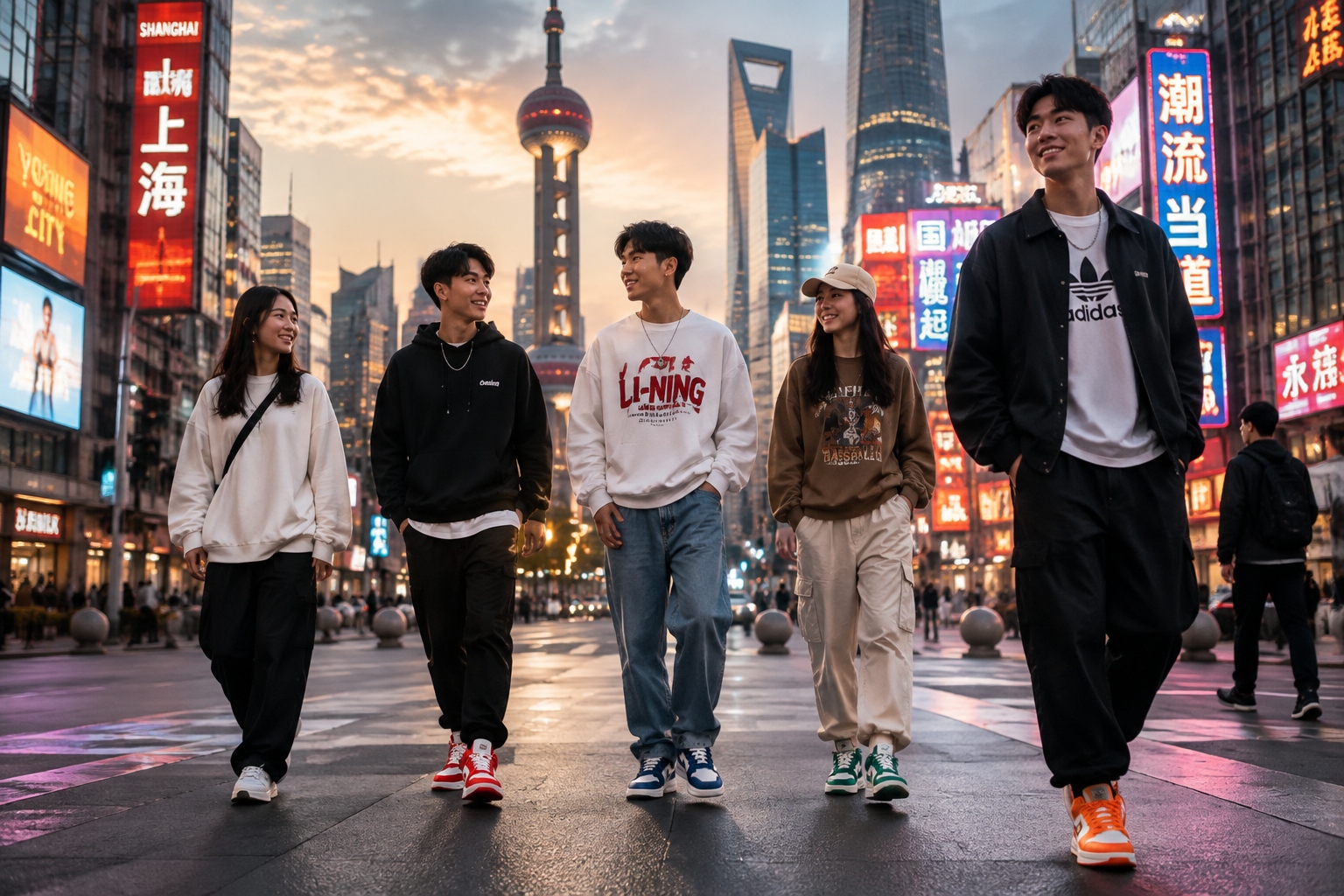
The rise of Guochao sneakers is more than a fashion fad; it is a symptom of China’s broader economic and cultural maturation. As domestic brands improve their technology and supply chains, they are shedding the label of “budget option” entirely. They are now competing on innovation, sustainability, and design originality.
However, challenges remain. The line between genuine cultural expression and marketing gimmickry can be thin. Some brands release “Guochao” products simply to ride the wave of nationalism without investing in real design talent. Additionally, the intense hype cycles can lead to irrational consumer spending.
Yet, the trajectory is clear. Chinese consumers are no longer satisfied with merely wearing global brands; they want to wear their own stories. For international competitors, ignoring this shift means missing out on the most dynamic segment of the world’s largest consumer market. The sneaker on Lin Wei’s desk is not just a shoe; it is a mirror reflecting China’s desire to define its own aesthetic future.
Start the discussion at forum.chinacomes.com