

The Harvest That Feeds a Nation
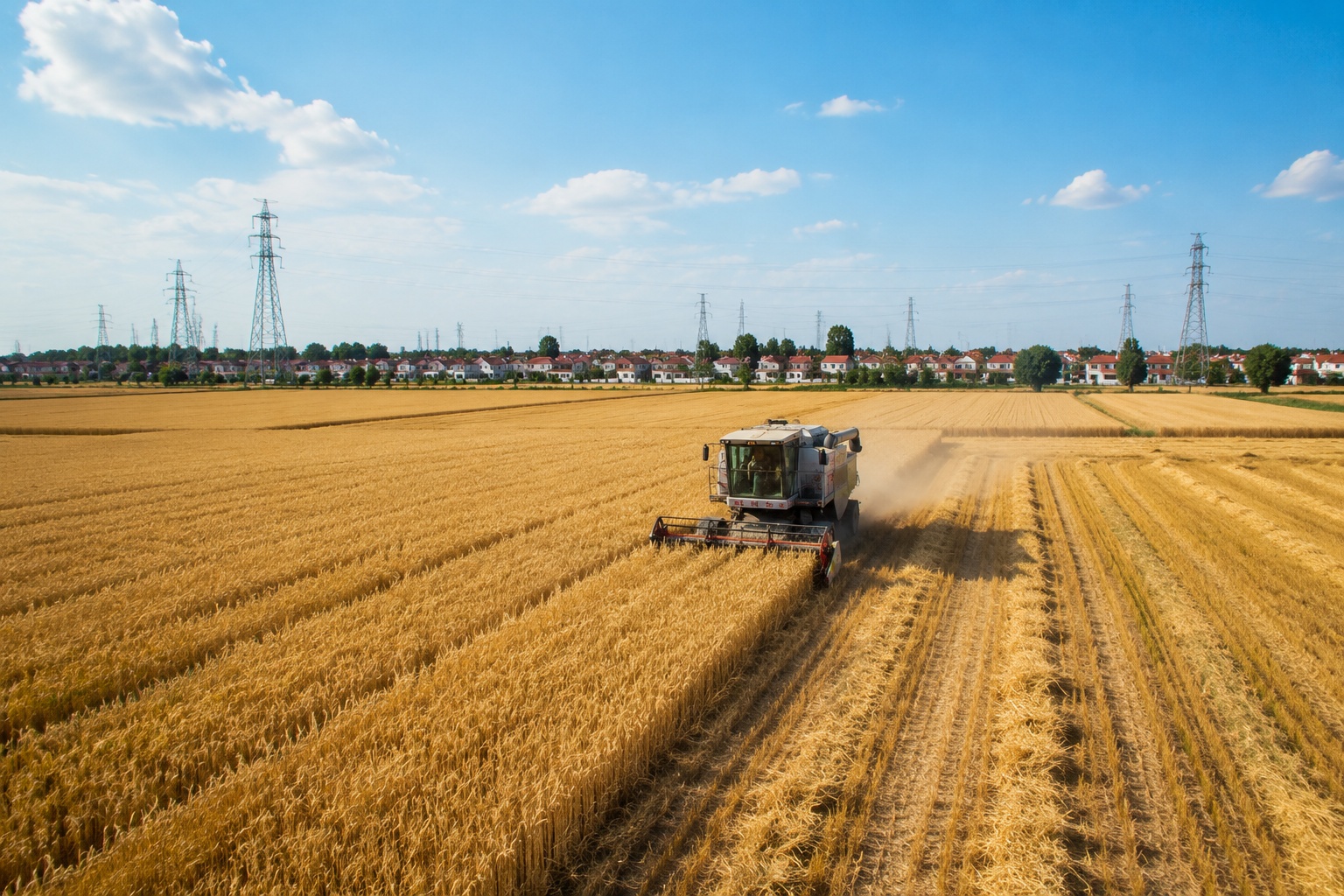
In early June, the plains of central Henan turn gold. Combine harvesters roll through fields that stretch so far they seem to meet the sky. In a village near Zhoukou, a farmer named Li Guanglin watches his wheat get threshed, scoops up a handful of grain, and lets it fall through his fingers. “Good year,” he says. “Plump kernels.”
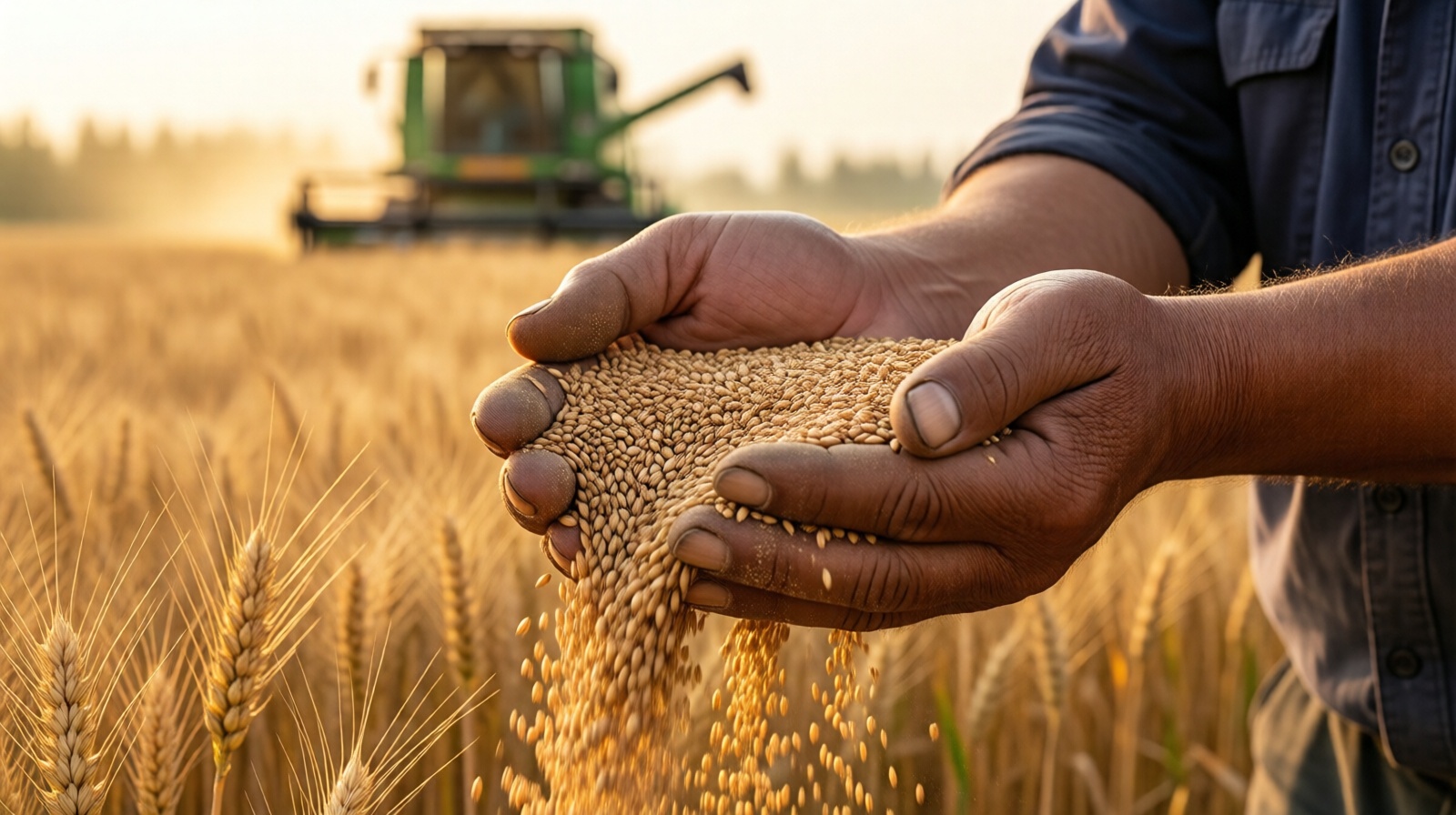
That scene repeats across Henan every summer. And the numbers behind it are staggering. Henan produces about 38 million tonnes of wheat a year — roughly one-quarter of China’s total. To put that in perspective, Canada, one of the world’s largest wheat exporters, harvests around 35 million tonnes in a good year. Ukraine, often called Europe’s breadbasket, usually produces less than 25 million tonnes. One Chinese province out-wheats both.
Why Henan, Not Somewhere Else
Henan’s dominance starts with geography. The province sits in the middle of the North China Plain, an expanse of flat, deep, fertile soil that has been farmed for millennia. The Yellow River and its tributaries run through it, bringing water and silt. The climate is temperate, with cold, dry winters and hot, rainy summers — exactly what winter wheat needs.
But geography alone doesn’t explain the gap. Many other Chinese provinces share similar conditions. What sets Henan apart is a combination of investment, technology, and organization that has made every hectare count.
Irrigation: Turning Dry Plains into Reliable Fields
Wheat needs water, but Henan’s average rainfall is unpredictable. So the province has built an irrigation network that now covers about 80% of its cropland. Canals, wells, and pumping stations are managed by village cooperatives. In a dry spring, water flows to the roots; in a wet one, drainage ditches protect the crop. This infrastructure means Henan’s harvest doesn’t swing as wildly as in regions that depend on rain alone.
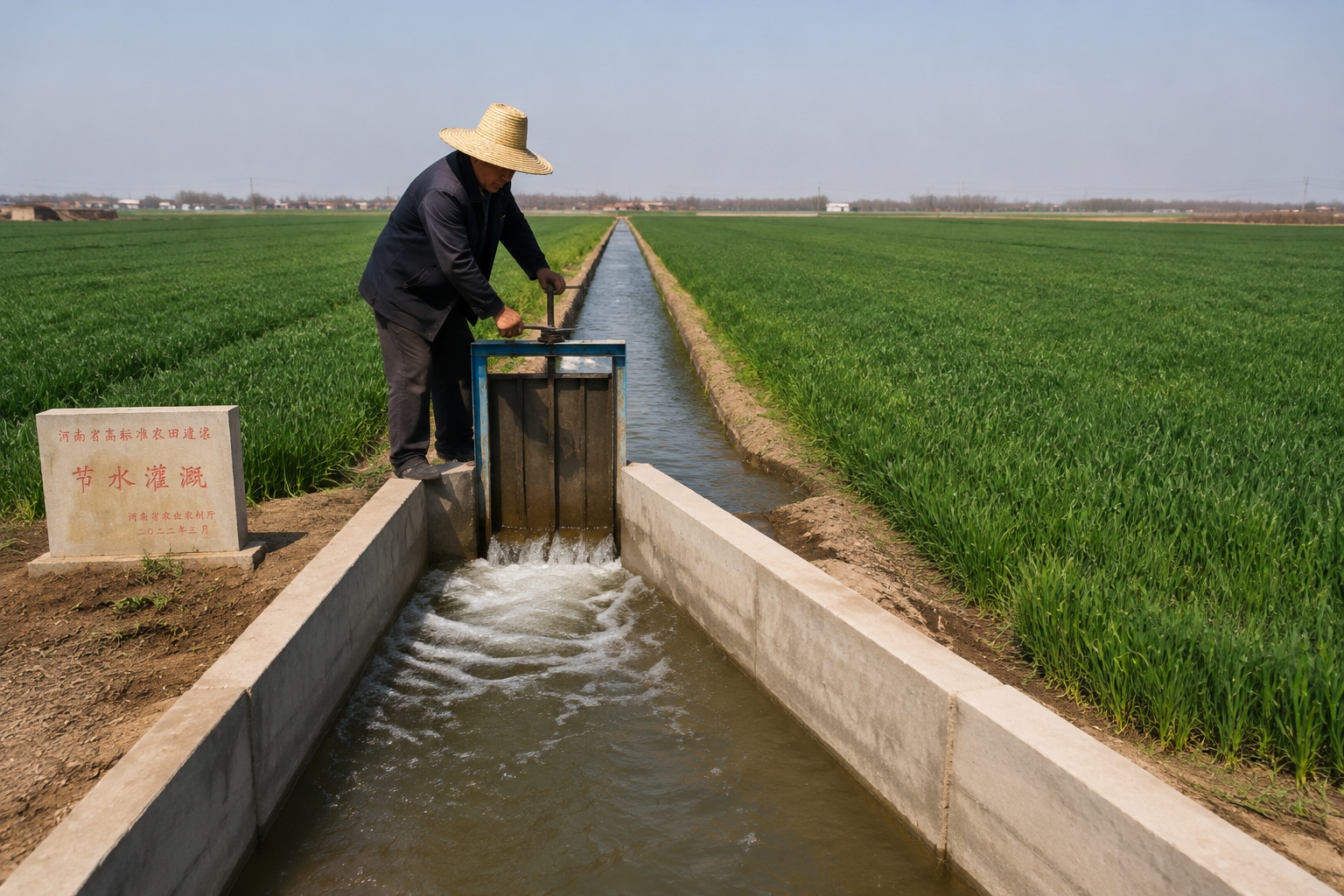
Farmers also use water-saving techniques like straw mulching and drip irrigation. “We used to flood the fields,” says Wang Yaping, a farm manager in Xuchang. “Now we use just enough. Every drop counts.”
Seeds: The Quiet Revolution
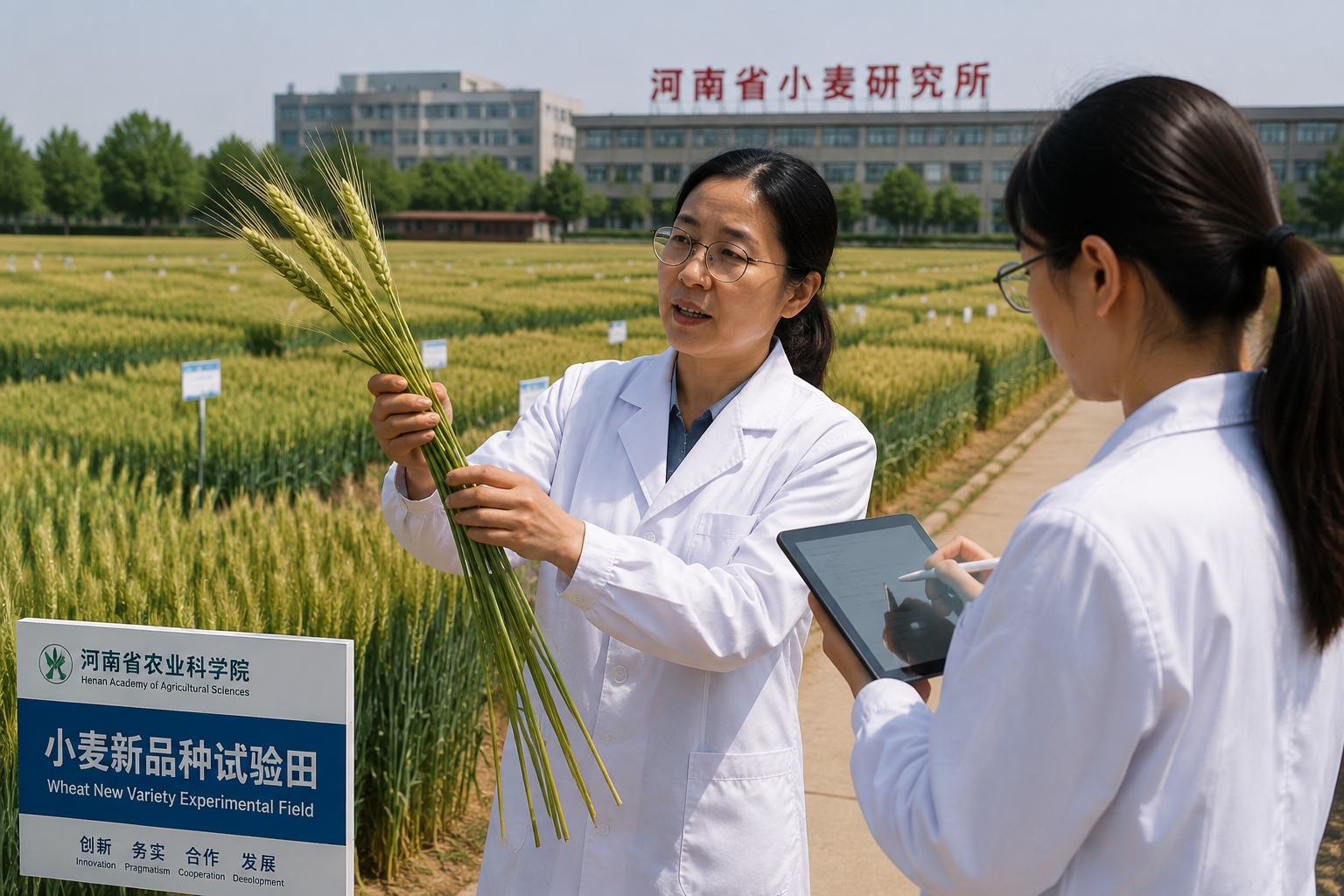
Henan’s wheat yields have risen steadily because of better varieties. Chinese breeders have developed thousands of commercial wheat strains, and Henan is home to some of the country’s top research institutes. New varieties resist diseases like rust and tolerate drought, heat, and even the severe cold snaps that occasionally hit the province.
The result: average yields jumped from about 300 kg per mu (one-sixth of an acre) in the 1980s to over 430 kg per mu today. That is a 40% gain, achieved without expanding farmland.
Mechanization: From Oxen to Big Rigs
If you visit Henan in harvest season, you’ll see thousands of combines moving north like a wave. They are part of a national fleet of harvesting machines that travel from southern China to the north following the ripening grain. In Henan, the rate of mechanized wheat harvesting exceeds 95%.
But mechanization isn’t just about harvest. Many farmers now use GPS-guided tractors for sowing and fertilizing. Drones spray pesticides over fields that once took hours to treat by hand. “My grandfather used a scythe,” says Li. “I use my phone.”
The Policy Engine
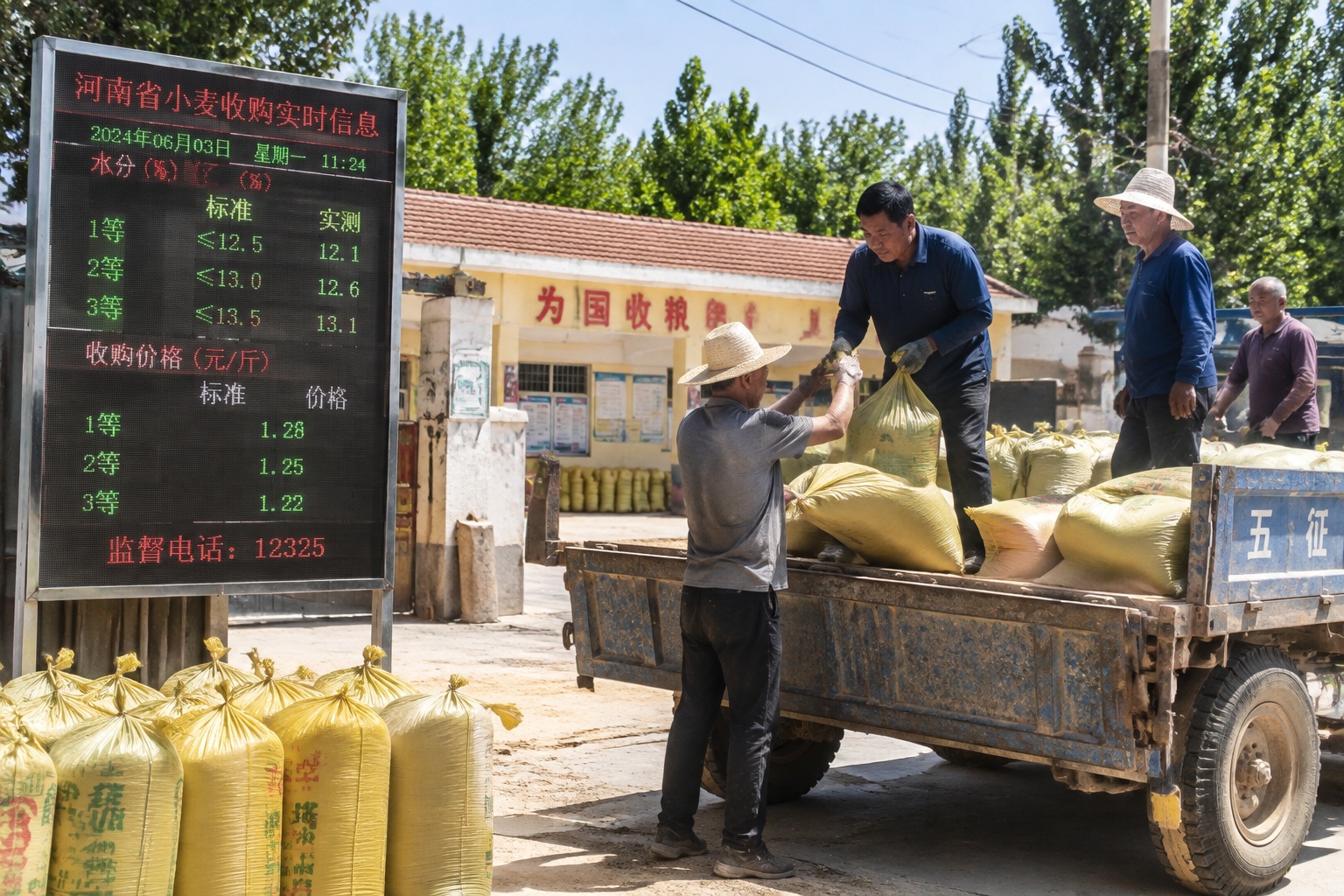
Wheat is not just any crop in China; it is a strategic one. The government has set a minimum purchase price for wheat, which means farmers know they can always sell to state-owned warehouses at a guaranteed price. This safety net encourages planting even in years when market prices dip.
Since 2011, the central government has also funded the construction of “high-standard farmland” — consolidated plots with better soil, irrigation, and roads. Henan has built tens of millions of mu of such land. The result is that small family farms, which still dominate agriculture, can work more efficiently.
Subsidies for seeds, machinery, and fertilizer sweeten the deal. “We don’t get rich on wheat alone,” admits farmer Wang. “But we know we won’t lose money. That’s why we keep planting.”
Challenges on the Horizon
Henan’s wheat kingdom is not without cracks. The most pressing issue is water. The North China Plain has long over-pumped groundwater, leading to falling water tables. Farmers are being urged to adopt more water-efficient irrigation, and some areas now meter groundwater use.
There’s also the age problem. Many young people have moved to cities for better-paid work. The average age of rural farmers is well over 50. But that gap is being filled by new farming services: companies that contract to plant, spray, and harvest entire villages. “We own the land, but the service company does the work,” explains Li. “It’s not the same as before.”
And wheat prices remain flat, squeezed between rising input costs and flat government-set minimums. Farmers are diversifying into higher-value crops or livestock to supplement income.
A Model for Food Security
Henan’s ability to churn out wheat year after year matters far beyond its borders. In a world where food supply chains are fragile, China’s self-sufficiency in a staple grain is a political and strategic asset. Henan, with less than 5% of China’s land, feeds about one in every four wheat eaters in the country.
The province is also industrializing its harvest. Wheat goes to flour mills, noodle factories, and food-processing plants across China. In fact, one-third of the country’s wheat-based convenience foods — noodles, steamed buns, and dumplings — are made from Henan wheat.
So the next time you bite into a dumpling in London, New York, or Singapore, it’s quite possible the flour inside started its journey in a dusty field in Henan, under a blue sky, watered by a thousand canals.
That’s not just agriculture. That’s resilience.
Start the discussion at forum.chinacomes.com