


It’s 11:58 PM in Hangzhou
Lin Yuan, 26, is not celebrating anything. She’s staring at her phone with the intensity of a day trader. On her other screens: a spreadsheet with prices, a countdown timer, and a chat group sharing last-minute coupon codes. In two minutes, China’s biggest shopping event of the year – Double 11, also known as Singles’ Day – will open its virtual doors.
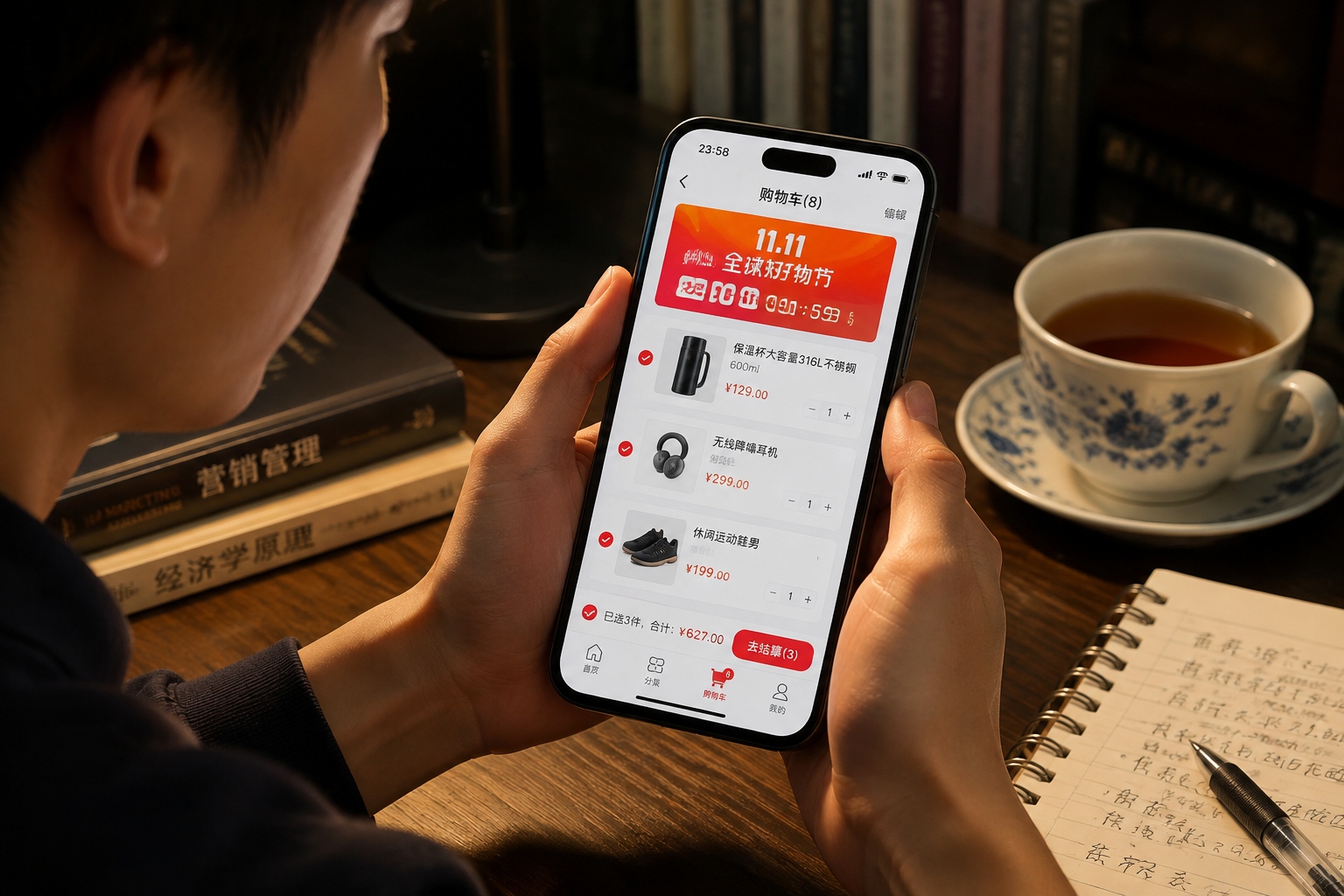
What Are Double 11 and 618?
Double 11 started in 2009 as a playful antidote to Singles’ Day, an unofficial holiday for people who aren’t in a relationship. Alibaba’s Taobao marketplace turned that date (11/11) into a 24-hour online sale. It was a hit. By 2021, Tmall alone reported 540.3 billion yuan (about $83 billion) in gross merchandise volume during the November 11 festival – that’s roughly the GDP of a small country.
618 began as JD.com’s anniversary celebration on June 18. It has since become a mid-year sale that nearly every Chinese e-commerce platform joins. If Double 11 is the Chinese equivalent of Black Friday, then 618 is the equally important Cyber Monday moment – except both are multi-day festivals, not single days.
The Rules: Deposits, Pre-Sale, and the Fine Print
Don’t expect a simple ‘add to cart and checkout’ experience. Most big-ticket items follow a pre-sale system. You pay a small deposit (typically 20–100 yuan) days or weeks before the sale. On the official sale day, you ‘pay the balance’ – and the deposit is deducted from the total, often with an extra bonus.
For example, a 1,000-yuan jacket might have a 100-yuan deposit. When you pay the balance, the deposit might be counted as 200 yuan, giving you an instant 100-yuan discount. The catch? Deposits are usually non-refundable if you decide not to pay the balance. Always check the terms.
The pre-sale period also lets you lock in a price. Many stores raise prices a few weeks before the festival, then ‘discount’ them during the sale. Savvy shoppers use price-tracking apps to see the real historical price.
Price Protection: Getting Money Back After You Buy
You’ve paid, but the fun isn’t over. China’s major platforms offer ‘price protection’ (价保). If the same item you bought drops in price within a certain window (typically 7–30 days), you can submit a claim and get the difference refunded. This is huge – it means you don’t have to wait for the lowest price at the exact right time. Just set a reminder to check the product page after you receive it.
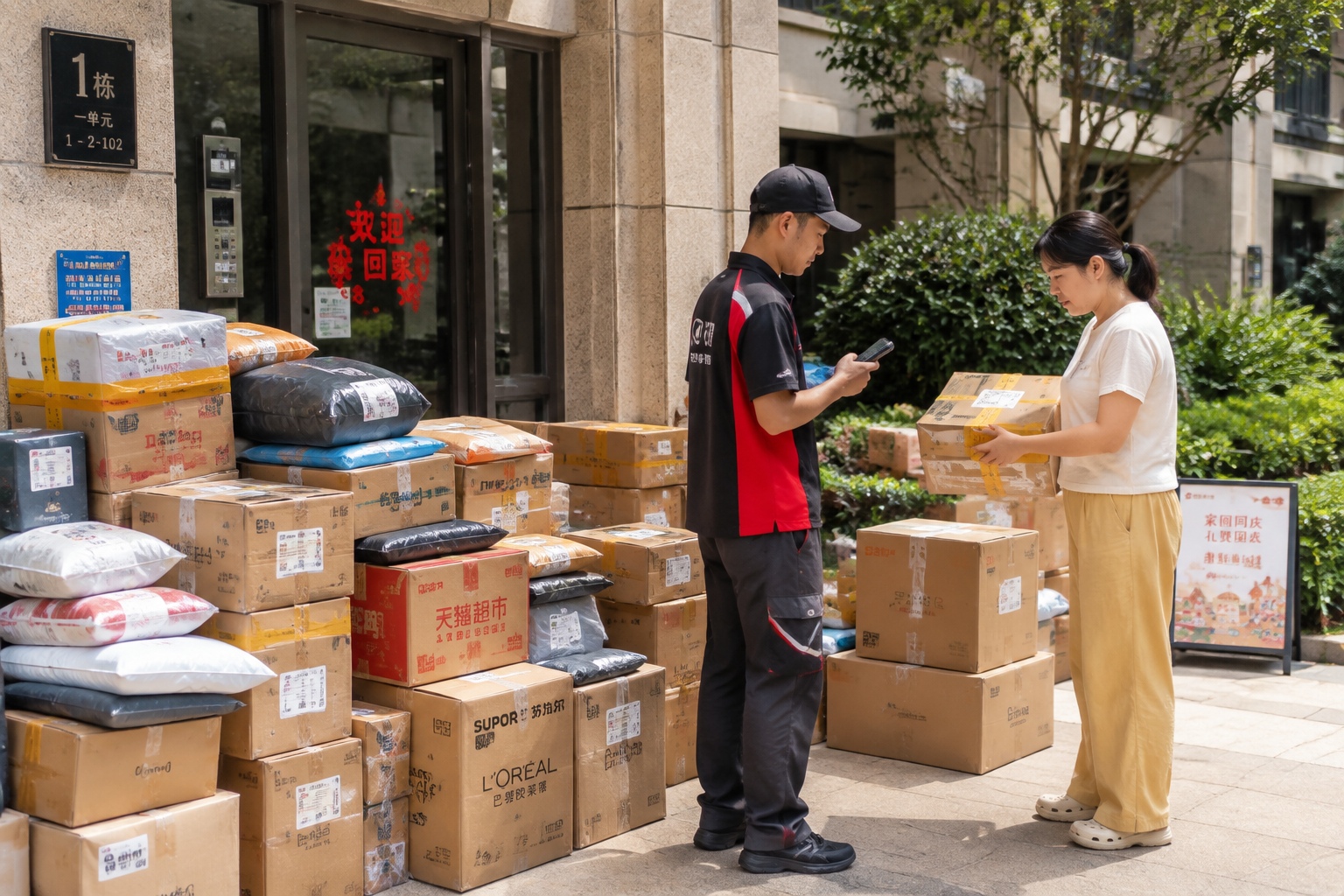
How to Stack Coupons Like a Pro
Coupon-stacking is an art. Beyond the deposit discount, there are usually:
- Platform-wide coupons (e.g., ‘spend 300 yuan, get 50 yuan off’)
- Store coupons (‘spend 200, save 30’)
- Category coupons (for electronics, beauty, etc.)
- Coins and credits from games or previous purchases
These often stack – up to a limit. A typical smart strategy: add items from multiple stores to reach the ‘full reduction’ threshold, apply the platform coupon, then the store coupon.
Here’s a simple example: Your cart has two items – A (180 yuan) and B (150 yuan), totalling 330 yuan. The platform offers ‘300 minus 50’ and store A offers ‘150 minus 20’. You can apply the platform coupon to the whole cart, and the store coupon to item A, but only if the store coupon is a ‘shop-specific’ coupon that works in the cart. Some coupons are ‘cross-store’ – those are easier.
The key rule: read the fine print. Some coupons can only be used on certain products, some have minimum order amounts, and some expire at midnight. There are entire subreddits and apps dedicated to finding and calculating the best combinations.
From ‘Shopping Festival’ to ‘Eating Dirt’
Double 11 and 618 have become part of Chinese pop culture. The phrase ‘吃土’ (chī tǔ, literally ‘eat dirt’) is a self-deprecating way to say you’re so broke after shopping that you can only afford to eat soil. Social media fills with screenshots of receipts, ‘unboxing’ videos, and memes about empty wallets. For many, the thrill isn’t just owning things – it’s the game of beating the system. It’s competitive, communal, and exhausting.
Some people plan for months. They save items in their cart, compare prices, and calculate the optimal purchase order. Others regret it. A day after the festival, returns spike – not because the products are bad, but because people got carried away.

How to Shop Smart (Not Just Cheap)
Before you join the fun, here’s a practical checklist:
- Set a budget. Decide how much you can afford to spend, not how much you might save.
- Use a price tracker. Sites like qutouzi and smartdollar apps show historical prices. Don’t fall for inflated ‘original prices’.
- Understand deposit rules. If a deposit is non-refundable, treat it like a bet.
- Check the price protection policy. Save the ‘价保’ button in your app so you can claim refunds easily.
- Don’t buy just because it’s on sale. Make a wish-list before the festival, and stick to it.
The good news: these festivals are now global. You can access Tmall Global, AliExpress, and JD Worldwide from many countries. The deals are real, but they’re designed to make you spend more. If you approach them with a plan, you can genuinely save money and enjoy the ride.
So next time November 11 rolls around, don’t just watch the news – join the millions of Chinese shoppers who stay up past midnight for the thrill of a great deal. Just remember to eat something other than dirt afterward.
Start the discussion at forum.chinacomes.com