

The Myth of the ‘Empty’ Morning
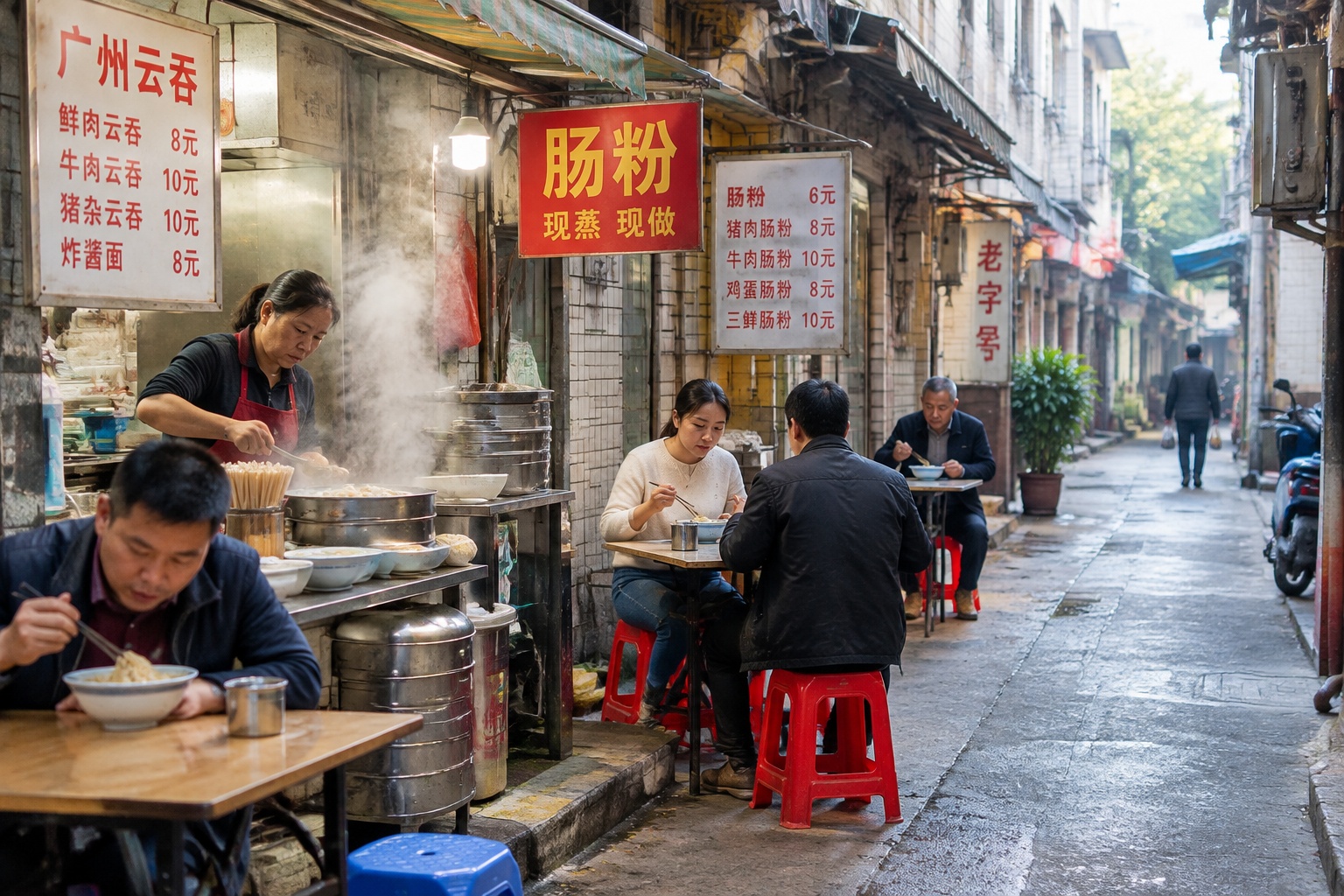
It is 7:15 AM in a residential neighborhood near Shamian Island. To a visitor expecting the hustle of a megacity, this area feels almost deserted. The wide avenues nearby are quiet. But step off the main road into the shaded, narrow alleys—some no wider than a car—and the silence breaks. It’s replaced by the hiss of steam, the clatter of porcelain plates, and the low murmur of Cantonese dialect.
This disconnect is common. Many tourists stick to the glossy Pearl River New Town or the historic but sanitized Shamian Island. They miss the living city. The alleys here are not ’empty’; they are reserved. For locals, this time is sacred. For outsiders, it can feel inaccessible, not because of danger, but because of a subtle shift in rhythm and language.
More Than Dim Sum: The Ritual of Yum Cha
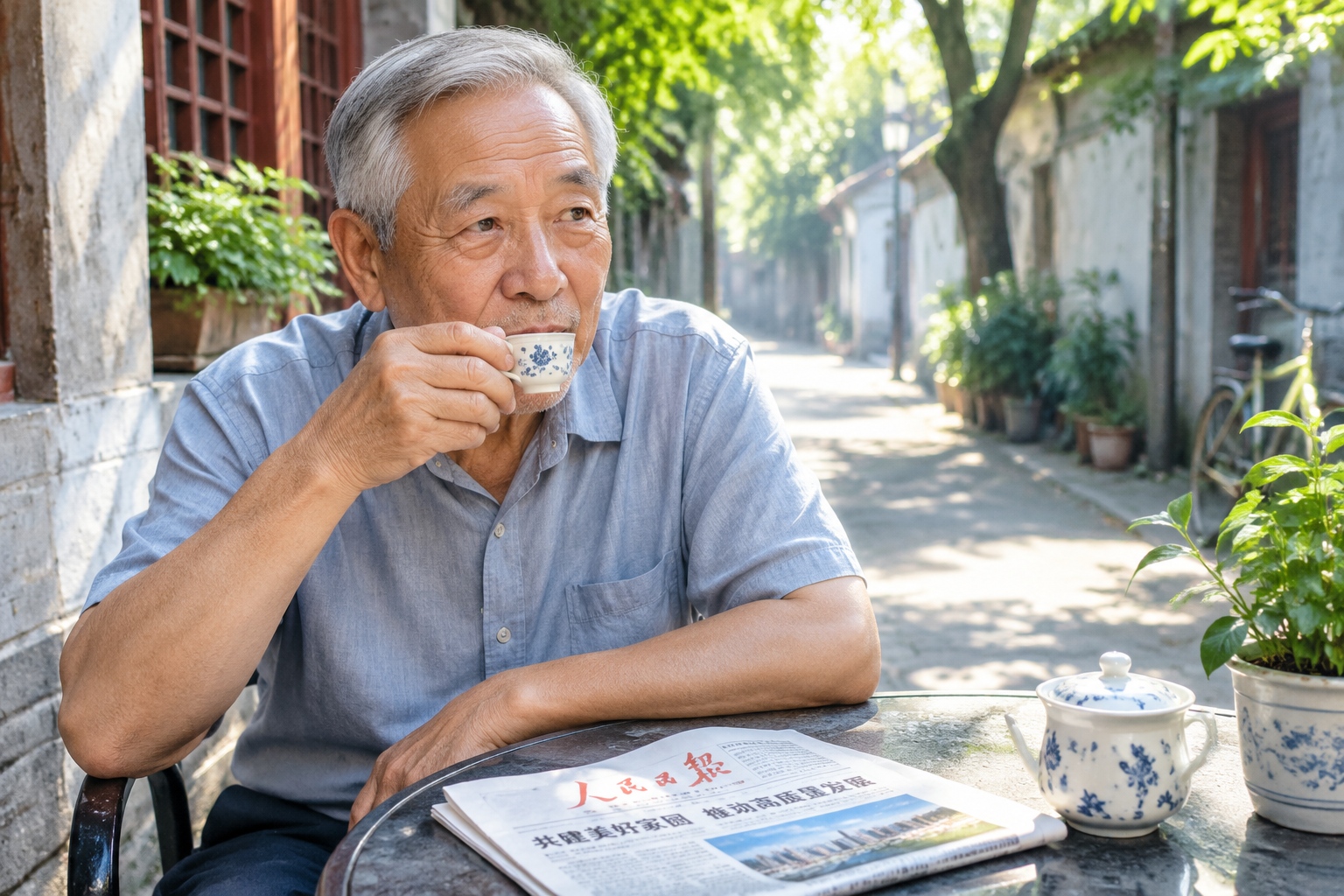
In Cantonese culture, ‘Yum Cha’ (drinking tea) is often mistranslated or misunderstood as merely eating dim sum. It is not a meal; it is a social institution. Imagine a room where the air is thick with humidity and the scent of roasted meats. Elders sit at round tables, newspapers spread out, tea pots pouring continuously into small cups. This is where news is exchanged, deals are hinted at, and families reconnect.
Unlike the hurried breakfast culture in Beijing or Shanghai, Guangzhou’s morning pace is deliberate. You do not eat to fuel up; you eat to pause. The ritual involves tapping your fingers on the table—a silent ‘thank you’ when someone refills your tea. It is a language of its own, one that tourists rarely learn, but locals live by.
Decoding the Local Menu
If you venture into these local establishments, you will find menus that offer little help to the English speaker. But the flavors are universal. Forget the fancy har gow (shrimp dumplings) served in high-end hotels. Here, the stars are simpler.
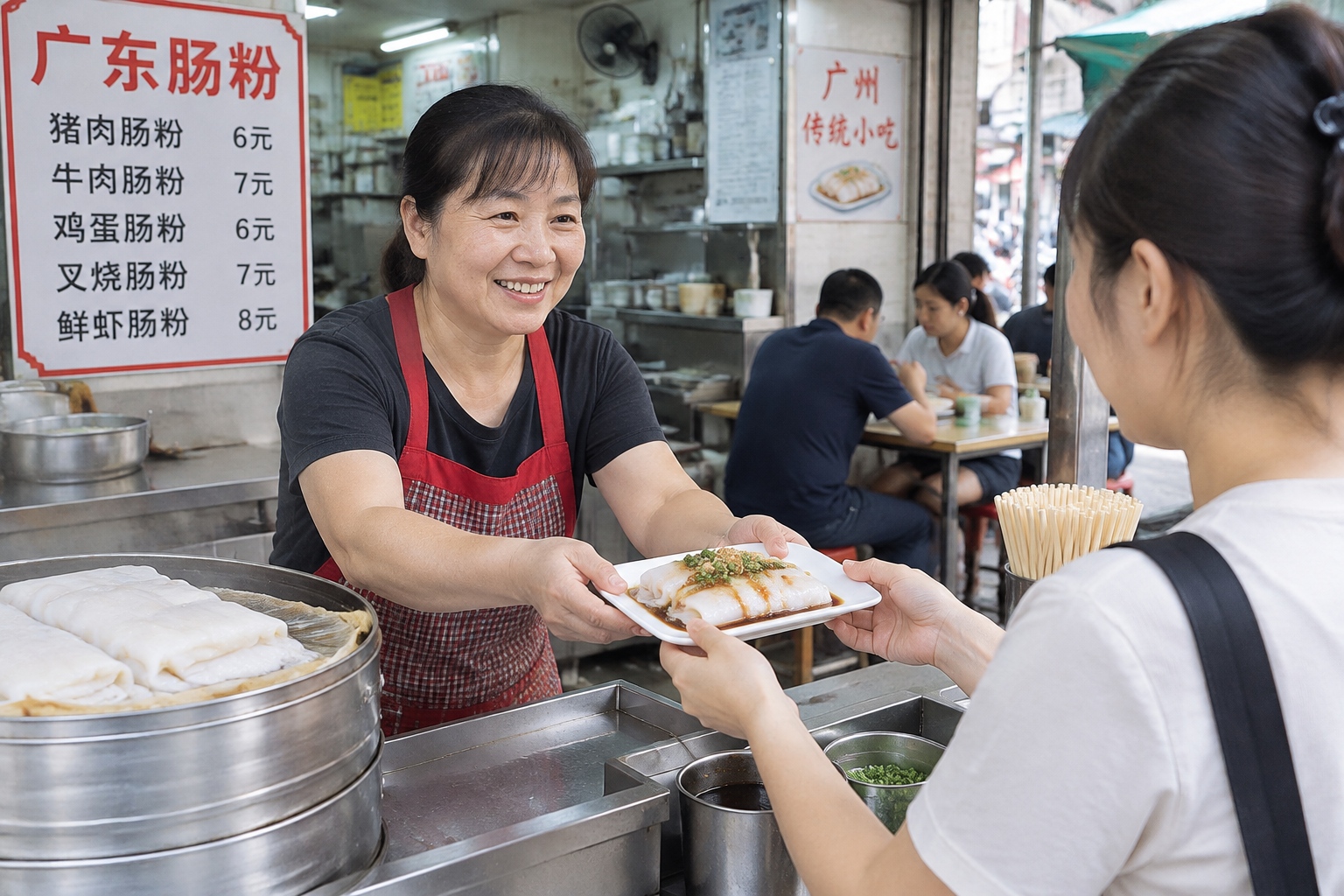
First is the congee (rice porridge). It is not plain; it is often mixed with century egg and pork, or served alongside crispy youtiao (fried dough sticks) dipped into the broth. Then there are the char siu bao (barbecue pork buns), steamed until they look like snowballs, split open to reveal sweet, savory meat. Finally, the rice noodles (cheung fun), slippery and smooth, dressed in sweet soy sauce and sesame oil.
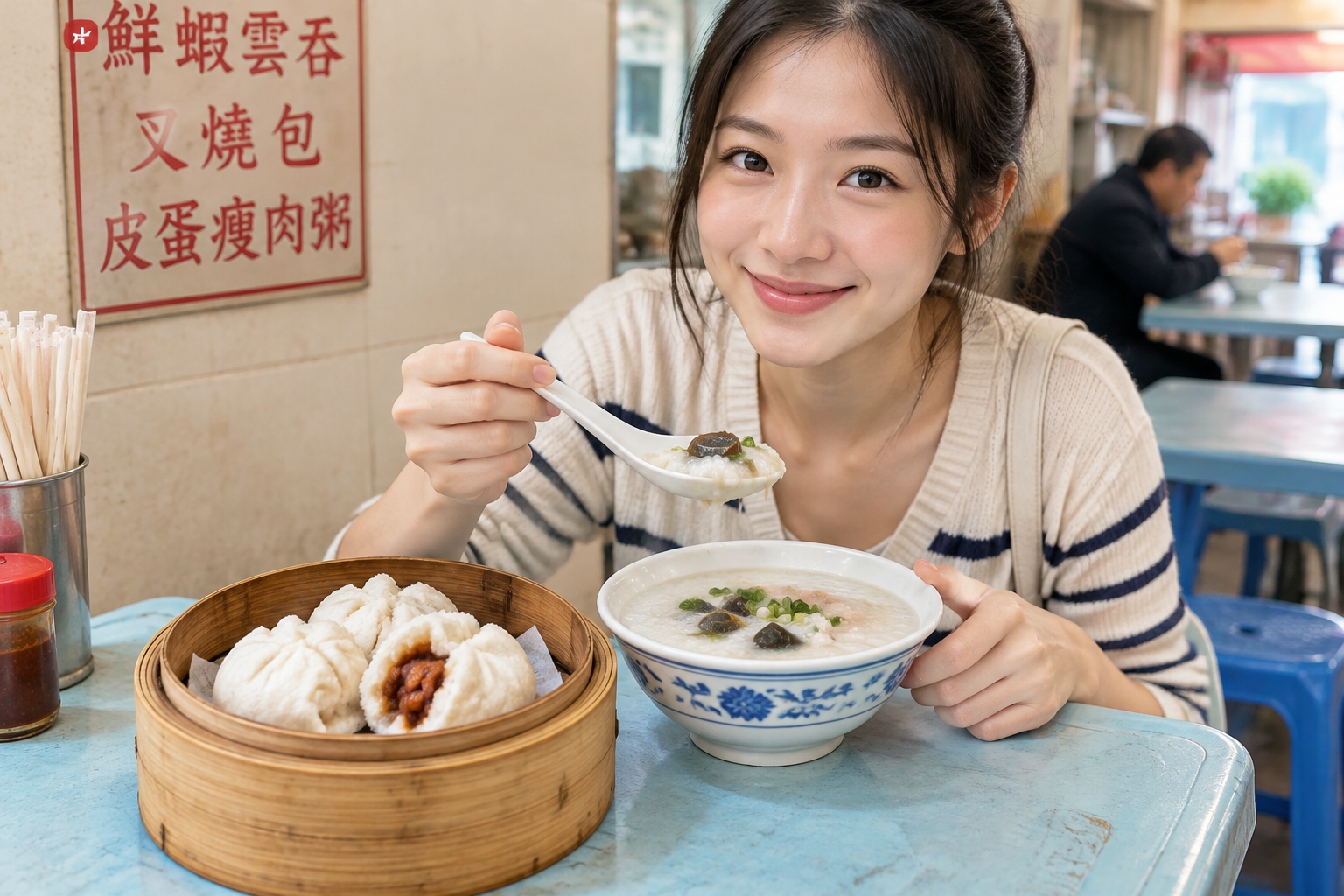
These dishes require no translation. They are comfort food in its rawest form. The texture of the bun, the heat of the congee, the crunch of the dough—these are the details that define Guangzhou’s culinary identity, far removed from the curated experiences found in guidebooks.
The Invisible Wall: Digital Payments
There is one barrier that is very real: technology. In these old alleys, many small stall owners do not accept cash. They rely entirely on WeChat Pay or Alipay QR codes. For a foreigner without a Chinese bank account linked to their phone, this can be frustrating. You might stand there, holding cash, while the vendor points impatiently at a small printed card.
This ‘digital divide’ is not malicious; it is simply the reality of modern China. It creates an invisible wall between the transient tourist and the rooted local. Bridging it requires preparation—either setting up international payment options beforehand or finding the few remaining stalls that still take cash, often hidden in the back corners of the alley.
Human Connections Over Curated Experiences
The owners of these small shops do not care about your Instagram followers. They care about whether you are a regular. If you return tomorrow, they might add an extra spoon of chili oil to your noodles without asking. This is the difference between a transaction and a relationship.
In Guangzhou, breakfast is not just about food. It is about belonging. By stepping away from the landmark checklist and into these morning alleys, you do not just taste the city; you join its daily rhythm. You become part of the scene, even if only for an hour.
Start the discussion at forum.chinacomes.com