

Introduction
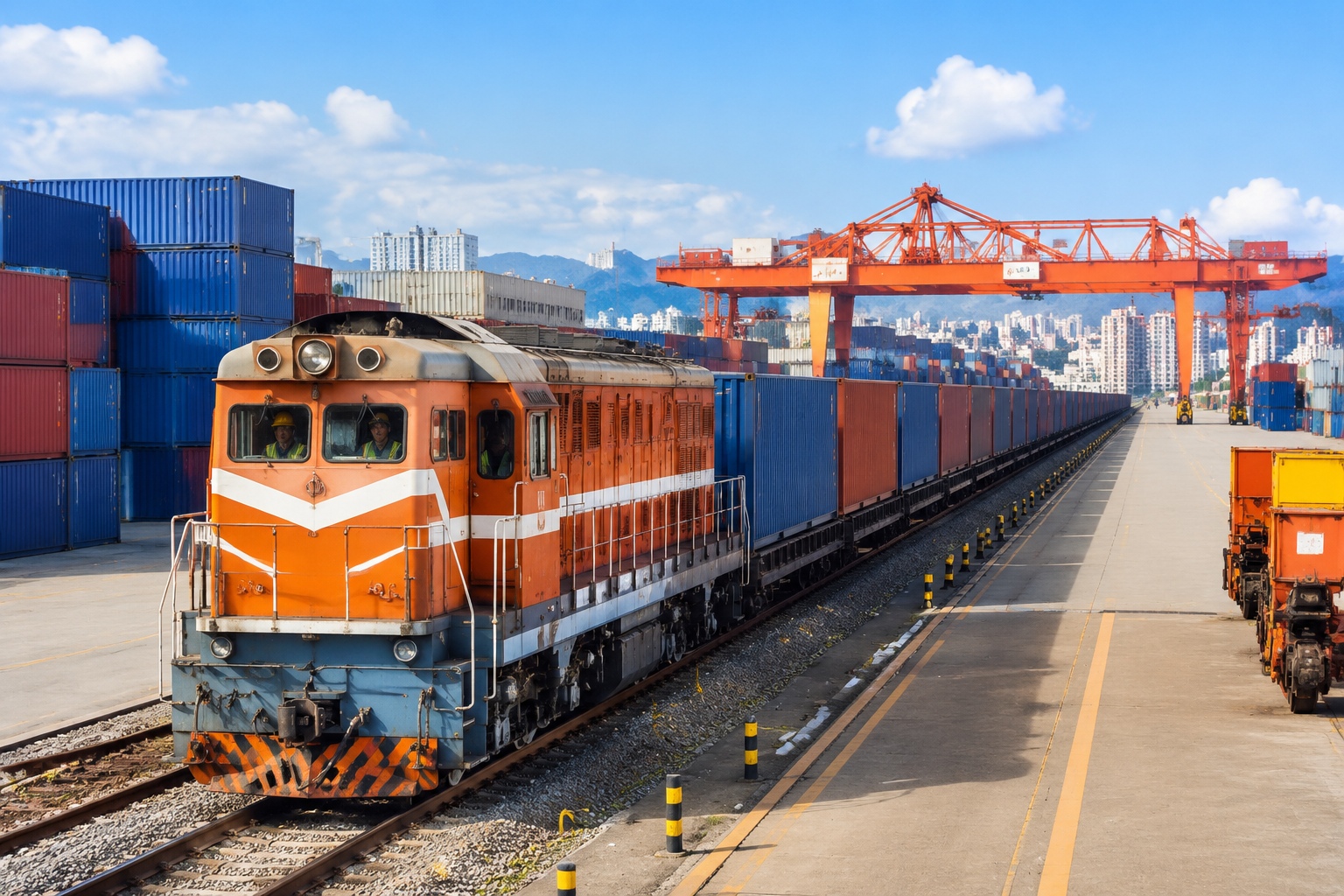
At 9:30 in the morning, a freight train pulls away from the Xi’an International Port in northwest China. Its 41 containers are packed with laptop computers, newly assembled at factories in Xi’an and Chengdu. Destination: Duisburg, Germany. The journey takes 15 days, cutting through Kazakhstan and Russia before reaching the heart of Europe.
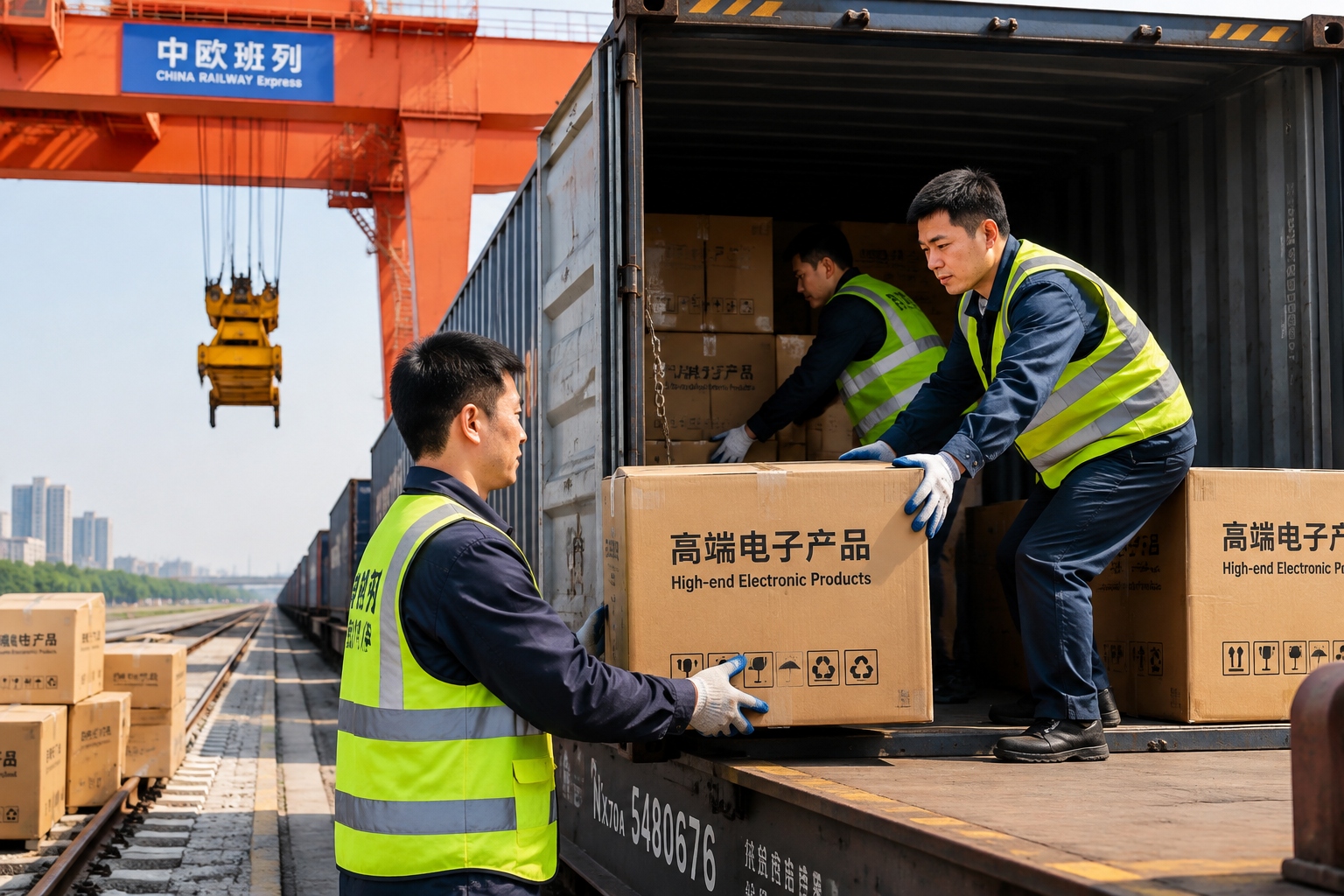
This is not a scene from science fiction. It is the daily rhythm of the China-Europe Railway Express, a network of goods trains that has grown from a single experimental route in 2011 into a vital artery connecting 60 Chinese cities with over 200 European cities. In 2023 alone, more than 17,000 trains crossed the continent, carrying nearly 1.9 million shipping containers.
A Modern Silk Road
For centuries, the ancient Silk Road was the road of tea, silk, and porcelain. Merchants carried these fragile luxuries to Mediterranean markets, returning with gold, glass, and spices. The new rail express follows the same geographic logic but carries the freight of a different era.
Instead of teacups and brocade, today’s containers hold smartphones, flat-screen displays, home appliances, and even complete electric cars. A train arriving in Poland might unload freshly assembled batteries for BMW, while another in Spain receives solar panels made in the sunny deserts of western China.
From Tea Leaves to Microchips
The change in cargo is not just a matter of taste; it is a signal of China’s industrial transformation. In the early years of the express, much of what was carried west was labor-intensive goods—clothing, shoes, toys, and basic household items. A 2015 China Customs report showed that mechanical and electrical products accounted for only 38% of the cargo value on those trains. By 2021, that share had jumped to over 55%, led by computers, telecommunication equipment, and integrated circuits.
Here is how the cargo mix evolved, year by year:
- 2011–2014: The first trains from Chongqing were designed for IT products, but many other routes carried textiles and daily goods. Clothing and shoes made up nearly 40% of shipments.
- 2015–2018: As more cities joined, auto parts, electronics, and machinery began to fill containers. The value of shipment per container rose from about $8,000 to $12,000.
- 2019–2021: The pandemic disrupted sea and air freight, making rail a lifeline. Exports of laptop computers, tablets, and medical equipment surged. High-tech goods reached 55% of total export value.
- 2022–2024: A new star appeared: new energy vehicles (NEVs). In 2023, exports of NEVs and batteries by rail grew by over 200%, according to the Yuxinou rail operator. Now a single train can carry 500 finished cars.
These numbers reflect something deeper: the railway is no longer a channel for surplus goods, but a competitive option for products with higher value and time sensitivity.
What Europe Sends Back
The trains do not always return empty. In the early 2010s, return trips were a headache—operators were happy to carry anything back to China, even waste paper and scrap metal. That has changed. In 2022, the return container utilization rate exceeded 90% at major hubs.
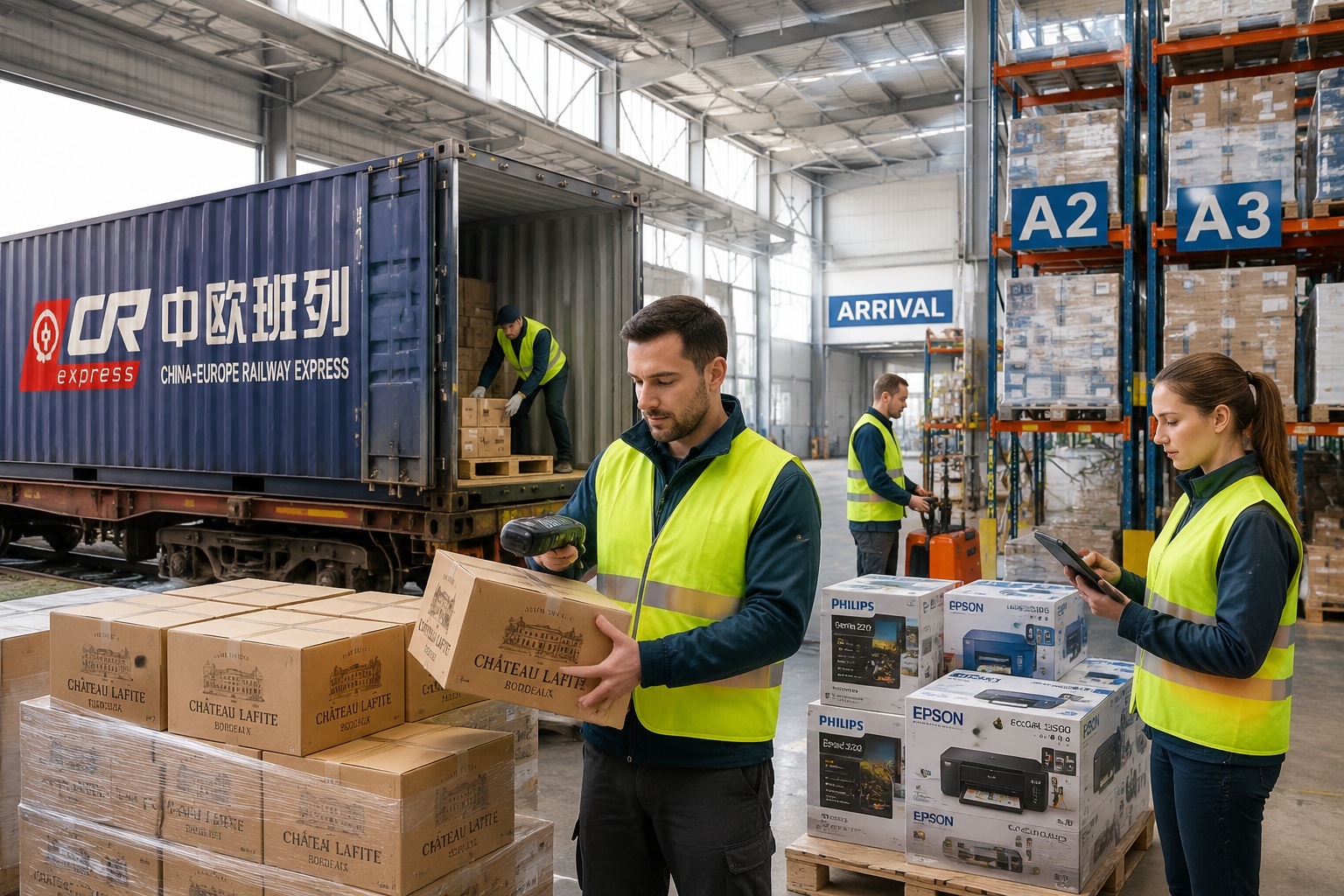
European goods most commonly found on eastbound trains include German automotive parts, French wine, Dutch dairy, and sometimes entire luxury cars. For example, in a single week last autumn, a train from Hamburg to Wuhan carried €4 million worth of cars and precision machinery.
Inside a Container: A Case Study
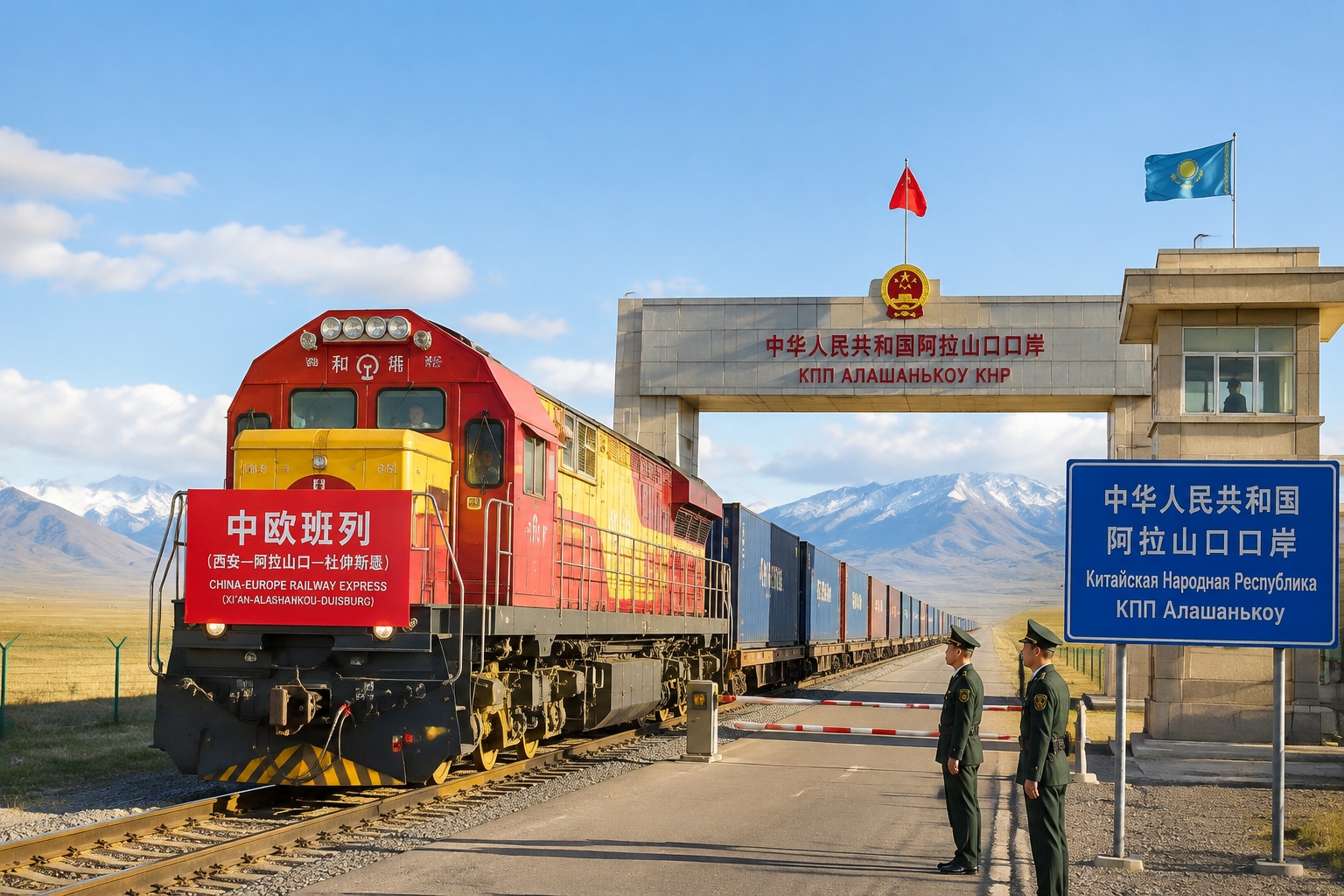
Talk to a loader at the Chongqing depot, and you will see how the cargo has become more diverse. A typical westbound container might hold keyboards from one factory, batteries from another, and fresh kiwifruit from Sichuan in a refrigerated unit. The logistics are demanding, but the operators have mastered the mix.
Consider the route itself. The first Chongqing-Duisburg train, in 2011, was a test with a few hundred laptops. Today, the same corridor ships out nearly 10,000 laptops per day, along with air conditioners, robot arms, and children’s strollers. The frontier between high-tech and high-touch is blurring.
Why Do Exporters Choose Rail?
Rail is the middle path between ocean and air. Sea freight takes 30 to 40 days, which is too slow for ever-changing tech products. Air freight costs up to five times more. Rail offers a 15–18 day transit time at roughly 20% of the cost of air, making it ideal for products that need to reach stores quickly without breaking the bank.
Government investment in border facilities has also smoothed the way. At Alashankou, the busiest land port, customs clearance that once took two days now takes less than six hours. New digital tracking lets a shipper in Shenzhen know exactly where a container is, down to the kilometer.
The Future of the Express
The railway is not standing still. Hydrogen-powered locomotives are being tested in Shaanxi. A paperless customs system is now in use across many borders. And trade routes are multiplying—some trains now go through the Caspian Sea corridor to bypass potential bottlenecks.
Yet challenges remain. Geopolitical tensions, track gauge changes at borders, and the need for more profitable return flows all demand attention. But the enthusiasm of shippers is unmistakable. As a freight forwarder in Chengdu, Yang Li, put it: “Several years ago, clients asked if the train could be on time. Now they just ask—how fast can we get a spot?”
Conclusion
From tea to computers is more than a poetic contrast. It is a measure of the distance China’s economy has traveled. The cargo on these trains tells us what people make, what they buy, and what they imagine for the future. The Silk Road was once defined by what grew on the land or was shaped by traditional hands. Today, it is defined by what is designed, coded, and engineered. Yet the sense of connection remains—across tracks, mountains, and time zones.
Start the discussion at forum.chinacomes.com