
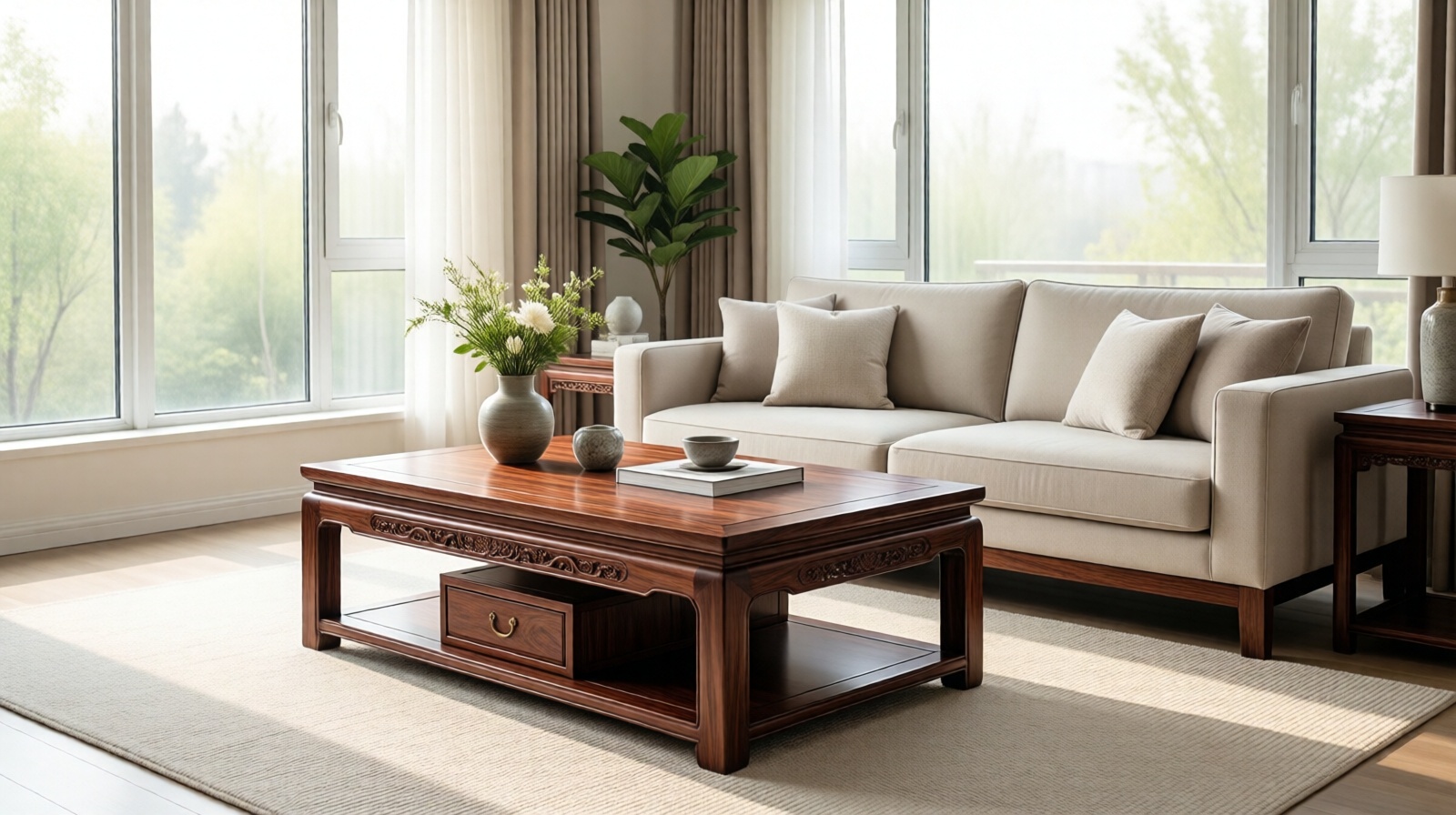

Introduction: A Chair That Crossed Two Cultures
When American interior designer Sarah Davis first laid eyes on a black rosewood side chair at a Milan furniture fair, she thought it was a piece of modern art. The clean lines, the delicate carving on the backrest, and the deep, glossy wood were unlike anything she had seen in her years of sourcing for high-end clients. Yet the chair was unmistakably Chinese—a perfect blend of Ming dynasty elegance and contemporary restraint. It was made in Fujian, China, and it was on its way to becoming one of the best-selling pieces in her studio.
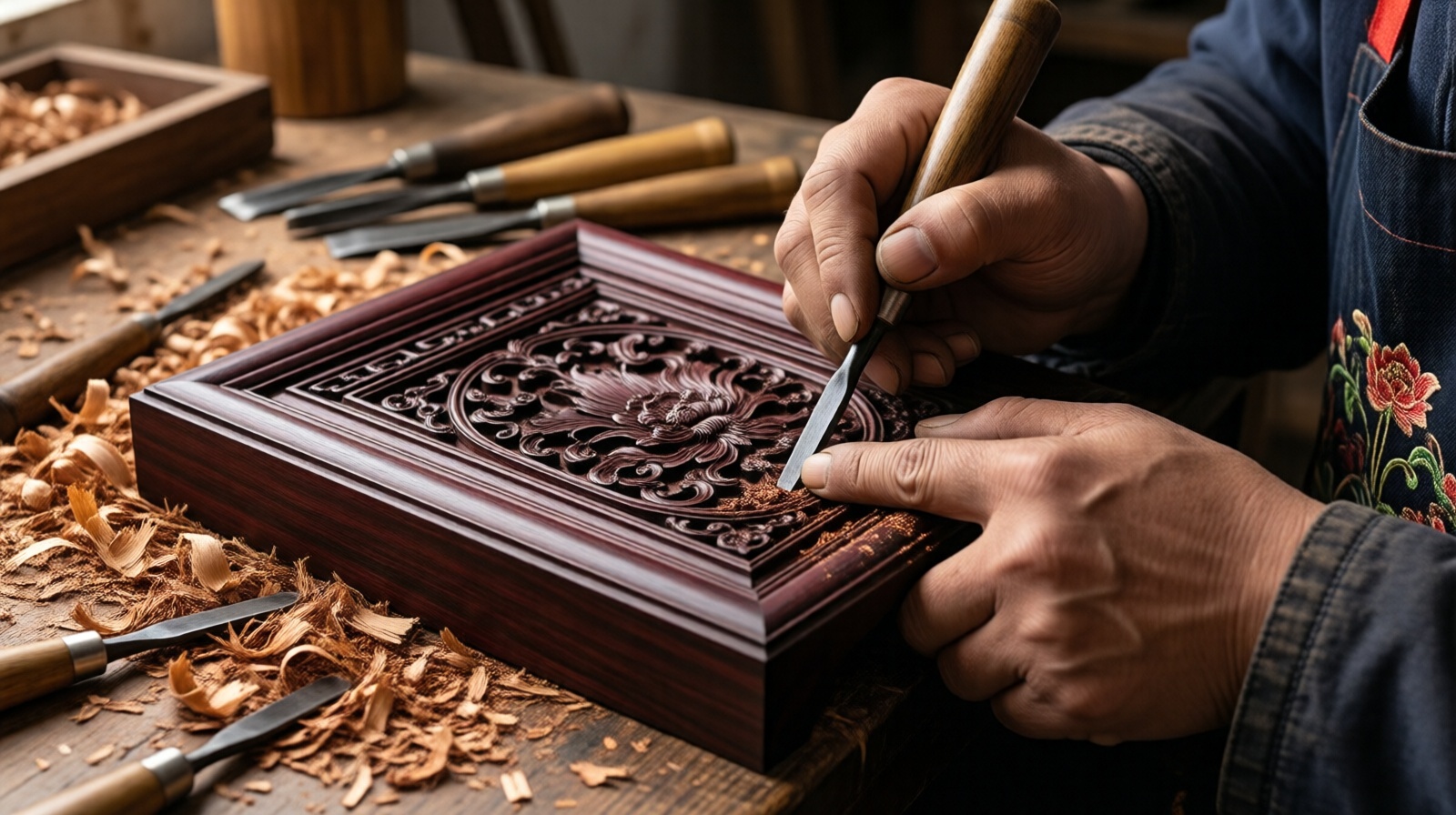
Sarah’s discovery is not an isolated tale. Over the past decade, Chinese rosewood furniture has found a growing audience in Western living rooms, penthouses, and boutique hotels. From New York brownstones to London townhouses, homeowners are increasingly drawn to the quiet luxury of hongmu—redwood or rosewood—furniture that carries centuries of craftsmanship and a distinctly Eastern aesthetic.
The Homecoming of a Chinese Classic
For centuries, rosewood furniture was the preserve of imperial courts and wealthy scholars. The wood itself—dense, heavy, and naturally fragrant—was prized for its durability and beauty. But what truly sets Chinese rosewood furniture apart is the craftsmanship. Traditional joinery relies on precisely cut mortise-and-tenon joints, avoiding nails and glue, allowing pieces to be assembled and disassembled without damage. In Fujian, thousands of artisans have spent decades honing these skills.
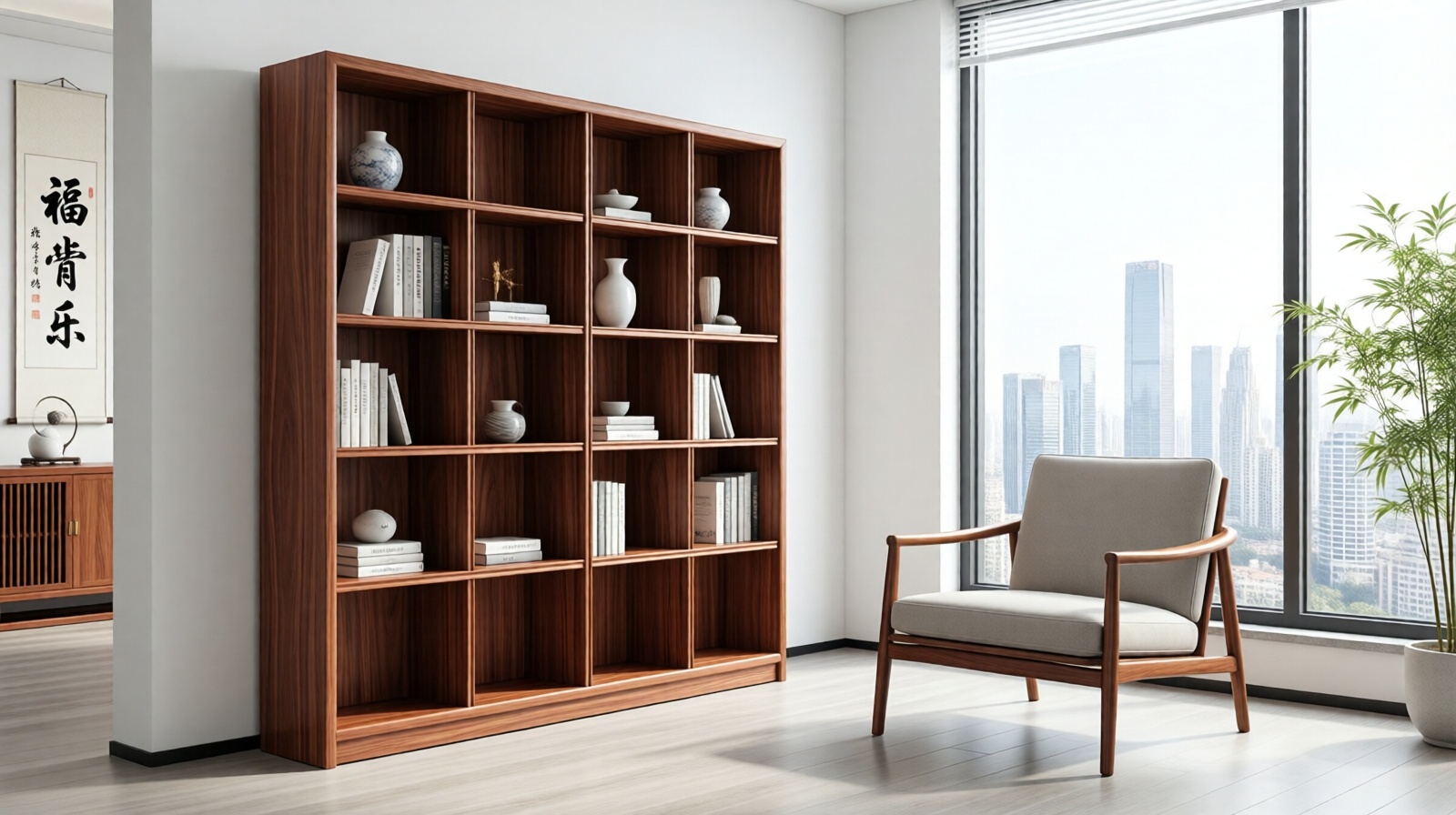
The province of Fujian, on China’s southeastern coast, has long been a center for hardwood carving and fine furniture. The city of Xianyou is a notable hub, with a cluster of workshops and factories producing everything from replicas of Ming dynasty bookcases to contemporary sofas with a subtle Chinese twist. These are not museum pieces; they are designed for daily living.
What Makes Rosewood Furniture Different
Western furniture often emphasizes soft comfort and replaceability. A typical IKEA sofa might last a decade, then be discarded. Rosewood furniture, by contrast, is made to last generations. The wood can become darker and richer with age, and its heft signals permanence in a world of flat-pack consumerism. Moreover, the carved motifs—lucky clouds, bats, peonies—carry meanings of prosperity and harmony, inviting a storytelling element into a living space.
Yet the appeal goes beyond materiality. In a culture obsessed with sustainability, buying a piece of rosewood furniture is a deliberate act against “fast furniture.” It echoes the trend toward quality over quantity, craftsmanship over convenience.
Design Meets Demand: How Fujian Adapts to the West
While traditional rosewood furniture is often large and heavily carved, the export market has pushed Fujian workshops to evolve. Many now offer smaller, simpler pieces that fit Western room dimensions and aesthetic preferences. The “light luxury” style, popular in China, has also crossed borders, mixing rosewood with neutral upholstery and minimalist lines.
“Western clients used to want darker, more ornate pieces,” says Zhang Wei, a manager at a Xianyou factory that exports to Europe and North America. “Now they ask for lighter wood, less carving, and more functional pieces like TV consoles and bookshelves. They want the soul of Chinese furniture, but in a package that feels at home in a Scandinavian or coastal-style interior.”

This adaptability has boosted trade. According to Chinese customs data, exports of wooden furniture, including rosewood, have grown steadily, with significant markets in the United States, the United Kingdom, and Germany. E-commerce platforms have made it easier for small batch orders from overseas designers and even individual buyers.
The Human Side of the Export Boom
Behind every export order are real people. Chen Guohua, 56, has been carving rosewood since he was 17. He remembers when the factory only sold to domestic collectors. Today, he works on pieces for a Los Angeles client who asked for a custom coffee table inspired by a traditional Chinese “couple” design. “It’s satisfying to know that a family across the ocean will gather around this table,” he says.
Still, the industry faces challenges. Rosewood is a precious resource, and stricter international regulations, such as CITES (Convention on International Trade in Endangered Species), have limited the supply of certain species. This has pushed Fujian mills to source alternative hardwoods or use reclaimed wood, a shift that some purists lament but the environment welcomes.
Conclusion: More Than Just Furniture
When a rosewood cabinet arrives in a Western living room, it brings with it a piece of Chinese philosophy—of balance, patience, and respect for natural material. It is not about “conquering” the West, but about starting a quiet conversation across cultures. As Western interiors become more global, the line between “East” and “West” blurs, and a chair made in Fujian can feel as universal as it is specific.
If you ever find yourself looking for a statement piece that has a story to tell, consider the rosewood furniture from Fujian. It may not be easy to lift, but it will lift the conversations in your home.
Start the discussion at forum.chinacomes.com