

One Bite and You Get It
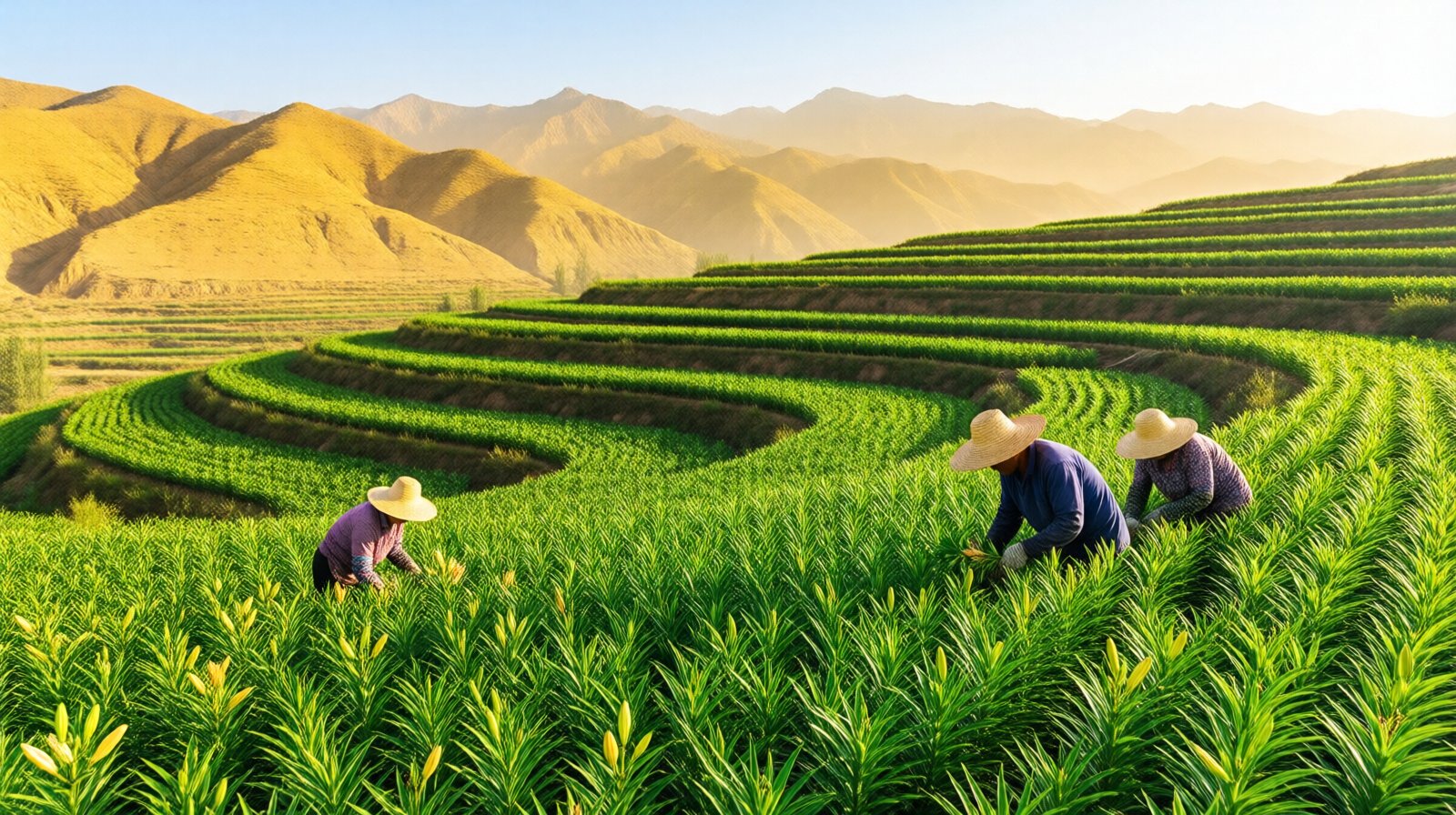
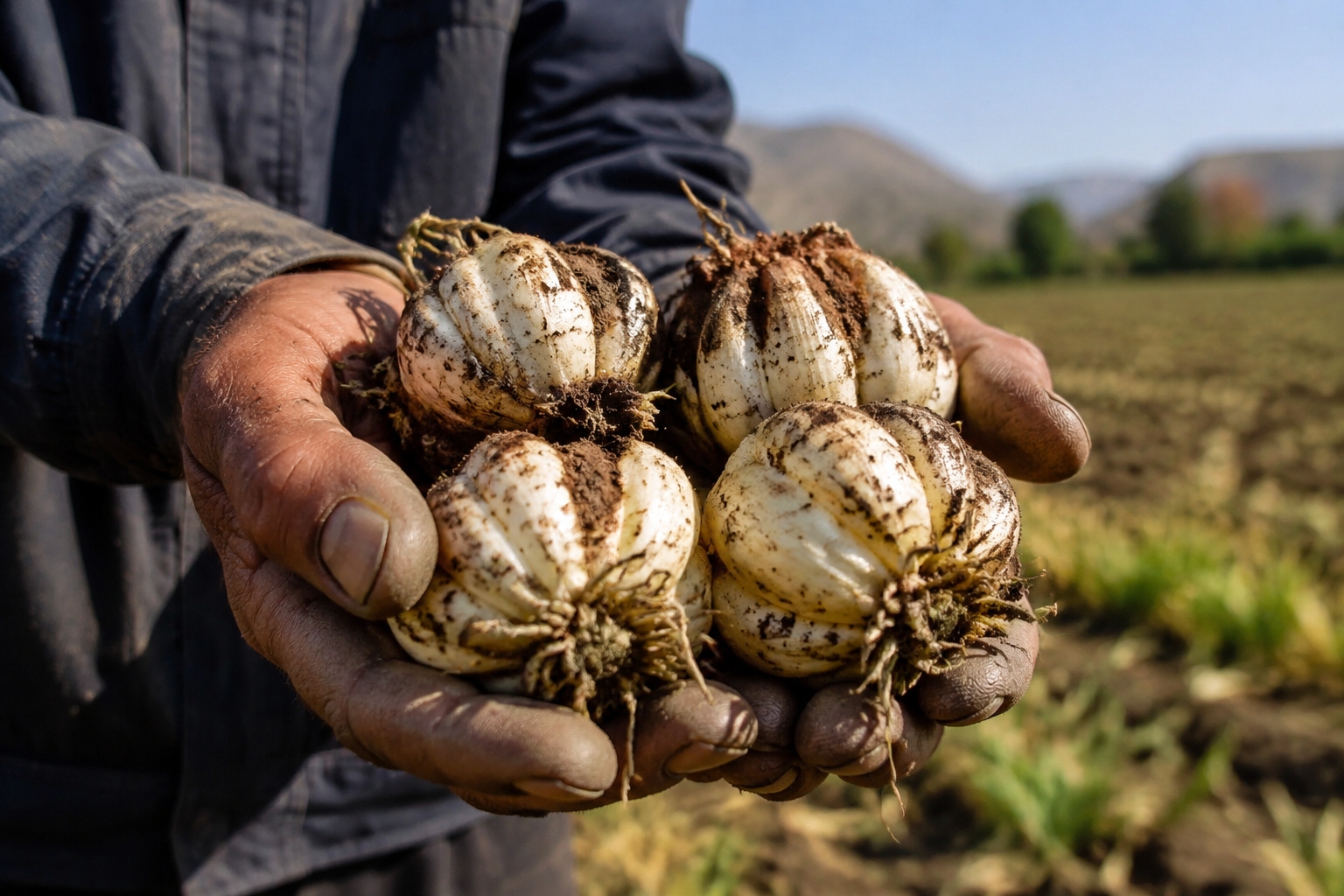
You haven’t really tasted Lanzhou until you’ve tried something that looks like a pale garlic bulb but tastes like a fresh pear. That’s Lanzhou lily, a vegetable that has been grown in the mountains of Gansu Province for centuries. For most Western visitors, it’s a surprise: a root vegetable that can be eaten raw, with a sweet, crunchy, slightly sticky texture that reminds you of jicama or water chestnut.
What Exactly Is Lanzhou Lily?
Lily, in this case, isn’t the flower you see in wedding bouquets. It’s the underground bulb of the lily plant, and Lanzhou lily is the only edible lily in China that’s been developed specifically for eating. Unlike common culinary lilies elsewhere, which are often bitter and used mainly for medicinal soups, Lanzhou lily is sweet enough to be served as a dessert ingredient.
The secret lies in the growing conditions. Lanzhou sits at over 1,500 meters above sea level, with strong sunshine, cool nights, and loose, sandy soil. The region has a sharp temperature gap between day and night, which allows the plant to accumulate sugars slowly. On average, a Lanzhou lily takes about three to six years from planting to harvest.
Farmers in Yuanqu, Xigu, and the surrounding areas will tell you that patience is the whole game. You plant a small bulb, wait four or five years, and only then dig up a fully mature, sweet, crisp lily. It’s not a crop you can rush.
Why Is It So Sweet?
Most vegetables store starch. Lanzhou lily stores sugar instead. Its sweetness measures around 15-20% sugar content, which is closer to fruit than vegetables. Some locals describe it as “underground pears.” The bulb is also rich in mucilage, which gives it a smooth, slightly slippery mouthfeel when cooked.
That sweetness comes from a combination of high altitude, strong UV light, and a long dormancy period. The plant slowly converts the energy from sunlight into soluble sugars, making every layer of the bulb tender and sweet.
How People Eat It in Lanzhou
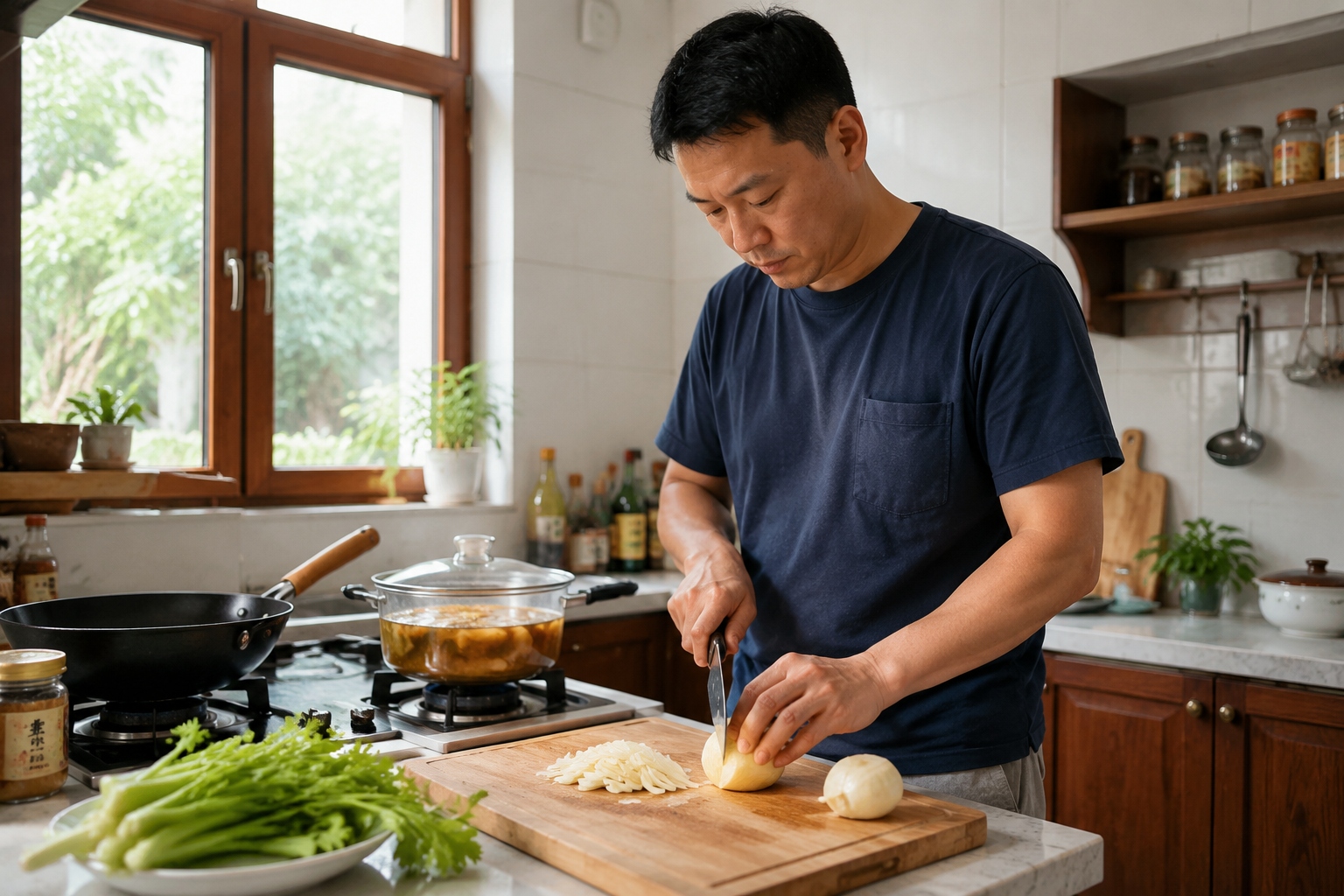
In Lanzhou, lily is a normal part of the kitchen. You might find it sliced and stir-fried with celery and cashews, or simmered in a chicken soup. Another popular way is to boil it with rice or glutinous rice and goji berries for a sweet breakfast porridge. Some high-end restaurants serve it as a dessert: whole lily bulbs steamed with rock sugar and osmanthus.
Young people have also found new uses. You’ll now see iced lily tea, lily and coconut milk drinks, and even lily-flavored mooncakes during the Mid-Autumn Festival. The flavor is mild, subtle, and slightly floral, so it pairs well with both savory and sweet dishes.
A Local Crop Becomes a Brand
Lanzhou lily was granted protected geographical indication status by the Chinese government in 2014. That means only lilies grown in the specific area of Lanzhou can legally be sold as “Lanzhou lily.” The designation has been a quick win for farmers because it raises the price and protects the name from imitation.
Today, the lily industry supports tens of thousands of local families. Villages in the production area have built cold storage facilities, sorting lines, and even online live-streaming studios. During the harvest season, farmers pack freshly dug lilies into vacuum-sealed boxes and ship them to consumers in Beijing, Shanghai, and Shenzhen.
E-commerce has changed the game. Many families now sell directly through platforms like Taobao and Pinduoduo, skipping old wholesale layers. Some young farmers have become “lily influencers,” showing viewers exactly how to peel and cook the bulb.
But even with brand protections, there are challenges. Real Lanzhou lily is not cheap. In first-tier cities, a kilogram can sell for 50 to 100 yuan (roughly 7 to 14 USD). The high price is a reflection of the long growing cycle and the labor-heavy work of harvesting the fragile bulbs by hand. To an outsider, it may look like just another luxury food item, but for the locals, it’s a symbol of what patience can produce.
Why It Became a Social Media Hit
In recent years, Lanzhou lily has been “sweetly famous” on Chinese social media. Short videos show chefs shaving off the coarse outer layers to reveal a creamy white heart that looks like a lotus bud. The contrast between the rough outside and the delicate inside makes for perfect content. But it’s the taste that keeps people talking: many viewers try it for the first time and are shocked that a cooking ingredient can be eaten raw like fruit.
Food bloggers have played a big role in turning a regional specialty into a national one. Once the hashtag “Lanzhou lily” started generating millions of views, restaurants in other cities began putting lily-based dishes on their menus.
What It Means for the People
For older villagers, growing lilies is a family tradition passed down for generations. For younger people, it’s becoming a promising career path. In Xigu District, local agricultural colleges work with farmers to improve seed quality and reduce the growth cycle. New technology, like drip irrigation and soil sensors, is being introduced to estimate harvest times more accurately.
There’s also a growing sense of pride. When someone from Lanzhou travels abroad and tells people about their hometown, the lily is one of the first things they mention. It’s a delicious explanation of why geography matters: not every place can grow something this sweet.
The Bottom Line
Next time you see a package of Lanzhou lily in an Asian supermarket or on a menu, think about the six years of sunshine and patience that went into it. Slice one raw and taste it. It might change your idea of what a vegetable can be.
Start the discussion at forum.chinacomes.com