
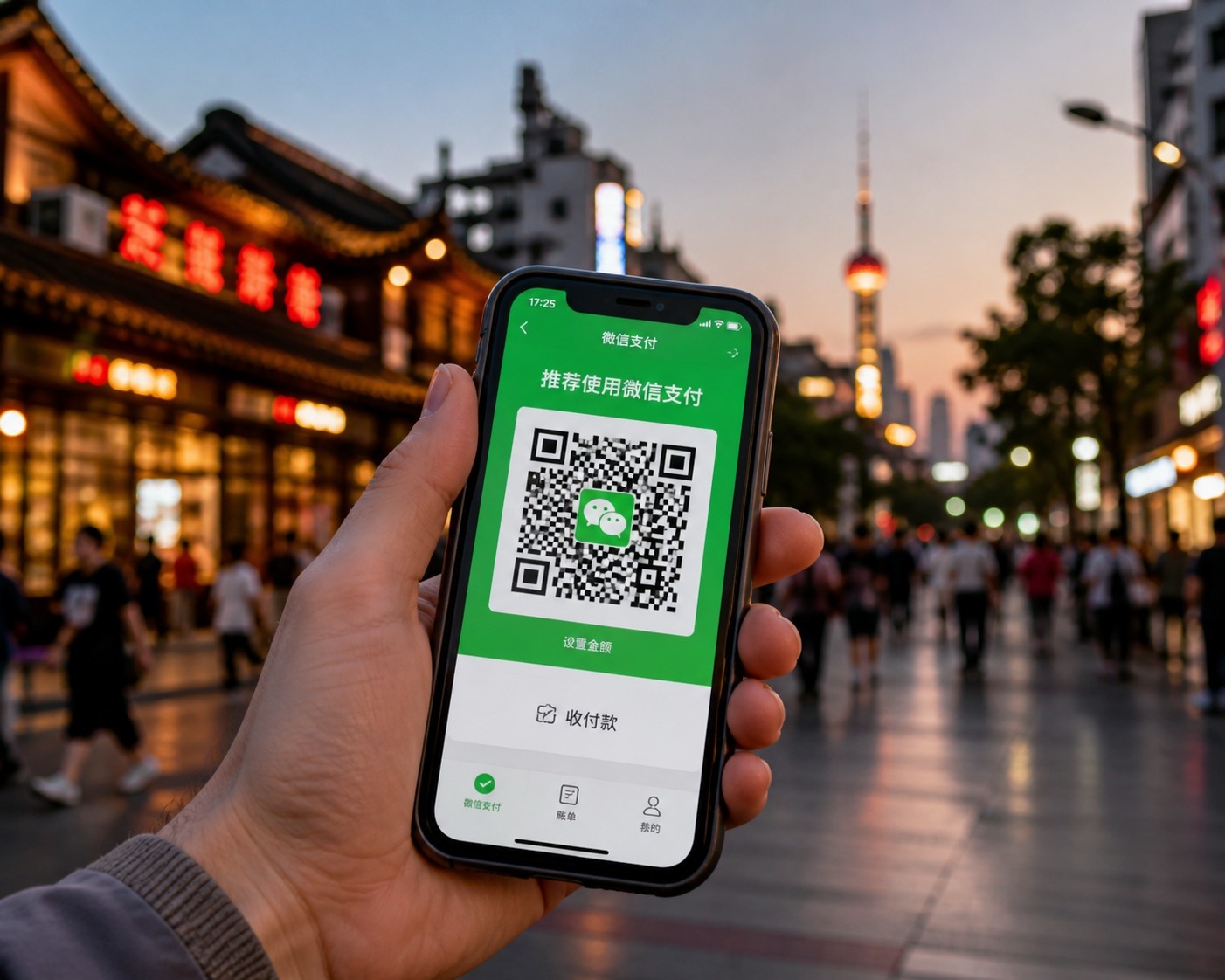

The Phone Number That Opens Doors
For many foreigners arriving in China, the first shock isn’t the food or the language—it’s the phone. In a country of 1.4 billion people, a mobile number is no longer just for calls. It is your key to digital life. You cannot order food on Meituan, book a train ticket, log into WeChat, or even enter many apartment complexes without verifying your identity through an SMS code.
Trying to use Wi-Fi everywhere is impractical and often insecure. Having a local SIM card is not just convenient; it is essential for survival in modern Chinese cities. But with three dominant state-owned carriers and dozens of confusing plan options, the process can feel overwhelming. This guide breaks down exactly how to get set up.
The Big Three: Network Coverage vs. Cost
China’s telecommunications market is dominated by three giants: China Mobile, China Unicom, and China Telecom. For most expats living in major cities like Shanghai, Beijing, or Shenzhen, the difference in daily experience will be minimal. All three offer 5G coverage in urban centers.
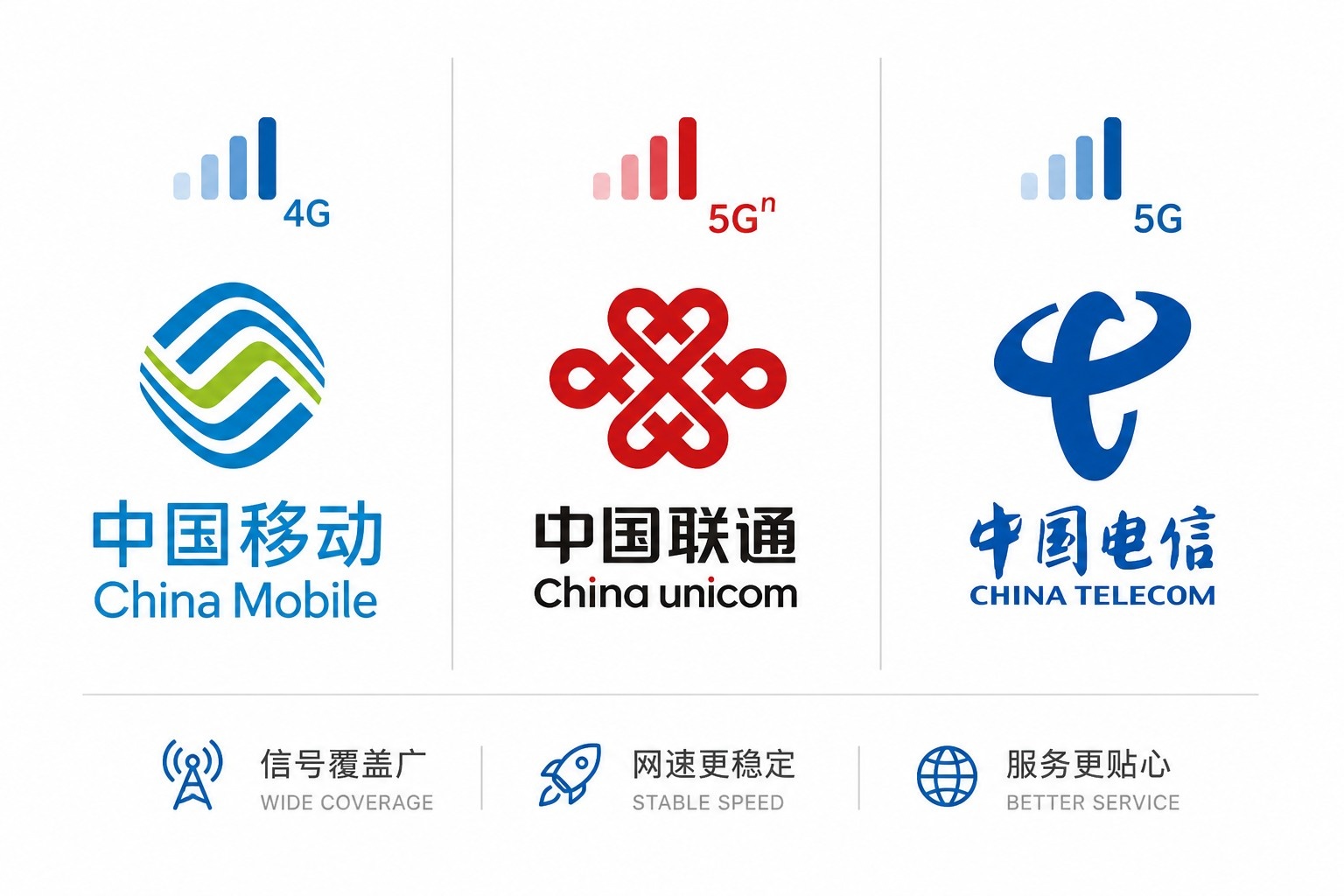
China Mobile
The Coverage King. If you plan to travel extensively outside major cities—visiting rural villages, hiking in remote provinces, or taking high-speed trains through western China—China Mobile is the safest bet. Their network infrastructure is the most extensive, often reaching places where competitors have dead zones. However, this premium coverage sometimes comes with slightly higher prices for equivalent data packages.
China Unicom
The Urban Favorite. Historically stronger in northern China, Unicom has improved its southern coverage significantly. Many expats prefer Unicom because their international roaming agreements are often more competitive, and their customer service centers in business districts tend to be more English-friendly. Their data speeds in cities are consistently fast.
China Telecom
The Balanced Choice. Traditionally strong in the south, Telecom offers a very stable network with pricing that sits between Mobile and Unicom. They are often bundled with home broadband services, which is useful if you plan to rent an apartment soon.
How to Buy Your First SIM Card
Real-name registration is mandatory in China. You cannot buy a prepaid card at a random street kiosk anymore. The process must be done formally.
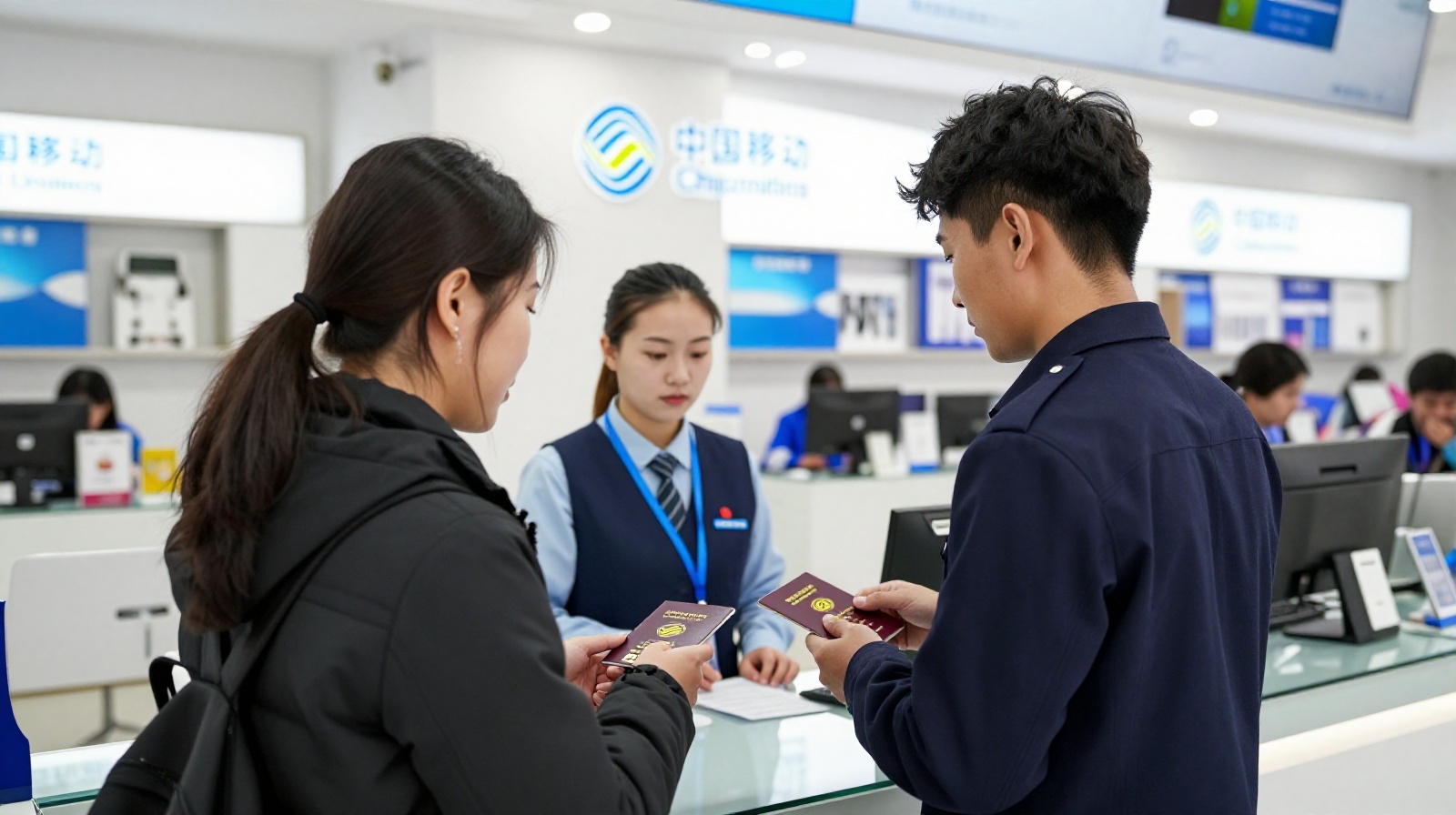
The Physical Store Method (Recommended)
1. Bring your passport: Ensure it is valid for at least six months.
2. Find an official store: Do not go to small, unauthorized agent shops. Look for the large, branded “China Mobile” or “Unicom” halls. They are usually located in subway stations or major commercial streets.
3. Ask for a tourist/international plan: Tell the staff you are a foreigner looking for a monthly data package (often called “Liuliang Tao Can”).
4. Verification: The staff will scan your passport and take a photo of you. This takes about 10 minutes.
5. Activation: You may need to make your first top-up payment via WeChat Pay or Alipay immediately.
The eSIM Alternative
If you have a newer iPhone (XS and later) or other compatible devices, you can use an eSIM. Services like Airalo provide data-only eSIMs for China. This is perfect as a backup for maps and WhatsApp/Telegram, but it will not work with WeChat if WeChat requires SMS verification for login or security checks. Therefore, a physical SIM linked to your passport is still the primary recommendation.
Pitfalls to Avoid: Choosing the Right Plan
Store staff are motivated by commission. They may try to push you into long-term contracts (1-2 years) with expensive handsets or unnecessary value-added services like video streaming subscriptions you don’t need.
Stick to Prepaid Data Packages
Look for plans that offer 20GB–100GB of high-speed data per month with unlimited slow-speed data after that. A typical cost is between 50 and 100 RMB ($7–$14) per month. Avoid “family bundles” or contracts that require a minimum spending commitment for two years unless you are certain you will stay in China long-term.
Beware of Hidden Fees
Some cheap introductory prices (e.g., 19 RMB/month) may only include 5GB of data, with heavy throttling after that. Always ask: “How many gigabytes at full speed?” and “Is there a contract period?” If you need to cancel later, returning to the store to terminate the service is required.
Final Tips for Expats
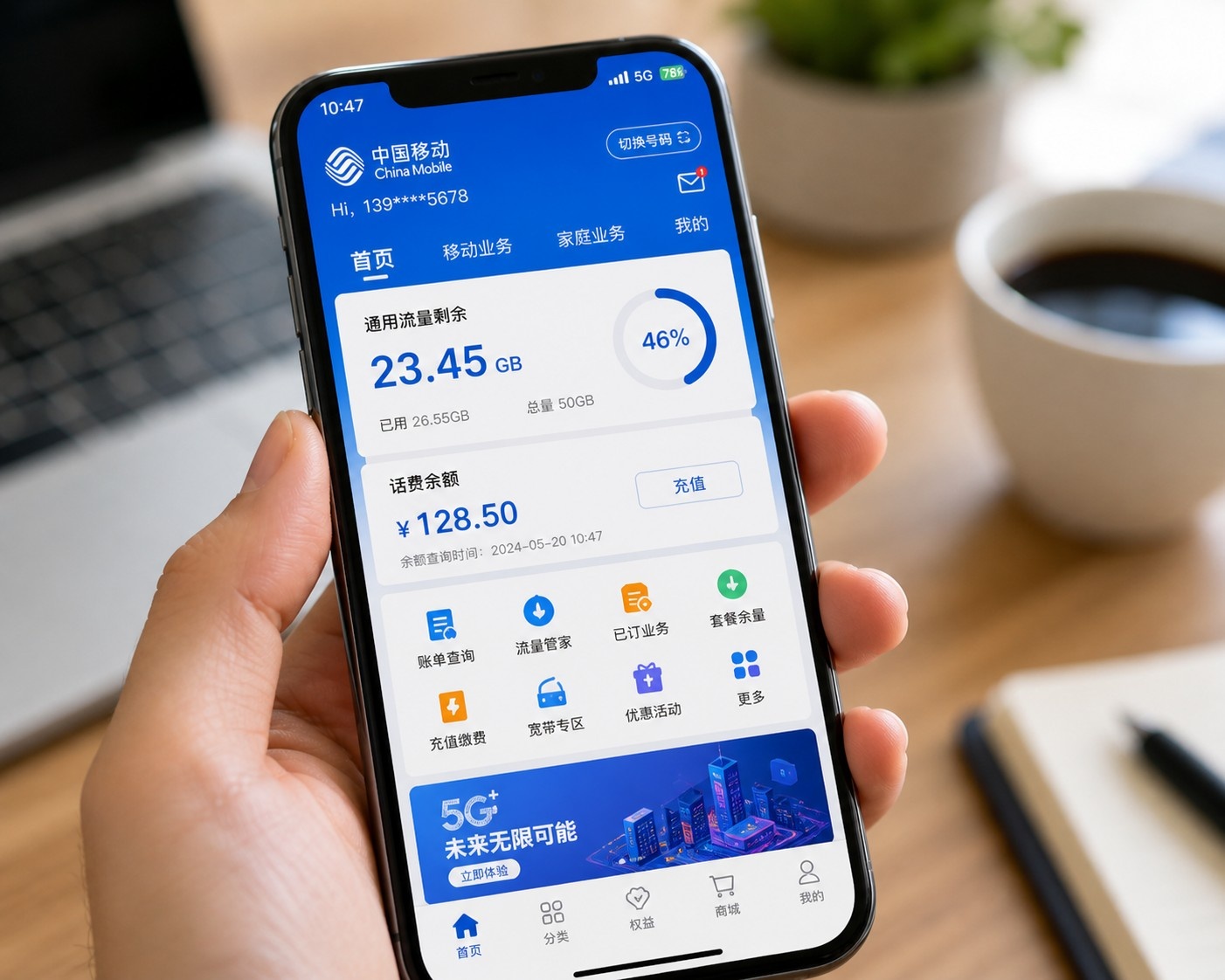
Once you have your SIM, download the carrier’s app (e.g., China Mobile App) where you can check your balance and top up online. Also, make sure your phone supports the local 4G/5G bands. Most modern phones from Europe, North America, or Asia are compatible, but older models might miss certain frequencies.
Having a reliable Chinese SIM card is the first step to unlocking the convenience of life in China. It connects you to payments, communication, and daily services that make navigating this vast country possible.