

A Farm Beneath the Waves
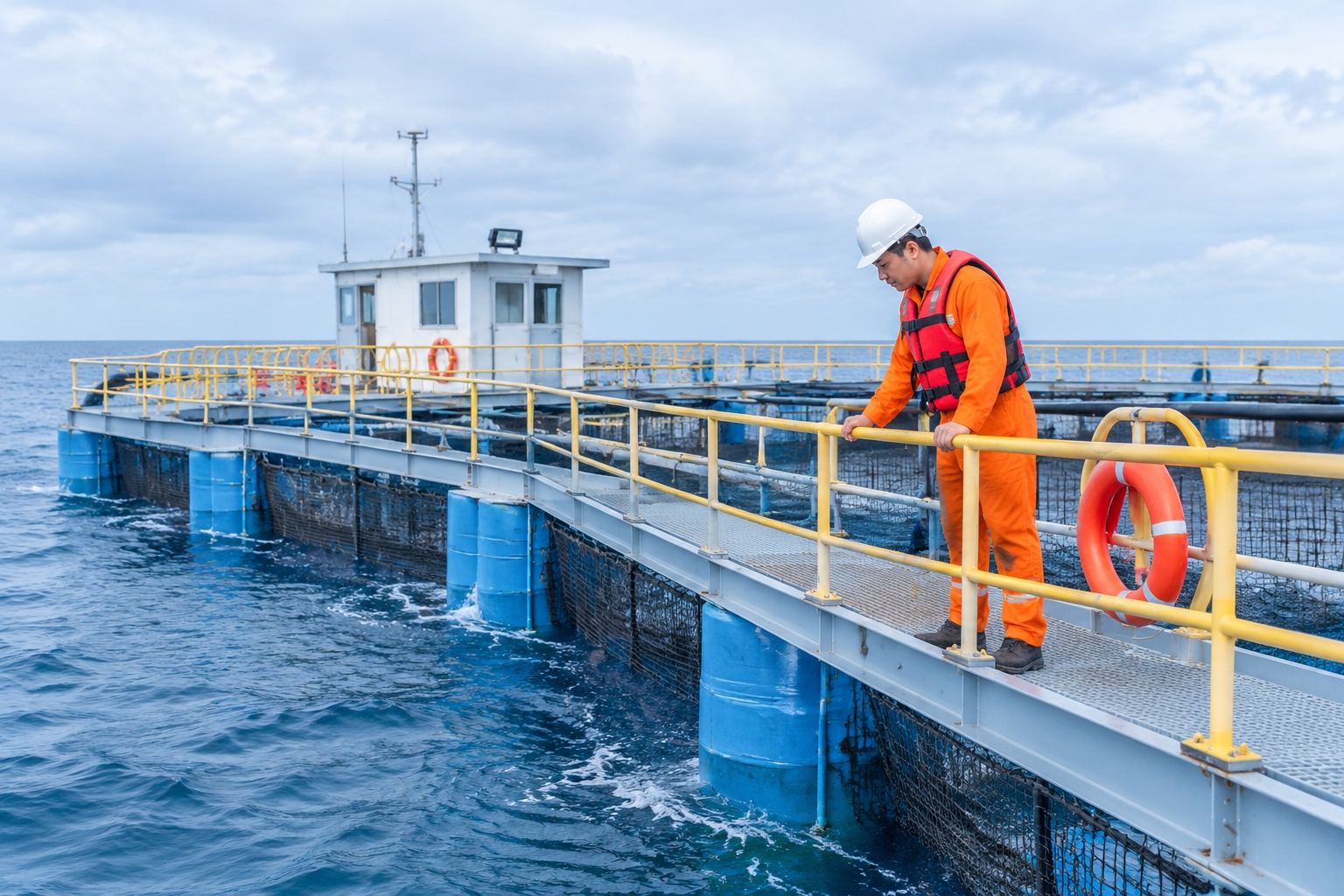
Picture this: you’re on a boat in the South China Sea, no land in sight. Below the surface, tens of thousands of fish are swimming inside a giant steel cage. Feeding is automated, cameras monitor their every move, and data streams to a control room on shore. This isn’t a sci-fi movie — it’s an ocean ranch, and Guangdong province is building them at an ambitious pace.
For most people, aquaculture means shallow ponds or nearshore pens. But southern China’s coastline is different. Here, the future of seafood is being pushed into deeper, rougher waters, where currents are stronger and space is wide open. The result is a “blue economy” that could change how we think about producing food from the sea.
What Exactly Is an Ocean Ranch?
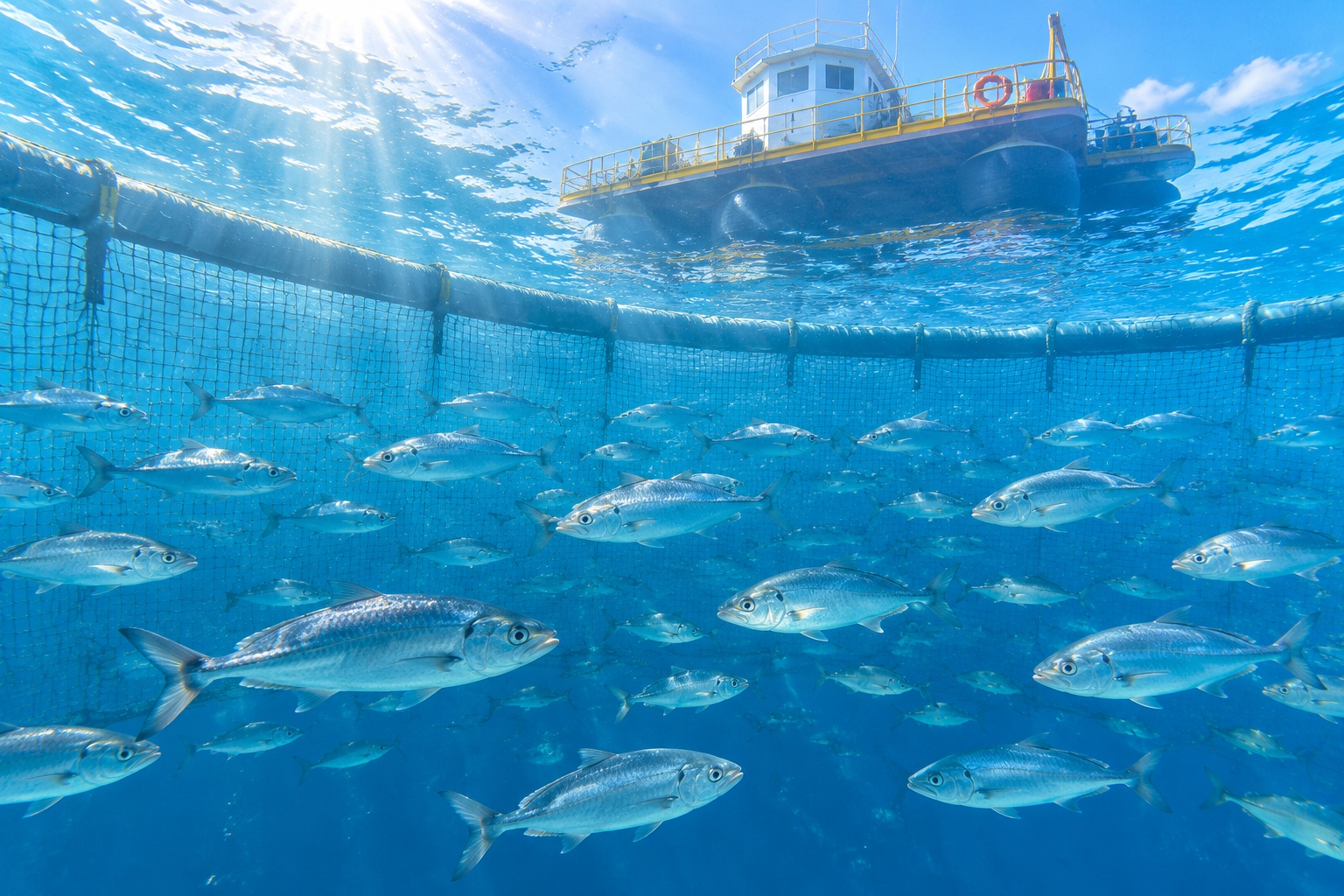
An ocean ranch is a large, semi-submersible or floating structure designed to raise fish in open water, often several kilometers from shore. Unlike traditional fish farms, these platforms are built to withstand typhoons and strong currents. They can hold hundreds of thousands of fish in deep-water cages, with automated feeding systems and real-time environmental monitoring.
Think of it as a smart farm, but for the sea. Sensors track temperature, oxygen levels, and fish behavior. Drones and underwater robots help with maintenance. Some platforms even have living quarters for a small crew, allowing them to stay for weeks at a time.
One of the most famous examples in Guangdong is the “Haiwei No. 1,” a 14,000-ton platform that measures over 90 meters long. It’s anchored in about 55 meters of water, far enough offshore to avoid polluting coastal areas. The platform can farm fish like grouper, snapper, and pompano, which are highly prized in Chinese cuisine.
Why Guangdong? Geography and Ambition
Guangdong has a long tradition of aquaculture, but coastal waters are getting crowded. Pollution from rivers and industrial activity has made nearshore farming risky. The answer, provincial planners decided, is to move offshore — into deeper waters where the current brings clean water and less disease.
The province has a coastline of over 4,000 kilometers and a massive seafood market. Nearly every family in the region eats fish daily. With rising demand and shrinking wild fish stocks, farming in the open sea became a necessity, not just an option.
In recent years, Guangdong has launched multiple ocean ranch projects. The government has mapped out zones for deep-sea aquaculture, offering subsidies and research support. By 2025, the province aims to build several large-scale platforms, creating a new “blue granary.”
Inside the Tech: How Deep-Sea Farming Works
So how does it actually work? Take a typical platform like the Haiwei. It’s a semi-submersible vessel that can be partially lowered into the water for stability. The fish live in a giant net underneath, which can be 40 meters in diameter and 15 meters deep.
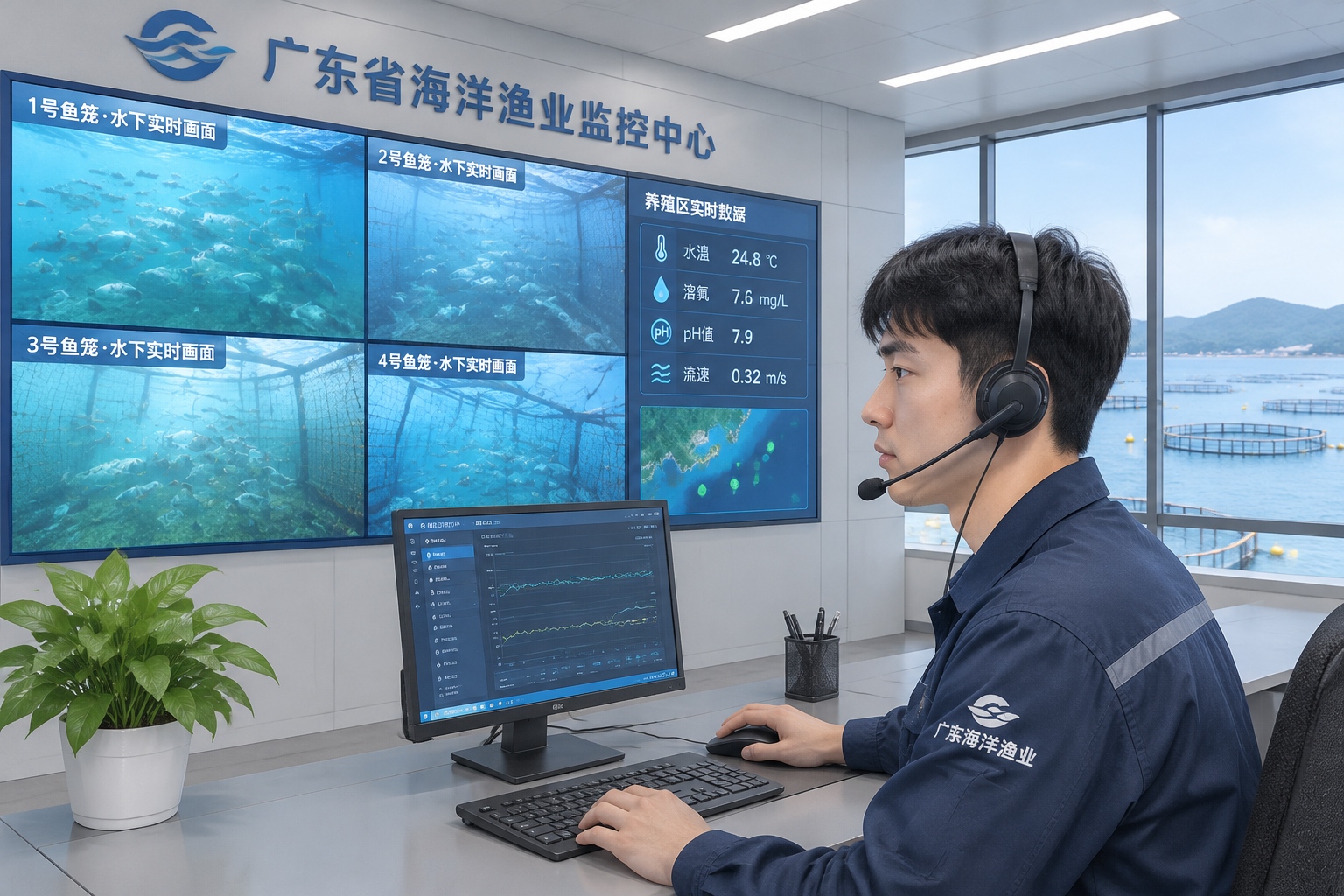
Feeding is fully automated. Pellets are blown through pipes by air pressure at set times, controlled by software that calculates how much the fish are eating. Cameras underwater count uneaten pellets to adjust the next feeding. This precision reduces waste and lowers costs.
Workers onshore can watch live video feeds from dozens of cameras. They can even control underwater robots to inspect the nets for damage. If a typhoon approaches, the entire platform can be lowered to ride out the storm, or towed to shelter if needed.
Maintenance is another challenge. Underwater robots are used to inspect nets and clean off marine growth. Divers are still needed for some tasks, but the goal is to make these platforms fully autonomous by 2030. Remarkably, one person can manage a platform that holds up to a million fish. That’s a far cry from the labor-intensive fish farms of the past.
What It Means for Your Dinner Plate
For seafood lovers, these ranches promise a consistent supply of fresh, high-quality fish without the environmental guilt of overfishing. Because the fish are raised in open water, they have a taste and texture closer to wild fish than those from crowded ponds. And since the ranches are far from shore, there’s less risk of disease spreading to wild populations.
China is the world’s largest consumer of seafood, and this kind of sustainable farming could ease pressure on wild stocks. Fish from these platforms are sold in cities like Guangzhou and Shenzhen, often within 24 hours of harvest. In Guangzhou’s Huangsha seafood market, fish from these platforms are marked with a traceable QR code. Consumers can scan it to see which platform the fish came from, what it ate, and when it was harvested. This transparency is building trust in a market often haunted by questionable sourcing.
It’s a model that could be replicated in many coastal regions around the world. But there are challenges. Building a single platform costs millions of dollars. Operating them requires skilled technicians and engineers. And even with automation, the sea remains unpredictable. Typhoons, algae blooms, and equipment failures are real risks.
The Hard Part: Costs, Storms, and Balance
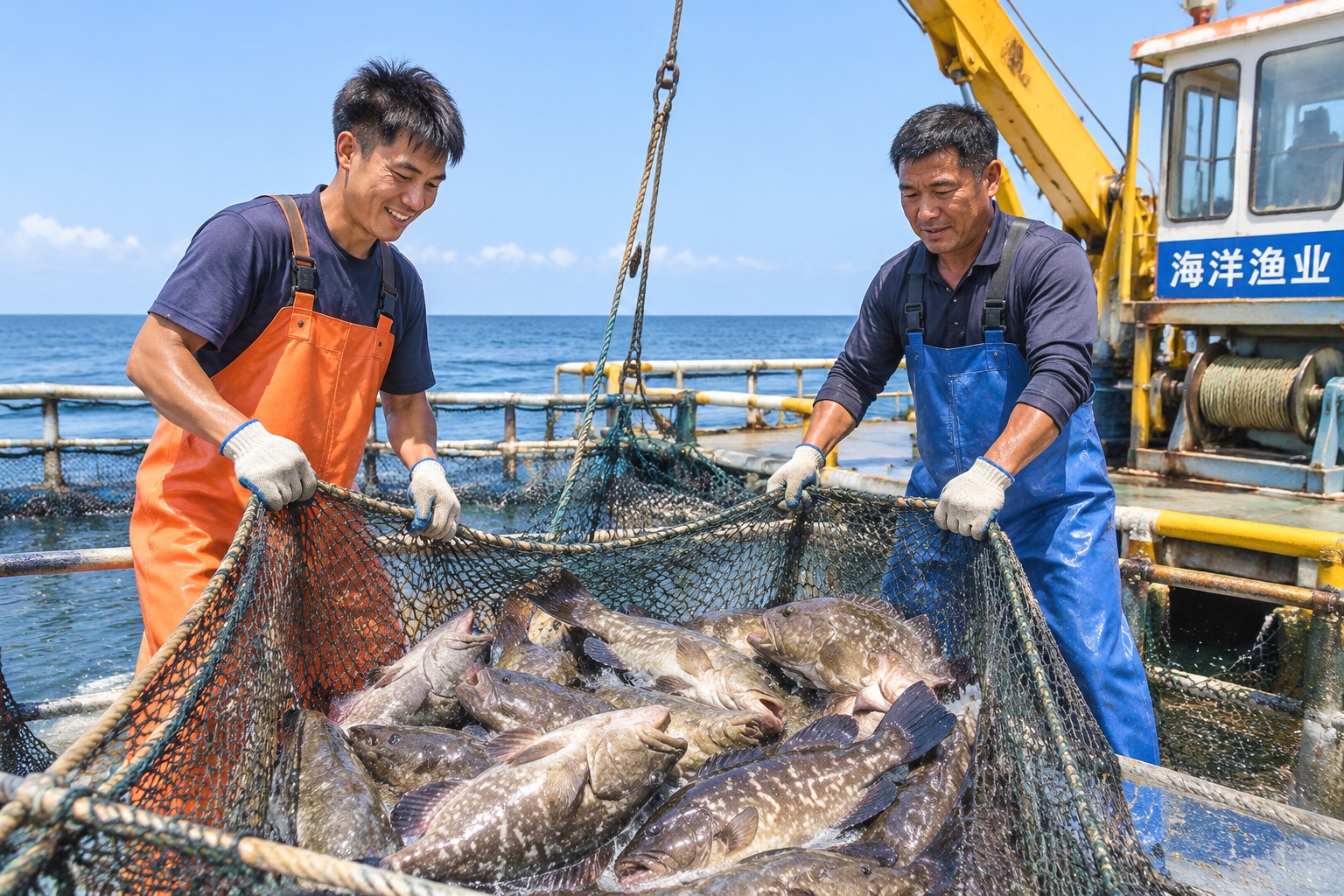
Let’s be honest: ocean ranching isn’t a miracle solution. The initial investment is high, and payback takes years. Some early projects have struggled with high mortality rates due to unexpected currents or heat waves. Others have faced technical glitches in remote locations where repairs are difficult.
A serious typhoon can cause millions of dollars in damage, even with the best design. In a recent incident, a typhoon passed close to one of the platforms, forcing the crew to evacuate and the platform to dive to 10 meters below the surface. It survived, but the scare served as a reminder of nature’s power.
There’s also the question of environmental impact. While offshore farms are better than nearshore ones, large concentrations of fish can still create nutrient-rich waste on the seafloor. Companies are experimenting with integrated systems that grow kelp and shellfish alongside fish, which can absorb excess nutrients.
Despite these hurdles, the sector is growing. Guangdong’s government sees ocean ranching as a strategic industry, and private investors are taking note. With advances in materials science, AI, and marine engineering, costs are slowly coming down.
The Blue Economy, One Cage at a Time
Standing on the deck of an ocean ranch, you hear the hum of generators and the splash of fish feeding. It’s a strange, hopeful contradiction: some of the most advanced technology on Earth, working to produce something as ancient as food.
For Guangdong, these offshore platforms are more than a source of fish. They’re a symbol of how China is turning its vast maritime resources into economic and environmental assets. As the world’s population grows and climate change puts pressure on land farming, the ocean will have to feed us more. Ocean ranches show one way to do it responsibly.
Next time you see a piece of grouper on a menu, it might just come from a steel cage floating in the deep blue water off Guangdong’s coast.
Start the discussion at forum.chinacomes.com