


Introduction: Landing in China Without a Social Net
When I first moved to China to teach English, I expected the language barrier to be my biggest problem. It wasn’t. The real challenge was something simpler: I didn’t know how to add a new friend to my phone.
Back home, you meet someone, exchange numbers, maybe follow each other on Instagram. But in China, none of that matters. If you meet someone at a café or a work event, the question is always: “Can I scan your QR code?” That little square on a WeChat screen is the front door to nearly every friendship in the country. Before I learned to use it, I spent my first week talking only to my landlady and the cashier at the corner shop.
The good news? It’s easy to learn, and once you do, the social world opens up. Let’s walk through the basics, from WeChat to dinner tables, with practical tricks that actually work.
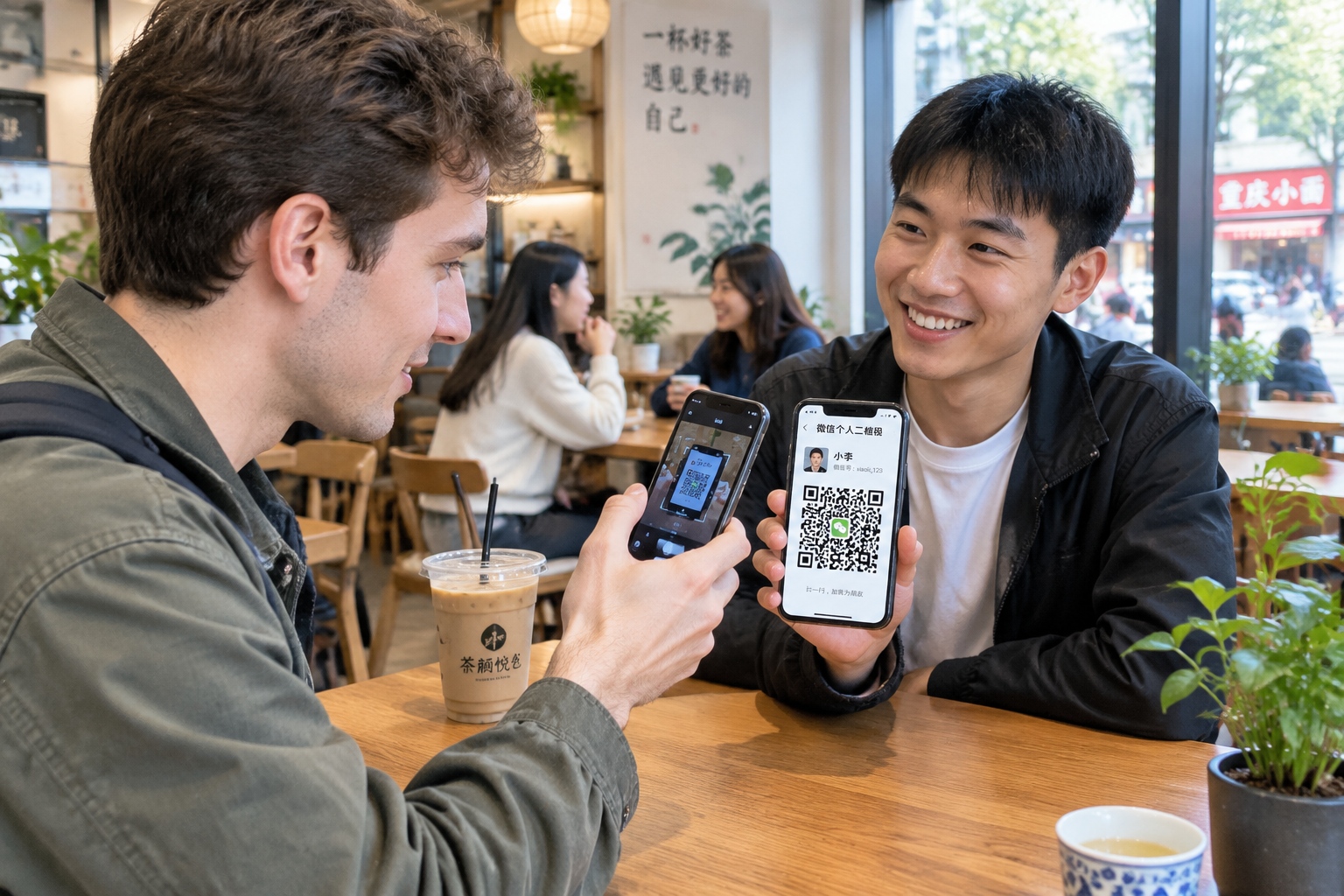
Step 1: The WeChat Add-Friend Manual
What Is WeChat and Why You Can’t Skip It
WeChat — in Chinese, Wēixìn — is more than a messaging app. It’s a user manual for daily life in China. People use it to pay at stores, book taxi rides, read news, call for takeout, and even flash a “Health Code” at the subway. For making friends, it’s your business card, your group-chat hub, and your social media feed all in one. If you aren’t on WeChat, you’re essentially unreachable to most Chinese people.
Setting Up WeChat
Download it from the App Store or Google Play; registration requires a phone number that can receive SMS. If you use a foreign mobile plan, you can get China Mobile, China Unicom, or China Telecom prepaid SIM cards easily. WeChat’s interface supports English, but be aware that some small buttons and certain features (like some mini-programs) are only in Chinese. Ask a friend or a colleague to help you translate those — it’s a natural way to start a conversation.
Ways to Add Friends
There are four common methods you’ll use daily:
- Scan the QR code. Your WeChat profile has a code under “My QR Code.” Open it and let the other person scan you. You can also scan theirs by tapping “Add Friends” → “Scan.”
- Share a contact card. If a mutual friend introduces you, they can open your chat and tap your profile card to send to the other person.
- Join a group chat. WeChat groups are the social pool of China. Once you’re in a group, tap anyone’s avatar and send a friend request. Most people will accept, especially if you’ve already spoken in the group.
- Search by WeChat ID or phone number. Every account has a unique ID. Ask for it, or give them yours.
WeChat Etiquette: Moments and Red Packets
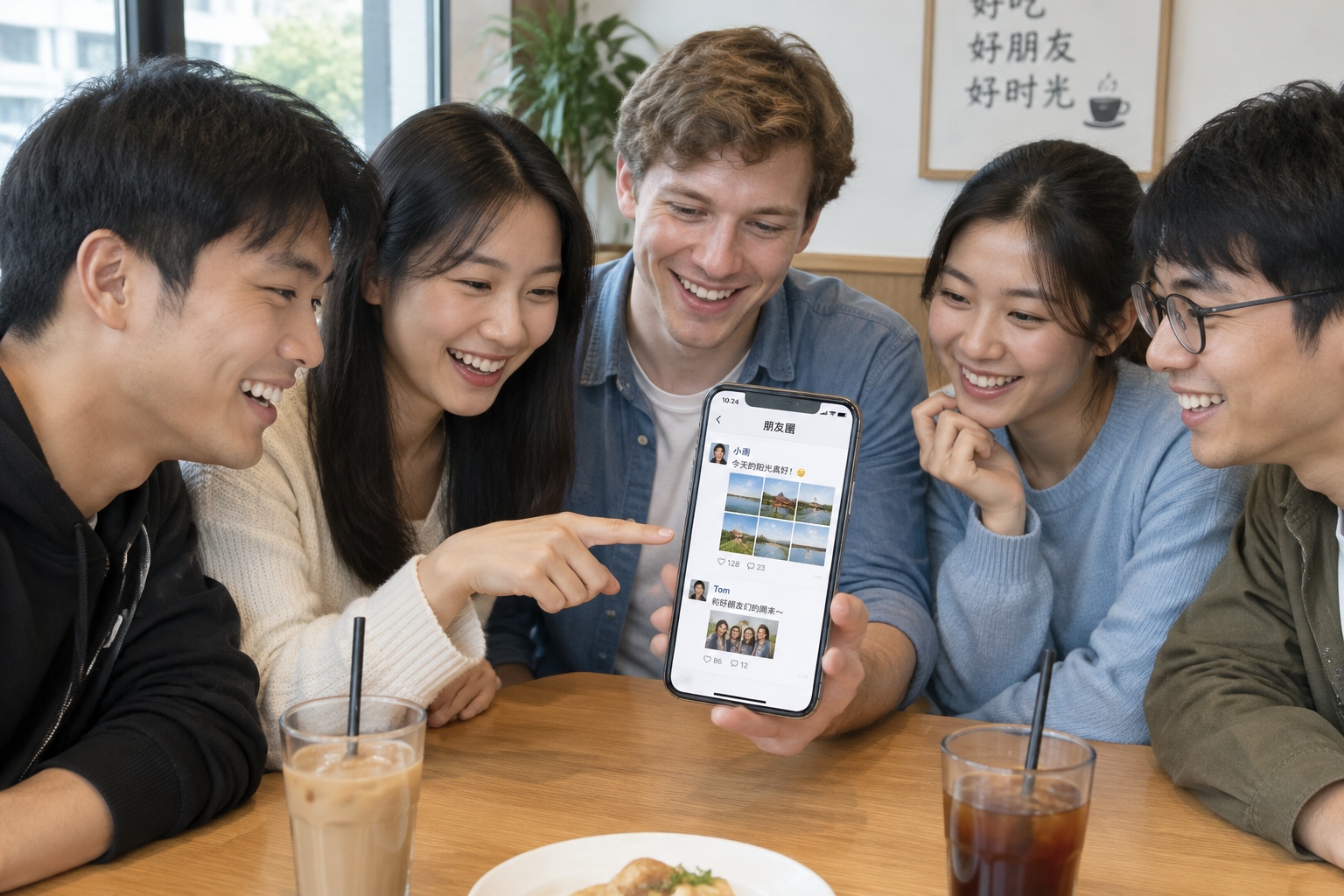
When you first add someone, don’t send a long message. A simple “Hi, it was nice meeting you today” works. After that, reply to their Moments — a feature like Facebook’s timeline — with a short comment or a like once in a while, but don’t overdo it. Don’t comment on every photo; you’ll look like a robot.
Another unique feature: red envelopes, or hóngbāo. During festivals like Chinese New Year, people send small amounts of money in red envelopes through WeChat. You can send ¥1 or ¥5 with a note like “dragon boat festival wishes.” It’s not about the money — it’s about being playful. But don’t send red packets to people you’ve just added; that can feel awkward or even suspicious.
Step 2: Moving from WeChat to Real Life
How to Suggest a Meetup
If your messages are getting warm and funny, it’s time to go offline. One thing I learned: many Chinese friends are shy about suggesting a specific time. They worry they’ll be too pushy. So you should offer a concrete plan. Instead of saying “We should hang out someday,” try “There’s a great dumpling place next to my office. How about Thursday at 6:30? I’ll book a table.”
Also, start with a small group. A one-on-one coffee can feel too formal or intense for a new friendship. Invite three or four people to grab street food or visit a park. That way, the conversation flows naturally and no one feels stuck.
Where to Meet
Coffee shops are fine, but many Chinese friendships are built around food. Hotpot, barbecue, or a casual noodle shop often feels more relaxed. If you both like sports, book a badminton court for an hour or two — you don’t need to be good, just hit the shuttlecock around and laugh. Hiking groups and cycling clubs are active in almost every city; usually you can find them on WeChat group searches or through local expat forums.
Gift Giving and Politeness
When invited to someone’s home, bring fruit or a dessert. Don’t buy something expensive; it makes the host uncomfortable. Also, don’t wrap gifts in white or black paper — these colors are traditionally associated with funerals. And when you present the gift, the host may refuse it politely (“Oh no, you shouldn’t have!”). In Chinese culture, that refusal is often a form of courtesy. Just say “It’s nothing” and gently put it down. They’ll accept it.

Step 3: Table Socializing — The Survival Manual
Is Drinking Culture a Must?
If you read articles about Chinese business dinners, you’ve probably heard of báijiǔ — a clear, high-proof liquor that some compare to rocket fuel. At formal banquets, toasting is a serious ritual. But in casual, everyday friendship, drinking is rarely forced. Still, knowing the basic rules saves you from awkward moments.
Table Rules You Can Actually Use
- Wait for the host or the oldest person at the table to raise their glass before you start drinking.
- When you toast someone, keep your cup slightly lower than theirs — especially if they’re older. It’s a sign of respect.
- Use both hands to hold your glass when you are being toasted, and when you’re pouring a drink for someone, hold the bottle with both hands.
- When people say gān bēi (“dry the glass”), they mean finish it. But you can also say suí yì (“as you like”) to signal that you don’t expect anyone to finish.
- If you want to toast without alcohol, you can raise a glass of tea or soda and still say “cheers.”
How to Politely Decline Alcohol
If you don’t want to drink, the cleanest way is to use your health as an excuse. Say “I’m sorry, the doctor said my stomach needs a break, so I can’t drink today.” Nobody will push. Saying “I’m the designated driver” also works if your city has ride-hailing apps and you have a car, though most people won’t question it.
The key is to keep participating. Stand up for toasts, clink your tea glass, and laugh. You’ll still be part of the table’s energy even without alcohol.
Non-Alcoholic Social Glue
China’s younger generation is shifting. Milk tea shops are everywhere, and many 20-somethings would rather queue for a bubble tea than pour a báijiǔ. Hotpot with sparkling water, a late-night barbecue with beer for those who want it, or a KTV session with a tote bag full of snacks — these are all great ways to connect without the pressure of drinking. These days, I often go to board game cafés where people play Catan with Chinese card tea and nobody touches alcohol.

Cultural Differences That Shape Friendship
Face and Guanxi
“Face” means social dignity and reputation. You give face when you let a friend show off a skill, when you compliment their cooking, or when you never shout at them in public. Criticism should happen privately, gently, and with a smile. This respect flows both ways.
Guanxi — relationships with a sense of mutual obligation — is another feature. A friend might ask you to help translate a document or recommend a product to others. Saying “yes” often deepens the bond. But you don’t have to say yes to everything. Just explain your limits honestly.
Directness vs. Indirectness
Chinese communication can feel like reading fog to Westerners. “Maybe” often means “no.” “I’ll think about it” means “sorry.” But that indirect style is a way of protecting other people’s feelings. If someone says no in a roundabout way, accept it without pushing. Similarly, when you need to say no, do it gently — no need to be blunt.
Staying Real and Setting Boundaries
Some expats fall into the trap of performing the “funny foreigner” all the time. That gets exhausting. Your Chinese friends appreciate authenticity. If you need quiet time, say “I’m feeling a bit tired today, maybe next weekend.” A good friend will understand, and it gives you space to be genuine.
Conclusion: Friendship Has No Nationality
Making friends in China doesn’t require following a perfect script. It’s about showing up, staying curious, and letting a QR code open a door. You’ll fumble a toast, misread a hint, or forget to bring fruit — that’s okay. In my first year, I went from knowing almost nobody to having a badminton crew, a dumpling night regulars, and people who call me lǎowài with warmth. That word means “foreigner,” but between friends, it just means “one of us.”
Start the discussion at forum.chinacomes.com