


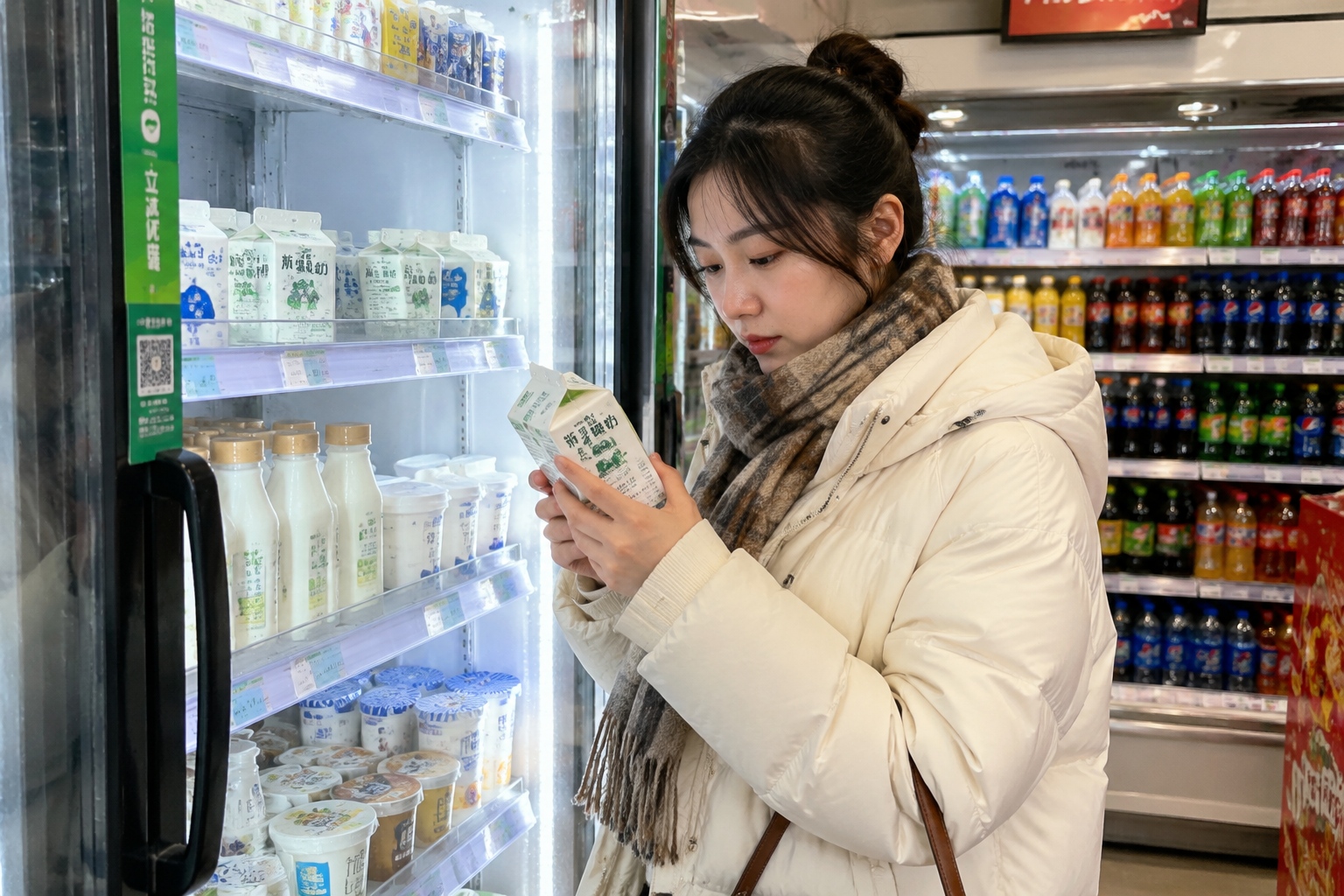
Last week, I watched a friend in a Shanghai convenience store pick up a small carton of yogurt. It wasn’t the usual brand. The package said "Xinjiang Old Yogurt," and it came from a dairy factory more than 3,000 kilometers away. She took a sip right there, then glanced at the ingredients list. "This tastes richer than any yogurt I’ve had," she said.
That scene is now repeated across the country. Xinjiang dairy products, especially old yogurt and pure milk, have become a national sensation. How did a remote region of China transform from a local milk producer into a brand that sells out from Beijing to Shenzhen? The answer is a mix of geography, tradition, and clever modern logistics.
Why Xinjiang Milk Tastes Different
Xinjiang has been home to dairy herds for centuries. The Tianshan mountain range provides vast grasslands with clean water and a big temperature difference between day and night. That climate helps grass grow with more sugar and nutrients, which in turn gives the milk a naturally sweeter and creamier taste.
The region’s dairy culture is also strong. In many Uyghur and Kazakh households, yogurt is made almost daily. It’s thick, sour, and often served at breakfast or with fruits. This traditional "old yogurt" uses whole milk and a slow fermentation process, which preserves a fuller mouthfeel than most industrial yogurts.
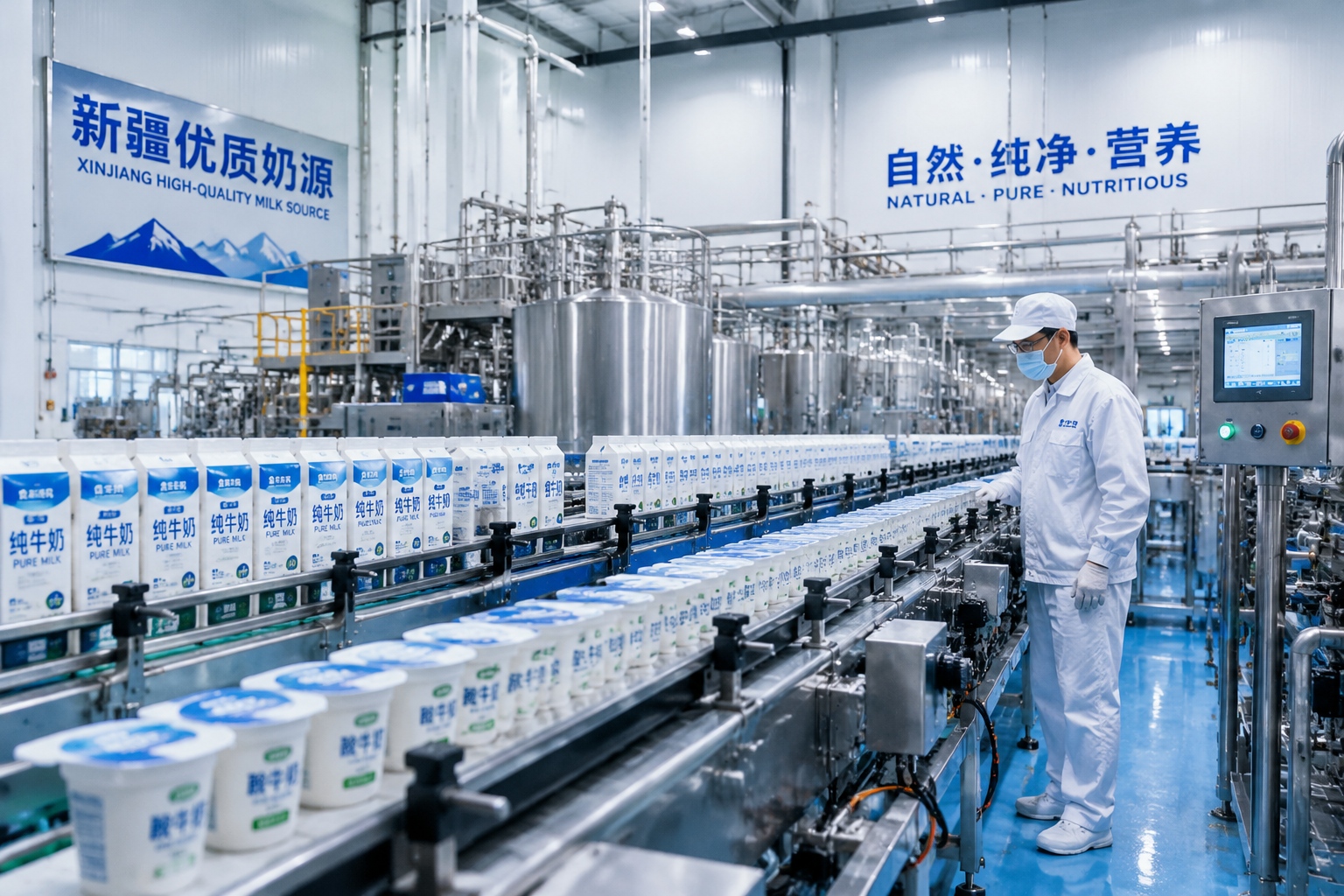
Modern dairies in Xinjiang adopted these traditions but added stronger quality control. They test milk for antibiotics, somatic cell counts, and protein levels. Many brands now advertise a higher protein content in their pure milk, which is a big selling point for Chinese consumers who worry about product quality.
From Local Tradition to National Brand
For a long time, Xinjiang dairy products were hard to find outside the region. Milk is fragile and needs cold storage, and Xinjiang is far from the major consumer markets in eastern China. But that changed in the 2010s, when e-commerce and cold-chain logistics expanded rapidly.
Today, brands like Tiansheng, Xiyuchun, and Maiquer use online marketplaces and livestream shopping to reach buyers across the country. They also introduced creative products that appeal to younger Chinese. Tiansheng’s "milk beer" and flavored fermented drinks, for instance, became social-media hits because they taste different from anything else on the shelf.
The Rise of "Old Yogurt"
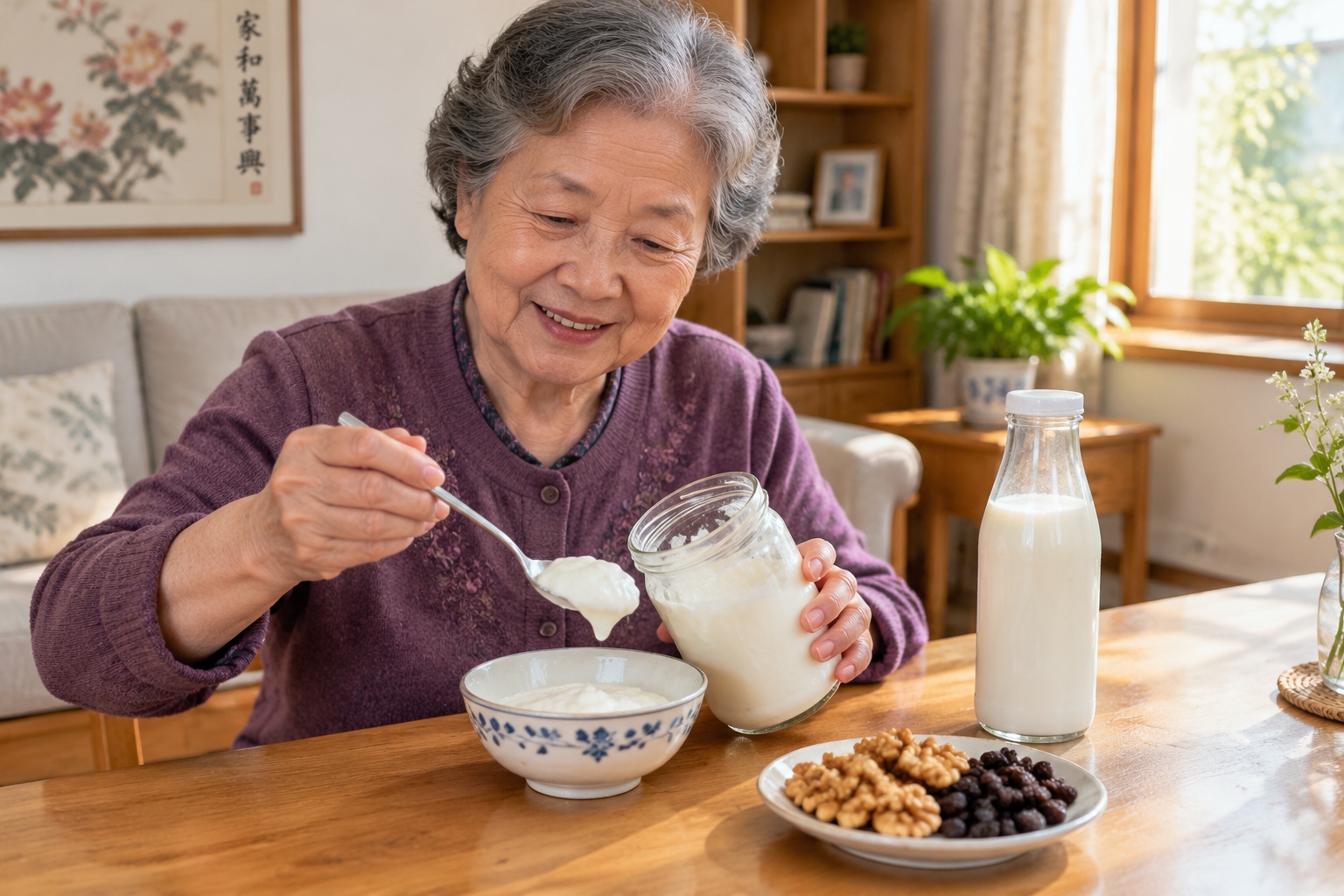
"Old yogurt" is not just a name. It refers to a style of yogurt that is set, like a soft custard, and often sold in small glass jars or plastic cups. Unlike the smooth, drinkable kind, you have to dig out the thick layer with a spoon. That texture creates a strong sensory link to home-made yogurt, which explains why it resonates with many Chinese who grew up eating it.
Xinjiang brands pushed this idea further. They packaged the yogurt in simple, old-fashioned boxes with a vintage look, making it seem more authentic. Some even call it "unhurried yogurt," because the slow fermentation takes a long time.
The E-commerce Revolution
E-commerce made the impossible possible. A dairy in Xinjiang can now ship its products to Shanghai in just three or four days using special cold-chain packaging. Online stores and daily delivery apps like Tmall and JD.com sell millions of cartons each year. During the annual 618 and Double 11 shopping festivals, Xinjiang milk often tops the dairy sales chart.
Social media has also boosted the product’s image. Food bloggers and ordinary users post videos of themselves tasting thick, creamy yogurt and describe the ‘Xinjiang taste’ as something you can’t get elsewhere.
What Consumers Say
Many people are surprised by the strong flavor. "I used to think all milk was the same, but this one has a natural sweetness," a customer in Chengdu told a local TV reporter. "I also like that it’s made with whole milk, not reconstituted." That sense of safety is important in a country where food scandals have made buyers cautious.
Pure milk from Xinjiang is also gaining fans. Test results on several popular brands show protein levels from 3.2 to 3.6 grams per 100 milliliters, which is on the high side compared to the national average of around 3.1 grams. The milk is also rich in calcium and other minerals, largely because the pastures are free of heavy pollution.
I spoke with a college student in Beijing who regularly buys Xinjiang milk through a subscription service. "The taste is more intense than other milk. It feels like you are drinking real milk, not watered-down." He said he discovered it from an online review and now keeps a box in his dorm fridge. Stories like this are common among young urbanites, who often share their favorite brands on social media.
Challenges on the Road
Xinjiang dairy products are not without problems. The long distance from the manufacturing base to coastal cities still comes with huge shipping costs, and not every factory can afford the latest cold-chain trucks. During summer heat, some deliveries arrive with the milk slightly sour, which has led to complaints.
There is also a problem of counterfeits. Some brands sell cheaper products under a fake ‘Xinjiang’ label, which hurts the reputation of the real ones. To fight this, companies are using QR codes and blockchain-based tracking to verify the origin and freshness.
What’s Next
In the future, Xinjiang dairy producers want to move up the value chain. Instead of just selling raw milk, they are developing cheese, yogurt drinks, and even ice cream with Xinjiang flavors. They are also combining tourism with dairy farming, inviting visitors to see the green pastures and meet the herds. This is not just about marketing; it’s a way to build trust.
For a consumer in Mumbai, London, or São Paulo, Xinjiang milk might still be a distant name. But for a young person in Guangzhou or Hefei, it has become a reliable, tasty choice that makes a remote region feel familiar. The journey of that small carton of yogurt is, in many ways, a snapshot of modern China: tradition meets technology, and distance is no longer an obstacle.
If you haven’t tried it, you might want to find a pack. The taste is something you won’t forget.
Start the discussion at forum.chinacomes.com