
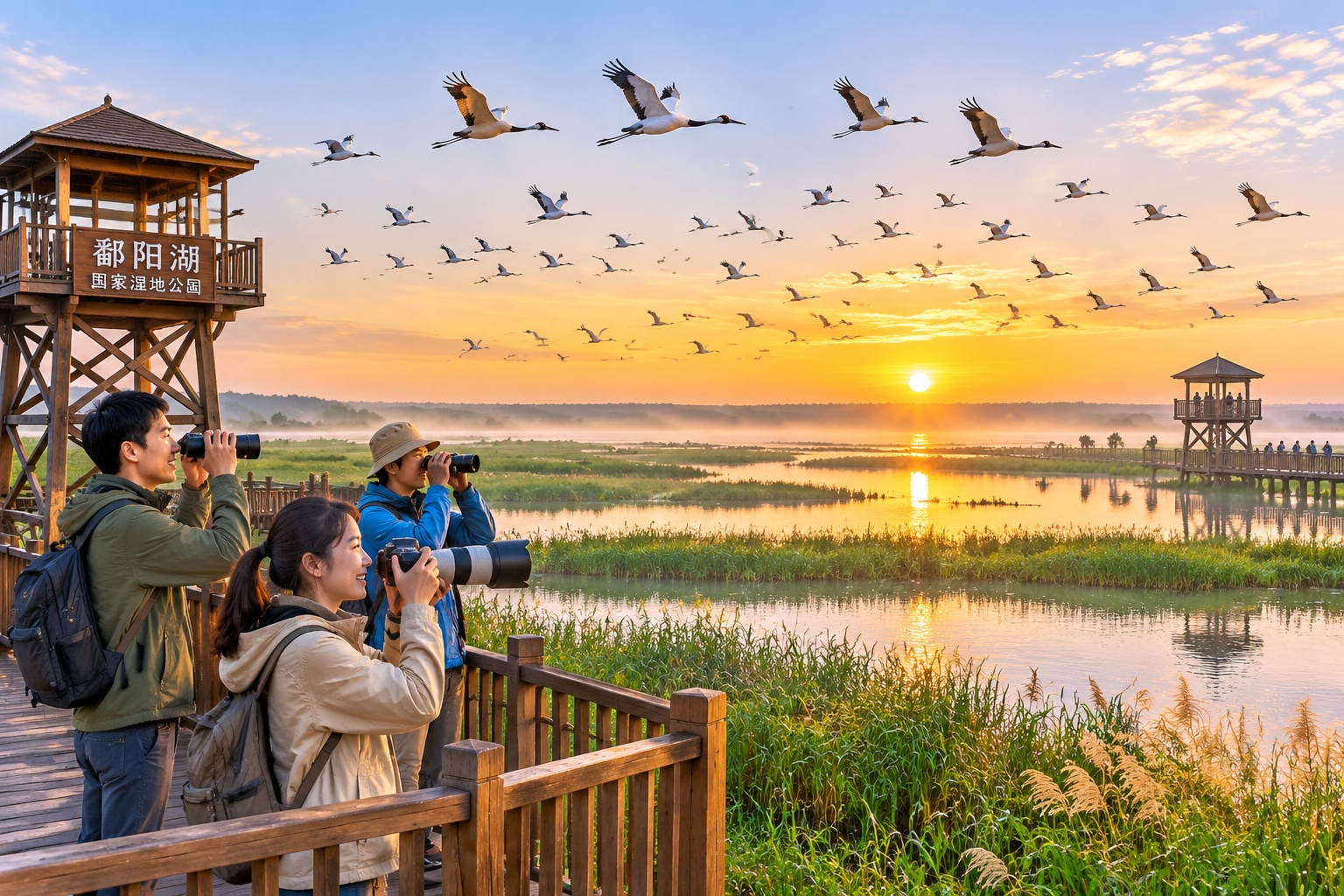

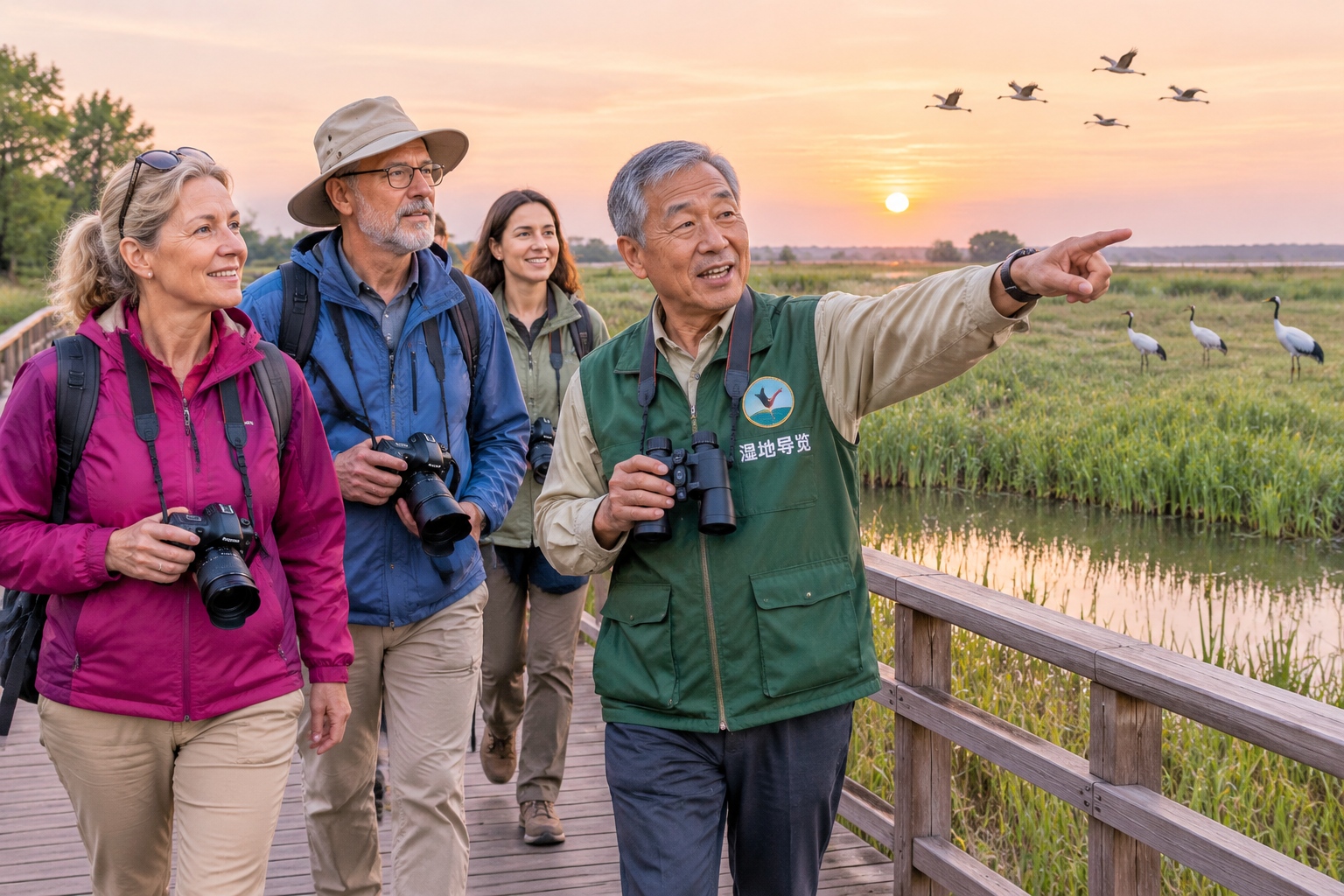
At dawn on Poyang Lake, a thin mist hangs over the water as a group of birdwatchers quietly raise their binoculars. Among them is Luo Gen, 68, a former fisherman who now works as a local bird guide. "Ten years ago, I used to set nets out there," he says, pointing to a distant patch of wetland. "Now I count birds, not fish. And I make more money doing it."
Poyang Lake, in eastern China’s Jiangxi province, is a stopover for hundreds of thousands of migratory birds each winter, including the endangered Siberian crane. It is the heart of what Chinese officials now call Jiangxi’s "green lungs" — a network of wetlands, forests, and rural landscapes that the province has been developing as an eco-tourism destination. But can tourism really protect nature? The evidence here suggests it can, though the path is more complicated than a simple slogan.
The Green Lungs of Jiangxi
Jiangxi is one of China’s most forested provinces, with over 60% of its land covered in trees. It is also home to the largest freshwater lake in China, Poyang, which floods in summer and dries to grasslands in winter—creating one of the most important wetland ecosystems in Asia. For decades, the area was under pressure from overfishing, sand mining, and industrial pollution. But since the mid-2000s, a series of conservation programs—many tied to tourism—have changed the calculus.
Nowhere is this more visible than around the lake. In the winter, hundreds of luxury tour buses line the roads. Visitors come for the cranes, the white egrets, and the sight of millions of geese lifting off at sunset. Local authorities have built boardwalks and watchtowers, limiting access to core wetland areas. Tourists are required to follow specific routes, and entry fees contribute directly to habitat restoration.
Tourism That Pays for Protection
The key to making eco-tourism work, local officials say, is giving communities a direct stake in conservation. Luo Gen is one of thousands of former fishermen who have been retrained as bird guides, boat operators, and hospitality staff. The shift was supported by government subsidies and NGO programs. Today, a single bird-watching season can bring tens of millions of yuan to the surrounding villages—enough to fund patrols, remove illegal nets, and plant native grasses.
This model is not unique. In Kenya’s Maasai Mara, for instance, conservancies pay landowners for wildlife, turning elephants and lions into economic assets. In Costa Rica, eco-lodges channel revenue into national park upkeep. Jiangxi’s version, however, is more top-down. The state establishes protected zones, builds infrastructure, and then invites private companies to run tourism services. The advantage is speed: China has created 10 national parks in just a few years, covering 230,000 square kilometers. The challenge is ensuring that local voices are not lost in the process.
Ancient Villages, Modern Green Economy
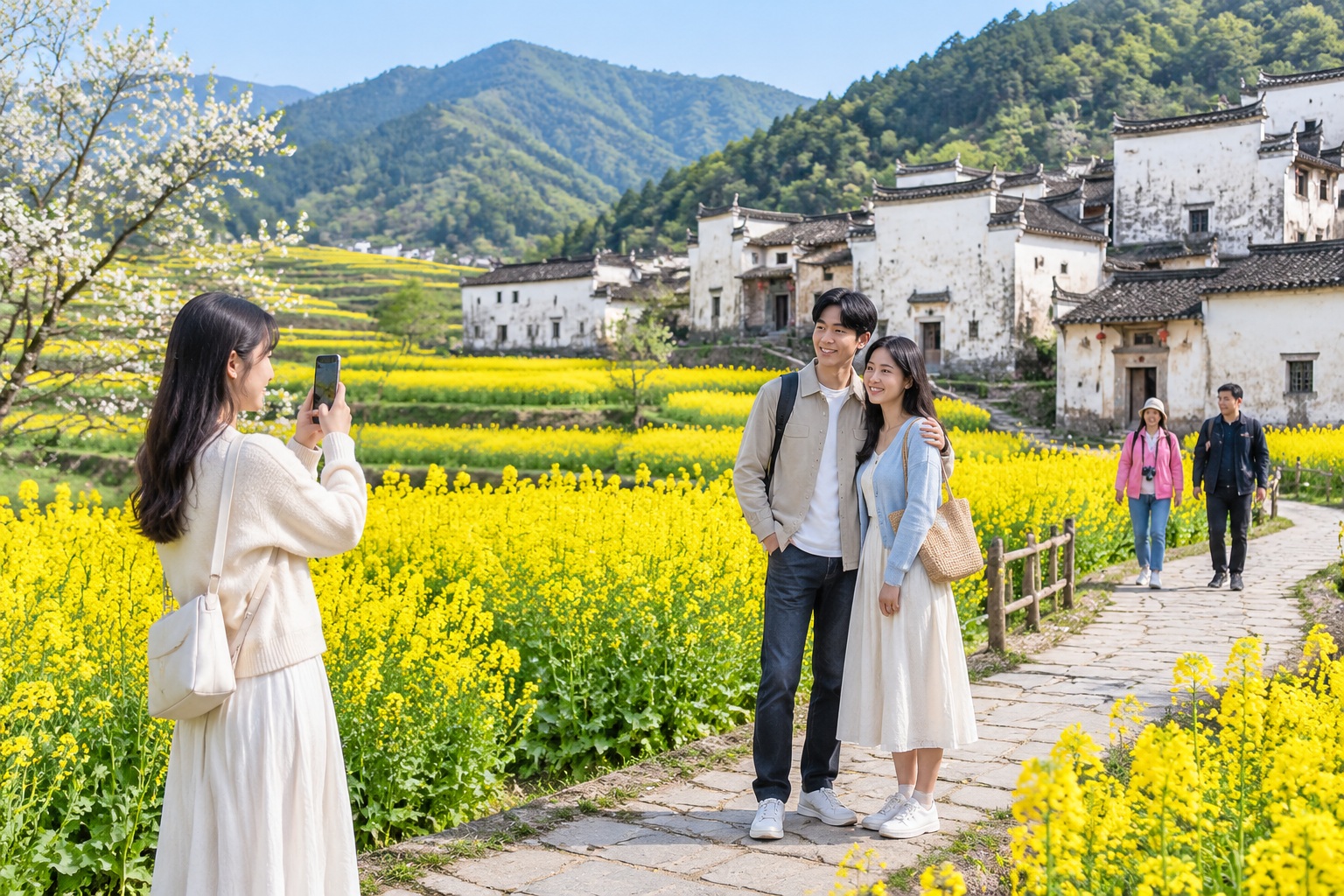
Two hundred kilometers northeast of Poyang lies Wuyuan, a county famous for its rapeseed flowers and well-preserved Hui-style architecture. Here, eco-tourism has taken the form of village-based travel. Visitors wander through centuries-old alleys, eat meals cooked by farmer families, and sleep in restored ancient homes. The county’s "flower economy" now generates over 65 billion yuan annually, much of it going back to village co-ops.
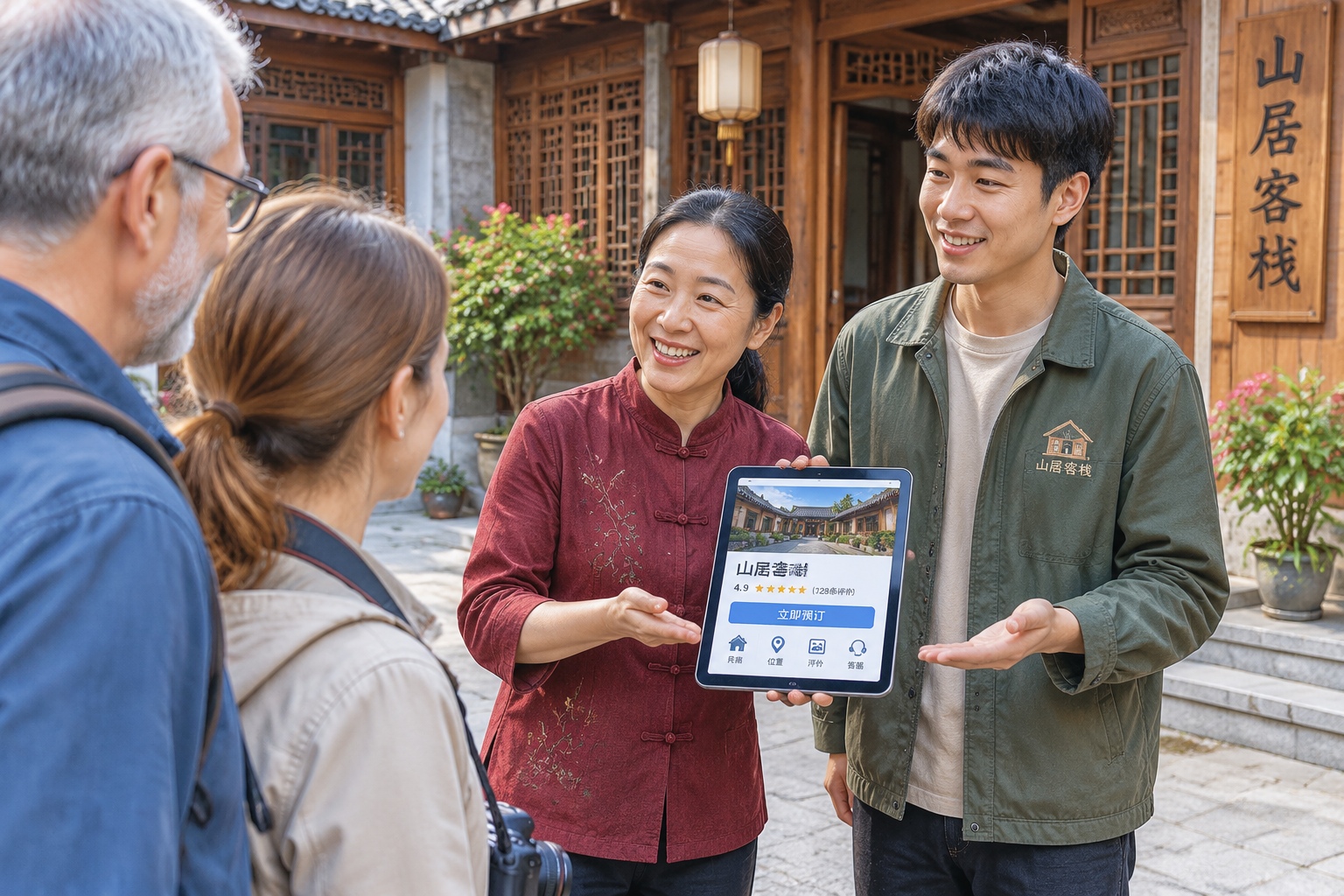
For overseas visitors, Wuyuan offers a surprising blend of tradition and modernity. There are QR codes on nearly every stall, digital maps that guide you to lesser-known hamlets, and an end-of-day rural light show that feels like a village fair meets Las Vegas. Not every visitor loves the kitsch, but the money helps. Families that once let their old houses decay now renovate them. Young people return after university to start family hotels and organic tea farms. This is the key difference from many Western heritage sites, where preservation is often funded by government grants or wealthy donors. In Wuyuan, market demand drives preservation—a more sustainable model in the long run.
A World of Difference
If you come from Europe or North America, the first thing you’ll notice about Jiangxi’s eco-tourism is the sheer number of people. A national park in the U.S. might receive 5 million visitors a year; Wuyuan gets that in a single flower season. Crowds create pressure, but they also create revenue. The trick is managing them. Chinese parks have embraced technology: real-time crowdsourced data, smart ticketing, and even drones to monitor sensitive habitats. Some of this is for convenience, some for surveillance—but the result is that you can visit a wild crane sanctuary without stepping into a nesting area.
Another difference is the role of the state. In many Western countries, eco-tourism is driven by private operators and nonprofit groups. In Jiangxi, the local Party committee often approves every major project. This can lead to what scholars call "rent-seeking" or simply slower, more bureaucratic decision-making. But it also means that conservation priorities can be enforced. When the national government declared a ban on fishing in the Yangtze River basin in 2020, Jiangxi had to re-school tens of thousands of fishermen. The transition was eased with tourism jobs.
Challenges Ahead
Eco-tourism is not a perfect answer. Some villages have become commercialized to the point of kitsch—plastic fences around rice paddies, "traditional" dances staged twice an evening. In some lake areas, overdevelopment has led to water quality issues. And not all local residents benefit equally; the biggest profits often go to outside companies. Yet there is a growing awareness that nature itself is the asset. New national parks in Jiangxi are now experimenting with models that cap daily visitor numbers and give a fixed share of ticket revenue to local communities. The Jiangxi Wetland Protection Regulations, enacted in 2017, legally require environmental impact assessments for any tourism project—a step many Western jurisdictions have not fully taken.
For the foreign visitor, the experience is a window into a different way of thinking about conservation. In the West, we often perceive nature as something to protect from humans. In Jiangxi, the message is more integrated: nature and humans can coexist, provided the traffic is managed. This is not romanticism; it is a pragmatic view shaped by centuries of dense living. And it may point to a future where green development is not a choice but a survival strategy.
Conclusion
Luo Gen, the former fisherman, now leads tourists on quiet paths through the marsh. His income comes from the wild geese, not the hunt. "My grandson will inherit this," he says, scanning the horizon. "It’s better than a bank account." That sentiment, a mix of pride and pragmatism, might be the most honest summary of Jiangxi’s eco-tourism experiment. It is not perfect, but it is working—and for a planet in crisis, that counts for something.
Start the discussion at forum.chinacomes.com