

In a bustling tea house in Guangzhou, two university students are debating the merits of martial arts novels. One passionately quotes Jin Yong’s The Legend of the Condor Heroes, referencing the complex romantic entanglements and philosophical depth that have made Jin Yong a household name worldwide. The other student pauses, sipping her milk tea, and asks a question that often stumps even seasoned fans: “But who actually started it all? Who wrote the first modern wuxia novel?”
For most English-speaking readers, the answer seems obvious: Jin Yong is the king. But for those who lived through the cultural shifts of mid-20th century China and Hong Kong, the name that comes up first isn’t Jin Yong—it’s Liang Yusheng.
The Man Who Wrote the First Modern Chapter
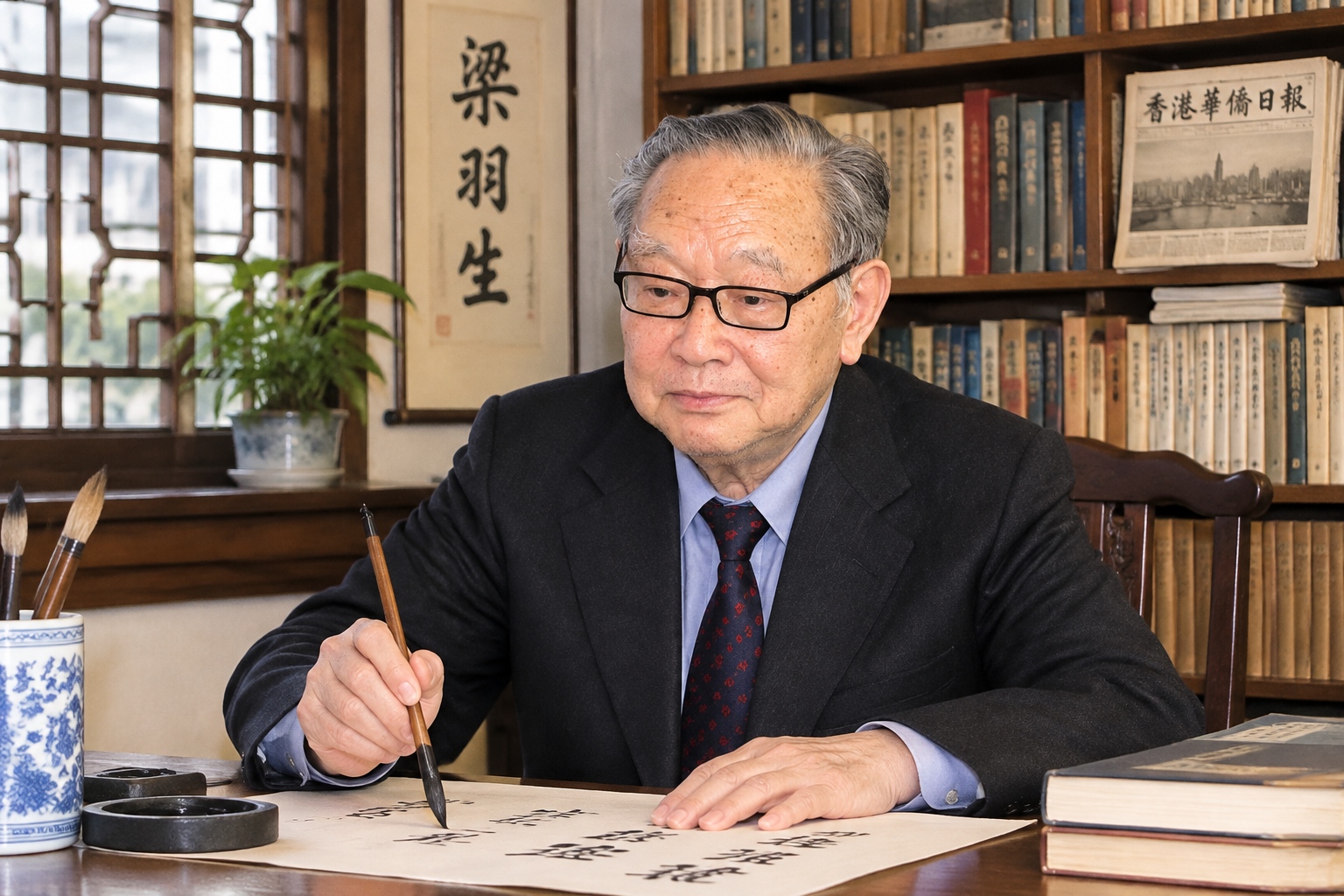
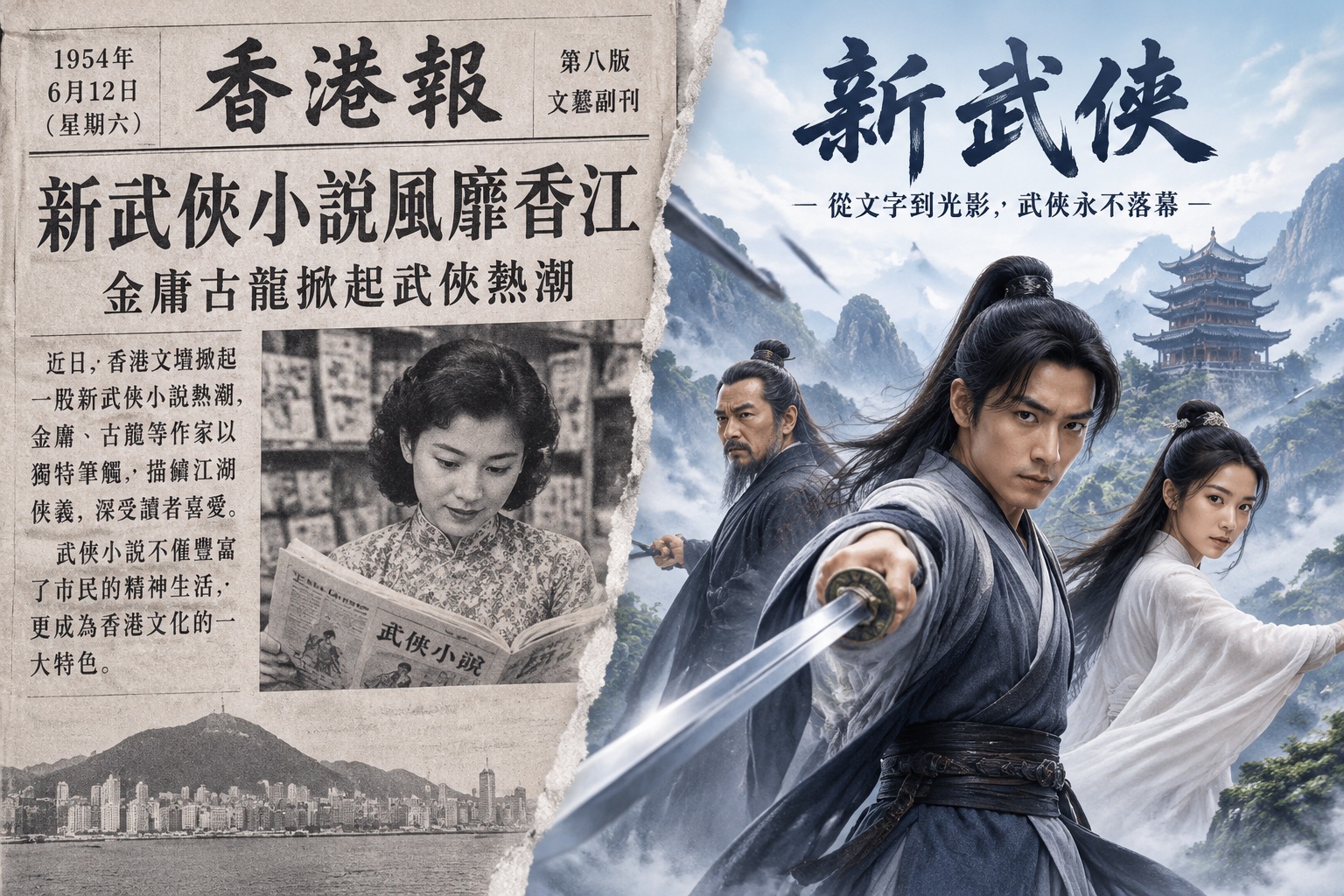
To understand why Liang Yusheng matters, you have to rewind to 1954. This was before Jin Yong began serializing his works. It was a time when “wuxia” (martial arts hero) fiction was largely seen as pulp entertainment, often criticized by intellectuals for being violent and irrational.
Liang Yusheng, a journalist with a deep love for traditional Chinese poetry and history, decided to change that. He published Baifa Nümo Zhuan (The Romance of the White-Haired Maiden), widely recognized as the first “new school” wuxia novel. Unlike his predecessors, Liang didn’t just write about flying swords; he wrote about human emotions, historical accuracy, and poetic beauty. He elevated wuxia from pulp fiction to literature.
Why Is He Invisible in the West?
If Liang Yusheng was first, why is his name barely known outside of Chinese-speaking communities? The answer lies in timing and marketing. Jin Yong’s works were adapted into massive television series in the 1980s and 90s that became cultural phenomena across Asia. His stories were translated earlier and more comprehensively into English. Jin Yong also lived longer, engaging with Western media and academic circles until his death in 2018.
Liang Yusheng, who passed away in 2009, remained somewhat elusive. His writing style is dense, rich with classical Chinese poetry references that are notoriously difficult to translate without losing their rhythm. While Jin Yong’s plots are often faster-paced and character-driven in a way that aligns with Western novel structures, Liang’s works are more lyrical, resembling traditional Chinese storytelling where the journey of the soul is as important as the fight scenes.
A Legacy Hidden in Plain Sight
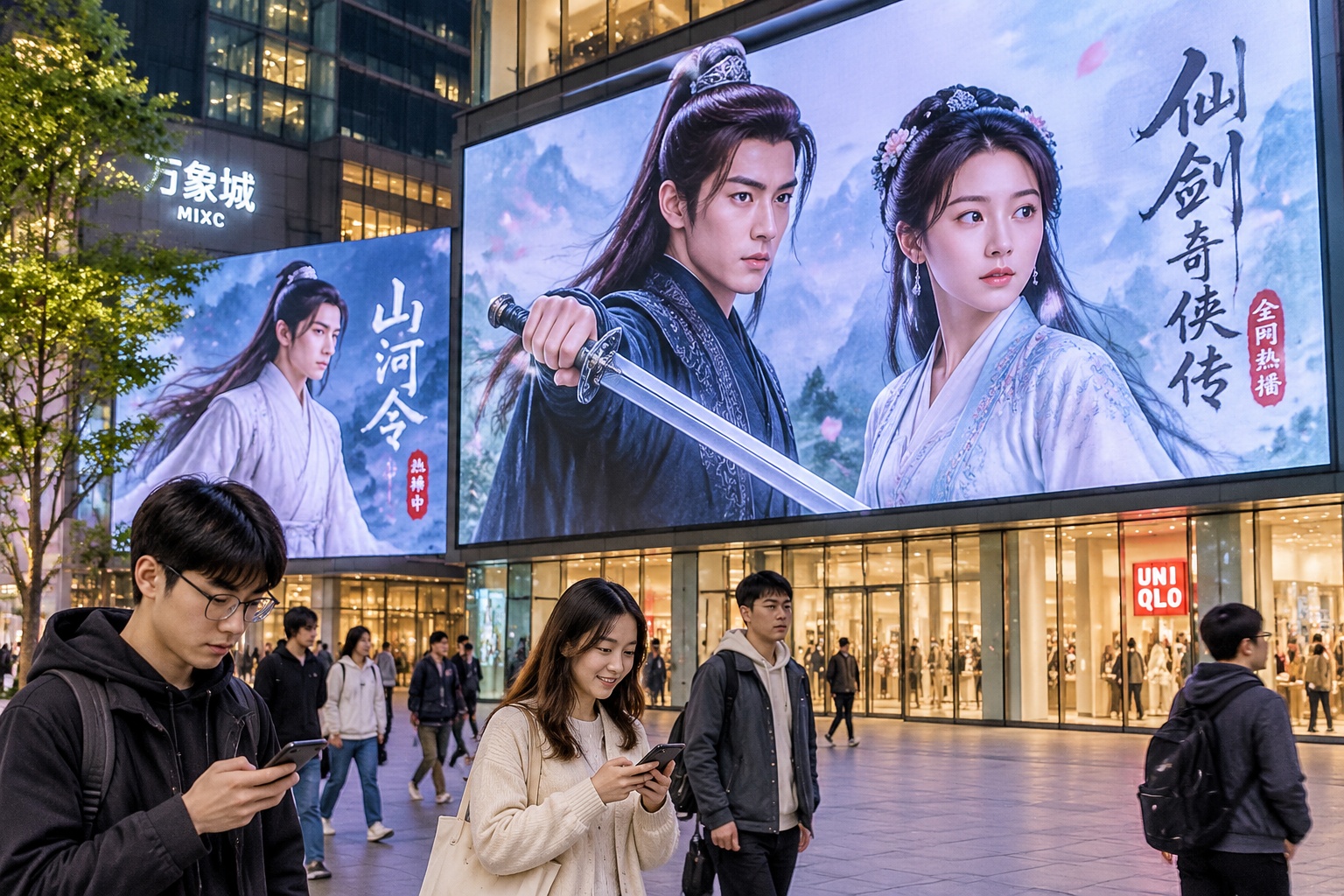
Despite his lower profile in English translations, Liang Yusheng’s influence on modern Chinese pop culture is massive. If you’ve watched any historical drama or fantasy series from mainland China or Hong Kong in the last 30 years, you’ve likely seen adaptations of his work.
His novel The Legend of the White-Haired Maiden has been adapted into film and television over a dozen times. In China, almost every generation grows up knowing the story of Zhuang Zhouxian and Ni Ronghua—a tragic love story set against the backdrop of the Ming Dynasty. It’s not just a romance; it’s a staple of Chinese cultural literacy.
The Difference Between Liang and Jin
For readers who enjoy Jin Yong, Liang Yusheng offers a different flavor. Think of it this way: if Jin Yong is like Shakespeare—complex, dramatic, and psychologically deep—Liang Yusheng is more like Keats or Shelley. His heroes are often scholars or artists who stumble into martial arts worlds. They are melancholic, poetic, and deeply connected to nature.
In Qi Jian Xia Lü (Seven Swords and Under Heaven), for example, the characters aren’t just fighters; they are representatives of different philosophical schools. The battles are choreographed not just for violence, but for aesthetic beauty. This approach influenced a generation of Chinese filmmakers, including Tsui Hark, whose visual style in films like Detective Dee owes a debt to Liang’s poetic imagination.
Why You Should Read Him Now
We live in an era where global audiences are hungry for diverse narratives. The rise of Chinese web dramas and the growing interest in Asian fantasy genres have created a perfect moment to rediscover Liang Yusheng. His themes—loyalty, the conflict between duty and personal desire, and the beauty of impermanence—are universal.
For English readers, diving into Liang Yusheng is like finding a hidden gem in a familiar museum. You know the building (wuxia), but you’ve never visited this specific wing. It’s quieter, more elegant, and surprisingly modern in its emotional depth.
Bridging the Gap
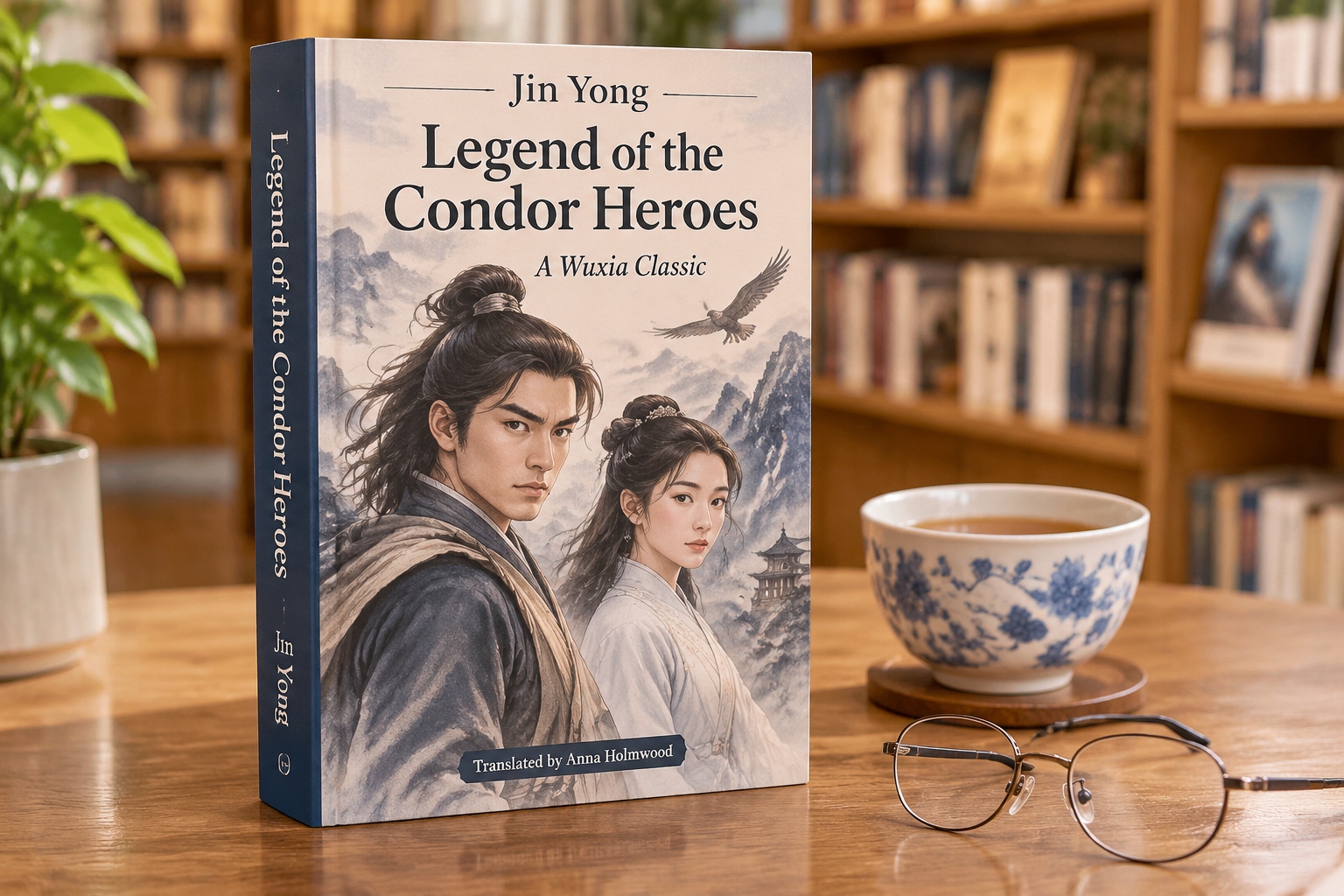
Recently, there has been a push by Chinese publishers and fan communities to translate Liang Yusheng’s major works into English. While they don’t yet have the global marketing machine behind Jin Yong, the quality of the storytelling stands on its own. If you’re tired of the same standard fantasy tropes, Liang offers something unique: martial arts as poetry.
So next time you hear someone talk about wuxia, ask them if they know Liang Yusheng. You might be surprised by how much of the genre’s DNA traces back to this quiet pioneer. He didn’t just write stories; he built the foundation upon which modern Chinese fantasy stands today.