

Introduction: More Than a Movie Backdrop
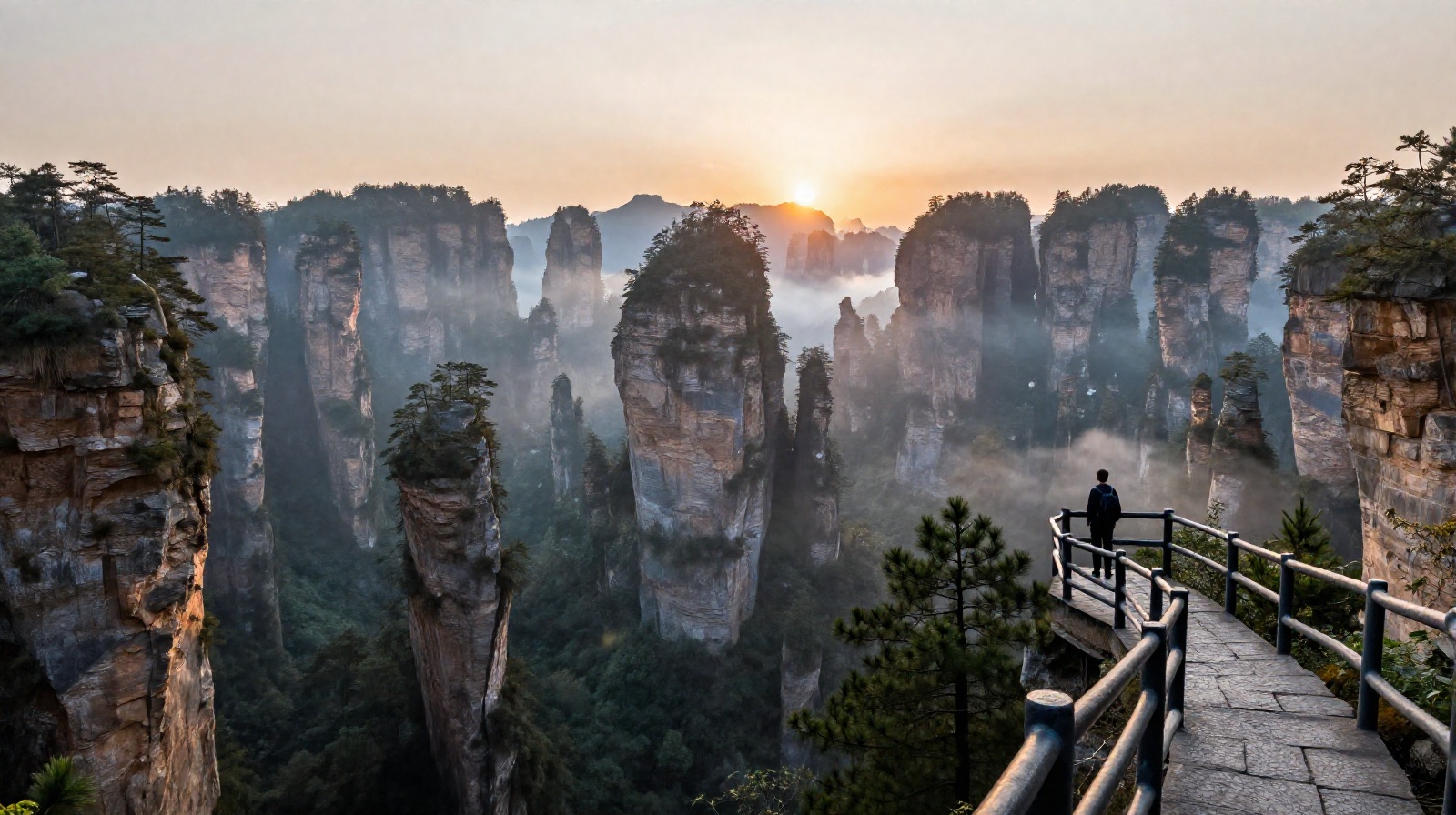
You’ve seen the floating mountains in James Cameron’s Avatar. But standing at the base of Zhangjiajie’s quartz‑sandstone pillars feels nothing like watching a screen. The air smells of wet earth and pine. Mist curls around the peaks as if alive, and the only sound is the distant click of hiking poles and your own heartbeat. This is not a CGI landscape – it’s a 3‑day experience that challenges your legs, rewards your eyes, and forces you to rethink what “natural wonder” really means.
Day 1: The Avatar Hallelujah Mountain Circuit
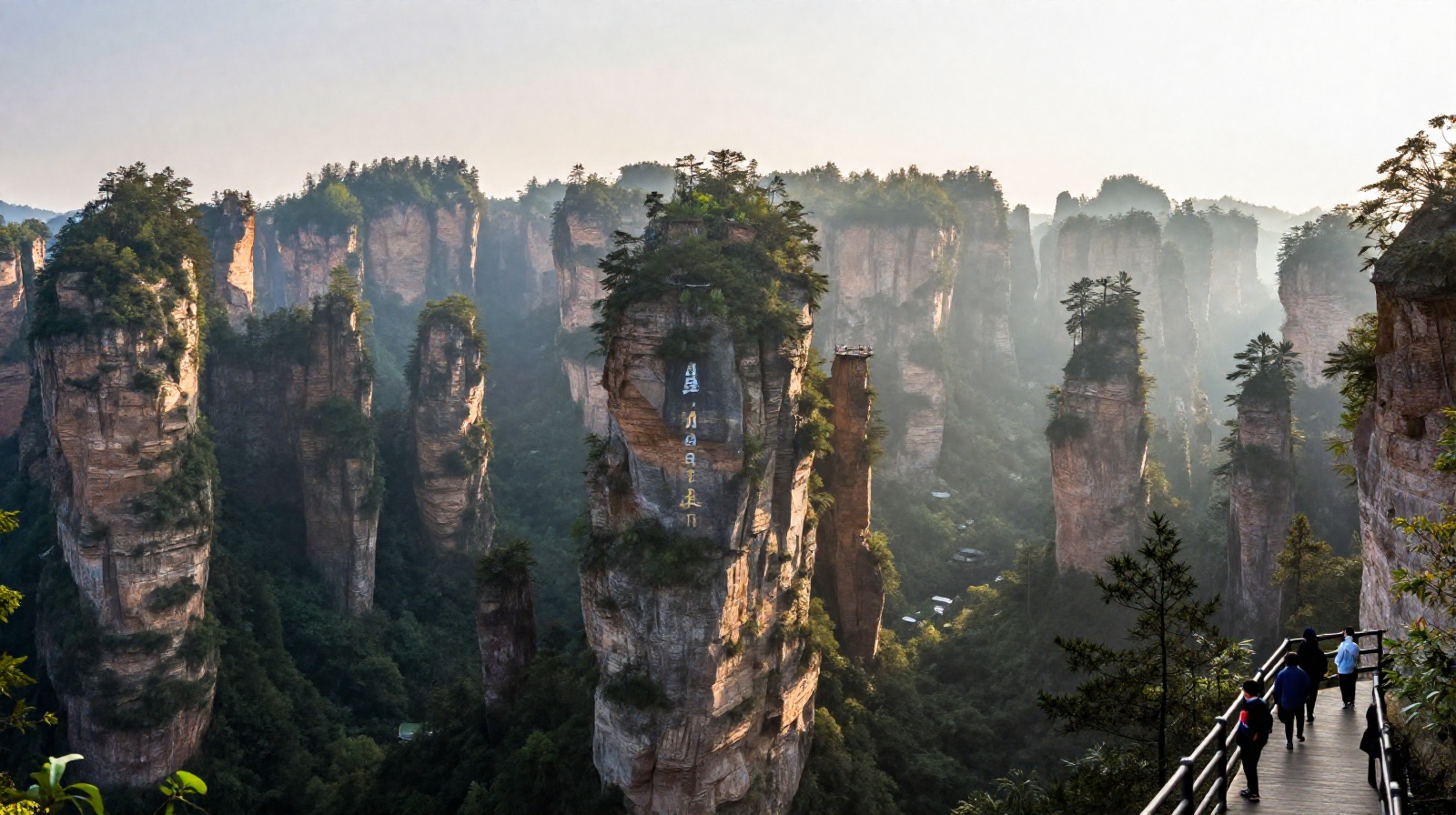
Start early from Wulingyuan entrance, heading straight for the Yuanjiajie scenic area. The cable car ride over the abyss sets the tone: you’re floating, literally. Once on top, follow the boardwalk to the “Avatar Hallelujah Mountain” – the pillar that inspired the film. But instead of lingering in the selfie swarm, take the sidetrail to the less‑visited Tiannv Sanhua (Three Sisters) lookout. Here, the crowds thin, and you can hear the wind whistling through the cracks.
For lunch, skip the overpriced tourist food courts. Pack a picnic and find a quiet spot near the back of the Zhangjiajie Grand Canyon glass bridge – but don’t cross it yet. Save that for Day 2. Instead, descend via the hidden staircase next to the Ecological Lobby (ask a local guide – it’s unmarked). The trail leads to a stream where you can dip your feet. Overnight in a family‑run guesthouse at the foot of the mountain; dinner is home‑cooked spicy tofu and pickled vegetables.
Day 2: Beyond the Glass Bridge – Into the Canyon
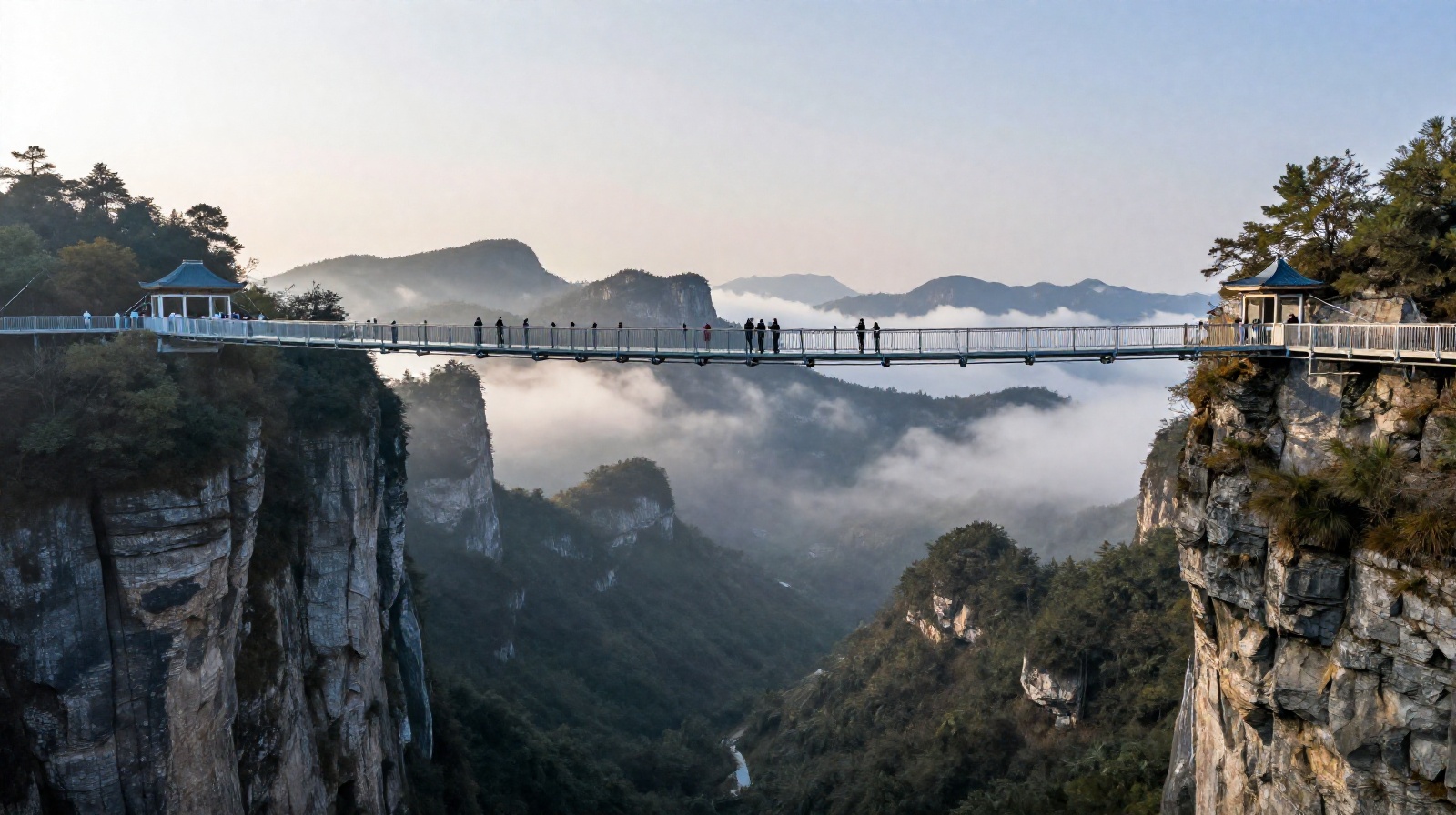
Rise at dawn. Walk the empty Glass Bridge when the canyon is still shrouded in valley fog – it’s a vertigo‑inducing experience, but the sensation is pure presence, not a movie effect. After crossing, instead of taking the elevator back up, follow the valley trail downstream. This is where Zhangjiajie shows its real character: untouched waterfalls, moss‑covered boulders, and the occasional monkey family crossing your path.
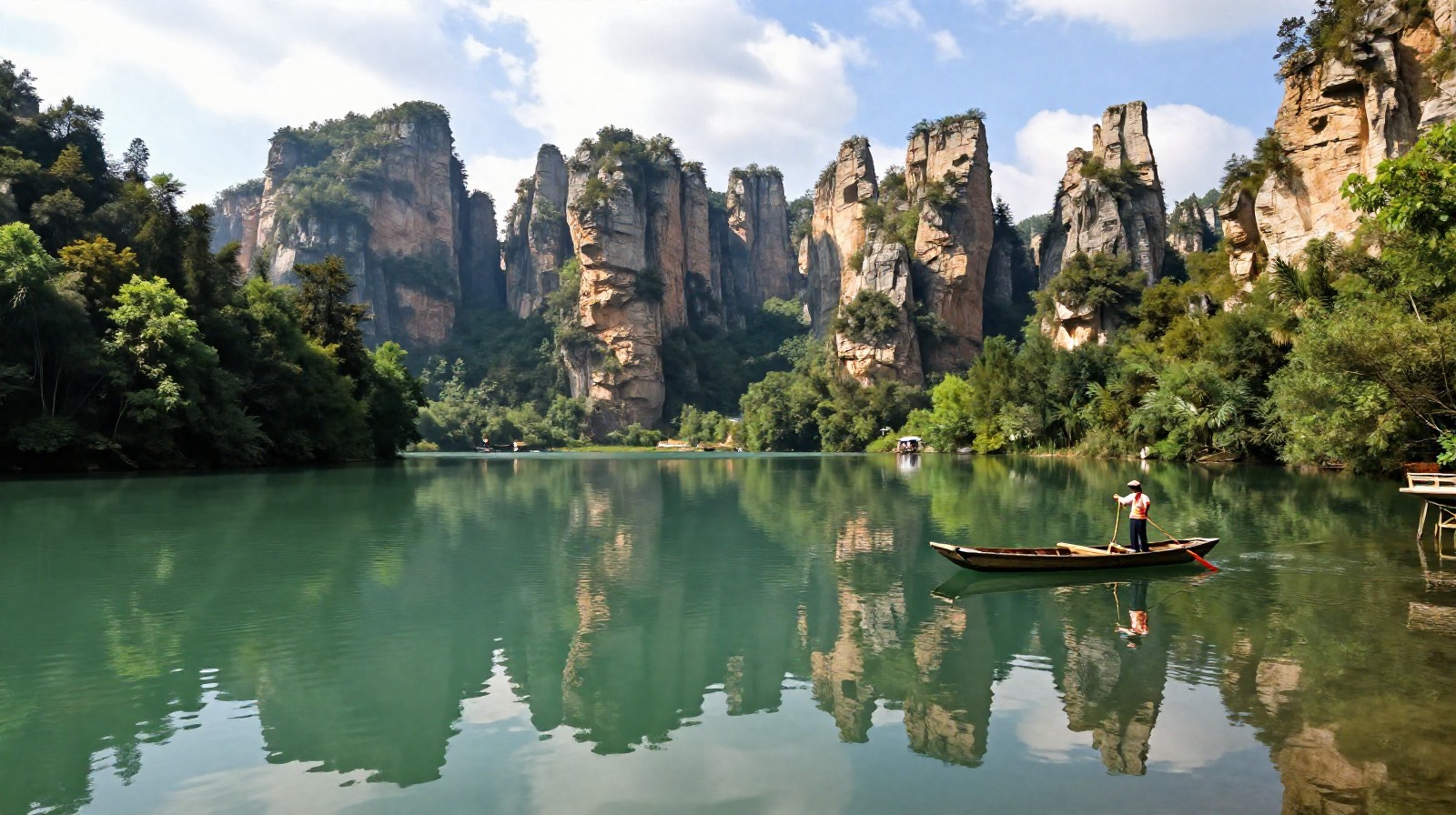
By noon, you’ll reach the Baofeng Lake area. Rent a small boat and let the oars ripple the reflection of the peaks. The water is shockingly green. Spend the afternoon hiking the loop around the lake, finding a rarely photographed pavilion on the eastern shore. Camping is allowed with a permit; book ahead. Dinner at a lakeside farmhouse – try the local cured pork with bamboo shoots. The stars here are brilliant, unpolluted by city lights.
Day 3: The Real Tianzi and Becoming a Local
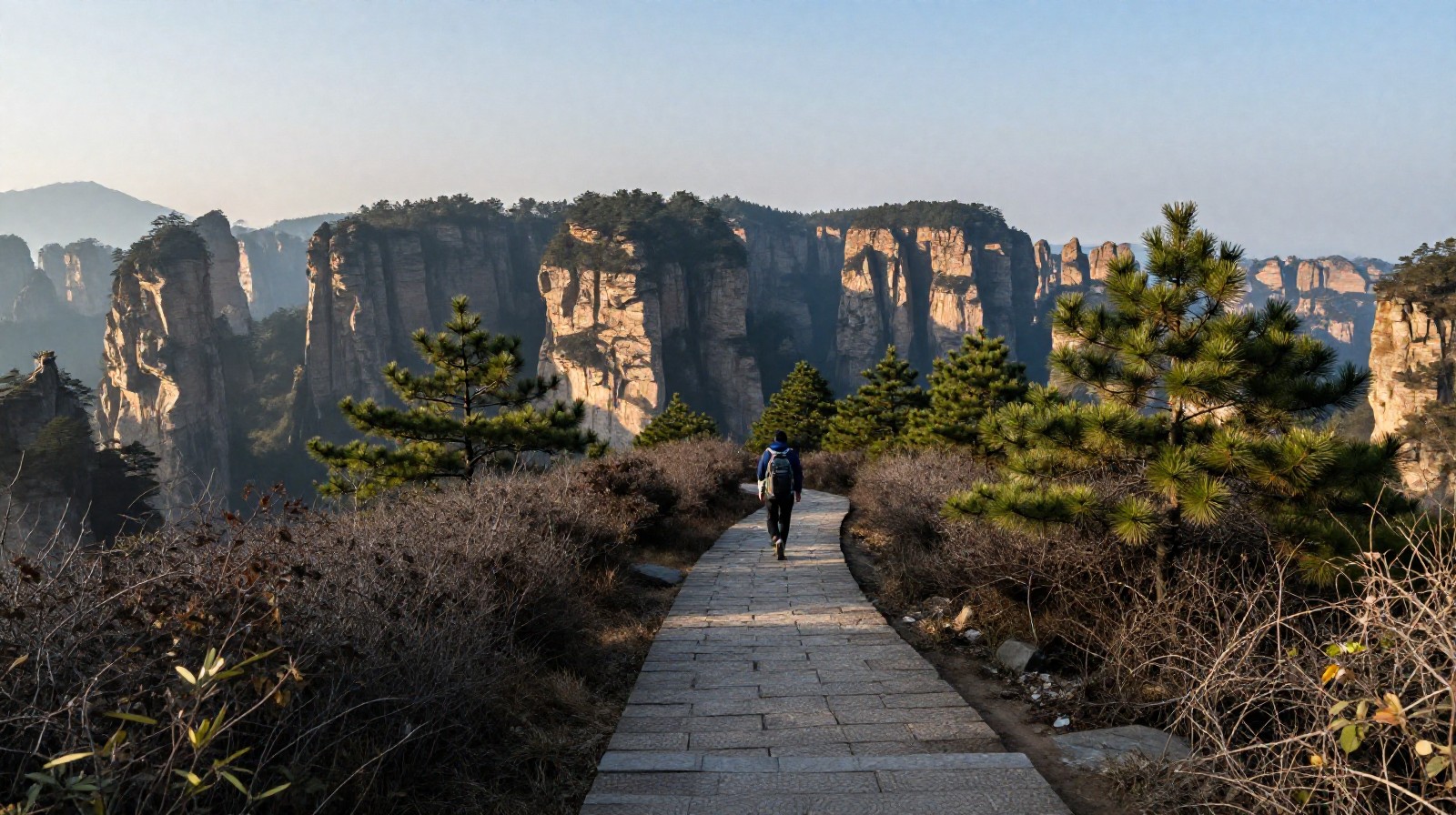
Take the earliest bus to Tianzi Mountain Nature Reserve. The cable car ride is a highlight: the pillars rise from the mist like chimneys of a lost world. At the top, walk the Imperial Brush Peak trail. It’s steep, but the 360‑degree view of the South Sky Column is worth every puff. Most tourists turn back after the first viewpoint – keep going for another hour to the less‑marked Shentang Bay trail, where you’re almost guaranteed solitude.
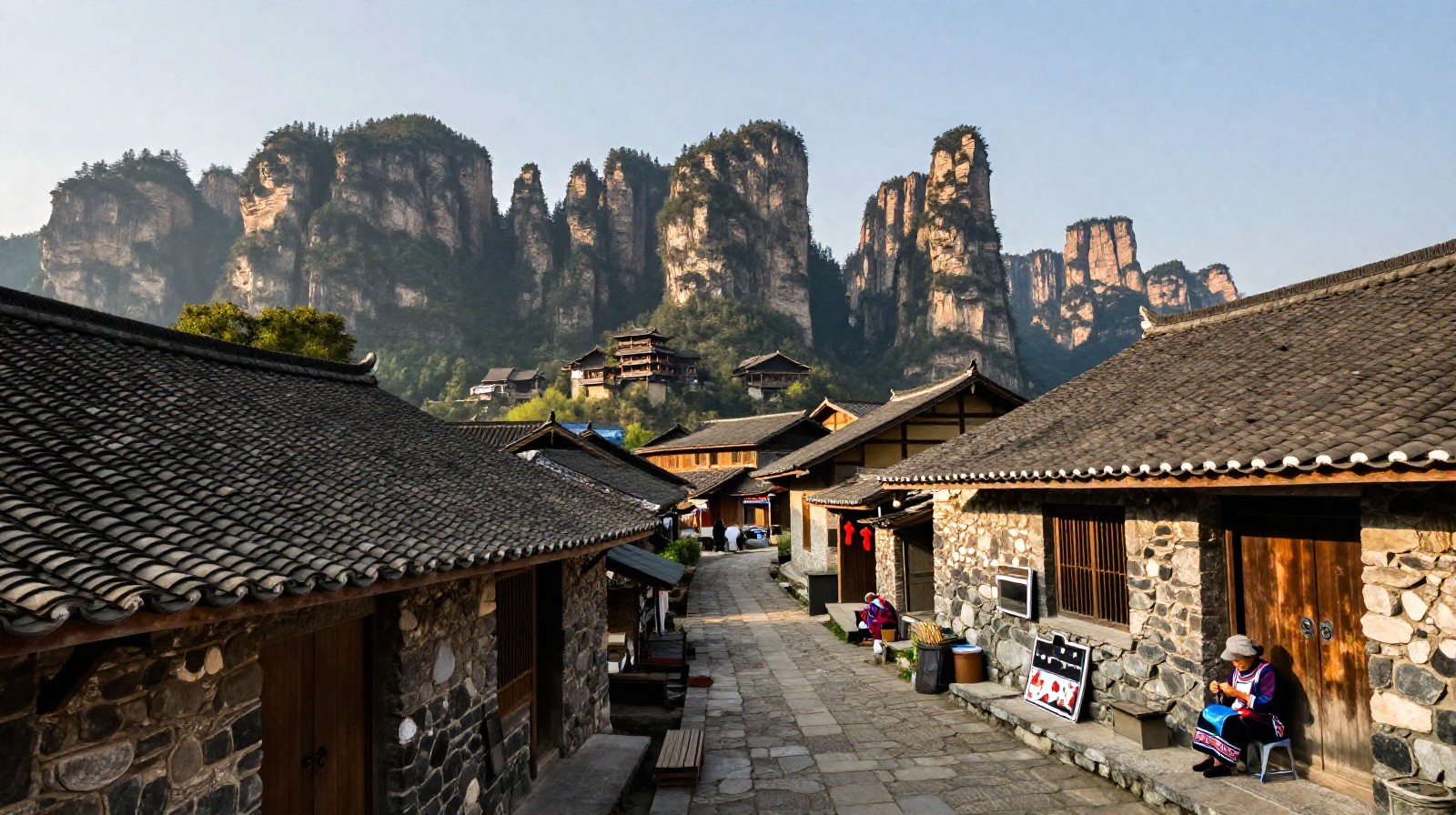
Descend to the old town of Lijiaping for lunch. This is a real Tujia village, not a tourist reconstruction. The oldest resident, Grandmother Li (age 89), will sell you a bowl of her fermented glutinous rice wine if you smile at her. Spend your last afternoon weaving through the village’s stone alleys, watching women embroider traditional patterns. The contrast between the monumental peaks and the small‑scale daily life is the most memorable part of the trip.
Tourism, Nature, and Finding Silence
Zhangjiajie’s popularity comes with a cost – plastic bottles on trail edges, wear on the sandstone steps, and the constant hum of tour buses. Locals are adapting: some villages have started waste‑sorting programs, guides lead clean‑up hikes, and the park limits daily entrance numbers (book your tickets online at least two weeks ahead). To minimize your footprint, carry a reusable water bottle, stay on marked trails, and choose local guesthouses over chain hotels. The quietest times are early morning (before 7 am) and late afternoon (after 4 pm).
At the end of your 3‑day route, you’ll understand why Zhangjiajie’s floating peaks are more than a movie poster. They are a living, breathing landscape that demands your respect, your effort, and your attention. The real Avatar experience isn’t on a screen – it’s in the strain of your muscles, the mist on your skin, and the unexpected moments of stillness between each step.
Start the discussion at forum.chinacomes.com