
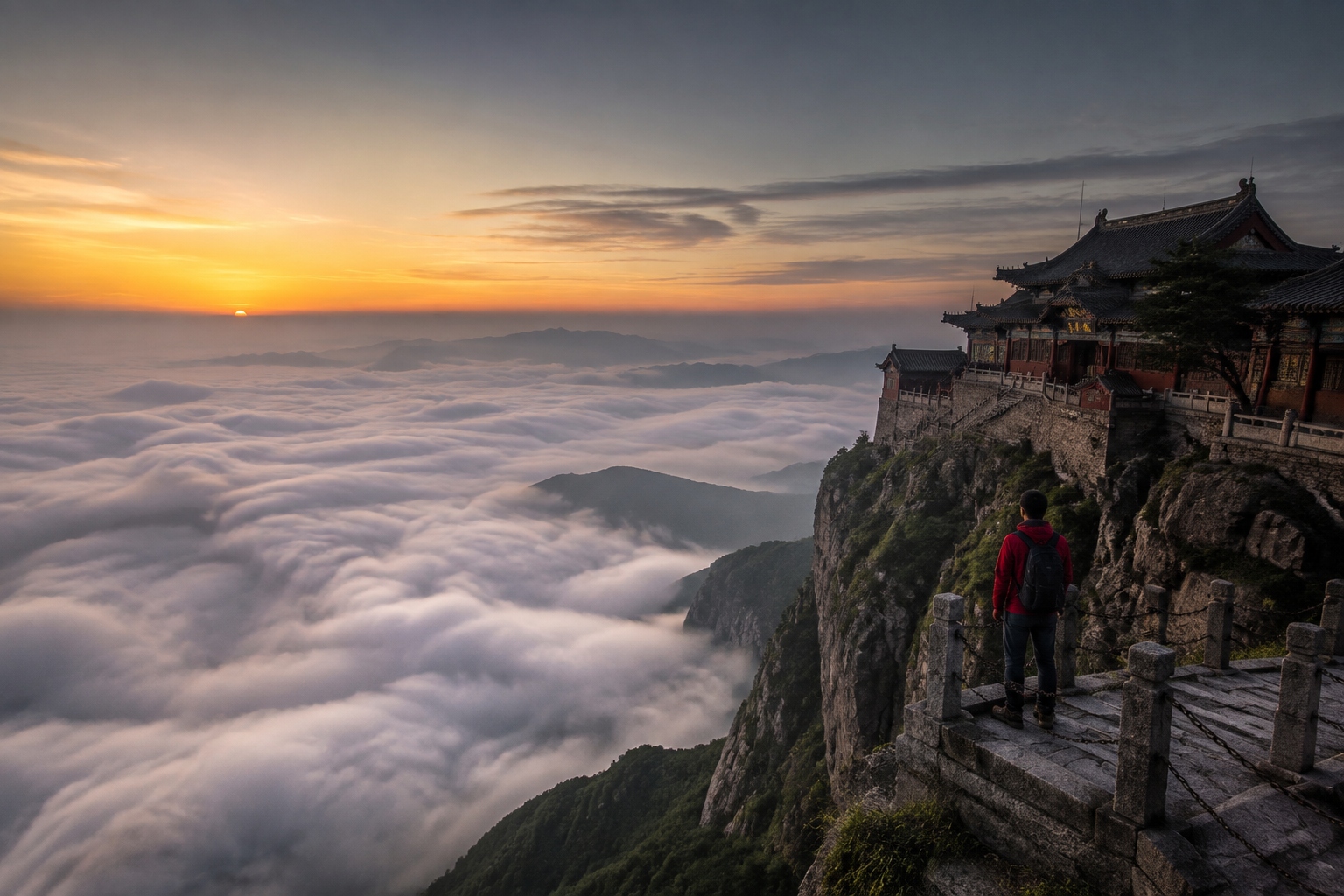

The Morning the Clouds Swallowed the Mountain
At 5:30 a.m., the cable car station at Qiyun Mountain’s base is still dark. A lone attendant slides open the gate, and the clatter of metal echoes across the empty parking lot. The sky above is a deep gray, heavy with moisture. I step into the car with three others—two photographers from Shanghai and a young Taoist priest in a grey robe. The priest, named Zhang Jingwei, is returning to his temple after a week in town. He carries a bag of herbs and a worn copy of the Tao Te Ching. “Most tourists go to Huangshan,” he says quietly. “Here, you can still hear the wind.”
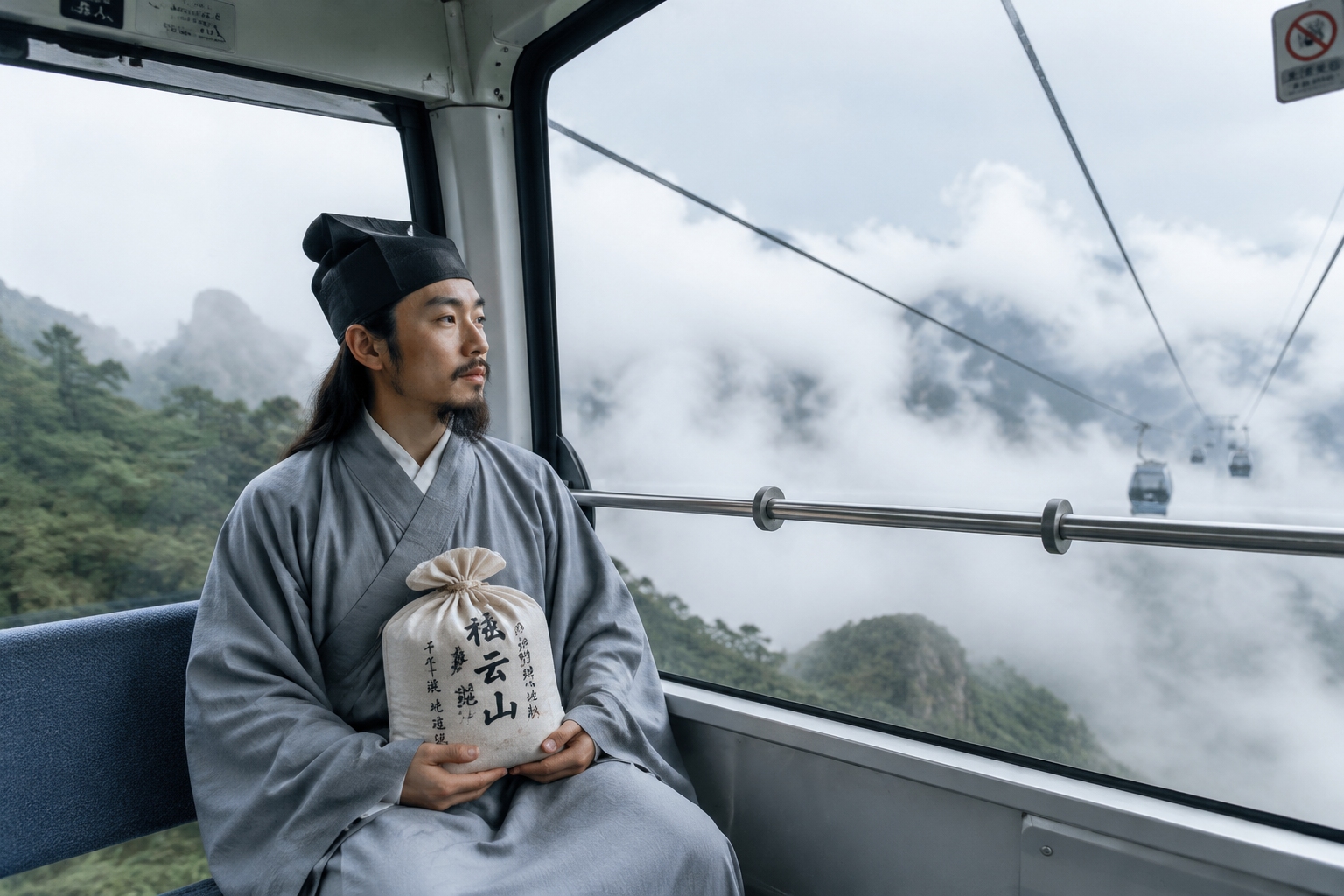
Why Qiyun, Not Huangshan?
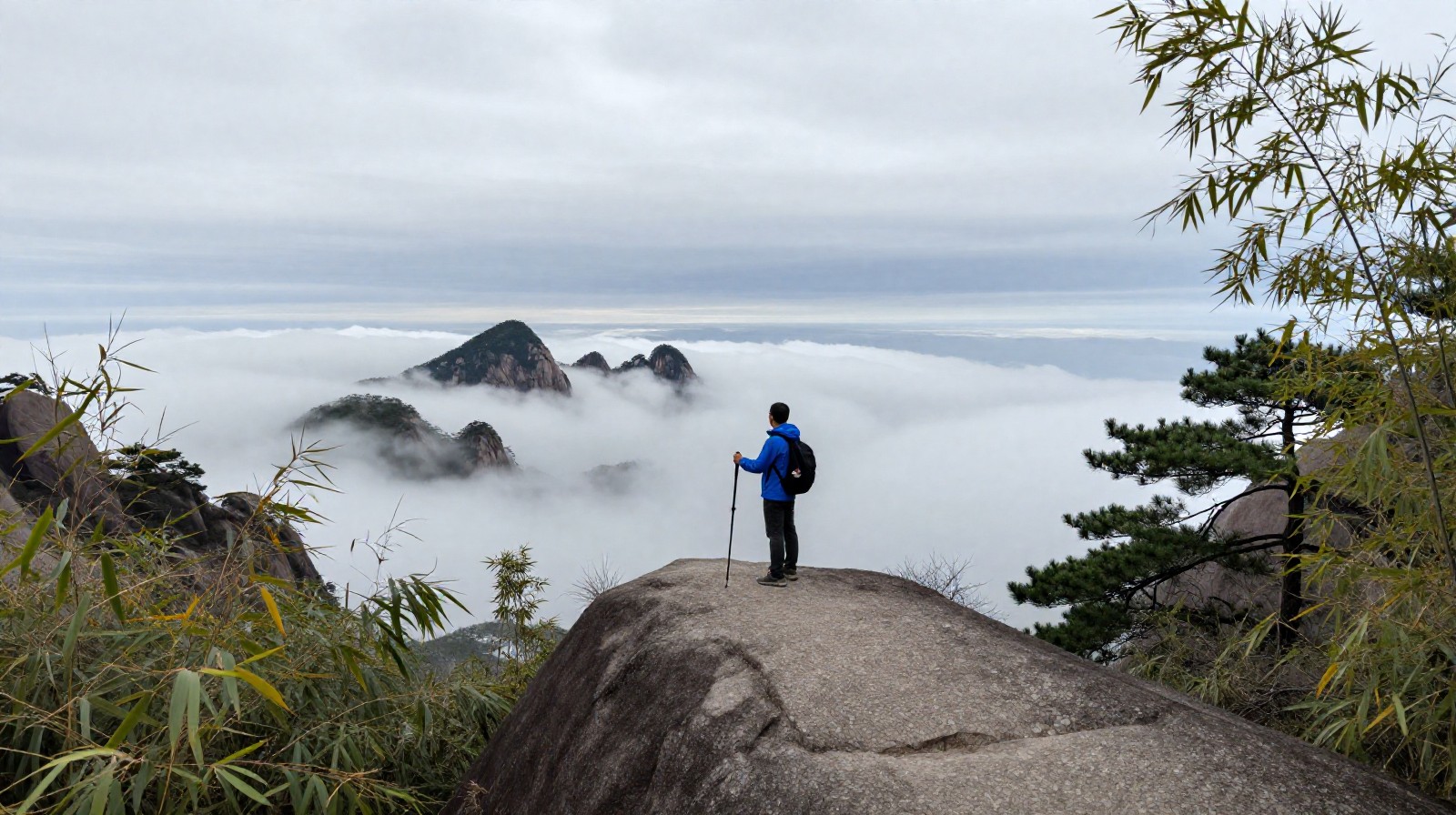
Just an hour’s drive from the world-famous Huangshan (Yellow Mountain), Qiyun Mountain is often overlooked by international travelers. Huangshan welcomes millions each year, its jagged peaks and pine trees immortalized in ink paintings. Qiyun, by contrast, draws a fraction of that—mostly domestic hikers and Taoist pilgrims. Yet it shares the same geology: quartzite sandstone cliffs, narrow ridges, and frequent cloud inversions that create dramatic sea-of-cloud views. But where Huangshan feels like a theme park (crowded queues, paved paths, souvenir shops), Qiyun offers a quieter, more contemplative experience. The mountain’s name means “as high as the sky,” and locals call it the “Sky City” for the way its temples and pavilions seem to float above the clouds.
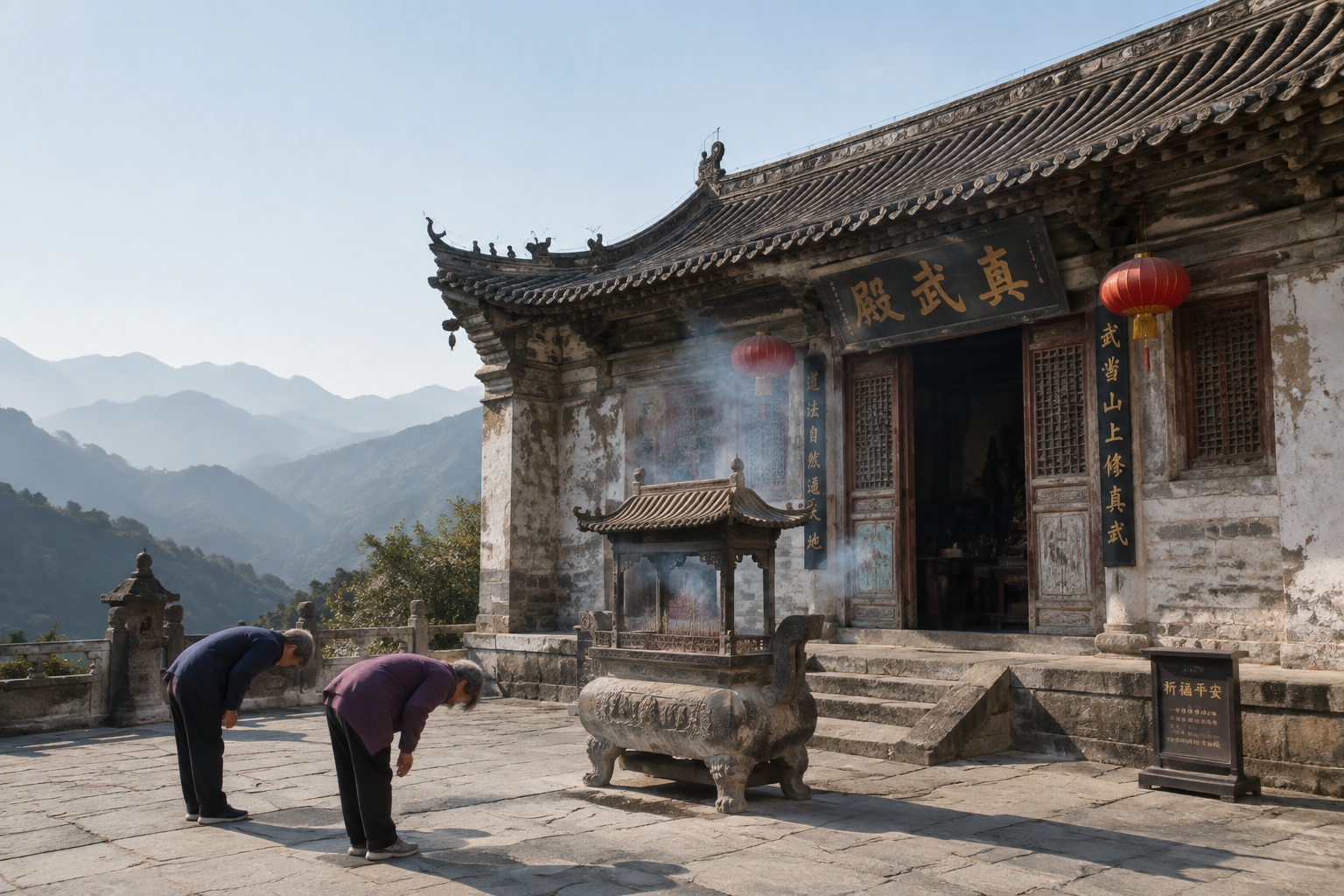
The Taoist connection runs deep. Qiyun has been a sacred site since the Tang Dynasty (618–907 AD), home to dozens of temples and hermitages. Unlike the state-run temples at Huangshan, many of Qiyun’s Taoist sites are still active, with resident priests and occasional ceremonies. Walking here is not just a physical journey but a spiritual one—if you let it be.
The Climb: Stairs, Mist, and Sudden Vistas
The main hiking route starts at the Moonlight Terrace (Yuehua Terrace) and winds up through a series of stone steps carved into the cliff. The first hour is steep, with nearly 2,000 steps rising through a dense bamboo forest. The air smells of damp earth and incense from a small shrine halfway up. I pause at a stone bridge where a stream has carved a deep gorge. Below, the water is almost black, but the sound is bright.
As I climb higher, the mist thickens. At around 800 meters, the temperature drops several degrees. Suddenly, the trees thin out, and I step onto a ridge—right into a sea of clouds. The valley below is completely white, with only the dark shapes of distant peaks poking through. The cloud surface is perfectly flat, like a frozen ocean. A group of elderly hikers from Nanjing stop to take photos, their laughter mixing with the wind. One of them, Mr. Chen, 68, tells me he has come here every autumn for the past decade. “Huangshan is too crowded now. Here, I can stand still for an hour and just watch.”
Living Taoism: A Conversation with Priest Zhang
Near the summit, I find Priest Zhang sitting on a stone bench outside the Hall of the Three Pure Ones. He is 27, with a shaved head and a calm demeanor. His family sent him to the mountain at age 14—“to learn discipline,” he says. He has been a Taoist priest for seven years now. “People think we meditate all day,” he smiles. “But there’s a lot of work: cleaning the temple, preparing offerings, greeting visitors, studying texts. And the internet—I manage the temple’s WeChat account.”
I ask him what Taoism means to him. He points to the clouds. “See how the mist comes and goes? That’s the Tao. It moves without effort. The mountain teaches us patience. Modern life is fast—too fast. Here, time moves differently.”
He invites me into the temple, where five other priests are chanting in front of a statue of Laozi. The sound is low and rhythmic, almost hypnotic. Incense curls upward into the cold air. One of the priests, a woman in her 50s, has been on the mountain for 30 years. She says nothing but nods as I pass.
Priest Zhang tells me that the number of young Taoist priests is declining. “Most young people want city jobs, money, convenience. But some of us choose this life because it is real. Not easy, but real.”
Practical Tips: How to Experience the ‘Secret’ Side
To avoid the crowds and catch the best cloud seas, follow these tips from local hikers:
- Go midweek: Weekends see day-trippers from nearby cities. Tuesday to Thursday is ideal.
- Start before dawn: The cable car opens at 7:30, but you can hike from the base as early as 5:00 a.m. The morning mist is most dramatic between 6 and 8 a.m.
- Skip the main temple route after 10 a.m.: Tour groups flood the main path from late morning. Instead, take the lesser-known East Ridge Trail—it’s steeper but offers solitude and better views.
- Best cloud-viewing spots: The Fangla Ridge (near the summit) and the Yixiantian (One-Line-Sky) gap provide unobstructed panoramas. Also, the ruins of an old Taoist temple at the back of the mountain (about 40 minutes from the summit) often have no visitors.
- Stay overnight: A few simple guesthouses on the mountain allow you to watch sunrise and sunset without rushing down. Prices are around $30 a night. Ask the priests—they sometimes have a spare room.
Walking the Slow Path
Qiyun Mountain is not a place to be conquered. There are no records to break, no peaks to claim. It is a place to be absorbed. Late in the afternoon, I leave the summit and take the East Ridge Trail down. The clouds have thinned, revealing terraced fields and whitewashed villages in the valley below. I pass a group of college students sketching a gnarled pine tree. A farmer carries a basket of tea leaves on his back. Somewhere, a temple bell tolls.
The “secret sky city” is not hidden because it is hard to reach—it is hidden because it asks for your time. And if you give it, the mountain gives back a stillness that stays with you long after the mist has cleared.
Start the discussion at forum.chinacomes.com