

Opening: A Small Factory Discovers the Whole Country
Three years ago, Chen Wei, a manufacturer of kitchen gadgets in Ningbo, eastern China, decided to sell directly through Pinduoduo, an e-commerce app many Chinese use to buy daily goods. His niche product — a small electric steamer for making baby food — had previously only been sold to regional wholesalers. He expected modest sales. Instead, orders began arriving from small towns in Gansu, from the southern island of Hainan, and from old industrial cities in the northeast.
‘I used to think China was just a collection of provincial markets,’ Chen told me during a video call from his factory. ‘Now, one product can find its customers almost anywhere in the country within days.’ His story is not unusual. It is a small window into one of the most consequential and often misunderstood changes in China today.
What Local Protectionism Actually Looked Like
For decades, national unity in China did not mean that markets were deeply connected. Behind the facade of a single country there lived a quiet kind of local protectionism. Provinces, cities and counties often acted like miniature kingdoms when it came to business favours.
A local government might quietly favour a home-grown firm when awarding a public construction contract. A city could impose special safety tests on dairy products from other regions, or refuse to recognise quality certificates issued by a neighbouring province. Local officials sometimes paid subsidies to their own companies to keep competitors out. A common phrase among Chinese businessmen captures the old spirit: ‘Subsidy is the air, protectionism is the water.’
Take the beer industry in the 1990s. Almost every county-owned brewery survived mainly because retailers would stock only locally produced bottles. A beer from Zhejiang found it nearly impossible to enter a supermarket chain in Hebei. Similar walls existed for building materials, cigarettes, medicines and trucks.
Why the Walls Are Falling
These walls have not collapsed by chance. Three intertwined forces are shaking them down.
First, policy. Since 2015, Beijing has repeatedly pushed for a ‘unified national market’ and taken aim at regional protectionism. In 2022, the Chinese government published an influential action plan demanding that local governments stop using tax rebates and subsidies to protect local firms, and simplify procedures for cross-provincial bidding. Anti-monopoly enforcement also increased, punishing several provincial authorities for launching subsidy programmes that blocked market access.
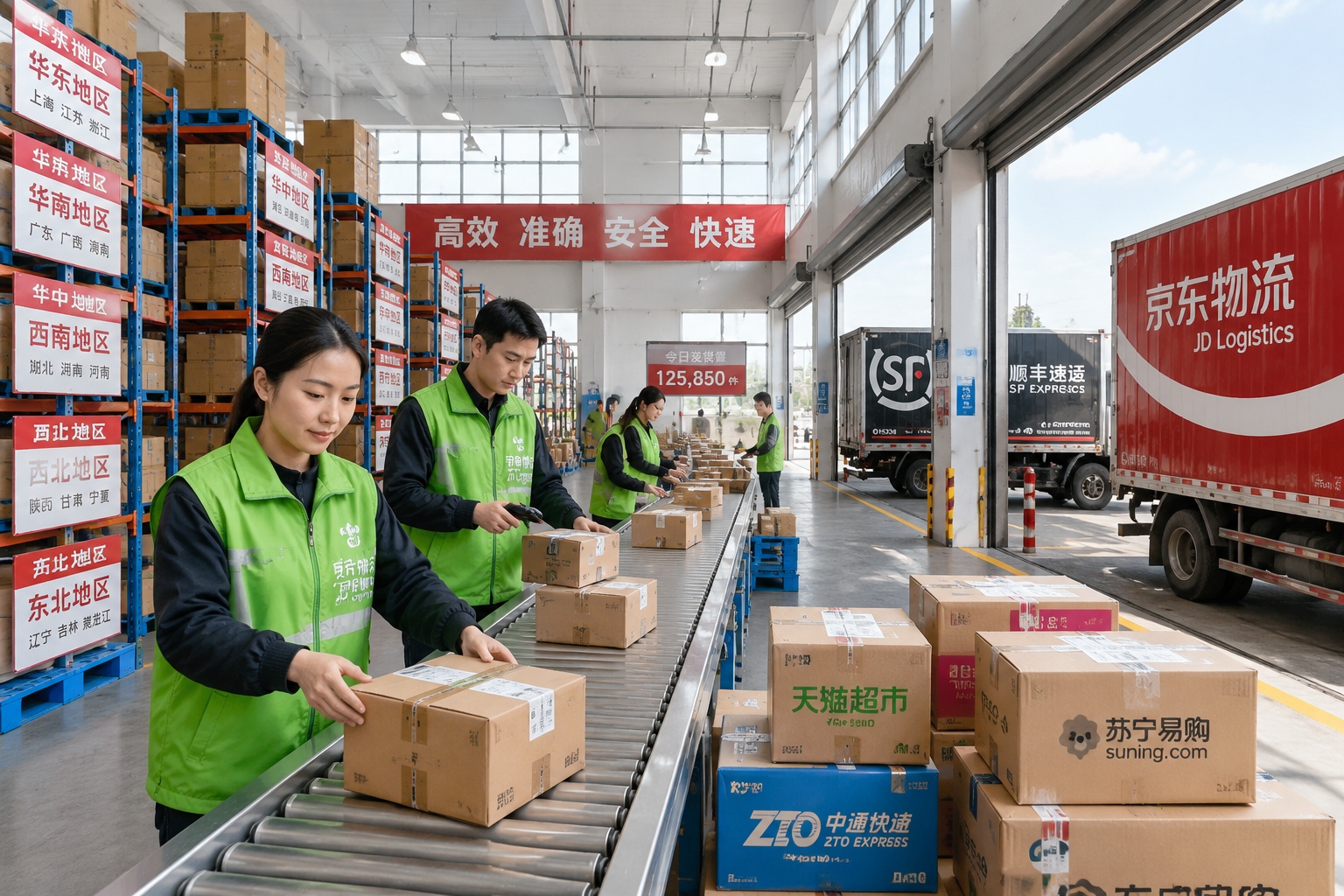
Second, information and digital platforms. In the past, a buyer in another province might not have heard of a good product made far away. Now, search engines, shopping apps, live-stream e-commerce and review sites like Xiaohongshu make product information instantly visible nationwide. A company can advertise in minutes and ship from a depot thousands of kilometres away. Chen Wei now uses Alibaba’s 1688 platform to sell semi-finished goods to other firms. ‘My customers do not care where the product comes from. They only look at ratings and delivery speed,’ he says.
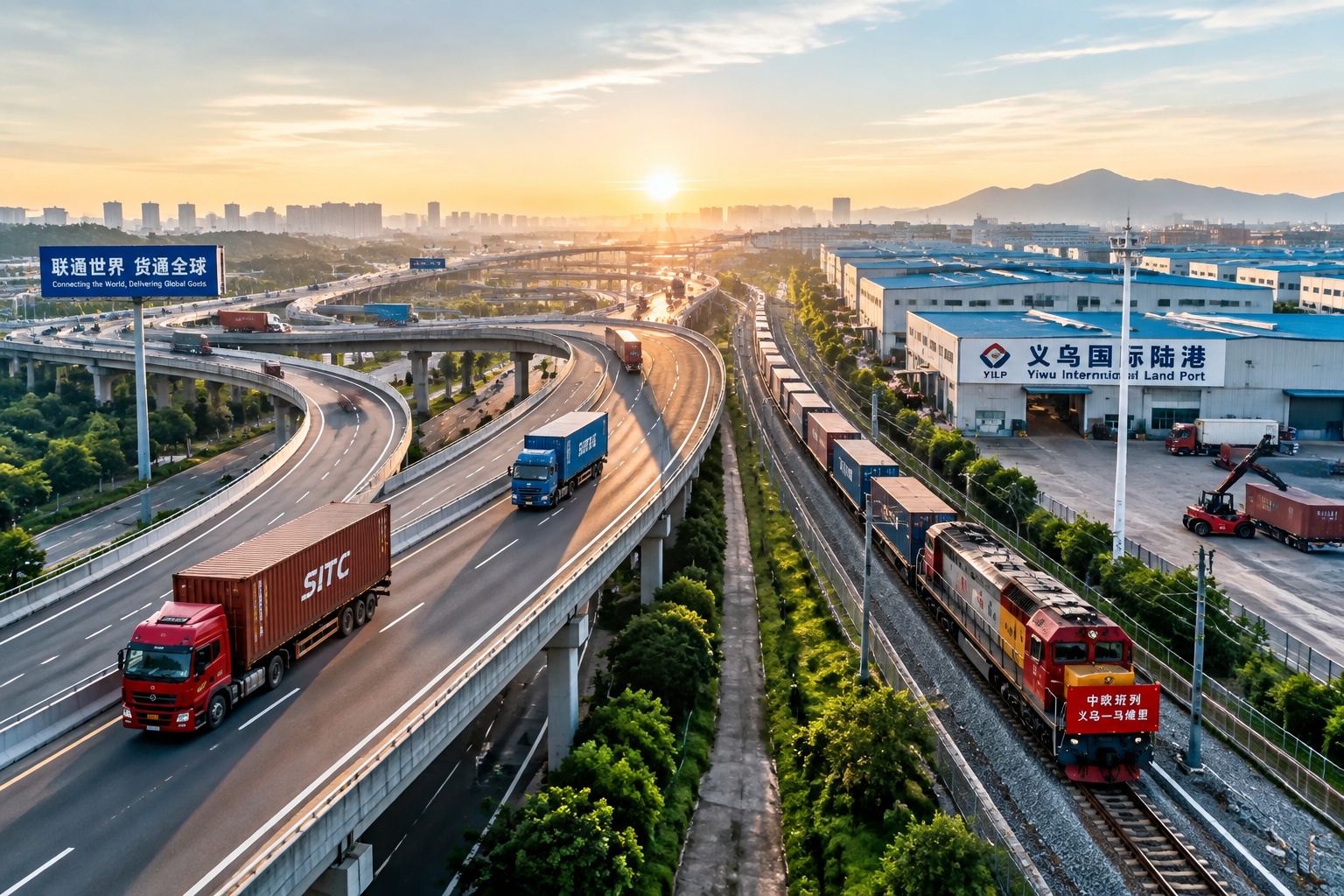
Third, logistics. China’s courier sector now handles more than 100 billion parcels per year, and more than 90% of villages have postal or courier services. The country’s rail network has expanded to cover nearly all cities with a population over 500,000, and express highways stretch beyond 170,000 kilometres. This physical web makes it cheaper and faster to send a product from Chengdu to Shanghai than some continental deliveries in Europe. Combined with pallet standardisation and cold-chain modernisation, the cost of trading across Chinese regions has fallen sharply.
The True Meaning of ‘Fragmented Vitality’
What is emerging is not an endless sea of sameness. The opposite is happening.
Local specialisations are becoming stronger and better connected. Yiwu remains the world’s largest wholesale market for small commodities, generating about $60 billion in annual sales. Hefei, a city once known mainly for home appliances, transformed itself into an electric-vehicle and battery hub, now hosting factories of Nio and Volkswagen-backed ventures. The southern city of Guiyang, often overlooked, built a major data-centre industry thanks to its mild climate and clean energy. Chengdu, in southwest China, grew into a leading hub for gaming, film animation and creative design.
These local ecosystems would lose value if they were isolated. Their success comes precisely from tapping a national consumer base. A Hefei-made battery ends up in Shanghai cars sold to drivers in Urumqi. A mobile app born in Chengdu is downloaded by millions in Beijing and rural Jiangxi. The ‘unified market’ is not a force that makes every region identical; it is a platform on which regional differences can flourish and be exchanged.
What Ordinary People Feel
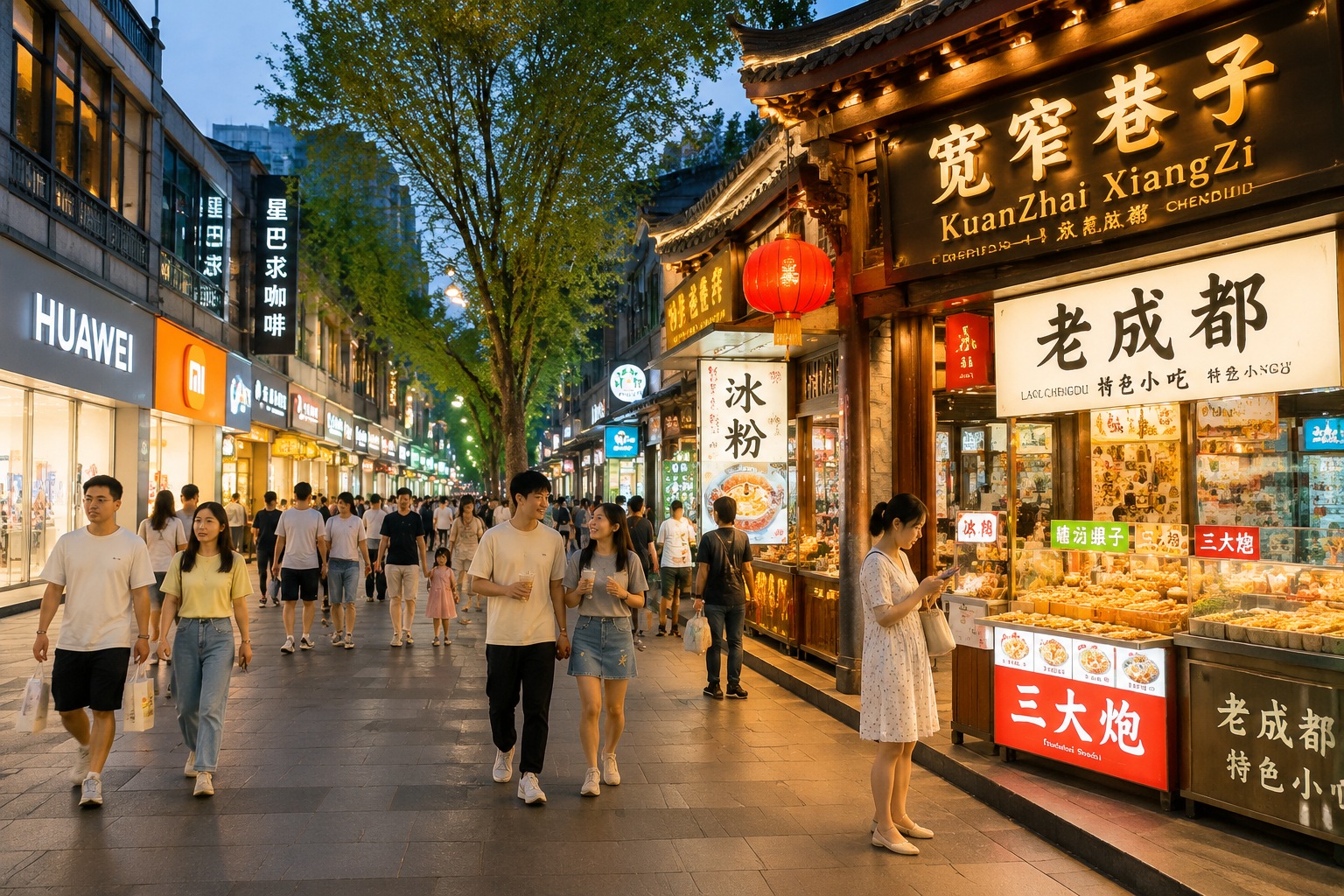
The most visible change is choice. A consumer in Kunming can buy fresh fruit produced in Liaoning, and a family in Tibet can order a designer lamp from Guangzhou within two days.
For business owners, the change is even more concrete. A survey from the Chinese Academy of Social Sciences found that 72% of small and medium-sized enterprises now sell to customers in more than one province, compared with 48% a decade earlier. Young entrepreneurs increasingly set up businesses in second-tier cities like Changsha or Xi’an, knowing they can reach the whole country without paying Beijing or Shanghai prices. The old necessity of being physically present in the coastal giants is fading.
Unification and Diversity: A Dynamic Balance
It is tempting to assume that pushing for a single market means reducing regional diversity. China’s experience suggests otherwise. Market integration helps regions discover what they are actually good at. When trucks from Shandong can carry garlic into Hunan without border checks, Hunan’s restaurants can offer better food and Shandong’s farmers can earn more.
This balance is also a governance choice. Beijing no longer tries to dictate which city should make what. Instead, it sets common rules — property rights, fair competition, carbon standards — and lets local governments experiment within their own territories. The national ‘negative list’ for investment specifies what is forbidden; everything else is allowed, giving local industries predictable boundaries.
Old Barriers and New, Softer Obstacles
None of this means the fight is over. Local protectionism has evolved rather than vanished. Today, it may appear as hidden clauses in public tenders, requiring years of local social-security contributions, or as uneven subsidy policies for new-energy vehicles where one province supports only its home-grown brand. Data governance also creates new barriers: some cities restrict access to citizens’ medical or transport data, making it harder for innovative firms to build nationwide services.
A 2023 report by the World Bank and the Development Research Center of China’s State Council estimated that domestic market fragmentation still costs the economy about 0.5% of GDP per year, and recommended further coordination in procurement, administrative licensing and data flows. These are real remaining challenges. Yet the direction of travel is clear.
Conclusion
China’s big market today is less like a single painted canvas and more like a mosaic made of thousands of tiles that have learned to interlock. For an overseas observer, this fragmented vitality explains a paradox otherwise hard to understand: how the Chinese economy can seem both huge and local, standardised and experimental, unified and competitive.
Chen Wei’s baby-food steamer has become a fairly common item in most of China, even though it is made in one city. He no longer worries about provincial borders. ‘If I make a good product,’ he says, ‘someone will come. That is all I need.’
Start the discussion at forum.chinacomes.com