
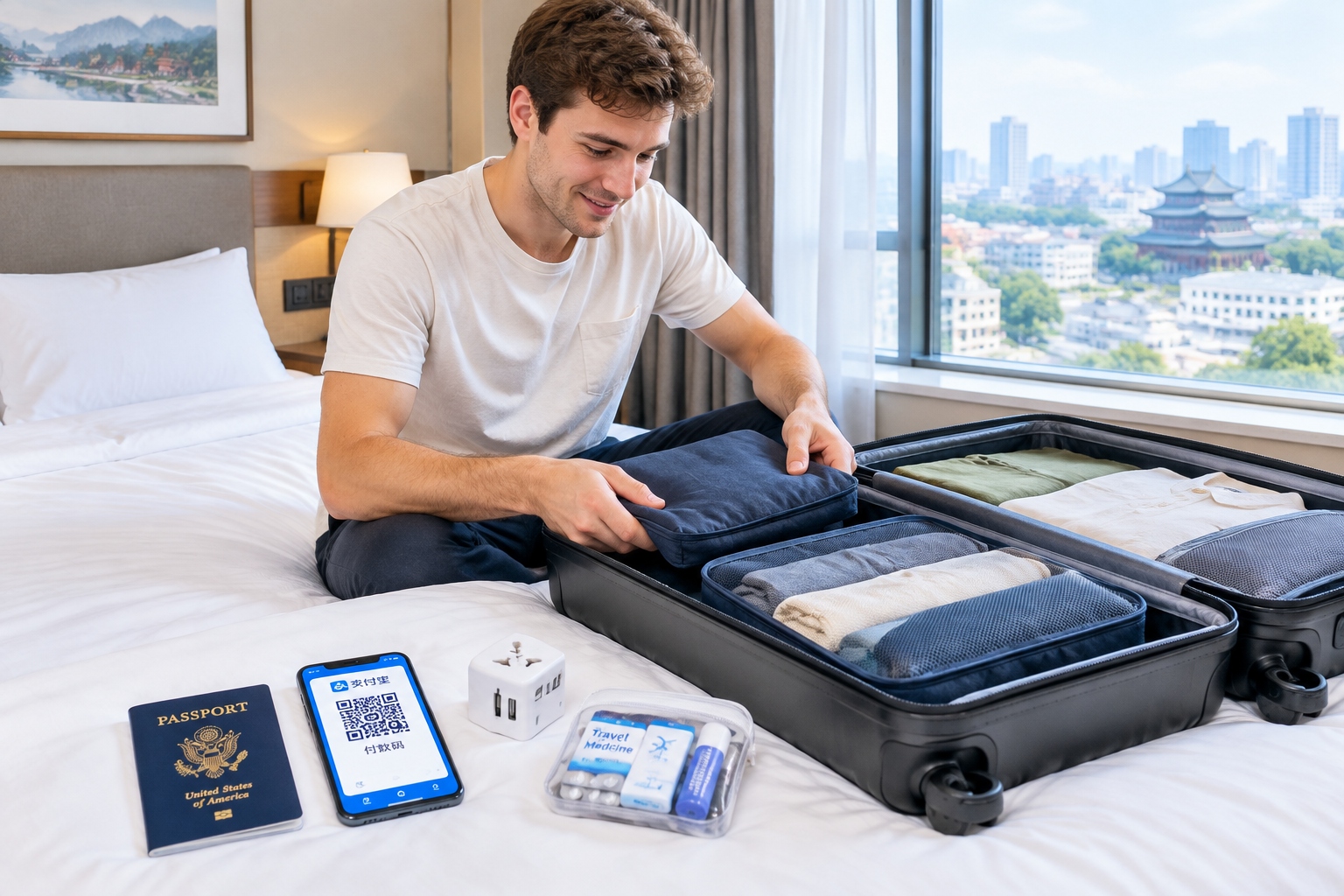

Pack less than you think, plan more than your apps
My first packing list for China had a four-socket power strip, a universal adapter and a bottle of shampoo big enough to last three weeks. A Chinese friend looked at the suitcase and said: “There are shops in China. Also delivery.” That sentence was hard to accept at first. Once it sank in, my luggage became noticeably lighter.
China’s big cities are not a remote camp. Every neighbourhood has convenience stores, pharmacies are everywhere, and same-day online delivery can send a phone charger to your hotel before you finish checking in. But that does not mean the smartest plan is to carry nothing. The real question is what belongs in your bag before you fly, and what is smarter to buy after you land.
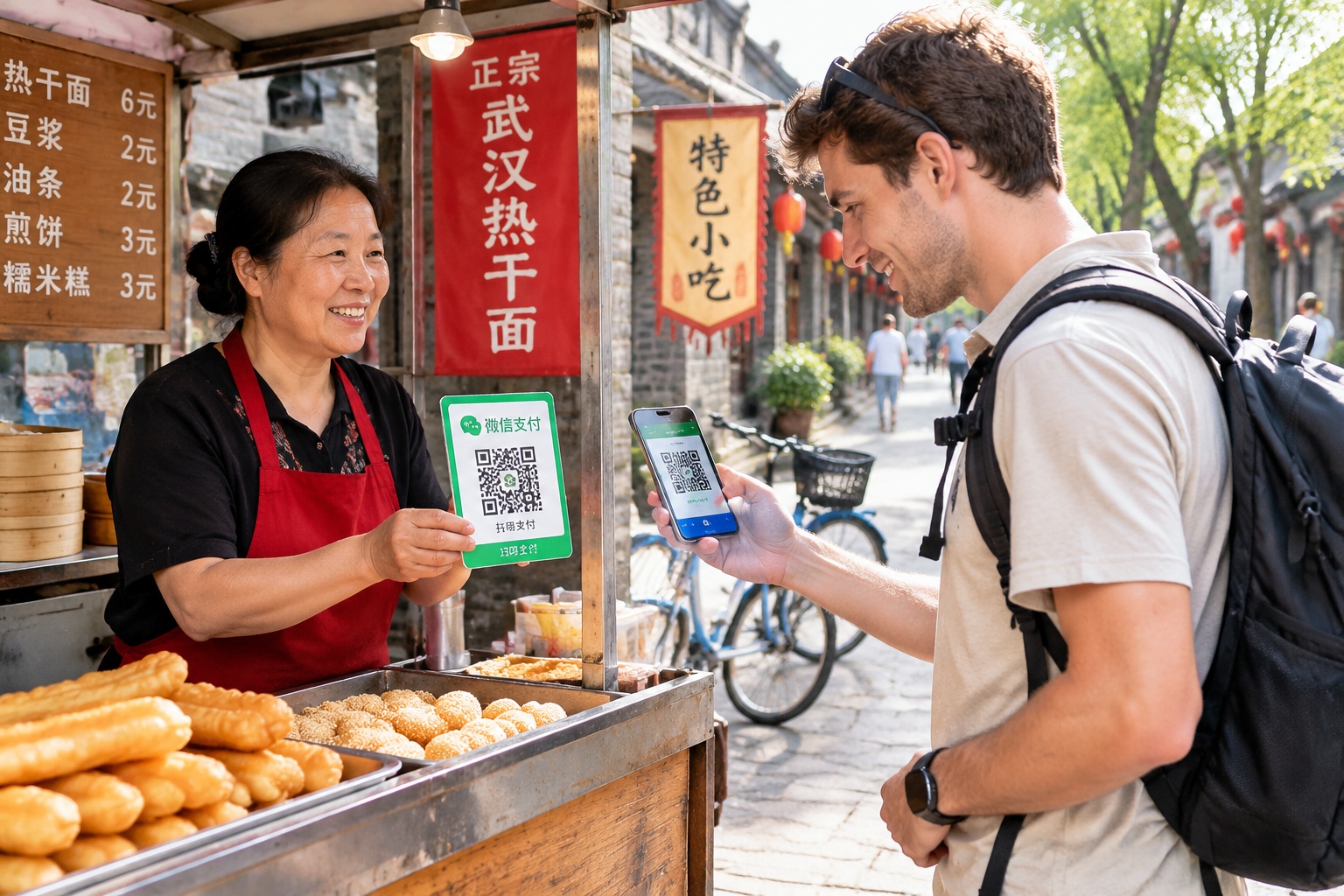
Here is the packing strategy I use after many trips to China, whether you are visiting Beijing for five days or backpacking for a month.
Start with your phone, not your sock drawer
Daily life in China now runs through mobile apps. Paying at a shop, buying a high-speed rail ticket, calling a taxi, finding your way and even translating menus all start from your phone. The most important “suitcase” you pack is therefore your phone before you arrive.
Alipay and WeChat Pay
These two apps are a standard part of going out in China, so it is worth setting them up before you travel. Download Alipay and WeChat Pay at home, preferably while your home SIM card can still receive texts, and link an international Visa or Mastercard if your bank works with them. The apps are not perfect for every overseas card, and a payment may suddenly fail, so keep a physical bank card and a small amount of cash as backup.
You may need an international phone number verification code during setup, and doing all that at the airport or in a hotel lobby after a long flight is far less fun. Making these apps work is as important as remembering your passport.
Connectivity and the apps you already love
If your everyday life depends on Google Maps, Instagram, Gmail or WhatsApp, you should know that some of them can be slow or blocked on mainland networks. Many travellers choose to install a reliable VPN on their phone and laptop before flying. It is also a good idea to download offline Chinese translation and use local map apps like Amap or Baidu Maps once you are on the ground.
For internet access, an international eSIM or roaming package usually makes things simple. A local prepaid SIM is also possible in Chinese cities, bringing a passport to the shop, but the activation process is easier with a patient bilingual helper.
Passport and paperwork
Your passport remains the one physical object that cannot be replaced easily. Check that it has enough remaining validity and confirm the current visa rules, because China’s visa-free policies are expanding but still change quickly. Some nationalities now enjoy 15 or 30 days visa-free travel, but you should verify with the official Chinese embassy website before departure.
Carry a physical copy of your return ticket, hotel booking and travel insurance. Write the hotel address in Chinese characters on your phone and show it to a taxi driver instead of struggling with pronunciation. If you plan to travel by high-speed rail, your passport itself will often be the “ticket” you show at the gate.
Medication that is yours
Bring enough of the medicine you use daily, plus a few extra days in case of delay. Keep it in its original packaging with a doctor’s prescription or letter. Do not rely on finding your exact brand in China. Pharmacies are common and well stocked, but local painkillers, cold medicine and allergy tablets may be different from what you use at home. If you have a rare condition or use a controlled substance, check Chinese customs rules before packing. For minor issues, the pharmacy counter or a nearby hospital will help, though English is not always spoken.
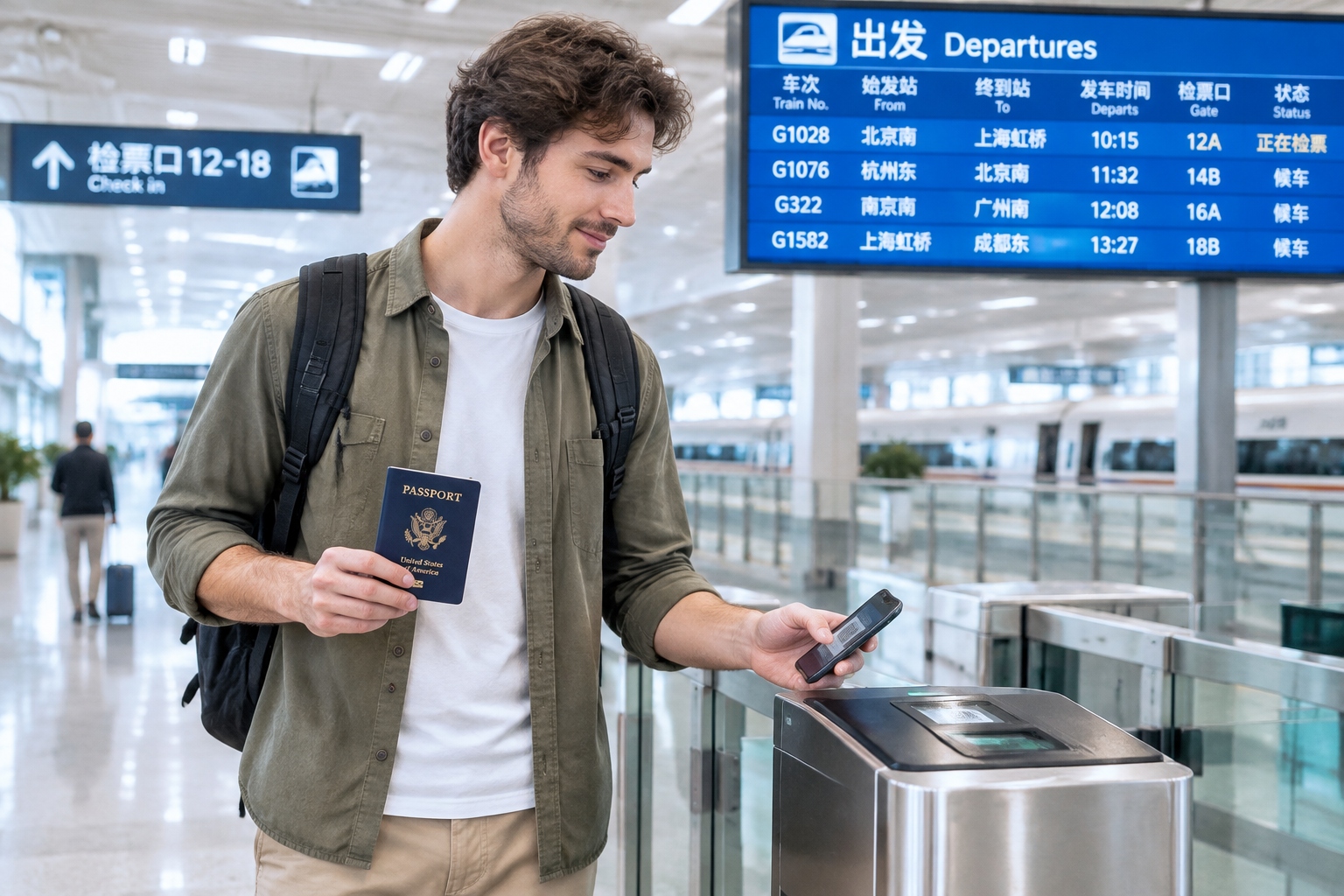
Skip the bulky “just in case” things
What most visitors overpack is not clothes. It is the electric adapter, the giant toiletry kit, the seven emergency gadgets and the power strip that seemed clever at home.
Leave the power strip behind
China uses 220V power with mainly flat-pin sockets. A small universal adapter and a compact multi-port charger will cover almost every modern hotel room. If you really need more outlets, ask the front desk for an extension cable, which Chinese hotels usually can provide. A power strip from home is heavy, may need an adapter for its own plug and takes up more space than the problem it is solving.
Don’t carry a pharmacy on your back
Painkillers, plasters, cough syrup and basic first-aid supplies are easy to find in a Chinese pharmacy. Keep your own prescription drugs separate and skip the full-size medicine cabinet. If you are staying in a medium-range or higher hotel, you will likely find bottled water, disposable slippers, towels, shampoo and shower gel already in the room. Many budget hotels also offer simple toothbrush kits. For a hostel or Airbnb style stay, bring travel-size versions, but no need to carry bulk sizes from home.
Umbrellas and weather gear can wait
A foldable umbrella in a Chinese convenience store costs about 10 to 20 yuan. If you carry one for ten days and it never rains, you have wasted weight and space. The same applies to basic hats, sunscreen and even a warm scarf in winter, these are sold in almost every shopping street and big department store. Buy them when the forecast actually demands it. The exception is if you are moving quickly through smaller or remote towns, where convenience stores are less predictable.
Cheap and useful: what is easy to buy in China
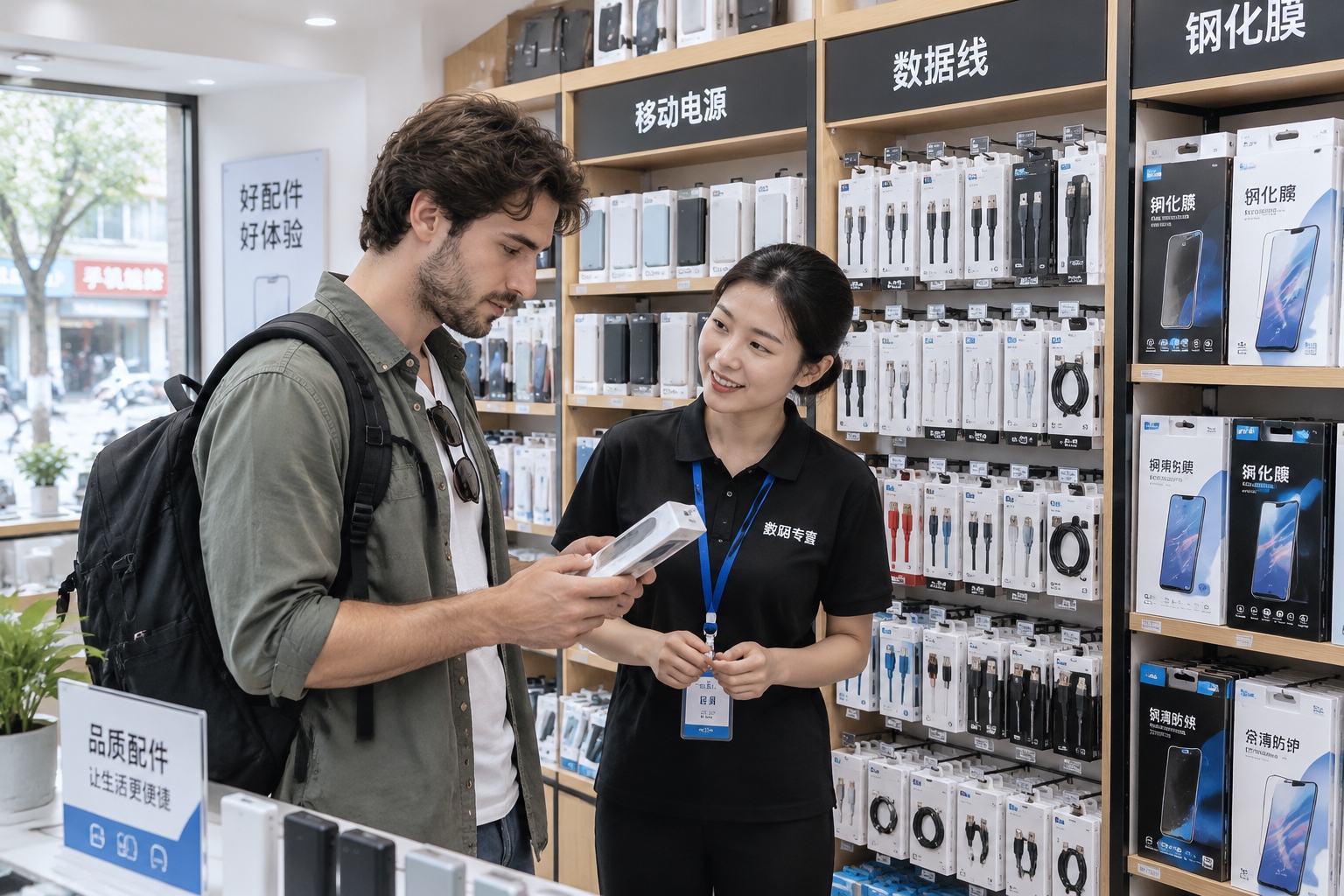
China is still the world’s factory for many everyday goods, and travellers often laugh when they see the price of phone accessories, charging cables and small electronics. In any medium Chinese city, you will find electronics shops and street-side repair stands selling USB-C cables, screen protectors, earphones and portable chargers.
If your trip lasts longer than a week and you discover you forgot a specific accessory, Chinese e-commerce apps like Taobao or JD.com can deliver to a city hotel within one or two days. Delivery costs are low, and the product range is huge. You may not even need to navigate the Chinese app interfaces, many global online travel and shopping platforms have English versions for tourists.
In smaller local shops, try not to buy the first phone charger you see if it looks unbranded. Look for a retail store or ask the hotel reception to recommend one. A decent charger is still much less expensive than an urgent trip to an airport electronics shop at home.
Dress by layers, not by one giant coat
China has a wide range of climates, but the surprise for many visitors is not just the thermometer outside. Indoor heating and cooling changes the way you need to dress.
Winter in northern China
In Beijing, Xi’an or Harbin, outdoor winter air is often dry, windy and freezing, with temperatures well below zero. But most hotels, offices and many shops have central heating, and indoor air can feel almost too warm. If you wear one very thick coat with nothing underneath, you will either sweat indoors or carry the heavy coat everywhere. A better layer set is a thermal long-sleeve top, a fleece or sweater, and a windproof down or padded coat outside. Throw in a light scarf and warm hat. When you board a high-speed train or enter a restaurant, you can remove layers without looking like you are on an expedition.
Winter in southern China
Shanghai, Hangzhou, Chengdu and other southern places are not as brutally cold outside, usually around five to ten degrees, but winter air is humid and central heating is not standard in many buildings. A damp five degrees can feel colder than a dry northern minus five. Packing a warm fleece, woollen socks and indoor slippers is a smart move. If you are staying with locals, you may notice electric blankets or space heaters are common; do not be surprised if the indoor temperature is lower than you expected.
Summer and the sticky heat
Summer in most Chinese cities is hot and humid, and the sun can be intense. Light, quick-drying clothes are more comfortable than heavy cotton T-shirts that stay wet with sweat. At the same time, public transport, shopping malls and cinemas often crank up the air conditioning, so a thin jacket in your day bag is useful. A small portable fan costs almost nothing and is widely used by locals in crowded places.
Spring and autumn
Spring and autumn are beautiful but unpredictable. A day can begin with a chill, turn warm by noon and rain by late afternoon. Instead of packing one outfit per temperature change, bring versatile layers: a breathable hoodie, a light packable jacket and a cotton scarf. This is also the season where a foldable umbrella is worth buying immediately if rain appears in the forecast.
Use your suitcase space like a local shopper
Before you close your zipper, sort everything into three piles. The first is “must have on this flight”, which includes passport, medicines, glasses, phone accessories and one comfortable outfit. The second is “cheap and easy to replace locally”, like shampoo, sunscreen, basic stationery, cheap power banks or an umbrella. The third is “probably should stay home”, which tends to surprise people with how large it is.
Use a large foldable tote or an empty duffel at the bottom of your suitcase as an “expansion zone” at the end of the trip. You can use it for tea, local snacks, silk scarves, hand-painted pottery or any walking shoes you buy as souvenirs. If you buy something new during your trip, try to remove an equal weight from your bag, either worn-out clothes, printed papers you no longer need or half-empty bottles.
The point of this strategy is not to arrive with luggage empty. It is to avoid carrying things for 14 days that you could have bought for 20 yuan on your first evening.
Final advice
Packing for China is not what travel guides from fifteen years ago describe. You no longer need to fill a suitcase with camping-style gear and copies of every document. The things you must bring are still small: a valid passport, a phone ready for QR-code payment, your prescription medicine and a basic universal charger. Everything else can be layered, borrowed, delivered or found in a shop minutes away.
Stay practical, leave a corner of your bag open, and let China’s everyday streets supply the rest. The best part is that after your first foot massage or late-night hotpot, the only thing you will still want to pack for next time is an even lighter suitcase.
Start the discussion at forum.chinacomes.com