
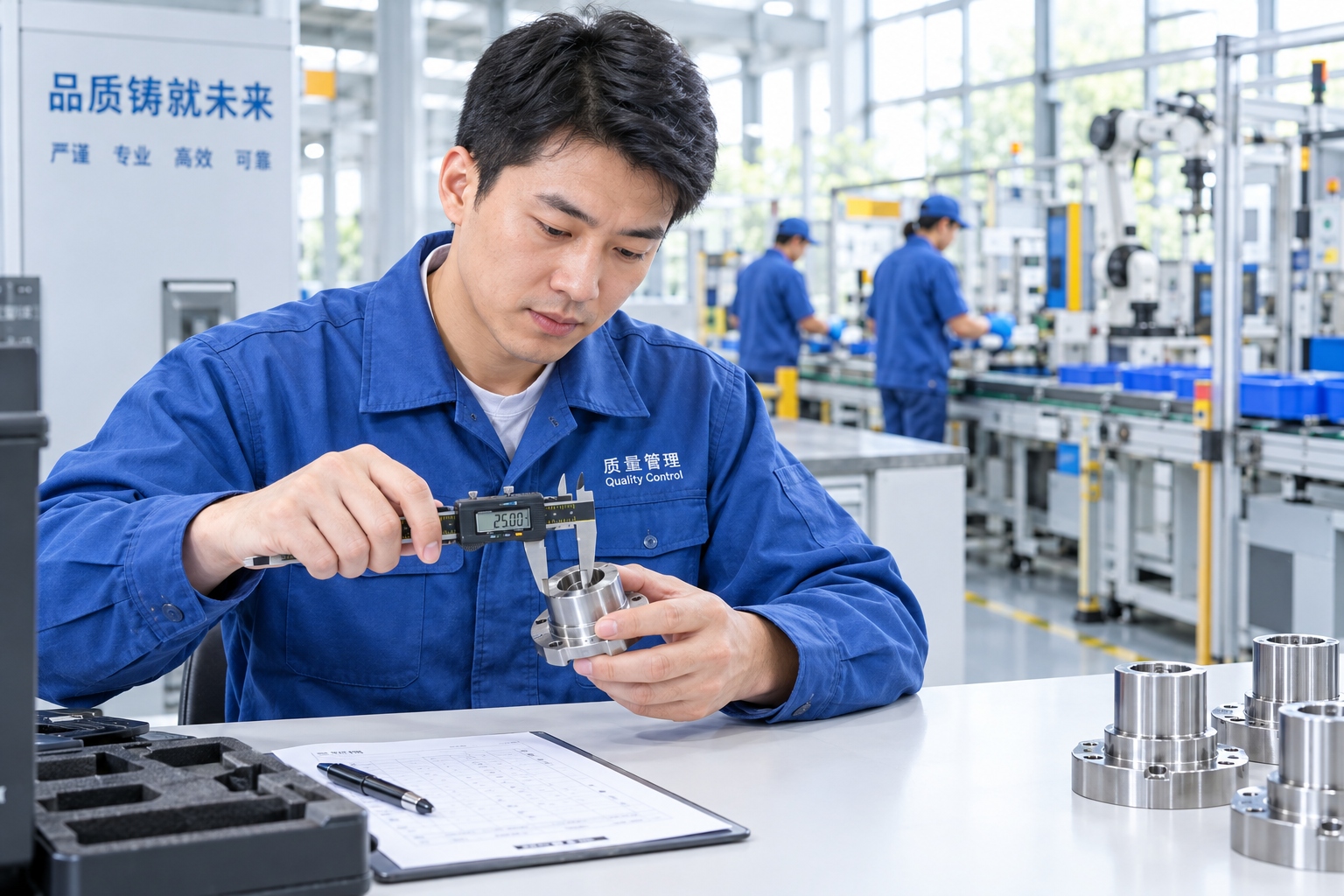

Last spring, a Dutch importer of bicycle lights received 10,000 units from his supplier in Ningbo. The LEDs worked, but the acrylic lenses had fine scratches all over. Customers returned nearly half. The cause? The factory had switched to softer packing foam to cut costs, and the lenses rubbed during shipping. Any trained inspector would have caught it with a simple vibration test. But the buyer had decided to skip pre-shipment inspection to save $400. That one decision cost him over $12,000 in freight, rework, and lost customer trust.
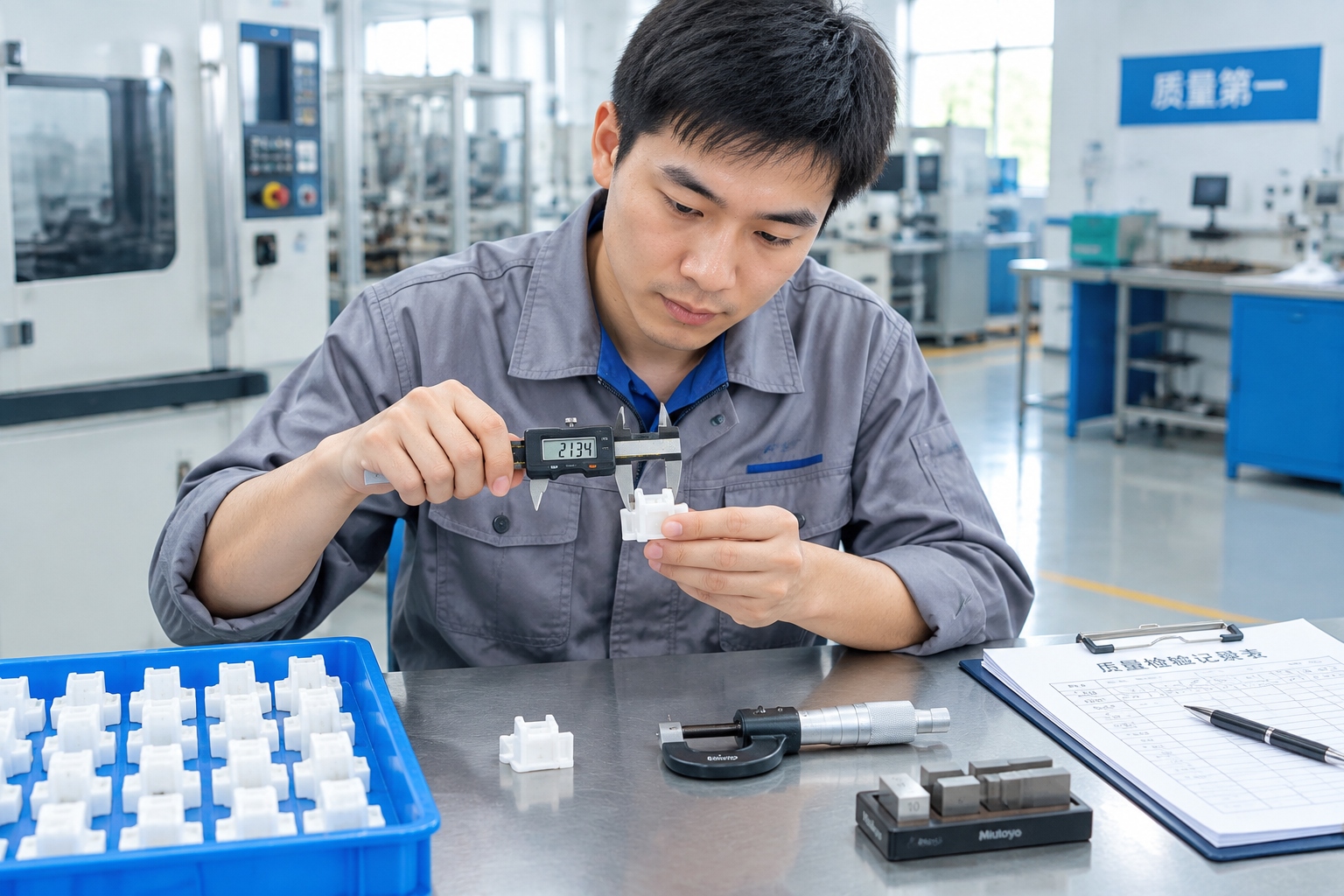
Quality control in China isn’t a mystery. It’s a well-practiced discipline. Yet many first-time importers stumble because they don’t know the right sequence. The key is to treat quality as a process, not as a single checkpoint. Here’s a step-by-step playbook for building an inspection system that works in Chinese factories.
1. Set Explicit Requirements and an AQL Plan
Chinese factories respond well to unambiguous standards. If you leave room for interpretation, you’ll get the cheapest interpretation. A written specification protects both sides. It should include:
- Drawings with accepted tolerances (e.g., +/-0.5 mm on key dimensions)
- Material names, grades, and required test certificates
- Color code (PMS or Pantone) and surface finish
- Functional test criteria (e.g., operating temperature, voltage)
- Packaging materials: type, thickness, and drop height
- Labeling and bar code placement
Once your specification is fixed, agree on an AQL. AQL (Acceptable Quality Level) is the maximum number of defective units you are willing to tolerate in a statistically sampled lot. In consumer products, it’s common to use AQL 1.0 for critical defects, AQL 2.5 for major defects, and AQL 4.0 for minor ones. The sampling plan follows ISO 2859-1 (equivalent to ANSI/ASQ Z1.4).
For example, if you order 5,000 units with a major-defect AQL of 2.5 at general inspection level II, a typical plan requires a sample of 200 pieces. You accept the lot if ten or fewer defective units are found; eleven or more means rejection. This table looks generous, but it’s designed to balance the risks of buyer and supplier.
Below is a simplified excerpt for a common AQL plan (AQL 2.5, General Inspection Level II):
| Lot size (pcs) | Sample size (pcs) | Accept on | Reject on |
|---|---|---|---|
| 501–1,200 | 80 | 5 | 6 |
| 1,201–3,200 | 125 | 7 | 8 |
| 3,201–10,000 | 200 | 10 | 11 |
Get your QC team to cite the exact code for your order. Never rely on a promise that a few samples will be enough.
2. Audit the Factory Before Mass Production
Even a well-equipped factory can produce inconsistent parts if its management ignores quality. Visit the plant before placing a large order. Walk through the production floor, not just the showroom. Examine whether the machines are calibrated and logged. Talk with line workers and ask what happens when a part is defective. See if there is a dedicated QC room with measuring tools.
High-performing Chinese suppliers today often display KPI boards on the shop floor and have clear work instructions. If you see chaos and dust, expect trouble. If you cannot travel, hire a local inspection firm to perform a supplier audit. A basic audit takes 3–4 hours and usually costs $250–400. It’s money well spent: you can spot capacity issues, vague worker instructions, or material storage problems.
3. Run In-Process Inspections at Critical Steps
Waiting until final assembly to inspect is like judging a dish from the last bite. By then, a small mistake at step 2 has been repeated thousands of times. Schedule a mid-production inspection. This is typically done when 20–30% of the order is completed. The inspector should focus on the operations that most affect quality: for plastic parts, check the mold setup; for electronics, check the soldering and assembly procedures; for garments, check the stitching and fabric consistency.
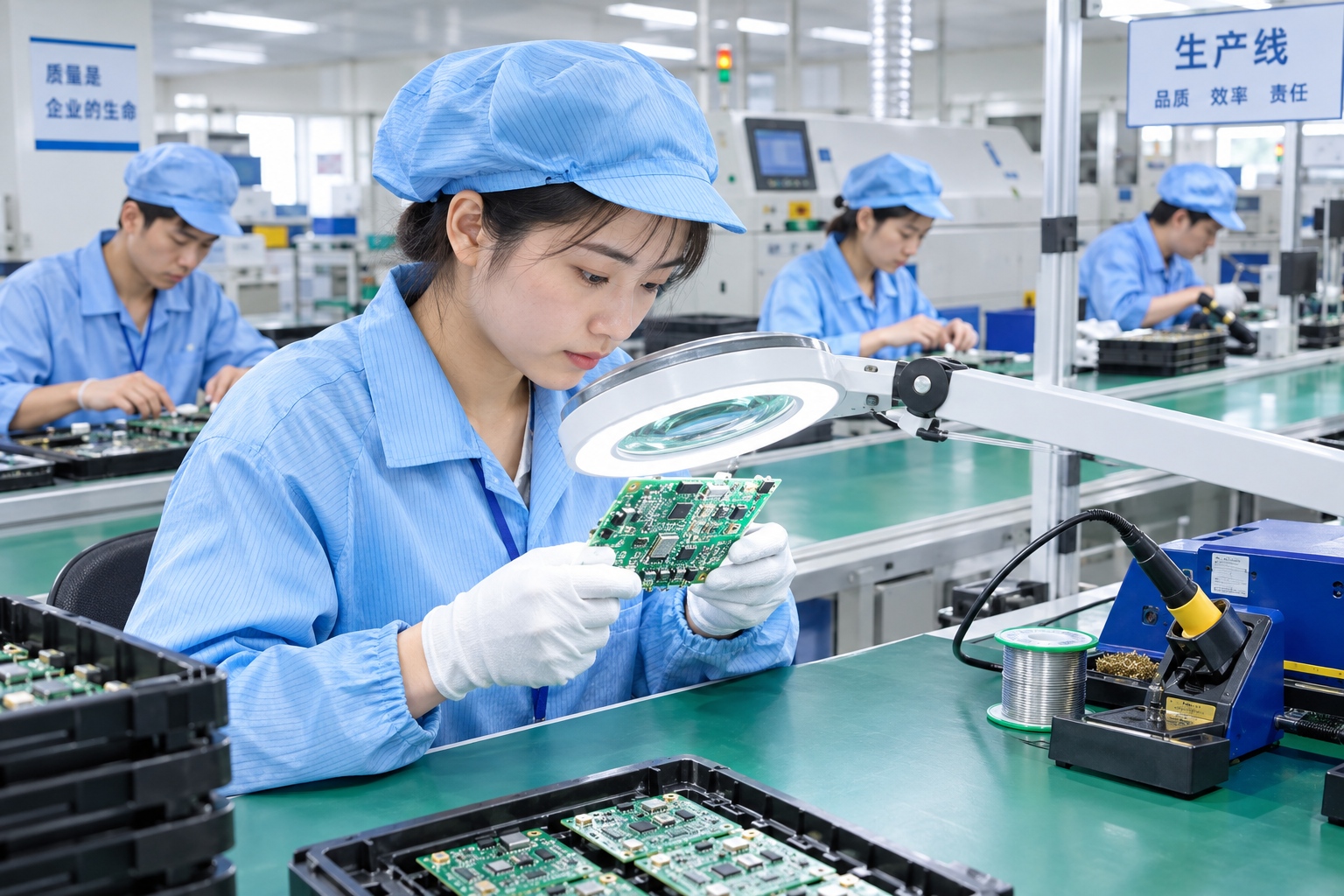
In-process inspection also lets the supplier fix problems while the line is still running. For example, a QC technician might find that the press tool leaves a scratch. The factory can adjust the tool immediately, saving thousands of parts from rework.
4. Do a Pre-Shipment Inspection (PSI)
At least 80% of your goods should be complete before you finalize a pre-shipment inspection. Pick a random sample using the AQL plan you agreed with the supplier. The inspector performs several checks:
- Quantity and carton count
- Arrangement of every style or color to confirm balance
- Appearance and workmanship
- Dimensional conformity to drawings
- Function tests according to your product spec
- Packing quality and drop-test
- Sharpness of cartons and labels
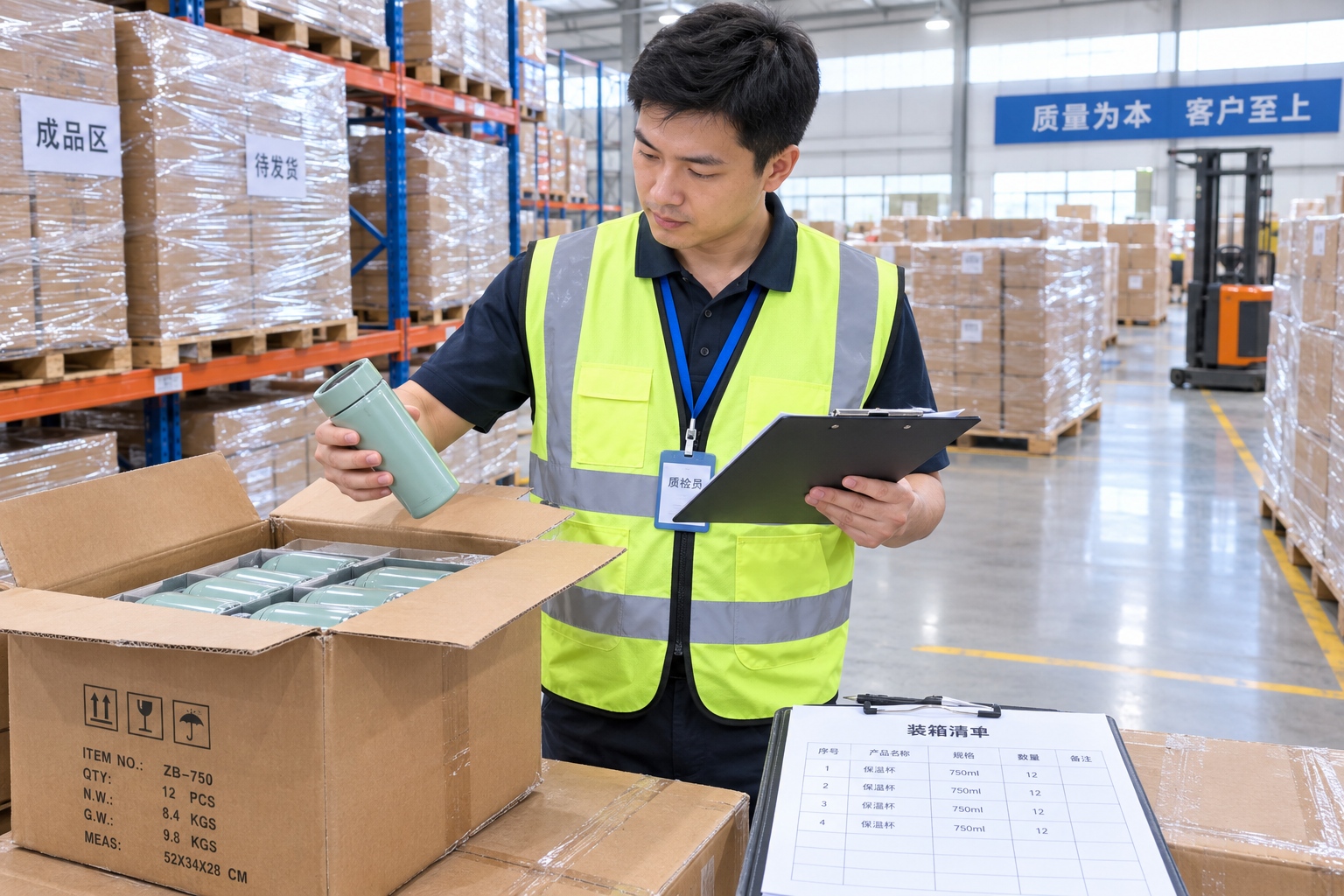
The inspection normally takes a full working day. The result is a report that lists defects according to severity and gives a clear ‘pass’ or ‘fail’ recommendation. A modest PSI fee—typically $250–500—costs far less than a rejected container far away.
5. Choose the Right Third-Party Inspector
Global names such as SGS, Bureau Veritas, Intertek and TÜV Rheinland are active in China. Many smaller and mid-size local agencies are also competent. The tricky part is matching cost and reliability. Global firms usually charge higher daily rates (from $400 to $800 per man-day) but tend to maintain consistent standards. Local inspectors may offer $150–$250 per day, but you need to review their methodology.
Ask four questions when selecting an inspection firm:
- Do they use the ISO 2859-1 method?
- Can they accept your own defect definitions?
- Do they produce a report within 24 hours?
- Will the inspector be in the factory before 9 am?
Once you find an inspector you trust, use them consistently. They will learn your product and your supplier.
6. Common Quality Problems in Chinese Factories and How to Prevent Them
Even with inspections, issues can appear. Here are the six that surface most often in our work, and the countermeasures that make a real difference for importers.
Raw material substitution
Problem: A cosmetic component is supposed to be made with new ABS plastic, but the factory uses recycled PC to lower the cost. That invisible change can cause cracks later.
Prevention: Specify the resin brand and grade. Ask for a raw material certificate for every batch and run a simple density or burn test during in-process inspection.
Uncontrolled process rework
Problem: Workers touch up defects by hand—glue, paint filler, extra solder—and the fixes cause more issues than the original defect.
Prevention: Visit the final assembly line to see if there is a separate repair station. Make sure repair procedures are documented and inspected.
Packaging downgrade during rush periods
Problem: To save time or money, a supplier uses thinner cartons, which produce crushed corners in transit.
Prevention: Require the inspector to do a drop test and stacking test at PSI. Specify minimum grammage (GSM) for cartons and void fill in your QC standard.
Color and size drift over large batches
Problem: Dye lots vary in shade, or a component drifts out of tolerance as a mold wears.
Prevention: Your in-process inspector should watch the first and last parts produced in each shift and compare them with the master sample.
Incomplete or incorrect documentation
Problem: Commercial invoices list the contents, but packing lists are inaccurate, causing customs delays or fines.
Prevention: Have the inspector check documents against the actual goods at PSI. This is often overlooked because it feels administrative.
Hidden second-grade products
Problem: A supplier mixes lower-tier ‘B stock’ items into the good batch to reach a deadline.
Prevention: Your contract should state that mixing second-grade products is grounds for immediate rejection. Randomly ask for a look at the full production area during inspection.
Quality Control Checklist for Every Order
Here’s a simple checklist to run through, no matter what you buy:
- Before order: sign an accurate spec document with clear AQL and defect definitions.
- Before production: visit or audit the supplier with a daily inspection checklist.
- Begin production: confirm that the first piece matches your approved sample.
- At 20-30%: carry out an in-process inspection, reviewing raw materials and critical processes.
- When 80-100% ready: run a pre-shipment inspection and perform functionality tests.
- Before payment: request the official inspection report and review all photographs.
- After landing: record any field failures to feed into your next quality review.
Set your own inspection schedule and write it into the contract. You may choose to use third-party QC for some, or all, of these checkpoints. In the long run, a professional quality-control system costs less than the disruptions it prevents.
Conclusion
Quality problems in China are rarely a mystery. They arise when communication is vague, planning is rushed, or checks are skipped. A clear spec, an honest audit, and dependable inspectors at the right moments are the best insurance your import business can buy. Build these steps once, and you become the kind of buyer that Chinese factories genuinely respect—one who knows that quality is not an extra cost. It’s a shared practice.
Start the discussion at forum.chinacomes.com